Groundbreaking research is providing the means to take on Alzheimer’s from all directions. Scientists attending the Alzheimer’s Association International Conference (AAIC), held July 12-15, 2026, in London, presented data on a wide range of treatment approaches, from the latest in tau- and amyloid-targeting medications to efforts to mitigate an Alzheimer’s risk gene by lowering cholesterol levels.
Continue reading to learn about the latest approaches to target the underlying causes of Alzheimer’s and dementia.

Tau-Targeting Drug Diranersen Slows Alzheimer’s-Related Cognitive Decline
Biogen presented data from its Phase 2 CELIA study of the drug diranersen for people with mild cognitive impairment or mild dementia due to Alzheimer’s disease. Rather than working to clear amyloid plaques, diranersen targets tau, the second hallmark protein that builds up in the brains of people with Alzheimer’s.
Strikingly, diranersen significantly reduced tau levels in the cerebral spinal fluid and reduced tau buildup in the brain as seen on PET scans. Trial participants taking diranersen also showed slower cognitive and functional decline across several standard Alzheimer’s rating scales. Side effects were mostly mild-to-moderate, and importantly, the brain-swelling/bleeding side effects (ARIA) that can be seen with amyloid-targeting antibodies were not observed.
Based on these findings, Biogen plans to move diranersen into Phase 3 clinical trials. While these results are encouraging, these data will need to be confirmed in the longer, larger studies afforded by a Phase 3 trial.
“The CELIA clinical, biomarker, and safety data presented at AAIC provide proof of concept and important evidence of diranersen’s novel tau-reduction mechanism of action translating into clinical benefit. If confirmed in Phase 3, diranersen could represent an important new therapeutic approach targeting one of the core pathologies of Alzheimer’s disease,” said Priya Singhal, MD, MPH, executive vice president and head of development at Biogen in a press release.
Learn more about tau protein and its connection to Alzheimer’s.

Alzheimer’s Blood Test Improves Diagnosis Accuracy in Primary Care Clinics
Researchers found that administering the PrecivityAD2 blood test helped primary care physicians diagnose Alzheimer’s and dementia with roughly the same accuracy as specialists compared to relying on cognitive tests alone. This is a potential game changer for helping people receive diagnoses more quickly and accurately, as most people see their primary doctor long before reaching a specialist.
The blood test proved especially useful in helping primary care doctors rule out Alzheimer’s. Doctors reported that their confidence in excluding Alzheimer’s nearly doubled following a negative test result. They also said that a positive test result was likely to lead them to refer someone to a specialist for confirmation when appropriate.
The PrecivityAD2 test was developed by C2N Diagnostics and is the second generation of the PrecivityAD test, which received critical early funding from Alzheimer’s Disease Research. PrecivityAD2 works by measuring levels of tau and two forms of amyloid-beta in the blood. Based on the levels of these three proteins, the test then determines whether someone is likely to have amyloid plaques in the brain, a hallmark of Alzheimer’s. C2N recently announced that PrecivityAD2 will soon be covered by one of the major U.S. insurers, a key step to increasing access to the test.
Learn more about blood tests for Alzheimer’s disease.

Lowering “Bad” Cholesterol Can Reduce a Key Alzheimer’s Biomarker in People with the APOE4 Gene
High LDL cholesterol levels are a known risk factor for Alzheimer’s. NewAmsterdam Pharmaceuticals shared new findings suggesting that its investigational cholesterol drug obicetrapib could also be used to mitigate the increased Alzheimer’s risk associated with the APOE4 gene. By using existing data and samples collected as part of the BROADWAY clinical trial, researchers conducted a post hoc (“after the fact”) analysis of the effect of obicetrapib on the Alzheimer’s biomarker p-tau217.
Trial participants with one or two copies of the APOE4 gene who took obicetrapib saw their p-tau217 levels drop by 7.7% and 2.6%, respectively, while those receiving placebo had increases of 16.1% and 7.9%. The impact was most pronounced in people with two copies of APOE4, but even those with a single copy benefitted from the treatment.
These data are encouraging, but it’s important to remember that this is a post hoc analysis—the BROADWAY trial was designed to look at the cardiovascular impact of obicetrapib. Because of the known link between APOE4 and cholesterol, the trial was already collecting data on APOE gene status in addition to plasma samples from more than 1,700 participants. Therefore, the researchers had the samples available to test their new hypothesis.
NewAmsterdam plans to follow up with a new trial called SPINOZA, which will specifically test whether obicetrapib can reduce Alzheimer’s risk in people with APOE4.
Learn more about APOE4 and its connection to Alzheimer’s risk.

From Clinic to Home: Real-World Outcomes for Leqembi Treatment
Eisai presented findings from the LEADER study, which is tracking Leqembi (lecanemab) use in real-world clinical practice rather than in a controlled trial setting. Among 432 people with early Alzheimer’s who took Leqembi and received at least 7 infusions, nearly 76% remained stable (in other words, their cognition did not worsen over time). Even more encouraging, 6.6% improved cognitively, moving from mild dementia to mild cognitive impairment.
These results were consistent regardless of sex, race, ethnicity, or APOE4 status, and nearly 87% of those taking Leqembi chose to stay on the treatment. The safety results also tracked closely with what is already on the FDA label: ARIA occurred at rates consistent with prior trials, and most cases were mild.
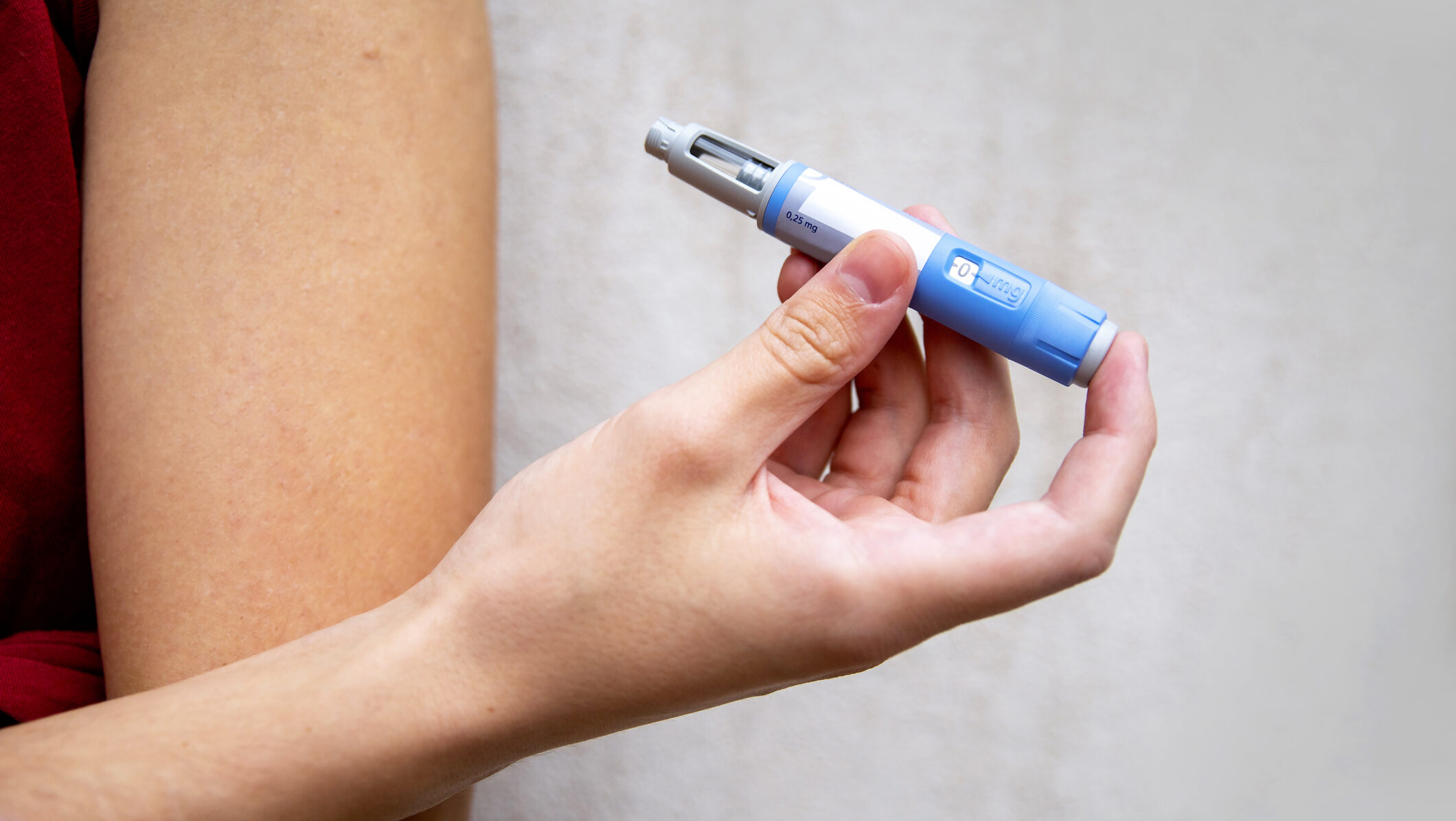
These data were presented just one day after the FDA announced the approval of the subcutaneous autoinjector version of Leqembi for starting treatment. That means that people can now begin and stay on the treatment entirely through at-home, once-weekly injections that take about 15 seconds to self-administer rather than needing a one-hour IV infusion at a clinic. Starter injections have a planned U.S. launch for late August 2026.
Learn more about Leqembi and how it works.
Explore a couple of hot topics discussed at the conference:

Roche presented encouraging findings from its early-stage trials of trontinemab, an anti-amyloid therapy that uses “Brainshuttle” technology to make it easier for the drug to enter the brain and remove plaques. Roche also discussed its Phase 3 trials for trontinemab, Trontier 1 and 2, which are currently enrolling people with early symptomatic Alzheimer’s disease.

Alzheon presented new data from its Phase 3 APOLLOE4 trial, which is looking at
valiltamiprosate (ALZ-801) in people with two copies of the APOE4 gene who have early-stage Alzheimer’s. The drug, which is taken orally as a pill vs. an injection or infusion, preserved the brain’s structure and blood vessels and improved cognition among those with mild cognitive impairment.
View Alzheimer’s disease resources and learn more about the innovative research funded by BrightFocus Foundation’s Alzheimer’s Disease Research program.
Did you miss our previous Breaking News Dispatches from top Alzheimer’s and dementia conferences? Catch up here.
This Breaking News Dispatch is supported by sponsorship funding from Lilly.