


Caring for Someone With Alzheimer's Disease
In most cases, the primary caregiver of someone with Alzheimer’s disease will be a loved one, a spouse, an adult child, or a close companion. Even in the early stages of the disease, caregiving is extremely demanding, both physically and mentally. You are not alone; continue reading for more information.

Working Together, We Can Stop Alzheimer’s
Alzheimer’s affects one in nine Americans over 65. Your support helps fund the most promising research to stop this mind-stealing disease and provide valuable information to the public.
Becoming a Caregiver
If you have a friend or family member with Alzheimer's, there are resources available to learn more about the disease and how to provide supportive, caring, and practical help. Caring for someone with this disease is a 24-hour-a-day task. Caregivers are often faced with changes in their loved one's behavior and personality. They are also charged with communicating with family, friends, and professionals about his or her condition.
Ways to Help
Participate in Caregiver Training
Training helps family caregivers properly care for someone with Alzheimer’s or other forms of dementia. It could include learning more about the disease, managing changes in behavior, home safety tips, medication management, financial and legal issues, and more. Learn more and find a training program.
Learn How to Communicate
Communicating with a loved one who has Alzheimer’s may sometimes feel awkward or frustrating. Despite these challenges, there are several strategies you can use to facilitate better conversations. Check out our conversation tips guide.
Prepare Financially
It is critical to develop a financial plan for those with Alzheimer’s disease. Learn how to get started and organize important income, investment, and liability records.
Assist With Personal Hygiene
In the later stages of Alzheimer’s, your loved one may find it difficult to keep up with their self-care independently. From personal grooming and oral hygiene to bathing and dressing, this article provides tips to make the process simpler and more comfortable.
Emotional Effect on Caregivers
Spousal caregivers are often strongly affected by a diagnosis of Alzheimer’s as they process the profound changes their future holds:
- Spouses often have their own health problems.
- Husbands and wives often must reverse roles and take on unfamiliar tasks.
- Depending on a couple’s relationship, Alzheimer’s can bring them closer together, or it can alienate them.
- Spouses must accept that the person they have known and loved may change dramatically in personality and behavior, and there will almost always come a time when their loved one does not recognize them.
Adult children, in some cases, also have to adjust to the role reversal in caring for their parent. They may feel overwhelmed by the other responsibilities in their lives, such as working within or outside the home and caring for their children. For any caregiver, action following an Alzheimer’s diagnosis is critical. Finding acceptance, activating your support network, gathering information, and planning for the road ahead are the primary next steps.
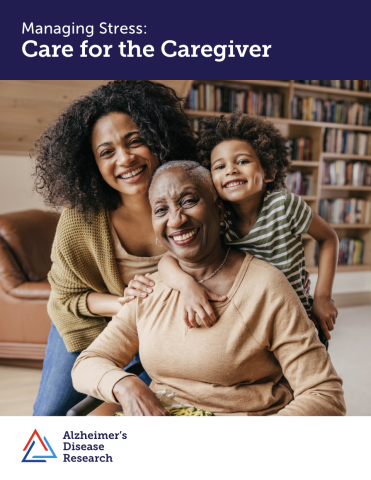
Managing Stress: Care for the Caregiver
The role of caregivers is both physically and emotionally exhausting. As the disease progresses, you may be called upon to adapt to changes in the person you are caring for and develop new skills to shoulder an increasing amount of responsibility.
Find Support
Caring for a loved one with Alzheimer’s can be rewarding but also challenging. Find out about helpful organizations that support caregivers.
Resources
Recent Resources & Information

Expert Information
When A Loved One With Alzheimer’s Lives Alone
If you've ever tried to convince someone with Alzheimer's or dementia to move from their home, you know how difficult it is. Home provides a sense of familiarity and remaining in one’s home also reinforces a feeling of independence. A common question families ask is, "Is it safe for my loved one to stay in their home, at least for a while?"

Downloadable Resource
Helpful Resources for Alzheimer's and Dementia Care
Explore essential resources for Alzheimer's patients and caregivers to help navigate daily challenges and long-term care.
Zoom In on Dementia & Alzheimer's
The HOPE Study: Testing a Non-invasive, Light and Sound Stimulation Treatment for Alzheimer's
Cognito Therapeutics CEO Brent Vaughan spoke about the pivotal HOPE Study, which uses an investigational medical device consisting of headphones and eyewear to deliver sensory stimulation treatment in the comfort of people’s homes.
Downloadable Resource
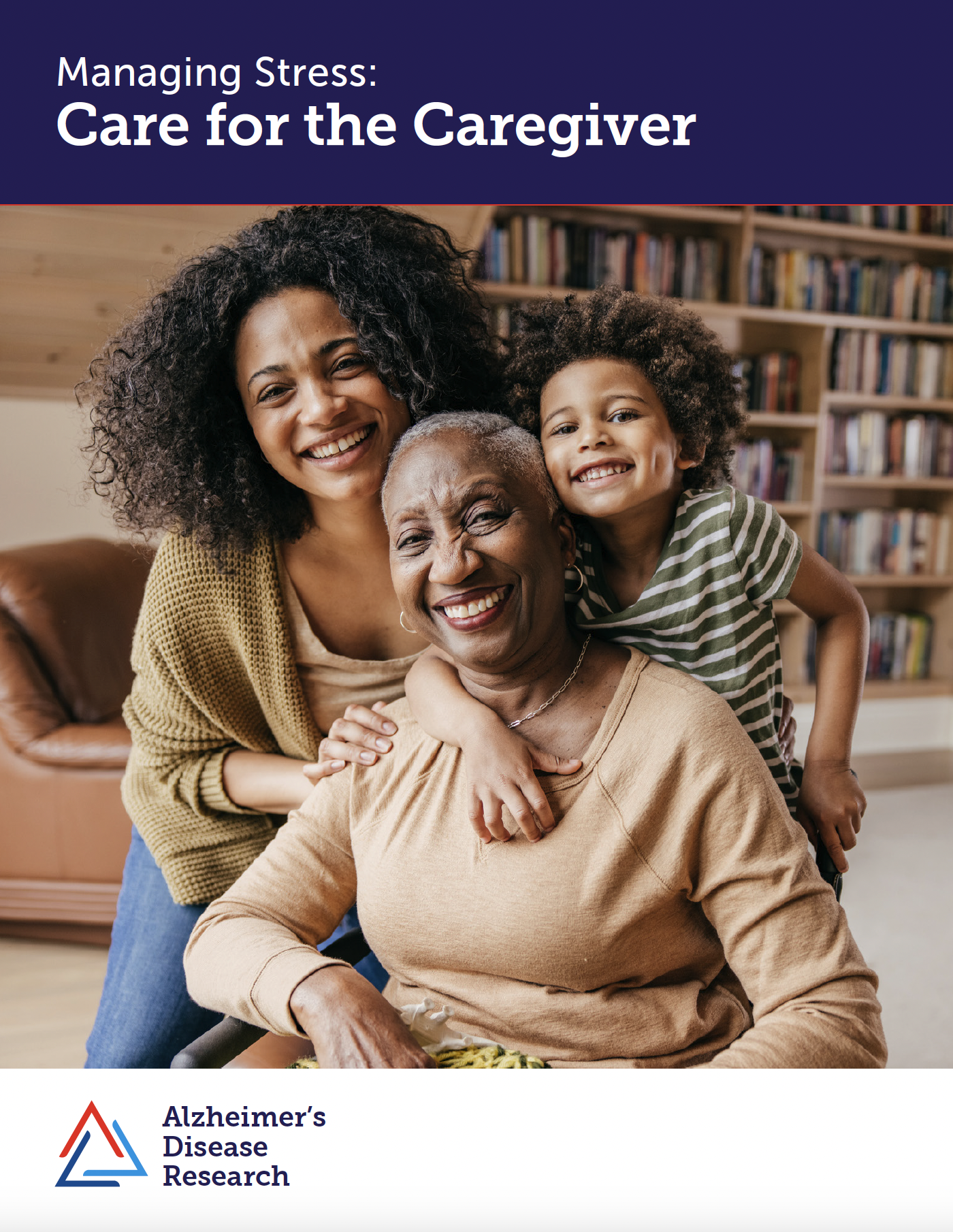
Managing Stress: Care for the Caregiver
This resource discusses warning signs and ways to reduce the stress associated with caregiving for a person with Alzheimer's.

Expert Information
Making Your Home Dementia Friendly
Discover room-by-room tips to make your home safe and dementia-friendly. Discover adjustments for better Alzheimer's care and living.

Expert Information
3 Steps to Maintaining Good Health for Dementia and Alzheimer’s Caregivers
There is a high physical and emotional strain associated with caregiving for someone with Alzheimer’s disease or dementia. By taking care of your own well-being, you will benefit as well as those around you, including your care recipient.