


News > Article
Published:
Alzheimer's Disease Research
Auvelity, developed by Axsome Therapeutics, was approved today by the U.S. Food & Drug Administration (FDA) for the treatment of Alzheimer’s disease agitation, a common and challenging symptom that affects 40 to 60 percent of people living with Alzheimer’s disease.
In January 2026, the FDA granted priority review for Auvelity, significantly shortening the review process.
In Phase II/III trials, participants who received Auvelity showed meaningful reductions in agitation score – in as soon as one to two weeks compared to those who received a placebo. The drug was well-tolerated and did not lead to any worsening of cognition, which is a key concern for sedatives and a major drawback for the first medication approved to treat Alzheimer’s-associated agitation.
“Alzheimer’s-associated agitation is one of the most troubling and challenging side effects for people living with the disease, their families, and their caregivers,” said BrightFocus President and CEO Stacy Pagos Haller. “This decision provides a tool to help address an important unmet need in the Alzheimer’s community.”
Auvelity is a combination of two medications, dextromethorphan and bupropion, and had been approved previously by the FDA for the treatment of major depressive disorder. These two drugs affect brain pathways responsible for mood regulation and stress responses, two networks thought to be involved in the agitation-related behavioral changes associated with dementia.
Agitation resulting from Alzheimer’s can include symptoms such as restlessness, irritability, pacing, yelling, and even aggression towards family and caregivers. In some cases, these symptoms appear at the end of the day, a phenomenon known as sundowning.
More than just a set of difficult-to-manage symptoms, agitation is one of the leading causes of nursing home placement. The ability to effectively manage agitation symptoms could impact whether someone with Alzheimer’s was able to safely remain at home and represent a significant improvement on quality of life and safety for them and their caregivers.
BrightFocus Foundation is a premier global nonprofit funder of research to defeat Alzheimer’s, macular degeneration, and glaucoma. Since its inception more than 50 years ago, BrightFocus and its flagship research programs—Alzheimer’s Disease Research, Macular Degeneration Research, and National Glaucoma Research—has awarded more than $330 million in research grants to scientists around the world, catalyzing thousands of scientific breakthroughs, life-enhancing treatments, and diagnostic tools. We also share the latest research findings, expert information, and resources to empower the millions impacted by these devastating diseases. Learn more at brightfocus.org.
Disclaimer: The information provided here is a public service of BrightFocus Foundation and is not intended to constitute medical advice. Please consult your physician for personalized medical, dietary, and/or exercise advice. Any medications or supplements should only be taken under medical supervision. BrightFocus Foundation does not endorse any medical products or therapies.

Two blood tests—PrecivityAD2 (C2N Diagnostics) and Elecsys pTau217 (Roche and Lilly)—have been cleared for use in clinical laboratory settings. Learn more about how the tests work and what FDA clearance means for people with cognitive impairment.
In this issue: Can the Immune System Hold the Key to Slowing Alzheimer’s? Lifestyle Choices and Alzheimer’s Risk: What You Can Do Today, and more!
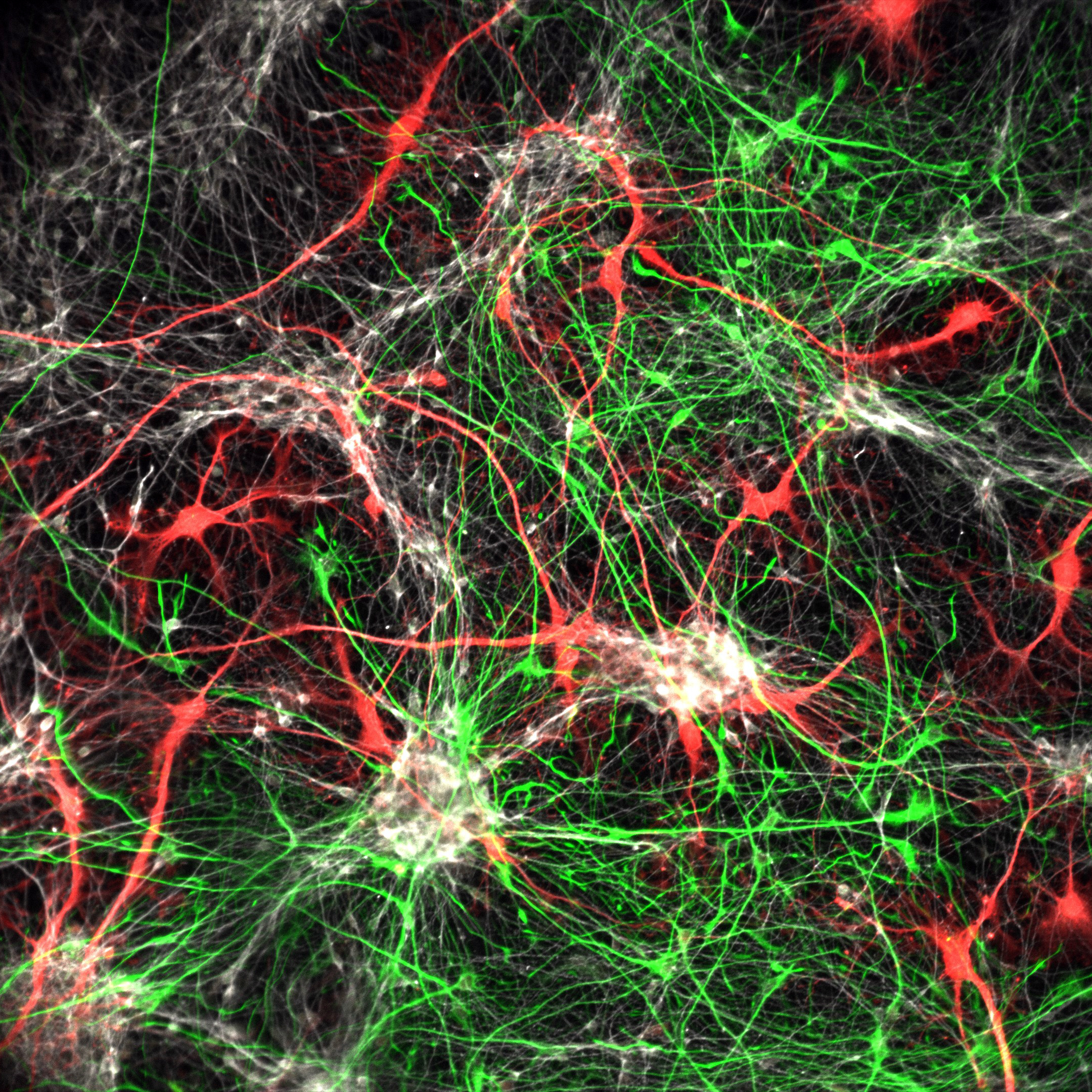
Dr. Dominik Paquet's lab is growing human brain tissue in the lab to uncover what mouse models can’t show.

Read the latest research news and findings from the latest international Alzheimer’s conference.
Every Donation is a Step Forward in the Fight Against Alzheimer’s
Your donation powers cutting-edge research and helps scientists explore new treatments. Help bring us closer to a cure and provide valuable information to the public.
Donate Today