If you’ve been told by your eye doctor that you have macular degeneration or have simply browsed the eye care aisle at a pharmacy, you may have seen “AREDS2” printed on a supplement box. But what are these supplements, who are they for, and should you consider taking them?
What is AREDS?
AREDS (Age-Related Eye Disease Study) refers to two large, NIH-funded clinical trials that tested whether specific vitamin and mineral supplements could slow the progression of age-related macular degeneration. The first AREDS trial, completed in 2001, found that a formula of vitamin C, vitamin E, beta-carotene, zinc, and copper reduced the risk for progression to late AMD by about 25% in people with intermediate AMD.
AREDS2, a follow-up trial, tested replacing beta-carotene with lutein and zeaxanthin because after the completion of the original AREDS study, a link was found between beta-carotene and increased lung cancer risk in smokers. AREDS2 confirmed the updated formula was equally or more effective than the original AREDS formula.
“Our goal with AREDS2 was to create an equally effective supplement formula that could be used by anyone, whether or not they smoke,” Dr. Chew said in an NIH report1 on her research2. “These results confirmed that switching our formula from beta-carotene to lutein and zeaxanthin was the right choice.”
Nutrients in the AREDS2 formula
The AREDS2 formula contains the following supplements:
- 500 mg of vitamin C
- 400 IU of vitamin E
- 2 mg of copper
- 40 mg of zinc
- 10 mg of lutein
- 2 mg of zeaxanthin
The antioxidants lutein and zeaxanthin are a specific type of macronutrient found in plants (phytochemical) called carotenoids, which are structurally similar to vitamin A. Plants make these chemicals, in part, to protect them from potentially harmful sunlight. When we ingest these nutrients, they are transported to the retina where it is thought that they help protect against light-induced damage.
Vitamins C and E are also antioxidants, and zinc also has antioxidant properties and is also needed for several enzymes in your body to function properly. Copper is included in the AREDS2 formula because taking zinc supplements can cause copper deficiency because they compete for absorption in the intestines.
Research shows it’s safe to take a multivitamin along with an AREDS formula. However, any high-dose nutritional supplement may interfere with certain medications and compete with other important nutrients for absorption into the body. People who are considering taking an AREDS formula should make a list of all supplements and over-the-counter medications they take and share it with their doctor.
What about AREDS3?
AREDS3 is a new formulation from Bausch and Lomb, the makers of AREDS2. AREDS3 lowers the amount of zinc from 40 mg to 12.5 mg and adds the following B complex ingredients3:
- vitamin B6
- vitamin B12
- riboflavin
- pantothenic acid
- biotin
- folic acid
- niacin
Unlike AREDS2, AREDS3 has not yet gone through extensive clinical trial testing to see whether it slows the progression of intermediate dry AMD better than AREDS2. Talk with your eye care professional to see if AREDS3 is right for you.
How to purchase AREDS2 supplements
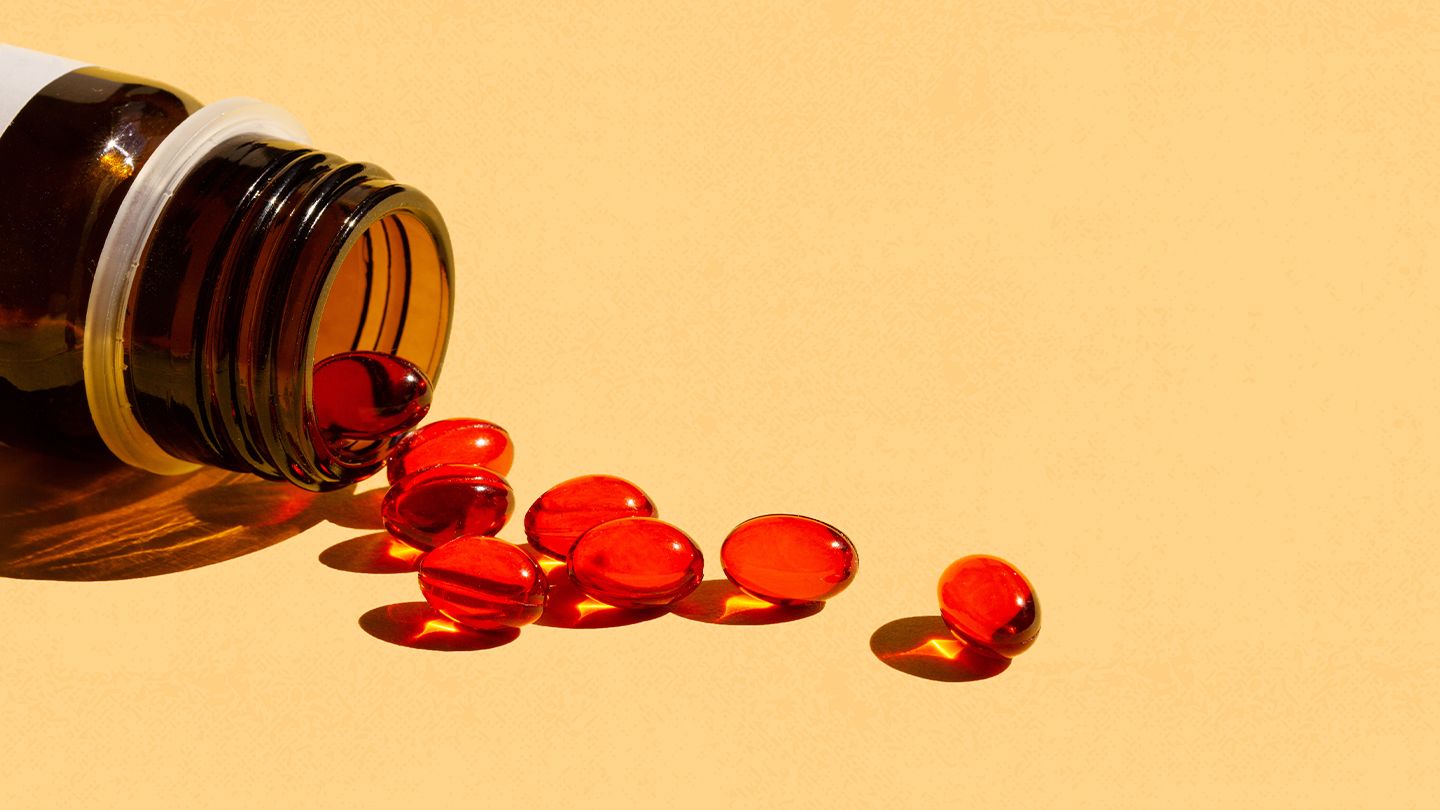
AREDS2 supplements can be purchased over the counter in drugstores or online. When choosing a supplement, be sure the label says “AREDS2 formula” and that the listed vitamins and minerals match the amounts in the chart above. If you are uncertain about a specific product, ask your doctor for recommended brands that meet the AREDS2 formulation. The dose is generally one soft gel twice a day with a meal.
Other steps to take
Good nutrition plays an important role in eye health. In particular, the Mediterranean diet, which includes eating more fruit, vegetables, beans, nuts, and fish; minimizing red meat and dairy; including low or moderate wine drinking; and choosing monounsaturated fats such as olive oil over saturated fats such as butter, has shown positive effects.
For people at risk for macular degeneration, strong dedication to the Mediterranean diet resulted in a 25% reduction in the risk of progressing from early to late macular degeneration, and an almost 30% reduction in the risk of progressing from moderate to late macular degeneration. It is also associated with a reduced risk of cognitive impairment, driving home the idea that brain and eye health are closely tied.
How macular degeneration can lead to blindness
Macular degeneration is a degenerative disease of the retina, which is the light-sensitive tissue at the back of the eye. The macula is the part of the retina that provides clear and straight-ahead vision. Macular degeneration causes cells in the macula to die, eventually leading to vision loss. There is no cure for macular degeneration, but treatment can slow progression of the disease and prevent vision loss.
There are two types of macular degeneration: dry and wet. Most people with macular degeneration have the dry type (also called atrophic macular degeneration). This happens when the macula gets thinner with age, with cell death progressing slowly over several years.
Wet macular degeneration (also called advanced neovascular macular degeneration) is a less common type and often causes faster vision loss. It happens when abnormal leaky blood vessels grow in the back of the eye and damage the macula. Dry macular degeneration can sometimes turn into wet macular degeneration.
Frequently Asked Questions
Who should take AREDS2?
“If you have good vision in one eye and either wet or dry macular degeneration in the other, you have a good chance of being helped by the AREDS supplements,” said Dr. Chew. “Even patients with dry age-related macular degeneration in both eyes and somewhat impaired vision may be helped. But the really severe dry type, where the center [the macula of the eye] is involved and the vision is very poor, may be more difficult. AREDS supplements cannot reverse vision damage that has already occurred.”
Being proactive with macular degeneration is key, but Dr. Chew cautioned that AREDS supplements are not meant to be taken as a preventive measure. “Healthy individuals and those with early macular degeneration are not helped by AREDS,” she said. “Only when you get to the intermediate stage does it help, and even then, it doesn’t help everyone. If you have a family history of macular degeneration or are worried, the most important thing is to see your eye doctor.”
When should I start AREDS supplements?
The clinical evidence supports starting AREDS2 once you’re diagnosed with intermediate AMD, or late AMD in one eye — not before. Healthy individuals and those with early-stage AMD are not helped by AREDS2, so starting earlier than that stage hasn’t been shown to provide benefit. Your eye doctor can confirm which stage you’re at and whether AREDS2 is appropriate for you.
How do I know a particular supplement is AREDS2-compliant?
Check that the label explicitly states “AREDS2 formula” and that the listed amounts match the clinically studied formula: 500 mg vitamin C, 400 IU vitamin E, 2 mg copper, 80 mg zinc, 10 mg lutein, and 2 mg zeaxanthin. If you’re unsure whether a specific product qualifies, ask your eye doctor or pharmacist to confirm before purchasing.
Can AREDS2 supplements prevent macular degeneration?
No. AREDS2 has not been shown to prevent AMD in people who don’t already have it, and it isn’t intended for that purpose. Its demonstrated benefit is slowing progression in people who already have intermediate or advanced disease in at least one eye.
Is AREDS2 safe to take with other vitamins or medications?
Research indicates it’s generally safe to take a multivitamin alongside an AREDS2 formula, but any high-dose supplement can interact with medications or compete with other nutrients for absorption. Anyone considering AREDS2 should share a full list of their current supplements and medications with their eye doctor before starting an AREDS2 regimen.