


What Is Alzheimer's Disease?
Alzheimer’s disease, the most common form of dementia, is a progressive, terminal brain disorder that has no known cause or cure. It affects people’s memories, but it involves far more than simple forgetfulness. It is still not known why Alzheimer’s disease affects some people and not others. Researchers worldwide are searching for its causes and ways to prevent, diagnose, treat, and cure it. Learn about the signs and symptoms of Alzheimer’s, treatments, prevention techniques, and ways to care for yourself or a loved one.

Understanding Alzheimer’s Disease

Alzheimer’s steals the minds of its victims.
It takes a toll on families who provide the majority of caregiving. About 7 out of 10 people with Alzheimer’s or other dementias are cared for at home. Caregiving can be difficult—family and other unpaid caregivers may experience high levels of emotional stress and depression.

Indicators
Signs & Symptoms
Many people experience mild forgetfulness or memory delays, which are part of the normal aging process. We all have occasional difficulty remembering a word or someone’s name. Someone with Alzheimer’s or other types of dementia, however, will find such symptoms becoming more frequent and severe.

Memory loss
Any of us could forget where we placed our car keys. Someone with Alzheimer’s disease may place the keys in an unusual spot, like the refrigerator.

Confusion
Alzheimer’s can cause confusion, such as not even remembering the purpose of car keys in the first place.

Cognitive problems
This can include mood conditions such as depression, anxiety, irritability, apathy, and poor performance on cognitive tests.

Inability to care for oneself
The inability to communicate or care for oneself usually occurs at a later stage, and those affected generally become more unresponsive.


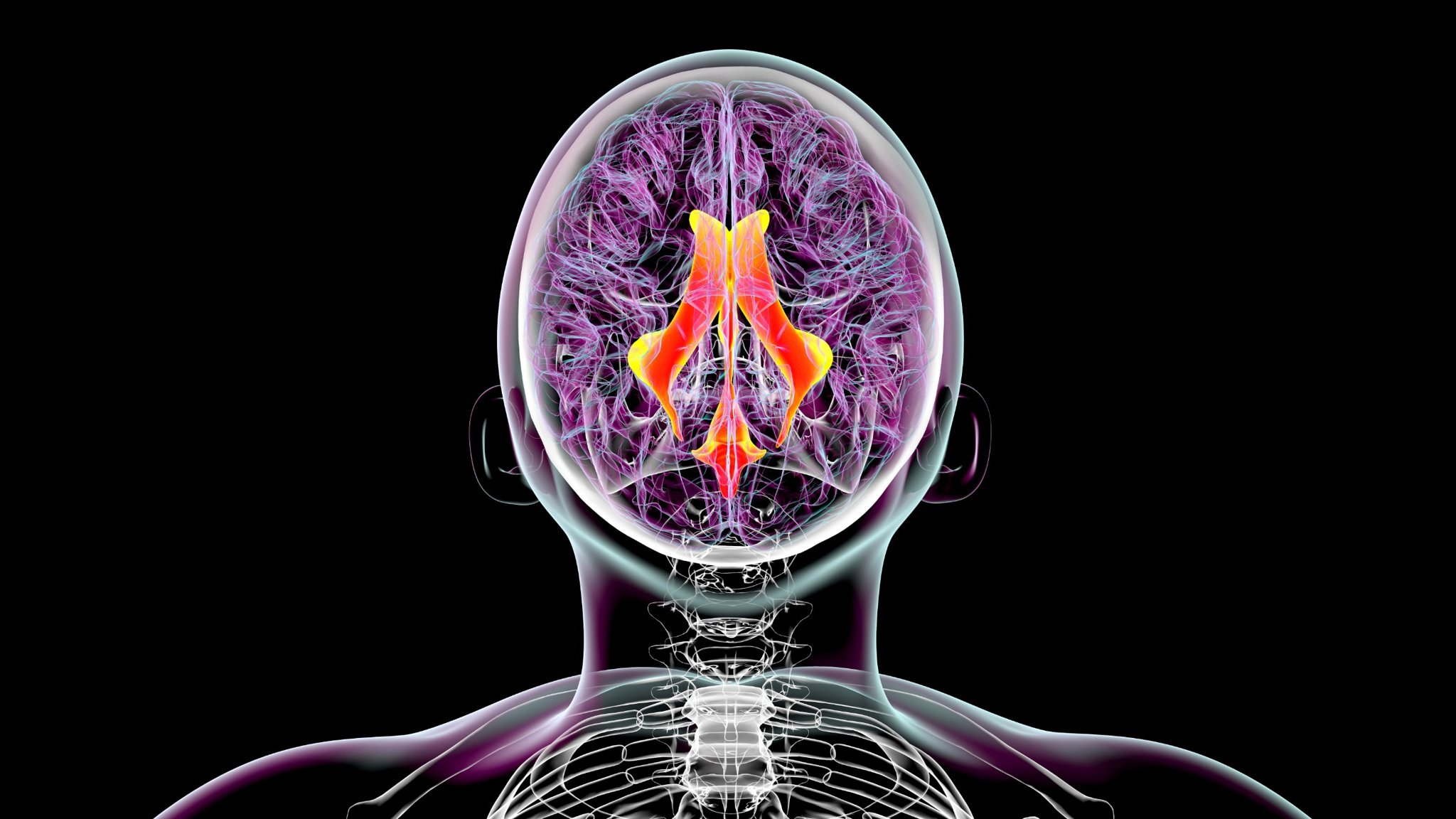
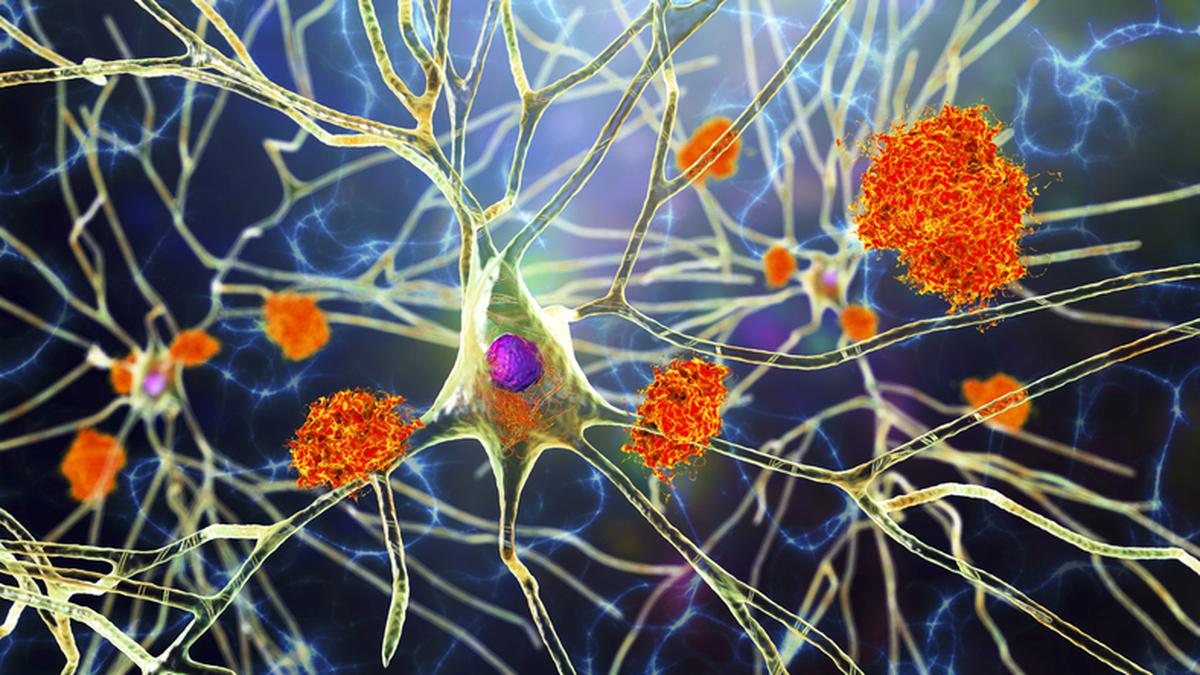
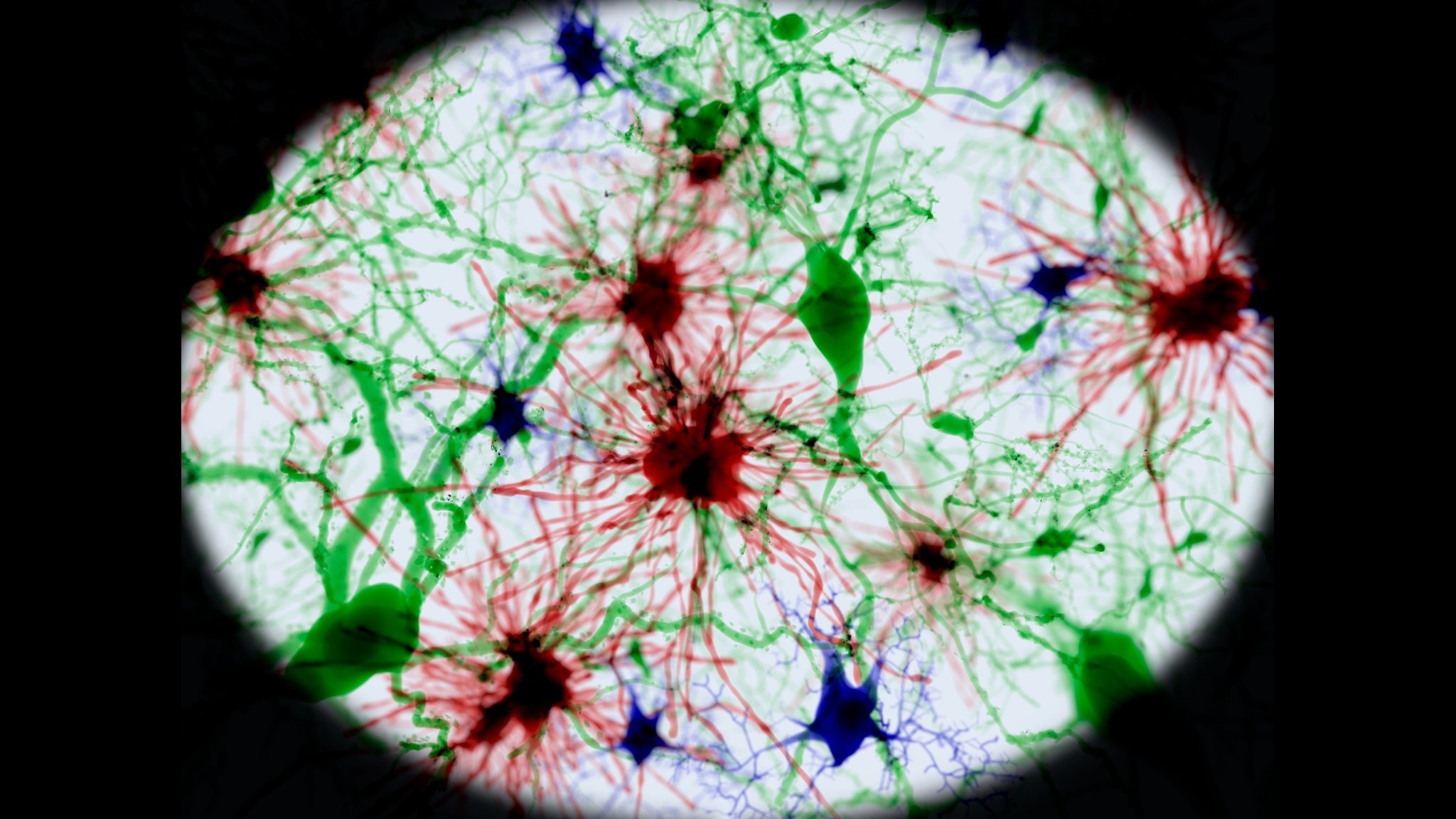
Neurodegeneration
How Alzheimer’s Affects The Brain


Risks & Prevention
Who is at Risk of Developing Alzheimer’s?

While there are many theories about what causes this disease, there is still no definitive answer.
However, there are some general risk factors to keep in mind, including:
- Diminished blood flow
- Excess accumulation of abnormal brain proteins
- Toxins
- Brain injury
- Infection
- Inflammation
- Malnutrition
Browse other potential risk factors and how to lower your risk.

By The Numbers
Facts & Figures

More than 7 million
Americans age 65 and older are living with Alzheimer’s disease.

1 in 3
seniors die with Alzheimer’s or another dementia.

13 million
people aged 65 and older are projected to have Alzheimer’s and other dementias by 2050 unless scientists develop new approaches to prevent or cure it.

Program Impact
The need for a cure is more urgent than ever.
Unless scientists can unlock the secrets of this disease, the number of cases is expected to triple by the year 2050. This epidemic could overwhelm our healthcare system.
Alzheimer’s Disease Research has funded more than $180 million in research grants since inception.
By providing initial funding for highly innovative, experimental research and creative ideas, we spark revolutionary approaches and life-saving breakthroughs for this disease. We are currently supporting 112 active scientific projects worldwide.
Resources
Recent Resources & Information

What’s New in Alzheimer’s Blood Testing
In this timely discussion, Dr. Suzanne Schindler will explain how blood-based biomarkers are transforming Alzheimer’s diagnosis, research, and care.

Trontinemab: A New Brain-Penetrant Alzheimer’s Therapy
Dr. Gil Rabinovici explores trontinemab, an investigational next-generation anti-amyloid therapy being studied for early Alzheimer’s disease.

Reducing Dementia Risk: What New Research Reveals
Dr. Zaldy Tan discusses what the newest research reveals about protecting brain health and promoting healthy aging.
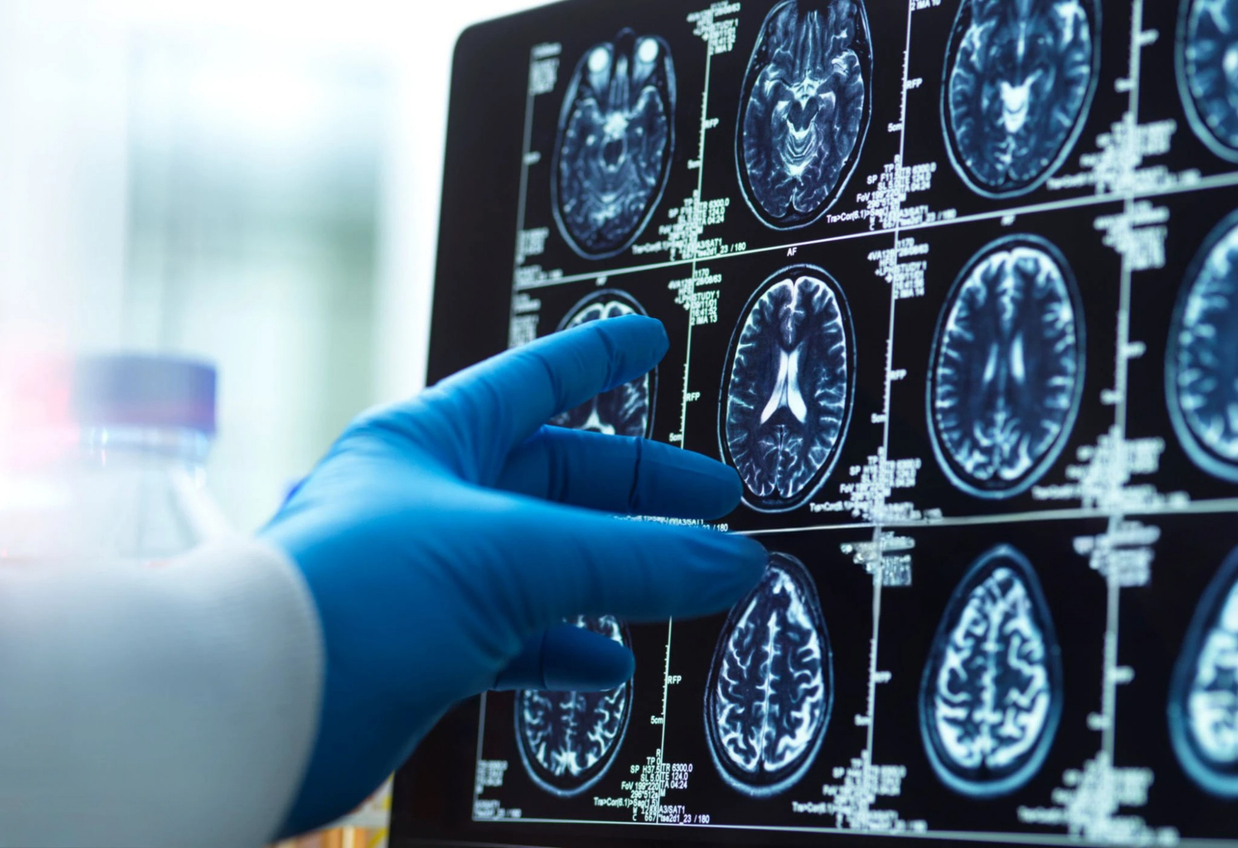
Lewy Body, Alzheimer’s & Mixed Dementias Explained
Leading neurologist Dr. James E. Galvin explains how to identify early warning signs, distinguish Lewy body dementia from Alzheimer’s disease, and explore current and emerging treatment options.

FDA-Approved Alzheimer’s Therapies Infographic
Although there is no cure for Alzheimer’s disease, certain treatments can help control or delay its symptoms, particularly in the early stages of the disease. Talk to your physician to see if these medications are right for you.

Agitation in Alzheimer’s Dementia
Dr. Brent Forester explains what causes agitation, how it may appear in different forms, and the latest approaches for managing symptoms—including non-drug strategies and newly approved treatments.
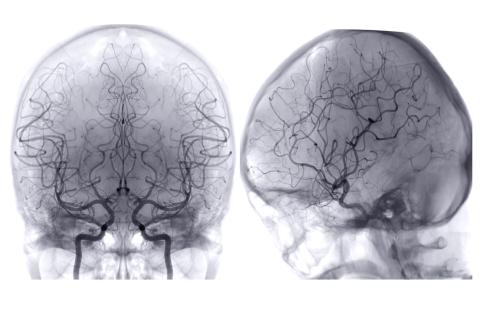
Stroke, Vascular Dementia, Alzheimer’s: What’s the Difference?
Dr. Jason Hinman of UCLA explains how disrupted blood flow to the brain can lead to cognitive decline, how vascular dementia differs from (and often overlaps with) Alzheimer’s disease, and what the latest research means for prevention and treatment.

Therapeutic TV for Alzheimer’s: What the Research Shows
Allyson Schrier shares how research following her experience caring for her husband with dementia led her to create a streaming service designed to calm, engage, and support people living with memory loss.

The SPRING Trial: Targeting Gum Bacteria in Alzheimer’s
Dr. Michael J. Detke of Lighthouse Pharma explains the SPRING clinical trial and how the investigational oral drug LHP588 is being studied to reduce bacteria-related brain damage.
Help Fund Groundbreaking Alzheimer’s Research
Alzheimer’s disease affects millions, and your donation can make a difference. By supporting research, you help bring us closer to a cure and provide essential information to those affected by this devastating disease.