Transcript
Download PDF
Please note: This transcript has been edited for clarity and brevity.
NANCY KEACH: From BrightFocus Foundation’s Alzheimer’s Disease Research Program, I’m Nancy Keach. And welcome to the 47th episode of Zoom In on Dementia & Alzheimer’s. This program is generously sponsored by Lilly, Biogen, Eisai, and Genentech. And we are deeply grateful to these sponsors for making these free programs possible.
Today’s program is “Trontinemab: A New Brain-Penetrant Alzheimer’s Therapy.” And among the topics we’re going to try to cover today, since we’ve received over 200 questions, are information about the drug and its mechanism of action; past, current, and upcoming clinical trials using trontinemab and who might be eligible to participate in them; a discussion about the side effects, in particular ARIA; appropriateness depending on your genetic predisposition, your APOE4 status and what stage of disease you’re at; whether or not this drug could be taken at the same time or subsequently to having taken Leqembi or Kisunla; and finally a general timeline for these trials and the potential approval and availability of this therapy.
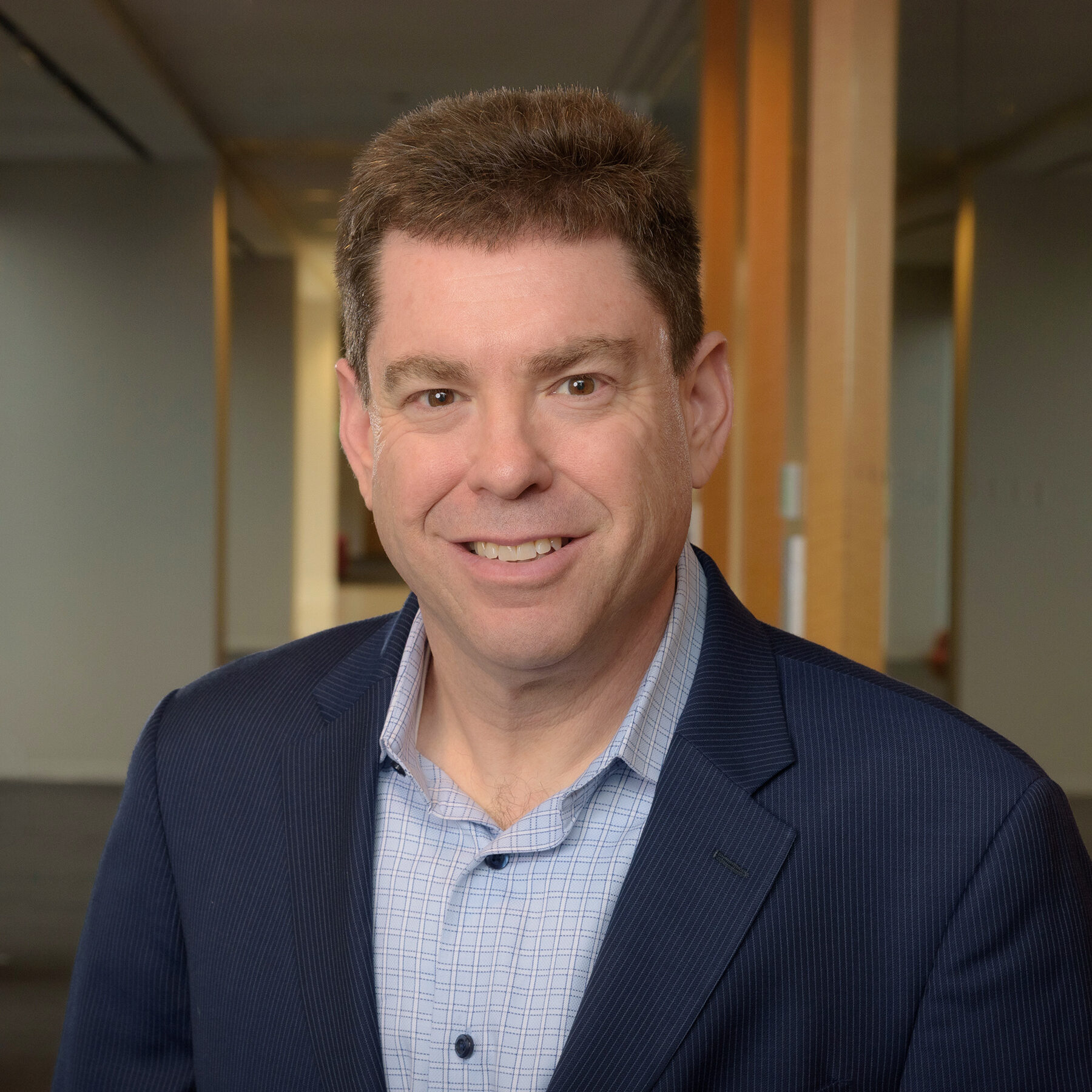
That’s a lot, but hopefully, we’ll get to it all. So with that, I am delighted to introduce today’s guest expert, Dr. Gil Rabinovici, the Edward and Pearl Fein distinguished professor in the departments of neurology and radiology at the University of California, San Francisco. He is also director of UCSF’s Alzheimer’s Disease Research Center and has served as the principal investigator and lead for several clinical trials related to Alzheimer’s disease and other dementias. And I will note that Dr. Rabinovici is on Roche’s steering committee for the Trontinemab Program. So we are lucky to have him here today. He has a little bit of a very close view. Welcome, Dr. Rabinovici.
DR. GIL RABINOVICI: Thank you so much, Nancy. It’s really a pleasure to be here and so great to see such a large turnout today.
NANCY KEACH: It’s awesome. And this is Dr. Rabinovici’s second visit to us. I think you did a program a couple of years ago on early-onset Alzheimer’s. So delighted to have you back. Thank you so much.
So I’m going to jump in. Trontinemab is a drug being developed by Roche and its subsidiary, Genentech, and it is not yet approved. It is progressing through a series of clinical trials that are very exciting. And so I believe the first trial of tront or tronti, as people in the industry call it, was the Brain Shuttle AD Phase Ib/IIa clinical trial, which began in March of 2021 and is ongoing. So to start, can you tell us, Dr. Rabinovici, about what is unique about the way tronti works and what we know from the research so far about this therapy?
DR. GIL RABINOVICI: Sure. I love the tronti shortcut. That’ll save me a lot of tongue twisters today. So one of the key challenges in developing treatments for Alzheimer’s disease and other brain diseases is something called the blood-brain barrier. Basically, this is the shield that’s on blood vessels that protect the brain against all kinds of toxins that are circulating in the blood and prevent those toxins from getting into the brain. So that’s great. However, when we’re trying to develop drugs specifically to get into the brain, the blood-brain barrier can be a major hindrance. And that’s particularly true when you’re thinking about large molecules, like monoclonal antibodies that are targeting amyloid beta.
And so what is unique about tronti is that it is a monoclonal antibody that is connected to something that’s called a brain shuttle. The brain shuttle is basically a way of getting the drug actively transported into the brain through that blood-brain barrier. The way it works is the brain shuttle actually attaches to a receptor that’s present on blood vessels, called the transferrin receptor. The receptor recognizes this as, oh, this is something I need to bring into the brain. And then, like a Trojan horse, it brings that drug actively into the brain across the blood-brain barrier. And that means that we can get much more efficient penetration of the antibody into the brain.
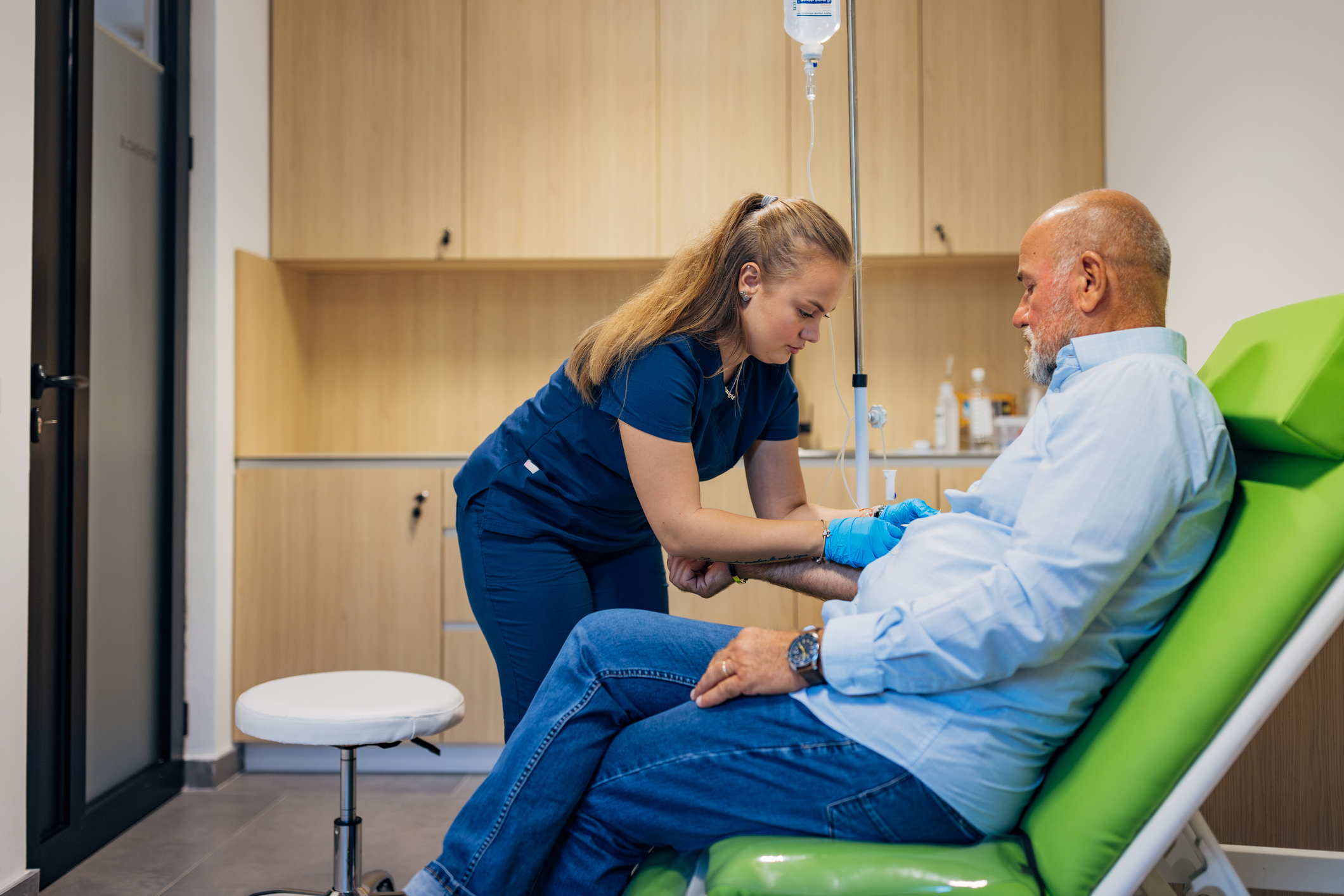
Just to put this in perspective, when we’re giving antibodies, like Leqembi and Kisunla, through an IV infusion, we estimate that only about 1% of that antibody that’s given IV is actually getting into the brain. So we have to give a lot more drug than the brain actually needs because the penetration is so low. And the goal of tronti and this brain shuttle technology is really to address that challenge through this Trojan horse mechanism. We’ve all watched The Odyssey movie that’s out in theaters, so the Trojan horse is top of mind. And that’s exactly what this drug is doing in order to get into the brain.
NANCY KEACH: And from the first trials, I think they’re ongoing, but I know some initial data was released, I believe, in 2025. Can you talk about what we know the drug is able to do based on that evidence?
DR. GIL RABINOVICI: Absolutely. So just for some context for the viewers, a phase I study is a dose-finding study. So it’s a study in which a new drug is actually given at increasing doses to volunteers in order to try to understand, what is the best dose to actually treat a disease? What is the dose that we need to test in later stages of drug development?
And so in this phase Ib study, participants with Alzheimer’s disease confirmed through biomarkers, PET or CSF, were recruited, and they were given increasing doses of this antibody. About 150 people were recruited, and most of them got the higher doses, so either 1.8 or 3.6 milligram per kilogram. About 120 of those 150 got those higher doses. And what we found, I think, can be summarized really simply in that at about 1/3 of the dose of other antibodies like Leqembi, amyloid was removed three times as fast.
And so just to put that in perspective, people who entered the trial had quite a lot of amyloid in their brain, as we measured by a PET scan. And by six months, over 90% of those people had completely cleared their plaque by PET. In fact, a significant proportion had already cleared the plaque at three months. So we’re talking about potentially a really short duration of induction treatment in order to clear those plaques. And what we’ve learned from other studies so far in the field is that it does seem to be beneficial. The more completely and faster you can remove detectable plaque from the brain, the higher the likelihood of getting a clinical benefit. That’s what we’ve learned both from positive and negative trials of amyloid-targeting antibodies. And so because we’re getting probably so much more antibody into the brain, that antibody is able to engage to get the brain’s immune system to gobble up the plaques, and the plaques can be cleared very fast.
That is the main finding so far in the dose escalation or phase I study. Of course, another really important point is ARIA. Just to refresh people’s memory, this is a side effect that we worry about very much with all the different anti-amyloid antibodies. What ARIA is, is shifts in brain fluid that can lead to swelling or bleeding in the brain as a result of these treatments. And in most cases, ARIA is actually asymptomatic. It doesn’t cause any symptoms or causes very mild symptoms that are completely reversible if you pause the treatment. However, there can be really severe cases of ARIA that present with stroke-like episodes, seizures, and even there have been some fatalities associated with really severe ARIA. So ARIA is a side effect that we worry about.
What is tronti’s record vis a vis ARIA? So far, it seems like the rates of ARIA in that phase I study are– they’re not zero, but they’re really low. So, for example, the rate of ARIA-E, which is the ARIA that’s associated with swelling in the phase I study, was about at 6%. And just to put that in perspective, the rates of ARIA-E with Leqembi and Kisunla are more like 12% to 15%. So it may be not only that this antibody is more potent, that it can clear amyloid faster and more completely, but also it may be safer in terms of the risks of ARIA, not risk free, but safer. And that is a really important learning.
NANCY KEACH: This sounds incredibly hopeful. Is that correct?
DR. GIL RABINOVICI: It is really hopeful. I’m just amazed. Just to put this in perspective, a little over three years ago, we had no disease-modifying therapies available for patients with early-stage Alzheimer’s disease. Now we have two approved therapies. And we’re also seeing a rapid improvement in these drugs in terms of their potency and in terms of their, hopefully, safety profile.
It’s really important to note, and as I’m sure we’ll discuss, the tronti program is now moving towards larger clinical trials with more patients involved, also to evaluate for the clinical benefit. Is there a greater clinical benefit than with the current antibodies if we can clear the plaques more completely and faster? So that’s still an open question. I think many of us are hopeful that the answer will be yes. But even if the clinical benefit is similar but the safety profile has improved and the treatment duration is shorter, those are already some significant advantages. And it just shows you how fast our field is moving in terms of getting better therapies.
NANCY KEACH: Thank you so much. It is very hopeful. Ana Luisa from El Paso, Texas, had written, “If trontinemab can cross the blood-brain barrier more effectively and remove amyloid plaques quickly, what evidence shows that it can also slow memory decline and improve patients’ quality of life?” You’re using the phrase clinical benefit. Can you talk about what the phrase means and what we know from the early studies?
DR. GIL RABINOVICI: Right. So what we really want to know isn’t, is this drug great at removing amyloid, but is it good at slowing memory decline? And the answer is that is still to be determined. So the way drug development works is in the early phases, you figure out the right dose. And often, you use a biomarker to help you understand what the right dose is. For example, you’re looking for a dose that can completely clear plaque, and you’re also looking at safety profiles. How well do patients tolerate different doses?
The question of slowing memory decline requires more participants in a clinical trial. And so that is where the program is right now. The two clinical trials have launched that are called phase III clinical trials. Phase III clinical trials are the trials that are actually designed to test for a benefit in terms of slowing memory decline and functional decline. Those trials are called TRONTIER 1 and TRONTIER 2. They’re global trials that were just recently launched. And those will answer the question of, does this drug also slow memory decline compared to a placebo?
The way the phase III trials work– I think your viewers may be familiar with this– is that people who enter the trial are randomized to get either drug or placebo. So it’s really important to control for that placebo effect. Everyone is blinded– so the patients, the doctors, everyone doing the assessments doesn’t actually know who’s on drug or who’s on placebo– to eliminate any bias. And then at the end of the trial, we unblind and evaluate memory decline, functional decline and figure out, did people who got the drug do better than people who were on placebo? So that actually requires a larger trial, more patients. And that’s where the program is right now, just starting the phase III trials.
NANCY KEACH: Thank you. Dolores in San Diego, California, and Bruce Vera on the chat are asking, is the new medication anti-amyloid only, or does it address tau as well?
DR. GIL RABINOVICI: This is an anti-amyloid antibody. So it recognizes accumulated forms of the amyloid peptide that eventually form plaques. The antibody is actually almost identical to gantenerumab, which is another antibody that Roche Genentech tested in Alzheimer’s. It had some effects on amyloid, quite a good effect on amyloid, but maybe not enough to see a clinical benefit.
But by adding the brain shuttle, changing it now into tronti, and having a much more potent antibody penetration into the brain, we see a much more potent response in terms of amyloid removal. And again, we’re going to see– but the hope is that we will see a really potent clinical response as well in terms of slowing memory decline. That said, this brain shuttle technology can be used in the future for other drugs, maybe antibodies that are targeting tau or other elements of Alzheimer’s disease biology.
And so there’s two exciting things. One is this might be a really good anti-amyloid antibody. But I think the bigger-picture reason that so many people are excited is the technology, which might facilitate much better delivery of drugs into the brain. And that can be generalized to other mechanisms, other drug targets as well.
NANCY KEACH: So technically, this is not an anti-tau mechanism drug, but the technology of bringing drug more effectively across the blood-brain barrier means that in the future, if there are anti-tau tau-targeting drugs available, this may help that come into being?
DR. GIL RABINOVICI: Correct. And I just want to also add that we think that targeting amyloid does have effects on tau. So even though the antibody is targeting amyloid, from a lot of different streams of data, we think that amyloid really potentiates the spread of tau tangles. And then the spread of tau tangles is what is most closely associated with dysfunction of brain areas, brain networks, and ultimately with memory loss and dementia.
And so we think that by removing plaques, the hope is that we are also slowing that progression of tau and that, in that way, we’re modifying or slowing the progression of the disease. So what is the evidence that this drug is hitting other elements of Alzheimer’s disease? So for that, we use biomarkers. We measure tau. We can measure tau in the spinal fluid. And now increasingly, as I’m sure you’ve covered, we can measure tau in the blood. And what we’ve seen in the phase I, so the early phases, of tronti is that there is a very significant reduction of phosphorylated tau 217 in the blood. This is a biomarker that we’re using to track the effects of amyloid on tau. Other antibodies, like Leqembi and Kisunla, have also shown a reduction in phosphorylated tau in the blood, but not to the degree that we see it with tronti. It’s about a 50% reduction in p-tau217 in these early-phase trials, which is, I would say, about double or more the effect that we’ve seen with the other antibodies. We also see effects on tau in the spinal fluid. And we see the effects of tau on another biomarker called GFAP, which is a biomarker that’s measuring inflammation. Can also be measured in the blood and in the spinal fluid. And there are also reductions that we see in GFAP. So beyond just clearing the plaque, which we’re measuring with PET scans, there is some evidence at this point that the drug is affecting what we call the downstream elements of Alzheimer’s biology.
By removing plaque, you’re also potentially affecting tau, inflammation, and other processes that we know are really important for the evolution of Alzheimer’s disease. So, so far, so good in terms of seeing those broader effects that we are, in fact, expecting when we’re targeting amyloid.
NANCY KEACH: I’m going to go into a bit of a lightning round with you because there’s so many great questions about APOE4 status, about participating in the trials. So I’m going to go through my questions real quickly. Gene from Alameda, “Is the medication potentially effective for people with early-onset Alzheimer’s due to blast trauma, such as with veterans?” I know there was just an article, I think, in The Times about CTE and football also. And then also, could this therapy potentially benefit patients with other types of dementia, non-Alzheimer’s, like FTD, Lewy body, vascular, or possibly Parkinson’s disease?
DR. GIL RABINOVICI: We’re thinking of this drug as particularly a drug to treat Alzheimer’s disease because it is targeting the amyloid plaques, which are that core feature of Alzheimer’s disease biology. So unfortunately, this drug is unlikely to be beneficial in other neurological conditions. That’s maybe an oversimplification because amyloid plaques are potentially an important part also of dementia with Lewy bodies. And there is actually a clinical trial right now to assess the benefit of one of the anti-amyloid therapies in Lewy body dementia. So it’s possible that some other diseases, in particular Lewy body disease, may have a benefit from targeting amyloid. We have to still evaluate that in clinical trials. But this drug as it is right now is being developed specifically for Alzheimer’s.
That said, the brain shuttle technology, which brings any drug into the brain more effectively, could be useful for developing drugs for a broad array of neurological diseases, including frontotemporal dementia, late disease, a lot of other neurological diseases, Lewy body, and other diseases of the brain.
NANCY KEACH: Lots of questions about APOE4 and ARIA. And so just a couple, Nancy from Charlottesville, Virginia, “Is the company hoping to recruit a target percentage of APOE4 homozygote carriers?” That means two copies of the APOE4 allele. I don’t know if these stats are right, but she says, “since they represent 2% of the population but about 17% of people with Alzheimer’s dementia and have been unable to obtain anti-amyloid therapies in some countries and US sites.” And Michael from Thiensville, Wisconsin, “Is the risk of ARIA with this drug–” and you already addressed this, but you can put this together with the APOE4 questions– “expected to be lower than with the other monoclonal antibodies in a patient with genotype APOE3/4?” So we had, I think, over 50 questions on different combinations of genetic predisposition. Can you try to address that in one go?
DR. GIL RABINOVICI: Sure. Let’s just start with the background, which is that APOE4 is a major risk factor for developing ARIA with anti-amyloid antibodies, including Leqembi and Kisunla. People who have one copy are at higher risk than people who have zero copies of APOE4. And in particular, people who have two copies of APOE4 are at the highest risk of developing ARIA. And for that reason, some US sites, but specifically some countries around the world, are not allowing treatment of people who have two copies or homozygotes.
Regarding the design of the clinical trials, the APOE4 genotype is allowed. So there is no exclusion of E4 homozygotes. There aren’t any particular targets in terms of the percentage of people, but my guess is we’re going to see at least what we see in other Alzheimer’s trials, which is at least 15% of people getting into the trial are going to be E4 homozygotes. My guess is that might end up being higher because for some people, they might enter the trial because either they are not able to access the existing antibodies or those antibodies are not approved for E4 homozygotes. And those individuals might have a higher incentive of enrolling in a randomized trial right now. They recognize they may get placebo, but they’re not able to get the other antibodies right now, so this might be their best option.
So my guess is we will see at least 15% E4 homozygotes, probably a much higher number than that, in these trials. In terms of the risk of ARIA– so as I stated, in the phase Ib study, the rates of ARIA-E, the ARIA with inflammation, which is the most directly attributable to the antibody, was about 6%. So it wasn’t zero, but it was about half or even less than half the rates that we’ve seen with the other antibodies. That said, ARIA still occurred. In most cases, it was mild radiographically, clinically. However, there was one fatality in the phase I study. This was an individual who had severe ARIA and actually passed away from ARIA. And so while we think the risk will be lower with this drug, it’s not going to be zero. We know that, so we still have to be very thoughtful about assessing people’s risk and informing individuals about that potential risk as they enter the clinical trial or maybe in the future thinking about this drug for their care. The numbers are just too small of people who have been treated with the drug to have estimates of the rates of ARIA in E4 homozygotes specifically, but we will get those numbers from the phase III trials.
NANCY KEACH: And I’m going to go into the phase III trials that are current and then also into the prevention trials. Before that, we had several questions about– here’s one from Gary, “Can trontinemab be administered to someone who has had more than four microhemorrhages?” We had somebody else ask five to seven microhemorrhages. And so are they potential candidates for this therapy?
DR. GIL RABINOVICI: Right now, the clinical trials are excluding people who have more than four microhemorrhages or tiny bleeds in the brain. They’re excluding people who have something called superficial siderosis, which is bleeding at the surface of the brain. The person who had the fatal case of ARIA in phase I actually did have that siderosis before treatment. So that was actually adjusted to say, let’s be really safe. It’s plausible that this drug will be safer in the future for people who have microbleeds, but right now, the clinical trials are using very similar exclusion criteria to the trials for Kisunla and Leqembi and excluding people who have evidence of previous bleeds, with the concern that they would be at higher risk for having brain bleeds from the treatment itself.
NANCY KEACH: Thank you. And I real quickly want to say, because we are talking about ARIA and brain bleeds, that while there was that one fatality and ARIA has to be monitored very carefully, can you comment as ecumenically as possible on ARIA and monoclonal antibodies and the risk/benefit ratio of– or I guess I would put it more broadly, are the side effects generally manageable and monitorable? Because it sounds so scary, brain bleeds.
DR. GIL RABINOVICI: It does. It does sound scary. I think the reality is a lot less scary. And I think the narrative around these drugs has used words like swelling and bleeding to catastrophize this a bit. I don’t want to minimize either because there can be severe cases, but let me just give you some numbers. So we think the rates of ARIA-E, which is the swelling, are about 12% to 15% with the currently approved antibodies. Those are the ones we know more about, so those are the ones I’m going to discuss. Out of those, about 75% to 80% of people who have ARIA don’t actually have any symptoms. They don’t know there’s anything going on. But we do MRI scans as we start these drugs very frequently to monitor for ARIA. And that’s where we catch most of the cases of ARIA, is just by doing the MRI monitoring. And the bleeding, again, we say bleeds in the brain, but often these are one or two little, tiny dots that we can detect on an MRI but are not causing any symptoms or a tiny little area of signal change on the MRI that’s indicating a shift in the fluid.
When people have symptoms, they tend to be pretty mild and non-specific. So people have complained of headache, a little bit of visual change, a little bit of dizziness. And those symptoms almost always resolve. And in fact, the swelling on the MRI scan resolves if you pause the treatment and continue to monitor people. So ARIA is usually mild. It’s usually asymptomatic or mildly symptomatic. That said, in less than 1% of people, ARIA can be severe. It can cause major swelling in the brain that we see on an MRI that definitely causes symptoms. It can cause a larger bleed in the brain. And in just a handful of cases– but these are tragic. Every case is tragic– people have died of severe ARIA. And so it is really important also to be– this is a rare side effect, but it can occur. It can be severe. And it’s really important just that everyone, patients, families, understand that potential risk.
The specific risk depends on APOE. So people who have one or two copies of E4 are at higher risk not just of having ARIA, but of having symptomatic or more severe ARIA. And so it really is an individual discussion with every patient. That said, a lot of drugs that we use to treat really severe illnesses, like cancer, autoimmune conditions, those drugs also can rarely have really significant side effects, and yet people who are living with these diseases may say, OK, I understand I’m assuming some risk with the treatment, but I am really motivated to do anything I can to slow this down, to continue to stay where I am at, for example, the MCI stage, where I’m still able to do a lot of things independently and have a lot of meaningful interactions with family, friends, hobbies. And so some patients are willing to assume those risks.
For other people, they may be more risk averse. Maybe they’re higher risk based on their MRI profile, their genetic profile. After we have that conversation, they say, you know what? These drugs aren’t for me. There’s too much risk involved. Or actually, the treatment is too burdensome. That’s another issue. Coming in every two weeks or every four weeks for IV infusions, that’s a really serious commitment, getting all those safety MRIs. And some people just find that too burdensome. So it really is an individual decision about whether the drug is right for someone who may be eligible for this class of medications.
NANCY KEACH: And the last question before we actually talk about TRONTIER 1 and 2 and PrevenTRON in the trials is, Heather asks on YouTube, “If a person has received Leqembi, Kisunla, or an anti-amyloid drug, are they eligible to potentially participate in a tronti trial? Might they receive a benefit?”
DR. GIL RABINOVICI: Unfortunately, people who have previously been on other anti-amyloid drugs are currently excluded from the trials, even if they’re no longer on those drugs. The reason for that is that, at least in these initial clinical trials, we really want to understand what is the benefit and risk associated with tronti specifically? And if you enroll people who have been on other drugs, it becomes a little bit difficult to disentangle if they do show a benefit, is that due to the Leqembi they received previously? Is it due to the tronti right now? And so for that reason, these trials are kept relatively clean in terms of these are the first anti-amyloid drugs that these individuals are exposed to. So people who have been on those drugs, unfortunately, are not eligible for the current clinical trials. That may change in the future, but in terms of these trials, they are an exclusion criteria.
NANCY KEACH: I want to mention the BrightFocus Trial Finder because a lot of people are already asking– and thank you, all, for your willingness and participating in clinical trials. It’s the only way we’re going to have new therapies– brightfocus.org/clinical-trials. This is one of the trial finders that’s a little simpler than clinicaltrials.gov.
Let’s talk about the trials that are running for trontinemab currently and in the relatively near future. Can you talk to us about TRONTIER 1 and 2? Are they still recruiting? Where are they recruiting if they are? And then trials upcoming.
DR. GIL RABINOVICI: Sure. So the first two trials that are currently open for trontinemab are trials for people with early clinical stages of Alzheimer’s disease. So these are individuals between ages 50 to 90 who have either mild cognitive impairment or mild dementia and have confirmation of amyloid pathology by PET scan or CSF and also have specific cognitive scores. So the Mini-Mental State Exam has to be over 22. And they actually have to be below a threshold on a memory test.
The exclusion criteria are evidence of previous brain bleeds or really significant vascular changes in the brain, if people have unstable medical conditions or other neurologic conditions that could be contributing to their cognitive decline, and then, actually, people who are on anticoagulants, so not aspirin. But the more aggressive blood thinners are currently excluded from the trial. These are two trials that are happening in parallel. They’re identical in their design.
Each study is recruiting about 800 people with early-stage Alzheimer’s at about 150 sites. These are global studies, so they involve sites in North America, in Europe, the UK, Australia, China, Japan, truly global studies. And these individuals are going to be randomized to receive either that 3.6 milligram per kilogram dose, IV, every month, which is the dose that was most potent for removing plaque, for seven doses. So we really are talking about just a six-month treatment. And then individuals are converted to maintenance therapy, meaning they get another infusion every three months just to keep those amyloid levels down, or to placebo.
And these trials go on in their blinded stage for 72 weeks of treatment. And then at the end, when everyone has had 72 weeks of either drug or placebo, there will be an unblinding. It’s estimated that that will occur in about two years, so sometime in the middle of 2028. And then we will assess whether these trials hit their primary endpoints. And the primary endpoint for these trials is very similar to the endpoints that were used for the approval of Leqembi and Kisunla. These are changes on the scale called the Clinical Dementia Rating Sum of Boxes, or CDR-SB, which is a scale that is measuring cognition and function, how patients are doing cognitively and how they’re functioning in their daily lives. So that’s the primary outcome.
And what we’re hoping to see is a significant reduction in progression on that scale in people who are randomized to receive drug versus those who are randomized to receive placebo. So the trials are currently enrolling. They’re ongoing. And again, we’re estimating that they will be completed by the middle of 2028, which means that recruitment must be going really well because that means that the trials may actually be close to full.
NANCY KEACH: I actually had thought that they were already full up and not recruiting any longer, and I was corrected, happily. So they are still recruiting, TRONTIER 1 and TRONTIER 2. They are global studies with many sites. And I’m going to announce that the Genentech trial information support line is 888-662-6728. But I’m going to say to everybody, please don’t get mad at Genentech and Roche if you are not called back or accepted into this trial. They happily have had a lot of excellent response. And please do call, and please do try to enroll if you’re eligible. But it is a very complicated and overwhelming process running these trials, so don’t, if possible, get too mad or give up. Keep trying to apply for this study or for upcoming studies. They are looking for specific types of candidates, and if you fit, they will find you.
You can also look to your local Alzheimer’s Disease Research Center or find trial sites that are near you, call them up, and ask what trials they’re running, hopefully, to find a trial that you are eligible for if, for some reason, you’re not eligible for the trontinemab trials. So before I go on to the next trial and prevention trials in general, I just want to address this.
We’re talking about best-case scenario. TRONTIER 1 and 2 keep going gangbusters. They get fully enrolled. And potentially, the first data that will be looked at will be released around 2028. Now, in science terms, that’s fantastic. That’s pretty quick, and it’s exciting. But in human being terms, it’s incredibly painful and frustrating that we have something today that sounds so promising. And potentially, the data will not be available until 2028. That’s how science works. We have to have evidence. And evidence takes quite a while to responsibly collect.
If the data in 2028 was beautiful, if it really showed quick amyloid clearance, lower incidence of ARIA, and a good cognitive benefit, approximately how long would you estimate it would take before it is available to patients? And I know that puts you in a bad spot, Doctor, but approximately based on what we know today.
DR. GIL RABINOVICI: Yeah, I can’t really answer that. This really depends on FDA and other regulatory agencies around the world. It’s hard to put a timeline on it. I’ll speak just for the US, where I’m more familiar with the regulatory environment. So I apologize to our international viewers. But I would be shocked if the FDA didn’t expedite this and take a very quick look at it as fast as possible while still maintaining the rigor that we need in our drug approval process. So it won’t be instantaneous, but hopefully, it will be as fast as possible once the trials are completed and reported publicly.
NANCY KEACH: And that’s a good reminder that the scientific community is dependent on the agencies that approve medications and the insurers that will cover them, including Medicare and Medicaid. So don’t forget to stay as involved as you’re able with writing to your legislators to keep this pipeline moving forward as quickly as possible towards approvals.
DR. GIL RABINOVICI: I would just say that one of the concerns around approval globally has been the concern of the risk of ARIA. I’ve said I think that is catastrophized and overstated, but it is a risk. So I think that an improved safety profile would go a long way. We’re hoping, of course, the clinical benefit would be even greater than about 30% slowing that we’re seeing with the other antibodies. But even if it’s about the same, but the safety profile is better, I’m optimistic that will help push regulators and payers to cover it.
NANCY KEACH: Let’s talk about the next study and prevention studies in general. There’s another trial called PrevenTRON that is not yet enrolling. We’re not exactly sure when it will begin enrolling. I have heard potentially the end of 2026. That’s not written in stone. But, Dr. Rabinovici, can you tell us about that trial and how it will differ from TRONTIER 1 and 2?
DR. GIL RABINOVICI: So TRONTIER 1 and 2 are recruiting people who have cognitive impairment already, people who have MCI or mild dementia due to Alzheimer’s disease. Of course, we’ve learned, and I’m sure you’ve covered here, that the changes of Alzheimer’s disease in the brain, the accumulation of plaques and tangles, starts to occur many years before people have even the earliest symptoms of memory loss. And we know that people who are accumulating amyloid, as they get older, even if they don’t have symptoms at the moment, they’re at higher risk of developing cognitive decline, developing MCI or dementia over the next few years. And I think many of us are excited about the possibility that if we go even earlier and treat people when they already have plaque but they don’t yet have symptoms, that there may be a greater benefit to these treatments than when we’re already treating established disease. And in fact, these treatments might be very helpful in delaying or even preventing the onset of memory loss. And so this is a hypothesis that exists in the field.
There are currently two clinical trials with the approved drugs, with Leqembi and Kisunla. These trials are called AHEAD 3-45– that’s the trial of Leqembi– and TRAILBLAZER-ALZ 3– that’s the trial of Kisunla– in cognitively normal older adults who have evidence of amyloid. And hopefully, in the next year or two years, we’re going to start to get results from some of these trials.
Trontinemab may be a very attractive treatment for people who have amyloid but no symptoms, especially if you can treat for a shorter time and there’s less risk of side effects. Even people who don’t have symptoms might be more interested in trying that treatment if it can, in fact, prevent or delay cognitive decline. And that is what PrevenTRON is designed to test.
So PrevenTRON will be enrolling older adults ages 55 to 80 who have no cognitive or functional problems, have a study partner, and have evidence of amyloid pathology based on the p-tau217 blood test. And in fact, the threshold for enrollment is set at a higher level for people who not only have elevated p-tau217 but have a level that puts them at higher risk of developing cognitive problems in the next few years. About 1,600 individuals will be recruited and randomized to receive either trontinemab induction over six months and then maintenance or placebo—Again, these will be global trials. And the primary outcome there is actually an event, which is the development of cognitive impairment, a moment when someone goes from being cognitively normal with amyloid to having clinically significant memory loss. And the trial will be testing whether treating people with tronti will reduce the risk that they will develop MCI or dementia over the next few years compared to placebo.
So that is the design of PrevenTRON. It’s quite similar to the design of the TRAILBLAZER-ALZ 3 study, which is also enrolling people based on the plasma p-tau217 blood test and also using this time to event as a primary endpoint, rather than just following people for a set amount of time and then seeing what happens to the drug versus placebo. So these trials are a little unpredictable in their timeline because you actually need to have enough events of people developing cognitive impairment before the trial is unblinded, and you can test the results.
NANCY KEACH: Now, I can see that somebody is writing into the chat that PrevenTRON is enrolling at a particular site. My understanding was that it is not actually enrolling yet. But when it does begin enrolling, we will do another program just on PrevenTRON. We will let you know when it’s enrolling. We will put up the sites. Sometimes when these projects start, they start with a few sites, and then they add sites, and they add sites. So it’s always useful to go back to the clinical trial finder to see if sites are being added or to find a site near you and keep asking them, are you bringing this study here? Can I take place? So we will absolutely let everybody know when PrevenTRON starts to enroll. And is there a pretrial screener called TRAVELLER? Am I correct about that? Can you talk about TRAVELLER if that is relevant?
DR. GIL RABINOVICI: Yeah, so TRAVELLER is a registry that Roche has developed basically to have a trial-ready cohort, to have information about people who are really interested in participating in clinical trials. It’s all done remotely, so it doesn’t require in-person visits. Individuals are pre-screened. They get a memory test. I won’t say which one so people won’t practice, but they get a memory test. And they also get a blood draw for p-tau217. And then based on those two things, they are actually referred for potential clinical trials. So people who had an abnormal or high level of p-tau217 and had impairment on their memory test, for example, could be referred to the TRONTIER 1 and 2 studies. Individuals who have a high p-tau217 but perform normally on their memory test, they may be great candidates and will be referred for PrevenTRON.
So it’s basically a way of people saying, I’m interested in trials, for Roche to have some indication of their biomarker status and their memory performance and then get people involved in trials. What’s been really great about TRAVELLER is, A, it’s been very successful in registering large numbers of people. So I think there’s over 10,000 people already registered. But the other really important thing is that people who have registered for TRAVELLER tend to have much more racial and ethnic diversity than we’ve often seen in these clinical trials. So about 20% of people in TRAVELLER self-identify as Black, about 20% as Latino. This is much more representative of our US racial and ethnic demographics. 5% self-identify as Asian.
It’s really important, of course, to have access to trials for people of all backgrounds and to also test drugs in samples that are representative of people who are at risk for the disease. And that’s where a lot of trials have fallen short in the past. There has been under-representation of certain communities in these trials. And so the goal of TRAVELLER, and it’s been successful so far, is actually to have a more diverse pool of potential clinical trial participants and enable access to communities that in the past have been underrepresented in research.
NANCY KEACH: We don’t talk about that a lot here, but it is extremely important scientifically. And so I want to remind people that having diverse participation in clinical trials is not a social construct necessarily in and of itself. This is science. You have to have a good representation of types of people in a trial to make it what they call generalizable, like to apply to people with different genetic backgrounds.
Beth was writing in the chat as you were speaking, Dr. Rabinovici, that she had heard that TRAVELLER was no longer accepting people. So we’ll try to clarify that for everyone, but do call the hotline. Do keep asking sites near you, are they open for TRAVELLER? When will they be recruiting for PrevenTRON?
The Genentech trial information support line. Again, it’s 888-662-6728. And please don’t give up. Keep having that interest in participating. Keep bugging us and everybody else to participate in research. If, for some reason, people can’t get into TRAVELLER, PrevenTRON, I think you mentioned the other trials– I think it’s TRAILRUNNER-ALZ 3 and AHEAD 3-45. Do you know, and I’m sorry to put you on the spot, but any other prevention trials that may be recruiting now or in the near future?
DR. GIL RABINOVICI: Those trials that I mentioned are fully enrolled.
NANCY KEACH: Thank you.
DR. GIL RABINOVICI: There may be other trials right now. I’m not sure. So I think clinicaltrials.gov, your trial finder, they may not be trials of anti-amyloid antibodies, but there may be other drugs or potential interventions, non-pharmacological interventions, that are recruiting people for prevention as opposed to treating people with symptomatic disease.
NANCY KEACH: Yeah, and we have been covering a lot of the lifestyle intervention or modifiable lifestyle factor trials, which are fantastic. I want to ask two broader questions. And the first is about this idea of prevention trials. What would you say are the ethical considerations of taking a drug before somebody has symptoms, trying a drug based on the fact that they have amyloid in their brain based on a blood test or a PET scan or a lumbar puncture?
DR. GIL RABINOVICI: Well, I think the science is very clear that people who have amyloid in their brain are at higher risk of developing cognitive impairment. That doesn’t mean everyone will develop MCI or dementia, but there is a significantly higher risk. And if people live long enough, it is actually likely, I think more likely than not, that they will develop some level of impairment. And so I think that there is a huge need not just to treat people once they’re symptomatic, but actually to think about prevention.
Dementia is such an incredible public health crisis for us as the population is aging. And if we had a treatment that could even delay the onset of dementia by five years, that would reduce people’s risk by over 50% of getting dementia in their lifetime. It would reduce the economic cost on families and on health care systems. And so I really think prevention is important. And of course, in medicine, we have many precedents. High blood pressure, unless it’s really extreme, doesn’t cause symptoms. High cholesterol, unless it’s really extreme, doesn’t cause symptoms. Even early-stage diabetes may not cause symptoms. But we know that treating high blood pressure, treating cholesterol, treating early diabetes prevents heart attacks, strokes, potentially even dementia. And so in the same frame, if we know that amyloid in the brain is a significant risk factor and we have drugs that can be given to try to ameliorate that risk, that is something we do in medicine all the time. Of course, for any individual, a decision is going to be based on their risks, their perceived benefits.
The hope is, of course, that we’ll have a drug like a statin that we use for high cholesterol, just a pill that people could take that would keep their amyloid levels at bay. And we wouldn’t be talking about infusions or ARIA or other things. I think we’ll get there someday. But at the moment, the class of drugs that we have for prevention that we’re looking at in terms of pharmacological prevention, at least we’re looking at this class of anti-amyloid antibodies.
NANCY KEACH: And you mentioned controlling blood pressure. And my understanding is in terms of modifiable risk factors, that is the most important thing you can do, is take care of your heart health. So I’m just going to mention it again because it’s something you can do today when we’re talking about these drugs maybe not being available for a while.
I’m going to ask another broad question that we discussed before we started the program, and that is about clinical meaningfulness. So we talked about ethics of taking a drug before you have symptoms, and that’s one question. But as we’re developing these drugs that are actually working for the first time in history, to some degree, there’s a lot of push-back. There’s a lot of naysayers out in the community, who are writing, oh, these monoclonal antibodies, the effect barely matters. It’s not worth the risks. And so there’s this debate that can be really confusing to people. So when we talk about clinical meaningfulness, the monoclonal antibodies that are on the market, Leqembi and Kisunla, hopefully trontinemab if it gets approved in the next several years, can you talk about what we know about clinical meaningfulness so that people can make educated choices about whether this is meaningful to them without being confused by the noise?
DR. GIL RABINOVICI: Yeah, that’s a great question, Nancy. And it’s really tough. So these drugs, even when they’re working, they don’t make people’s memory better. They don’t stop memory from declining. So you’re asking, well, what is the point? What is the clinical benefit that someone might get from the drugs?
One analysis that was done both for Leqembi and Kisunla that I found very useful and that I use in my discussions with patients about risks and benefits is an analysis where they looked at progression to the next disease stage. So, for example, that means that if people entered the trial at the MCI stage, where they had memory loss but were still independent, what was the risk that they would develop dementia during the trial, that they would start to need some help with some of those more complicated daily tasks?
And in both trials, they found that being on drug reduced the risk of progressing in disease stage by about 35% to 40% compared to placebo. So that is something that is obviously, I think, clinically meaningful to most people, which is, can I stay independent, or am I going to start to need some help in my daily tasks? And so that is an analysis that I present to patients. I say, this drug at a group level, we saw that it reduces the risk of progression in that disease stage by about 35% to 40%. That’s one way of framing clinical benefit. And then of course, we go on and discuss the risks of ARIA and other side effects based on their APOE status and other potential risk factors.
NANCY KEACH: And you talked about time to progression to the next stage and a percentage, 35% to 40%. And this is where I think people get confused. And I know that this isn’t an exact science at this point, but I think we were talking about that roughly translating. And this is, say, a course of 18 months with a monoclonal antibody that’s already been approved. Leqembi or Kisunla, statistically speaking, slow your time progressing to the next stage of development by about five months. And that’s over an 18-month course. So as the time stretches out longer, that could mean a little bit of a longer delay.
And so my personal feeling– this is just my personal opinion or personal feeling– is if I had my grandmother, for example, who passed with Alzheimer’s many, many, many years ago—But if I was able to have her for five, six months to two years be present with me, be able to be independent, plan for the future for six months to two years longer than if she didn’t try these therapies, that would be very meaningful to me if we were able to get it, if we were able to go for the infusions. And so these are obviously personal decisions.
But I guess I bristle a little bit at this idea of these drugs don’t do anything. They do do something, and it’s up to all of us to decide how meaningful that is for us. In my opinion, and I’ll ask your doctorly opinion, your research opinion, as well as your human opinion, this is very meaningful. These drugs have a very meaningful impact. Why don’t you comment? You’re the professional. You comment.
DR. GIL RABINOVICI: Sure. Well, I just wanted to refer. This is a scientific paper, but I found it very interesting. There was a paper led by Giovanni Frisoni at the University of Geneva, where he compared the benefit and the risk of these new Alzheimer’s drugs to drugs that are approved and used to treat other diseases, like cancer, MS, rheumatoid arthritis, multiple sclerosis. And what he found was that the Alzheimer’s disease drugs stacked up pretty well against drugs that we use for cancer, for autoimmune conditions in terms of their benefits and also in terms of their risk profile.
So why do we think about Alzheimer’s and dementing disorders in a different way? It’s hard for me not to think that some of these regulatory agencies are biased in how they’re thinking about older adults, how they’re thinking about mental health because they’re clearly using a higher bar than they’re using for other devastating diseases. And even though Alzheimer’s can be invisible in terms of its physical impact until very late stages, it is a devastating disease. It is actually as feared, if not more feared, by older adults in comparison to cancer, in comparison to heart disease. And so we’re not asking for any special treatment, but just use the same bar that you use for other drugs when you’re thinking about this disorder.
NANCY KEACH: And people are asking for the citation for that paper.
DR. GIL RABINOVICI: Yeah. It was in a series of three papers that were published in The Lancet about updates on Alzheimer’s disease research and clinical practice. And it was in the third paper that they did that comparison. I found it really enlightening, actually.
NANCY KEACH: Fantastic. So as our time today comes to a close, I want to thank you, Dr. Rabinovici, for your time, for sharing your information, for your amazing dedication to this field. There’s obviously tremendous interest in trontinemab. There’s tremendous interest in participating in trials, in prevention trials, in disease-modifying trials, in lifestyle modification trials. So thank you. Thank you for joining us today. Please come back.
DR. GIL RABINOVICI: Absolutely. It was really my pleasure. Thank you so much.
NANCY KEACH: If you have questions on topics that we’re not covered today there are 46 Zoom episodes that we’ve done previously that are available for you to watch for free. So if your question wasn’t answered today or if it was on a different topic, please go and look at a prior at brightfocus.org/ZoomIn.
And the Genentech trial information support line as we’ve mentioned, is 888-662-6728. We have an infographic available for free to anybody who wants to know what FDA-approved therapies exist today. You can find at brightfocus.org/AlzTherapies.
If you would find this program helpful to somebody else, please share the link with them, brightfocus.org/zoomin. And we’re now also doing a podcast version of this program, which is called Let’s Talk Alzheimer’s. Please go find that podcast, like, subscribe. Tell your friends about it. Let’s Talk Alzheimer’s.
And finally, last but definitely not least is we’re so fortunate on September 17 to be having Dr. Suzanne Schindler come and talk to us and give us an update on blood-based biomarkers. So you heard Dr. Rabinovici talking today a lot about the p-tau217 blood test. Some tests were just approved by the FDA this week and in the last couple of weeks, which are really exciting. But there’s a lot of confusion about how these are being used. Are they covered? Where can you get them done? What will they mean to you, or are they just for research purposes? So tune in September 17 with us and Suzanne Schindler.
And I just want to say, as I always do in closing after these episodes, they go by so fast, and they’re too short, but it’s really meaningful for us to be able to do this with you. You are not alone. We are here for you. Almost every researcher I know in this field, like Dr. Rabinovici, have this in their families and do this out of a tremendous passion to try to understand these diseases of neurodegeneration and find therapies to treat them.
Remember, life is incredibly short. Tell everyone you love how much you love them. Give them a hug and keep them close. Thank you again to all of you who joined us. I look forward to seeing you again soon. Have a great Labor Day. Be well. And hopefully, we’ll see you on September 17 with Dr. Schindler. And again, Dr. Rabinovici, thank you so much. It’s just so great seeing you. And really appreciate your time.
Resources: