Transcript
Download PDF
Please note: This transcript has been edited for clarity and brevity.
NANCY KEACH: From BrightFocus Foundation’s Alzheimer’s Disease Research Program, I’m Nancy Keach. Welcome to the 46th episode of Zoom In on Dementia and Alzheimer’s. This program is generously sponsored by Lilly, Biogen, Eisai, and Genentech, and we’re deeply grateful to these sponsors for making these free programs possible.
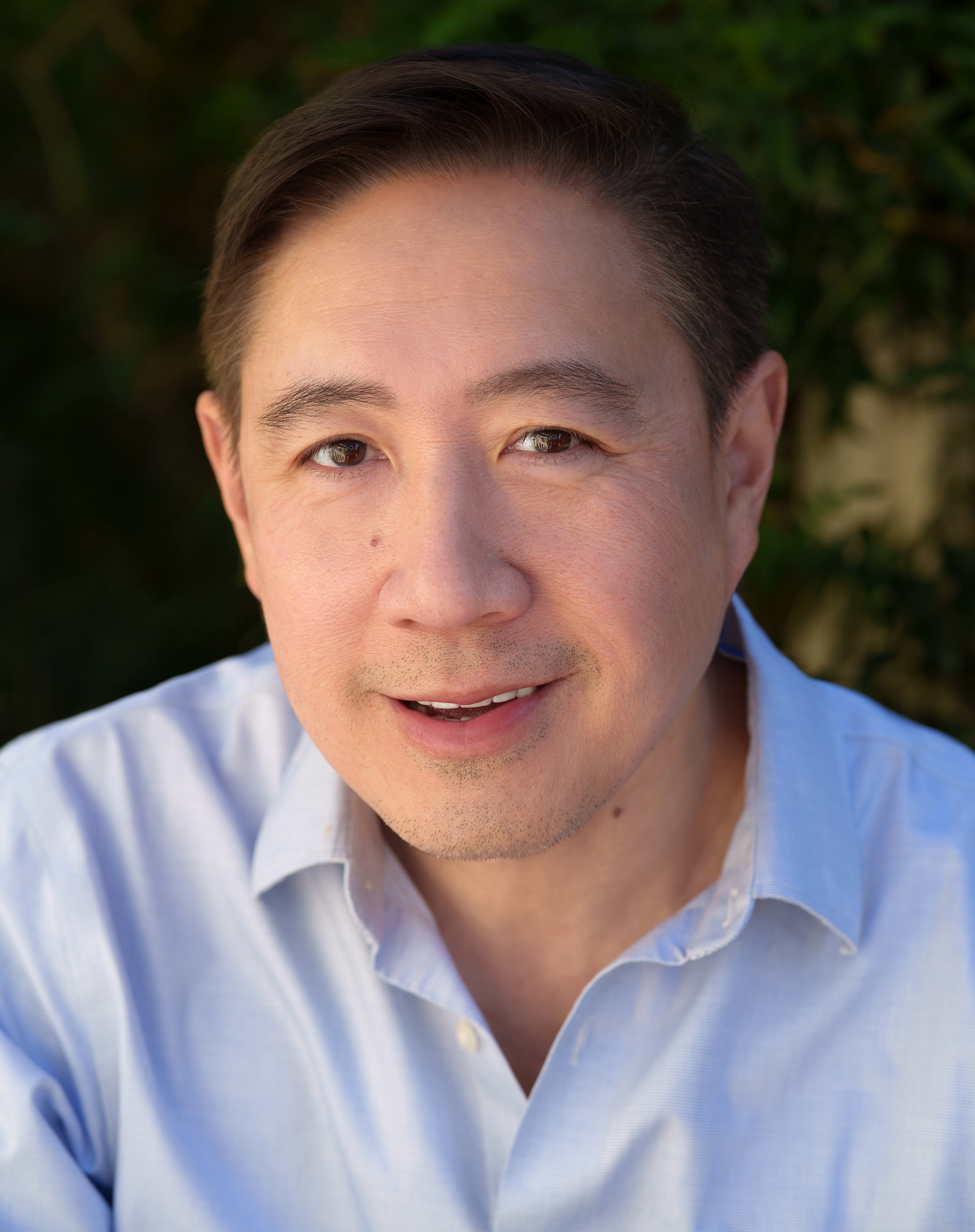
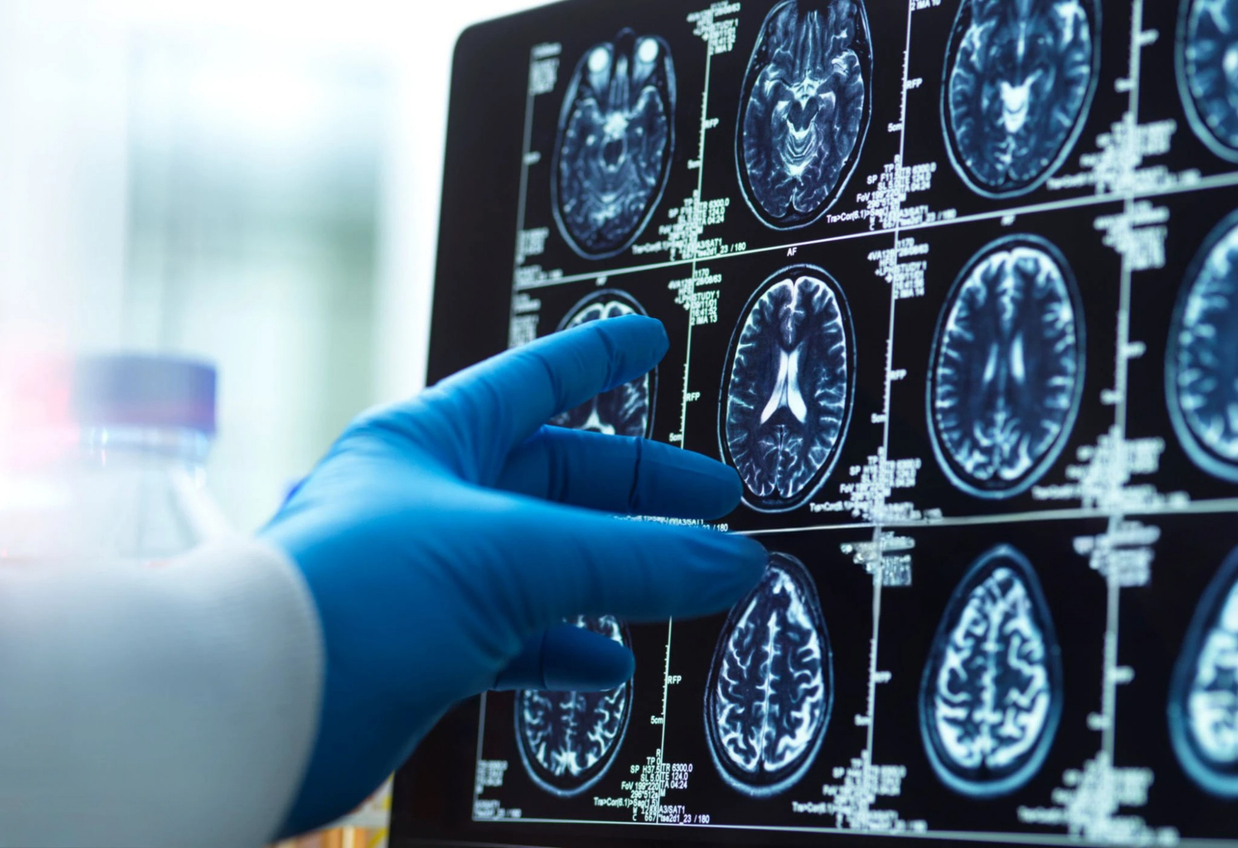
Today’s program is “Reducing Dementia Risk: What New Research Reveals.” And I am delighted to introduce today’s guest expert, who’s an old friend. Dr. Zaldy Tan is director of the Memory and Healthy Aging Program at Cedars Sinai Medical Center and Professor at the David Geffen School of Medicine at UCLA. He is currently leading a clinical and research program on Alzheimer’s risk reduction, which is called Memory and Healthy Aging Program. This is an ongoing longitudinal study looking at the effects of lifestyle intervention on structural MRI, blood-based biomarkers, and cognitive performance.
And finally, his newest book, which I have an advanced copy of and I love it, which is called What to Remember When You Are Forgetting will launch on September 15, but it is available now for preorder. And we’re going to put some information about that in the resource page at the end of the episode. Welcome, Dr. Tan.
DR. ZALDY TAN: Great to see you again, Nancy, and thank you so much for having me.
NANCY KEACH: Thank you so much for giving us the time. I’m going to start today with an apology of sorts. In describing this episode, we wrote, “research has shown that up to 45% of dementia cases may be preventable or delayed by addressing modifiable risk factors.” And we wrote that because this is a statement that our field is publicly promoting.
But some of our viewers bristled a little bit at this. Cathy wrote, “Are you implying that people, through their own fault, cause themselves to end up with Alzheimer’s?” And Maribeth wrote, “My husband has lived a life mostly following the FINGER and POINTER trial pillars, plant-based Mediterranean diet, daily exercise, managing cardiovascular risks, volunteering for social engagement, et cetera. But he has one APOE4 allele, and I’m a bit concerned that lifestyle shaming will now become a sentiment.”
And so, Dr. Tan, you and I discussed this a little bit in our premeeting because I agree with the viewers that this statistic is misleading to the public. So if you look at this slide, which is from the 2024 Lancet Commission Report, I don’t like to use a lot of slides, but I think this is important.
Dr. Tan, can you use this slide, which shows risk factors for dementia. Can you use this slide to explain this 45% statement?
DR. ZALDY TAN: Of course, Nancy. So you’re right, that, even in my own clinic here at Cedars-Sinai, there’s been some confusion of what all of these numbers mean, the total, the individual percentage. So the way I describe it is that the Lancet Commission is really just a series of expert reports that synthesize observational and clinical trial evidence on how much dementia risk is potentially preventable through the modifiable risk factors.
So this first report came out in 2017 for those who don’t know. And then they came up another report in 2020 and then 2024. They update this periodically because there is an accumulation of new evidence in observational studies and clinical trials that augment the knowledge we have about what modifiable risk factors there are for Alzheimer’s disease and dementia.
So one thing important, very important to mention in this figure that you’re showing is that the 45% total and then the individual percentages that’s tied to each risk factor is referring to what we call population attributable fractions, or PAF. So this is the methodology that they use, and essentially, the easiest way to understand this is that, for each number, it tells you that, if that factor was eliminated completely– let’s say hearing loss is 7%. If that magically went away today, how much or what proportion of dementia would be eliminated in the population? It doesn’t necessarily mean that the individual’s risk will reduce by 7%. But it means that over the course of the world population, if a risk factor is addressed adequately, by how much magnitude can the overall risk be reduced?
So in a sense, that question is very pertinent because it’s not saying that you individually are at fault for having a high LDL or not physically active. They’re just saying that, if you look at the population, if you eliminated this risk, how much will the overall population risk be reduced? But of course, individually that has implications because we’re all part of the population, but we’re also very different. So in a sense, you have to take this information with a grain of salt.
NANCY KEACH: Thank you, for sure. So the good news is that evidence shows that we can modify our risk, maybe not 45% unless we’re living in a perfect world and in a perfect state.
So before we dive into the actual interventions, the actual ways that we can reduce our risk, a lot of viewers asked whether these modifications could be impactful if you do them early, before the symptoms appear. Or will they still be impactful if you do them when or right after you’re diagnosed in the early stages of cognitive decline?
And finally, a lot of people also asked, is it too late if I’m 76 or I’m 80 and I have had this for a couple of years? So could you explain what is meant in the field by primary prevention, secondary prevention, and tertiary prevention. And when can you actually change your trajectory?
DR. ZALDY TAN: Great, question Nancy. So before I answer that, I think it’s important to know what we know about the risk of dementia in the overall population. From a recent study that was published in Nature Medicine last year, we know from looking at a large, large population, over 15,000 people, that the lifetime risk of developing dementia at age 55 is 42%. So in a sense that’s higher than other estimates that we’ve seen before. But it’s sobering, that the risk of dementia is quite high for a population standpoint. Of course, people who have APOE4, which is the genetic risk factor for Alzheimer’s disease, the risk is even higher. The lifetime estimate is anywhere from 45% to 60% risk of developing dementia. And of course, women and especially older women after the age of 75 is even higher. It’s up to 69%. So that’s a good way of framing what our risks are, and they are quite high, if you look at the data.
Now, in terms of prevention, as you mentioned, there are levels of prevention. Primary prevention is when you are doing an intervention to avoid the disease from ever happening. So in the case of Alzheimer’s disease, it’s really interventions that reduce the chance that you’re going to have amyloid and tau in your brain, so like lifestyle interventions, medical interventions that reduces your risk of getting amyloid in your brain, not just the symptom but even the amyloid in your brain.
And then secondary prevention is when you detect the pathology early. So blood-based biomarkers, amyloid PET scans, memory screenings will be in that category. And what you want to do there is to avoid or delay the cognitive impairment in people who have evidence of pathology, and this is by getting rid of amyloid or giving neuroprotective agents that make the brain more resistant to the bad effects of amyloid, so that secondary prevention.
And then tertiary prevention is really delaying the progression of dementia in people who already have mild cognitive impairment, for example. And this is through medications or lifestyle interventions. So to answer your question, even if you have established Alzheimer’s disease, especially in the MCI or early stage, there’s evidence that lifestyle interventions can really reduce the rate of functional and cognitive decline and improve the overall quality of life in people, even in the moderate stage of Alzheimer’s disease.
So that’s important to keep in mind. And therefore exercise, physical exercise, social activity, cognitive stimulations are all quite effective interventions that can slow down the rate of progression in addition to the medications, obviously, if you already have established Alzheimer’s disease.
NANCY KEACH: And you led me right into a couple of questions I was going to ask, but people are putting them in the chat now about nature versus nurture and the genetic factor here. And I’ll read it from the chat. Kumar wrote, “Unfortunately, some have well-controlled or an absence of the modifiable risk factors but have non-changeable family history of Alzheimer’s and get the disease. And I happen to be in such a family.” And Judy wrote, “Is an intervention still helpful for an APOE4-positive person?” And if you could just give a quick basic explanation of the genetic predisposition and then how modifiable is that through life or through medication.
DR. ZALDY TAN: What we know is that about 55% of the risk for Alzheimer’s disease is genetic, 45% is lifestyle or environmental. So in a sense, it’s not an exact 50/50 split, but it’s pretty close. And of the genetic risk, the one single gene that confers the highest risk is the APOE4. Having one or two copies of APOE4 does increase your risk of developing dementia, specifically Alzheimer’s disease.
But again, APOE4 is not deterministic. Alzheimer’s disease and most dementias are not monogenetic, meaning it’s a polygenic risk. It’s not just one gene that determines whether you’re going to get it or not. And that’s fortunate because that means that APOE4 is a risk, just like high cholesterol is a risk factor for heart disease but it doesn’t mean that you’re going to get a heart attack. And that’s where lifestyle interventions come in.
And so for people who have one or two copies of APOE4, they should be assured that the large, randomized controlled trial, like the FINGER trial, for example, which you’ve heard about, showed that lifestyle interventions, cognitive training, physical exercise, healthy nutrition, social activity, controlling vascular risk factors, benefit even those who are APOE4 positive. And in fact, there’s also a study from the UK Biobank that showed that lifestyle interventions do modify the effect of genetics in your overall risk.
So in fact, the UK Biobank, for example, a study showed that if you have high genetic risk and unfavorable lifestyle, you have triple the risk if compared to individuals who have favorable lifestyles. So definitely, lifestyle has something to do with your overall risk. And don’t be discouraged just because you have APOE4. The lifestyle interventions are still very important.
NANCY KEACH: And that’s positive too. And I always think back to when we were filming at Eli Lilly, when they were doing the solanezumab trials many years ago, somebody who worked at Eli Lilly was diagnosed as being APOE4-positive. And I remember we were all saying, oh, can we film you? And he said, being APOE4-positive is not the end of life. And 10 years later, he’s having a ball, retired, and traveling the world. And so it’s also encouraging to understand that it may increase your risk, but it doesn’t guarantee in any way, shape, or form, that you’re going to get this condition. And also, it’s encouraging, of course, to know that the lifestyle interventions are just as important if you have a genetic predisposition.
I did want to ask from Linda in Yardley, Pennsylvania, “What are the most important things for APOE4 carriers to do to prevent Alzheimer’s?” So we had a lot of questions like that.
DR. ZALDY TAN: Yeah. So I would say that midlife is really a window of vulnerability for all of these things. So first, I want to mention that midlife is that window of vulnerability. This is when our LDL start to rise, our blood pressure start to rise. We become, perhaps, less active, because of how busy our lifestyle is, and we gain some weight. And so this is really that window of vulnerability that we really need to concentrate on.
But in terms of what the most important things to remember, you can divide it into lifestyle and cardiometabolic factors. Cardiometabolic factors, I remember it by the acronym BOLD. B is blood pressure. So midlife elevated blood pressure is an established risk factor for developing dementia. And I can talk more about that. O is obesity. So if you gain weight, especially if you have a lot of visceral fat, or your waist circumference and your waist to hip ratio start to rise, that is a risk factor. L is LDL. LDL cholesterol is a risk factor for heart disease. An elevated LDL is associated with higher risk of developing dementia. And then D is diabetes. Diabetes, especially uncontrolled diabetes, is associated. So that’s the cardiometabolic factors.
And then the lifestyle factors, it’s physical inactivity. Physical inactivity is prevalent. And that is a shame, because exercise has been shown to be one of the most effective lifestyle factors that we could do to reduce our overall risk of developing dementia. Multiple systematic reviews, meta-analysis have shown this, but also randomized controlled trial, like the US POINTER study, the FINGER trial. And a lot of people ask me, for example, Nancy, so how much exercise? So the quantification of that exercise, it’s difficult, because the studies don’t have all the same interventions. But a lot of people use step count. There is a JAMA Neurology study that came out a few years ago that showed that there is benefit for up to 10,000 steps per day, but even 4,000 steps per day have meaningful reduction in their risk of dementia.
So I would say, just stay physically active as much as you can, depending on your lifestyle and/or situation. More is typically better, up to a certain point, in this case, 10,000 steps. And those are the things that I would recommend.
NANCY KEACH: Yeah, I’ve always been told that it’s not how hard you’re exercising or killing yourself, but even 45-minute brisk walks a few times a week. Is that correct? I had a question from Susan in New Milford, New Jersey, “Are there studies on the ideal type and amount of exercises to improve brain health?” Everyone wants to know.
DR. ZALDY TAN: Yeah, I always tell my patients that exercise is not just aerobic. We think of exercise as running on the treadmill or elliptical, but really, exercise is aerobic. That’s important because it increases cerebral blood flow. There’s evidence that aerobic exercise can reduce neuroinflammation, enhance neuroplasticity, and then increases what we call BDNF, or Brain-Derived Neurotrophic Factor, which is important for neuroprotection.
But it is also balance, because you don’t want to fall. And head trauma is one of the worst things you can do for your brain. A brain does not want to be shaken around. But it’s also resistance. There is almost as strong evidence that resistance exercises are beneficial to the brain as is aerobic exercises.
And lastly is flexibility. Flexibility is another exercise. I always tell some patients who wants to start a physical activity program, make sure you hit all four of these. Doesn’t have to be the same day, but these are all important, because this will guarantee that you will be able to sustain this physical activity over many years, because it’s really not just the intensity, but it’s also the consistency of the exercise.
NANCY KEACH: I want to ask this. Mona wrote, “What if you exercised daily, at least an hour walking every day, and still were diagnosed with MCI. What should I do?” If you’re diagnosed, and I think you already answered this, but do we keep going? Is there still benefit?
DR. ZALDY TAN: Yeah, for sure. As I mentioned, even people in the moderate stage, physical activity, cognitive stimulation still confers benefit. But if you mentioned MCI, MCI is an interesting stage. Mild cognitive impairment, for those who don’t know, is a state wherein you have subjective memory change. And then when the physician or the clinician measures your memory and cognition, there is an objective sign of a decline relative to your age in education.
MCI is an interesting phase, because it is a point of transition from normal cognition to early dementia. Not all people with MCI will progress to dementia, and that’s been shown in multiple studies, for whatever reason. Perhaps, some people have more of a brain buffer or more resilience, but they don’t all progress dementia. And that is a period of time, where lifestyle interventions really matter. Of course, it matters at any age, but it’s even more impactful than MCI stage.
NANCY KEACH: I’m going to spend a little more time on this in particular, because I asked you beforehand, people ask, what are the two most important things? And you said blood pressure and exercise are the two most important things that have the most evidence behind them, to show that they help with Alzheimer’s. And we have a question from YouTube, “How does AFib and heart disease play into getting Alzheimer’s?”
DR. ZALDY TAN: This heart-brain connection has been around for a long time. I did almost 10 years of research at the Framingham Heart Study. The Framingham Heart Study is one of the oldest population-based studies that started in 1948. And there are now three generations of participants. There is definitely a connection between the heart and the brain, because it has been shown in multiple studies that people who have coronary artery disease are at higher risk of developing dementia. Atrial fibrillation has also been associated with risk for dementia, but we’re not sure if this is because of the risk of stroke. People who have atrial fibrillation, who are not adequately treated with anticoagulants can have an increased risk of stroke and potentially, vascular dementia.
So there is definitely a heart-brain connection. So that’s why you’re going to see a trend here that most of the lifestyle interventions that we mentioned, whether it be exercise, LDL, blood pressure, it’s good for the heart as well it’s good for the brain. So in a sense, you are getting a double benefit for your efforts.
NANCY KEACH: And full confession, that question came from my husband on YouTube. So this is personal for us. We have a lot more questions about this, but I’m going to jump to diet, because there were so many questions about diet. And then I’m going to go to nutrients and supplements. But let me just ask a couple of questions that came in over the last week. Archie from Savannah, Georgia– “I love coffee and diet soda.” So do I. “I understand, moderation is important. How much moderation?” And I’m going to add John from The Villages in Florida– “Will drinking one glass of red wine daily help reduce the chances of getting dementia.” Don is also from The Villages– “How big of a role does diet and white sugar play in dementia.” And finally, Larry from Harper’s Ferry, West Virginia– “Does the MIND diet help in delaying decline after you have been diagnosed.”
DR. ZALDY TAN: I’ll frame my answer by first clarifying the difference between observational and interventional studies. Observational studies are when you look at a large population, like Framingham, or like Rotterdam, or the Rush dementia cohort. So these are large populations that are followed over years, sometimes, decades, and sometimes multiple generations, like Framingham. And they’re looking for patterns. So they ask questions like, oh, so what’s your diet like? How much coffee do you consume in a typical day? How much sugar? How much diet soda? How much exercise do you get? How much sleep do you get?
And these population-based studies are looking at association, not causation. We always say, association is not causation. So when they look at associations, they have found these factors that we just talked about– physical activity, even coffee intake, use of sedative hypnotics, there is an association, but we don’t know what the exact association is. But that’s important to clarify, because a lot of these things that you just mentioned, Nancy– soda, coffee, and all of these, dietary sugar, these are associations, not causation.
So there are lifestyle characteristics that are associated with higher risk. And there are lifestyle habits that are associated with lower risk. Obviously, if you want to reduce your risk of developing Alzheimer’s disease, you’re better off taking on the lifestyle that has been factors that are associated with lower risk. But don’t feel that just because I’m going to cut out sugar in my life, I’m not diabetic. Diabetes, for sure, is associated. But if you’re not diabetic, and let’s say, I’m going to cut out sugar, it doesn’t mean that you’re going to then suddenly reduce your risk of dementia by 7%.
It’s more nuanced than that, because these are associations. And not everyone is equally vulnerable to coffee or sugar, for example, or soda. So you have to look at it individually and look at the overall picture. Even the MIND diet, which is the Mediterranean DASH diet that has been the most studied– and there’s actually a MIND diet score that you can compute what your MIND diet score is. And for a lot of the studies, 9.5 is the cutoff. You want to be higher than 9.5.
And it’s not just one thing, though. Let’s say, your guilty pleasure is dessert. And then you won’t get too much points in that. You might have a reduction in point. But if you do everything else well, you can still have an overall great diet, even if you have certain things that you don’t follow regularly.
NANCY KEACH: And that is always interesting to me, because people with dementia often crave sweets. And so there’s a conflict there. I’m going to come back to diet. But Dana asked– “What are your thoughts about the promising use of 40 Hertz light and sound therapy.” And in parentheses she wrote, “the Cognito study.” And I’m going to bring it up, because we actually did do a whole episode quite a while ago with Cognito, about their device, which is called Spectris. And I, in particular, will bring it up, because that study of the Spectris device, which was called the HOPE study, is supposed to read out this month, the data from that study, to show how effective it was. So we should know a lot more. And we will probably do a program about the results in September or October if indeed, the data are released this month.
So what are your thoughts, Dr. Tan, about the use of 40 Hertz light and sound therapy? And maybe you can talk a little bit about how that works.
DR. ZALDY TAN: So it’s really intriguing. So the neurons are sensitive to certain wavelengths of light. That’s what the research shows in the animal studies. And certain wavelengths of light can promote neural growth and promote brain health.
Now, the question is, will having these light exposure really lead to the outcome that we are all interested in, which is improving your mental health, your brain health, and reducing the risk of dementia? The challenge with these studies is that– and not just this study, is that long-term results are challenging. And this is true for creatine. This is true for all these supplements that people are interested in. Most of the studies are small. That’s why you need to wait for the readout of the larger and well-done studies, because that is what’s going to guide you as to whether you want to do this or not.
And a lot of these studies also look at memory and cognitive outcomes, not so much whether you have dementia or not. So if I ask you to memorize or do something, and then it improves your memory by x percent, it doesn’t mean that 20 years from now, you’re not going to develop dementia. Those may be slightly different. So I’m certainly not an expert in light therapy, but I’m excited about this study and also looking forward to hearing about the results.
NANCY KEACH: So stay tuned, everyone, because we will report out on that. Because the HOPE study, if I remember correctly, has about 1,000 participants and is one of the few fully powered, what we would call phase III studies.
So I’m going to jump back to diet, because there were two other questions that I had included here. One was from Ramona in Shawnee, Kansas– “Does a Keto diet really help prevent Alzheimer’s?” And then more generally, processed foods and chemicals? Somebody asked specifically about deli meat and hot dogs, even if they’re without nitrates. And I know you’ve answered this generally, but I think so many people ask about specific diets, Keto diet, deli meats. How do you address this with your clientele?
DR. ZALDY TAN: Yeah. So for sure, my patients in the Memory and Healthy Aging program go over their diet with me and saying, should I go on a Keto diet? Should I do fasting diet? Should I do other diets that have been shown to be potentially beneficial for the brain? The challenge with the diet question is, think about it from a research standpoint. So if you were to do a research study on diet, how would you do it? A lot of them are related to food frequency questionnaires. They ask people– how much meat do you consume? How much sugars do you consume in a typical day? So these food frequency questionnaires are great instruments, but they’re also vulnerable to recall bias.
So if I feel that my memory is not doing well, I might say, oh, yeah, I don’t eat enough fish, I eat a lot of sugar and all that stuff, because it’s based on recall, not so much factual information. So that’s a well-known fact in research. That’s why you have to always be careful when you read in, as a headline, certain diets reduce the risk of dementia by x percent, because typically, that’s how these things are done.
A lot of the diet studies, including the MIND diet, the results are mixed. And this is because these are not acute effects, these are effects that accumulate over years, and years, and years. The population-based studies follow people over decades. And they found that certain things like intake of fatty fishes, for example, intake of olive oil is beneficial for your brain. These are associations, but they are associations that have been observed over many years.
Now, Keto diet and other diets, we don’t have that level of result to say, one diet is better than another. But if you follow the general principles of the Mediterranean diet, which, as I mentioned, is great for the heart, it’s been shown to be good for heart health, that would be what I would recommend rather than going on these what we call fad diets that claim to be better than the tried and true Mediterranean diet.
NANCY KEACH: We have a ton more questions about diet, but I am going to move on. And we’ll come back to them if we have time, because there were probably even more questions about various types of supplements and vitamins. I’ll read off a few of them and then let you comment. I have strong feelings about this. But Joanne from Greenwood, South Carolina wrote, “Can ongoing use of supplements for brain focus, memory, and reaction time affect us as we age?” John from Chattanooga, Tennessee wrote, “How effective are the naturopathic supplements promoted by Bill Gates and others of his nature.” And I’m going to jump in and say, that is a false report, John. Bill Gates is not promoting any naturopathic supplements. These are, from what I can gather, AI fakes and things.
Richard from Belleville, Illinois– “What about the honey theory put forth by celebrities?” This must be a new thing, because I got so many questions about honey all of a sudden. And then something that maybe is a little more interesting for you to respond to, Barbara from Virginia Beach, Virginia– “Will taking creatine help.” So there, I’m throwing a lot at you.
DR. ZALDY TAN: Yeah, I know. I won’t be able to answer all of them, but I agree with all that you said about, some of these things are influencer, AI-generated, so don’t believe that hype. But creatine is interesting. In fact, you told me that that’s one of the common questions that were asked by the audience.
So I did a little experiment. I went to ChatGPT. And I asked, is creatine good for your brain? Is it healthy? And of course, it said yes. There’s evidence that creatine is good for your brain. And the good thing about ChatGPT is that they do reference where it came from, this conclusion that the AI generated. And I look at the primary study, this was a nutrition review article in August 2022. It’s a systematic review and meta-analysis, looking at the effects of creatine supplementation in healthy adults.
So what they found was that overall, creatine supplementation improve memory measures compared to placebo. It doesn’t say that creatine reduces your risk of dementia. Those studies have not been done. These studies are typically done very short. Duration is about five days, seven days. And they test your memory before and after the creatine. For example, the sample size is very small. In this review, it’s only 67 participants, it’s the largest, and the longest, 24 weeks.
And then the daily dose of creatine, for it to reach the brain, is 20 grams, in seven studies. The typical recommended dose for creatine is three to five grams per day. It’s not going to cross your blood-brain barrier. It’s not going to affect your brain. For it to reach the blood-brain barrier, 20 grams or so per brain. And that safety for creatine is not established at that high dose. And again, no trial for dementia prevention.
That’s why I caution people, when you read the headline, or even if you go to ChatGPT or some AI, saying, is creatine good for my brain? Or you Google search it, and then said, yes, based on– it’s just drawing from a small study or studies that are not well done. And again, creatinine, in high doses, can cause nausea. It can cause edema. At small doses, it’s pretty safe, but high doses, we don’t know.
And that’s true for all of the other things that you mentioned, all of the other supplements that are out there, you have to be critical of where the evidence came from. And don’t take it on face value. And also, look at the primary studies if you can, or if you have a hard time reading scientific literature, ask your doctor about it, your primary care doctor or your memory specialist.
NANCY KEACH: I want to just hammer on this for a second, because I get very upset about all the TV commercials for all these supposed supplements that are going to help your brain and your memory, when there is not any scientific evidence that they do so. And I feel it’s stealing money from people to be selling all of these things. So let me ask you this way– supplements, vitamins, honey, any of these, is there anything that you do recommend that there is evidence to show that it helps your cognition?
DR. ZALDY TAN: So one of the labs that we check on people who have memory complaint is vitamin B12, and in some cases, folic acid. So there are vitamin deficiencies that can cause or contribute to the memory change, and vitamin B12 is one of the primary ones. Vitamin B12 is important for the brain function and also for brain health.
So in fact, in people who have alcoholic use disorder, they could have very low B12, folate, thiamine. And this can cause an irreversible memory loss in people who are alcoholics. So for sure, vitamin B12 deficiency should be checked and also should be treated through a B-complex vitamin.
This is especially true for vegetarians, because vegetarians tend to have vitamin B12 deficiency. There’s also people who are taking metformin. People who are taking metformin can have B12 deficiency. So these are important as this is an important vitamin to check. And if it’s low, then it should be supplemented.
And also, it should be rechecked, because some people have problems absorbing B12, not that they don’t take enough B12 in their diets, but their gut doesn’t absorb B12, so these people may need to get an intramuscular injection of B12. But most people can do well with just a B-complex vitamins.
So that’s one thing I do check and I do recommend. And of course, for people who have alcohol use disorder or other issues, then multivitamin is important as well because your overall nutrition is important.
NANCY KEACH: And I know we had Laura Baker on, who said that in her study, Centrum Silver showed a modest positive effect, very modest, but it was a positive effect, more so than the cocoa that they were hoping would have a positive effect. That showed no positive effect at all, but Centrum Silver had a slight positive effect. So we’ll throw that in there. And I’m quickly going to ask about vitamin E and algae DHA, because there’s been a lot talk about that being helpful. Is there evidence behind either of those?
DR. ZALDY TAN: There is evidence, but is it consistent and strong evidence? Not so much. So vitamin E is an antioxidant. It’s been shown in several studies, especially high-dose vitamin E, to reduce the risk of dementia. Some studies even show slower rate of progression of people with dementia. And the same thing goes with DHA, fish oils, et cetera. But the results are not consistent, meaning, there are studies that are positive, there are studies that are negative. And of course, the methodology for each studies are slightly different, so it’s hard to say, only one conclusive study has proven or disproven the effect of this.
Remember that these supplements, especially in high dose like vitamin E, can have harmful effects as well. It can increase your risk for bleeding, as an example, especially if you’re having surgery. So you have to always keep that in mind. First, do no harm. Again, creatine at three to five is probably safe for most people, but then it’s probably not effective if you’re doing it for brain health. But vitamin E in high doses may help certain people, but then there may be potential risks as well.
NANCY KEACH: We have so many really great questions coming in. And I apologize in advance if I’m not going to get to your question. But I want to make sure we cover a few more things– one is sleep, one is depression and isolation, and one is trials that people could participate in if they’re interested. So let’s get through those, and then I may try to get to some of the other questions. But Harvey from Brooklyn wrote, “I know how important sleep is. Unfortunately, I am having a prolonged bout of insomnia. Knowing how important sleep is for my mild cognitive disorder caused by Alzheimer’s, I am frantic to get to sleep, and to sleep seven to eight hours, with a good REM score and a good deep sleep score, as well as seven to eight hours sleep. Any suggestions?”
DR. ZALDY TAN: Sleep is very interesting, because the association between sleep and Alzheimer’s and other dementias is a more recent thing– blood pressure, LDL, exercise, they’ve been around for a long time. Sleep is more recent. And therefore, that means that the literature and the evidence linking sleep with dementia is not as robust as the other factors. In fact, that’s one of the reasons why sleep was not included in The Lancet Commission, even the recent World Health Organization guidelines for dementia risk reduction, because the evidence is still accumulating.
But if you look at biological plausibility, it’s really compelling, because we know from basic science that during sleep, the glymphatic system is the system of waste drainage in the brain. And amyloid, specifically in animal studies, seem to show that during sleep is when you drain or you get rid of the amyloid that is accumulated over the course of the day or the week, et cetera. So if you have fragmented sleep, or if you have too little or poor-quality sleep, that is a potential risk factor for developing dementia because of the amyloid accumulation that theoretically can happen. Of course, studies need to be done further, but it’s very interesting and compelling.
But what we do know about sleep is that sleep deprivation is bad for you, and fragmented sleep is bad for you, because there are processes called memory consolidation that happens during deep sleep that does happen. And they’ve done experiments, even in young people. When they do sleep deprivation, they find that they’re not able to remember anything. They look like people with Alzheimer’s. But we know that sleep has an important role to play in that.
But going back to the viewer’s question, I wouldn’t obsess on it. There are people who do survive in four or five hours of sleep, and they seem to be just fine. There are some genetic components to this, about the amount of sleep you get. But if you find yourself dozing off whenever you watch a movie or even in the car, God forbid, these are real reasons to see a sleep specialist, because you may need to get a sleep study. It’s possible that you’re having sleep apnea or need improvement in your sleep hygiene in order to optimize your sleep. So sleep is really an important factor, but we have to wait for more evidence to see, how much sleep do we need? And what are the factors that determine this association?
NANCY KEACH: Thank you so much. I’m going to go to social interaction and behavioral symptoms. So Deborah from Princeton, New Jersey asks, “If an individual has already experienced decades of chronic insomnia, social isolation, feelings of loneliness, anxiety and depression, an antidepressant, and sleep medications, is it still possible to reverse the harmful impact of these contributors to prevent Alzheimer’s and dementia?”
I think that’s a very specific and deep question. But we know that social interaction is important not to isolate, to try to combat loneliness, but what about people who have chronic depression, anxiety, which makes you isolate more? What can people in this situation do?
DR. ZALDY TAN: Yeah, with mental health issues like anxiety, depression, and then of course, social isolation accompanies that– it’s like the chicken or the egg, so the cause and effect thing. Do you become depressed and anxious because you’re socially isolated? Or do you become socially isolated because you have baseline anxiety and depression?
Typically, it’s hard to tease out what is the cause and what is the effect, but what we do know is that people who have more social engagement have been shown to have lower risk of developing Alzheimer’s and other forms of dementia. Why that is is unknown. The mechanism is not known. But of course, you know that when you meet someone new in a party or in a barbecue, and you ask them their name, and you ask them what they do and what their hobbies are, you build new brain cells. So that is so important to learn something new every day.
And for people who are not so social, you don’t have to be a social butterfly and go to every networking event or every party. But as long as you have good conversations and very close relationships with even a handful of people, it’s not so much the quantity but really the quality of friendships and social connections.
And again, social networking and social connection have been shown to be related to the risk of dementia. Whether it’s a true association or whether it’s just an artifact, it’s not known, but we do know that social isolation can lead to depression, and depression is associated with higher risk. And to answer the question, it’s never too late. Again, we’re not saying that have to be the social butterfly, but at least, make an effort to have more social connections in your life, and that potentially could reduce your risk of developing dementia later on.
NANCY KEACH: I’m going to combine two questions here. And I wanted to ask, are there any currently running or soon to be running clinical trials that people who are interested in the evidence of prevention can participate in? But I’m going to combine that question with the question about the currently approved medications, which are Leqembi and Kisunla, the monoclonal antibodies.
So those drugs are probably, I guess, soon to be tested if you take them before the onset of noticeable symptoms, if you have certain biomarkers. So this is one category. Can you use these medications? Or will there be trials soon with these medications in people who are presympomatic? But also, are there trials that are running that people can participate in on lifestyle modifications, and in particular, those for people who are APOE4-positive? Sorry, that’s three questions combined into one.
DR. ZALDY TAN: Yeah. I know. I always say that the safe answer is, go to the BrightFocus Foundation website, because you guys have such a great compilation of ongoing studies that people might be interested in. But also, you can also go to clinicaltrials.gov. It’s not as user-friendly as BrightFocus, but you do have a compendium of ongoing studies that are recruiting and those that are upcoming.
So there are a lot of studies that are ongoing, but the larger ones, as you alluded to, are the pharmacologic prevention trials. So there are at least three large, multicenter, randomized-controlled trials, using monoclonal antibodies to prevent the onset of dementia.
Your viewers are pretty sophisticated, so most of them know that we know from large studies that amyloid needs to be sitting in your brain for 10 or 20 years before the start of the first memory symptom. So that’s a huge window that one could intervene on. And that’s what the clinical trials and the researchers are taking advantage of.
So people who are biomarker-positive, that means they have evidence of amyloid in their brain, accumulating amyloid in their brain, either through a PET scan or a blood-based biomarker, but don’t yet have any cognitive complaints. And cognitively, they’re intact because they do the testing and they do not have any cognitive or memory issues. So these are called preclinical people.
So that is the focus right now of the prevention trials. And there is at least three trials– one is the TRAILBLAZER-ALZ 3, which is using donanemab, which is FDA-approved for MCI and mild Alzheimer’s disease.
NANCY KEACH: That brand name there is Kisunla. People will be familiar with that.
DR. ZALDY TAN: That’s the brand name is Kisunla. And then the other study is called the AHEAD 3-45 study. And that’s using lecanemab, also called Leqembi is the FDA-approved version. And the last one is PrevenTRON which is trontinemab, that’s a phase III trial. Trontinemab is not yet FDA-approved, but it’s being used to test whether trontinemab can reduce the risk of progression to symptomatic Alzheimer’s disease.
And these three studies are ongoing. But the good thing is that the TRAILBLAZER, the one that’s using Kisunla, the expected readout is next year. So that’s going to be very exciting to see what that shows, whether treating amyloid positivity early can prevent people from getting Alzheimer’s disease.
And AHEAD 3-45, using Leqembi, the expected readout is 2028. So really, in the next two years, we’re going to find out a lot about whether these medications can be used preemptively to reduce our risk of developing Alzheimer’s disease when we’re already biomarker-positive.
NANCY KEACH: Thank you. And next week, next Thursday, we’re actually doing an hour-long program about trontinemab. And so two of their trials, TRONTIER 1 and TRONTIER 2 just ended recruitment. They recruited and filled their studies up faster than they thought they would, which is fantastic. But later this year, probably towards the end of the year, their trial, which Dr. Tan mentioned, PrevenTRON will start. So we’re going to talk a lot about that drug, how it works, and what the trials are that you can participate in. And people are asking for links to these trials. I will try next week to put up some information about any trials that are actively recruiting right now, that you can participate in, that are across the country, because sometimes, they’re just localized.
But these that Dr. Tan mentioned usually have a lot of sites across the country. And we always encourage people to participate in these studies, because without participants and people participating in these studies, we don’t make forward progress. And it is such an exciting time as somebody, actually, is just writing in, when is Eli Lilly’s Kisunla expected to be released for public use? That is available for public use if you are at a particular stage, an early stage.
What we’re talking about here is using it before you are diagnosed with actual cognitive symptoms. So this is going to be a very interesting area over the next year or two. And there are a lot of ethical considerations there as well, because as many of you probably know, you can have amyloid in your brain and not get Alzheimer’s over time. So we’re actually considering having an ethicist come on to talk about these questions in general, about using therapeutics before you’re actually symptomatic. So this is a really interesting area, going forward.
Well, let me ask this question, because there are a lot of questions about it. Someone from The Villages had written in about, what are the best brain games? But I see one now, a YouTube question from Harlan– “Does doing hands-on creative activities, like painting, knitting, ceramic-making help to reduce plaque accumulation?” And I just was looking at, Facebook or Instagram, and saw a little video that was supposedly neurons being created and connecting when you’re learning something new. And I just started taking piano lessons, lessons at the ripe old age of 65 with this in mind. So can you talk about brain games, learning new things, creative activities about what the evidence shows here?
DR. ZALDY TAN: So plenty of evidence in population-based studies that recreational activities are associated with lower risk of dementia. In fact, in our prevention clinic, we ask specifically, how much time you spend in leisure activities? We have a validated scale called Class Cognitive Leisure Activity that we measure. And that’s important because there is an association.
Again, we don’t know about causation. The question about whether ceramic-making associated with lower amyloid, I don’t think that study has been done yet, but it’s certainly an interesting question to answer. But what we know also is that activities that combine as much physical and social interaction are most effective.
So in one study, for example, showed that dancing is one of the best things you can do for overall brain health in terms of leisure activities, because dancing is social as well as physical, isn’t it? It also is cognitive because you have to remember the steps. And then of course, you have to talk to your partner and also be physically active. So yes. So I think that’s one nice lesson to walk away from this study.
NANCY KEACH: I like that a lot. We have very little time left. These episodes go so quickly. And Dr. Tan, you are such a treasure. Thank you for doing this.
So I have my own question here. And that is, do you see AI playing a major role in lifestyle modification in the future? For example, Waze helps us find, through algorithms, the quickest route from A to B, that uses the least gas or whatever. And we know, from POINTER and FINGER studies, that coaching and group coaching for lifestyle modifications is extremely effective if somebody is checking in on you and you’re part of a group that’s doing something. So can you envision a day in the not too distant future, where AI could serve as your daily coach or your Waze during the day, giving us recommendations on our behaviors, our exercise, our dancing? Could you see that happening?
DR. ZALDY TAN: I can see it. And certainly, the possibilities of AI is endless– in medicine, in social, in all of our day to day lives. But pertaining to this, since we talked about social isolation as well, can you imagine a day where the AI could know you in terms of your favorite music, your best friend, your favorite activity, and then basically be your social manager? We’ll put a schedule up for you of what you’re going to be doing. And then we’ll send a message to your best friend, saying, can we schedule a time to talk or have coffee and stuff like that? With your approval, obviously.
But the initiation part, I think, is most challenging for people. It’s like it’s so much work to organize everything. But if you have AI doing that, and it knows you, so it can– and in fact, there are technologies that are being developed now that allows older people, especially those with social isolation, to talk to AI as if it’s their friend, like a human-like interaction.
Again, the studies need to be done, whether that’s really beneficial, as beneficial as meeting your friend for coffee. But that could be a very interesting future, wherein if you are socially isolated and you don’t have many friends, you can talk to people in the AI and maybe get the same beneficial effect as talking to a real person.
NANCY KEACH: And I had a question in the chat from Bruce, who I’m actually looking at on my screen. “Does the interaction have to be in person or can it be virtual?” And I’m going to say, it can be virtual just like this and these programs, which is why I think, we have such a great turnout for them. But let me let you comment on that, Dr. Tan.
DR. ZALDY TAN: Yeah, I agree with you, Nancy, that any interaction is better than no interaction. But if you have a choice between in-person and in virtual, I will still choose in-person, because there are other cognitive benefits.
So if I’m going to meet my friend for a coffee this afternoon, I would have to get dressed. I have to decide what I’m going to wear. I’m going to have to either drive, or take the bus, or take the subway to where I’m going. And then I’ll have to order. And of course, hopefully, I walk and exercise as well, increase my steps.
So those are things that are other benefits of socialization. And you may be able to sleep better because you went out and you got some sun. So there’s definitely benefits to it. But if you can’t, because physically it’s impossible, then a social interaction, like what we describe, is definitely a good alternative.
NANCY KEACH: Yeah. Ann just wrote, “My sister is disabled and lives alone. She has found AI to be a friend she can talk to. And it’s been very beneficial.” So that’s a positive note.
Unfortunately, we’re out of time. Thank you, Dr. Tan. I know you have been personally affected by dementia and have dementia in your family, so many of the professionals in our field do. Thank you so much for devoting your life to these studies, and for seeing patients, and for taking the time to be with us today. I just can’t tell you how much we appreciate that.
DR. ZALDY TAN: Thank you for bringing us all together, Nancy, and for all the good work you do in spreading the word of the studies and all the things we can do to make this a better world for all of us who are affected by this terrible, terrible disease.
NANCY KEACH: Yeah. And you’re going to have to come back. Sorry. We didn’t get to at least 50% of the questions, so please come back. We have a lot of free resources available to everyone, like this infographic that shows all of the FDA-approved drugs for Alzheimer’s, a lot of pamphlets that are available for free that are shown here on the screen, or just write to us at reply@brightfocus.org.
Dr. Tan’s book, which I mentioned, is being released on September 15, What to Remember When You Are Forgetting. You can preorder that book.
We are taking this program now and also deploying it as a podcast. So every two weeks, we take an episode, and we put it into a podcast form. So if that’s easier for you, please look up, Let’s Talk Alzheimer’s wherever you look at podcasts. And go like and subscribe to Let’s Talk Alzheimer’s. That would be awesome.
If this program would be helpful to any of your friends, and I’m sure, it would, please recommend it to them. Share the link, brightfocus.org/ZoomIn. We’ve now done 46 episodes. So if the topic you had a question about was not covered today, please know that you can go to brightfocus.org/ZoomIn and see all 45 of the previous episodes for free.
You can see them on our website. You can see them on our YouTube channel. We’ve covered a lot of topics, but still a lot more to go. And today made me think, Dr. Tan, that we should do something specifically on AI, the positive possibilities for AI.
DR. ZALDY TAN: That’ll be so interesting.
NANCY KEACH: Our upcoming Zoom next week, “Trontinemab: A New Brain Penetrant Alzheimer’s Therapy” with Gil Rabinovici. It’s going to be a fantastic episode, so please join us if you can.
Thank you, all, so much for participating. I always say this, but I do make it so that I can see all of you on screen. And I just want to thank you again for participating. And I hope this is really helpful. We want you to know you’re not alone, far from alone. And we’re here for you. If there’s any questions that we can answer at BrightFocus, please email us. And I’m going to end today, as I end every episode, by reminding everybody that life is very, very short, and tell everybody that you love, how much you love them, hug them, touch them, keep them close to you. And thanks again to everybody who joined us. I look forward to seeing you again soon. And until then, be well.
Thank you again, Dr. Tan. We’ll see you again soon. Thank you. Appreciate you. Bye, everybody.
Resources: