Key Takeaways
- Leqembi and Kisunla are the first FDA-approved drugs to directly target the underlying cause of Alzheimer’s disease-and more treatments like them are in the pipeline.
- Pill-based therapies for Alzheimer’s are on the horizon.
- Research continues into non-pharmacological treatments for Alzheimer’s, including non-invasive therapies like brain stimulation and focused ultrasound.
- Research shows that certain lifestyle habits can help reduce your risk of developing Alzheimer’s.
In just two years since our last forecast in 2024, the treatment landscape for Alzheimer’s treatments has continued to expand. Nearly 200 clinical trials are currently underway assessing more than 150 novel drugs, and those treatments in the pipeline reflect a broader and more diverse range of targets and approaches, with drugs aimed at more than just directly targeting amyloid.
Approved by the U.S. Food and Drug Administration in 2023 and 2024, respectively, Leqembi (lecanemab) and Kisunla (donanemab), are now being administered to thousands of people across the United States, and researchers are continuing to refine how these two drugs are given and in what dosages.
Meanwhile, researchers are studying the next generation of amyloid-clearing therapies while other studies are branching out to explore other avenues to slow the progression of or protect neurons from the effects of Alzheimer’s.
Here we take a look at some of the promising upcoming treatments and approaches for 2026 and beyond.
The Alzheimer’s Disease-Modifying Drug Pipeline
Amyloid-Clearing Therapies
In recent years, two different treatments designed to clear toxic amyloid-beta from the brain were approved by the FDA: Leqembi (lecanemab) and Kisunla (donanemab). Both have been shown to slow cognitive decline in people with early-stage Alzheimer’s.
Rather than simply addressing symptoms, these drugs can interrupt the disease process itself. Leqembi and Kisunla are the first drugs of this kind in this new frontier of disease-modifying treatments, which offer the potential to halt the progression of Alzheimer’s in its tracks.
Today, work continues to further evaluate these drugs with an eye towards reducing side effects, particularly amyloid-related imaging abnormalities (ARIA) such as microbleeds or brain swelling. Working with the FDA, the manufacturers of Leqembi and Kisunla are conducting studies to refine the right dosages and how to best administer the drugs to provide the most benefit while reducing the risk of side-effects.
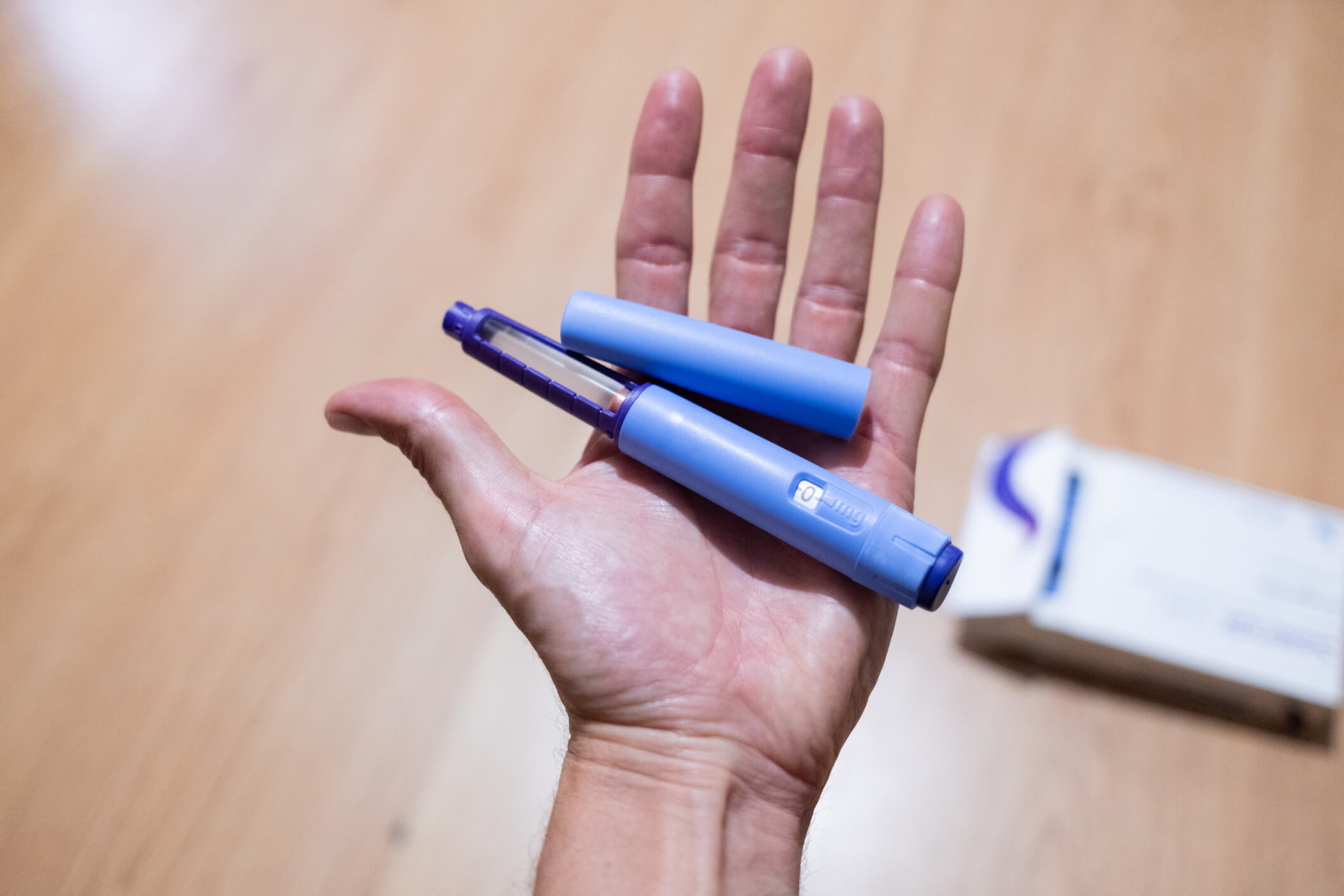
One major recent advance has been the FDA approval of an at-home injectable form of Leqembi. This approval is potentially game-changing in that it will allow people currently taking Leqembi to self-administer the drug rather than needing to go to the clinic for IV infusions. In addition to the convenience this offers, the ability to treat oneself at home could significantly reduce barriers for people with Alzheimer’s and their caregivers and expand access to treatment.
The at-home option is currently available for people who are already taking Leqembi, but the FDA is expected to decide in May 2026 whether to also approve the initial starter doses for home use as well.
The Next Generation of Amyloid Clearance
Even with two approved disease-modifying treatments on the market, researchers are already at work developing the next generation of drugs targeting amyloid plaques. One of these is trontinemab, which recently moved into Phase III clinical trials.
One hurdle facing any drug administered into the blood stream is crossing the blood-brain barrier. Trontinemab takes advantage of Roche’s proprietary Brainshuttle technology to improve its ability to enter the brain where it works to clear amyloid plaques. Earlier clinical trials showed that 92% of people receiving trontinemab had no measurable plaques after 28 weeks of treatment, and there was also low incidence of ARIA in these participants. The two phase III trials, TRONTIER 1 and 2, are now underway, with results expected in 2028.
A Pill to Treat Alzheimer’s?
All these treatments require either infusions or injections into the body. Researchers are also working on developing pill-based treatments for Alzheimer’s. An effective oral medication would represent a breakthrough, making treatment simpler and more accessible.
One such treatment currently in phase 2/3 clinical trials is blarcamesine, which takes a different approach from the amyloid-clearing antibodies described above. Instead of directly targeting amyloid, blarcamesine activates the sigma-1 receptor, which is involved in the cell’s garbage removal system. By stimulating this system, the goal is to drive neurons to do a better job of clearing amyloid plaques. Early safety data and signs of effectiveness have been encouraging, and blarcamesine is currently being evaluated in Phase II/III clinical trials.
Another pill-based medication that has been on the field’s radar for several years is ALZ-801, which targets a process upstream of the formation of toxic amyloid with the goal of preventing tangle formation. A recently completed Phase 3 clinical trial, APOLLOE4, tested ALZ-801 in people with two copies of the Alzheimer’s risk gene APOE4 and had received an early Alzheimer’s diagnosis.
About 10 percent of participants receiving ALZ-801 showed improved cognition. These “super responders” tended to be younger and earlier in their Alzheimer’s diagnosis, suggesting a subset of people with two copies of the APOE4 risk gene could benefit from this medication.
ALZ-801 is based on the drug tramiprostate, co-created by Dr. Donald Weaver, a recipient of the BrightFocus Foundation Centennial Grant. This funding enabled small molecule drug discovery for Alzheimer’s research.
Non-Drug-Based Treatments for Alzheimer’s
In late 2024, a Phase 2 clinical trial conducted by Sinaptica Therapeutics showed that personalized, non-invasive brain stimulation slowed cognitive decline by 44 percent, improving behavioral symptoms, and maintaining daily function in people with mild-to-moderate Alzheimer’s. Sinaptica is continuing to test this treatment in additional clinical trials. The company’s co-founder Giacomo Koch, MD, PhD, received funding from BrightFocus Foundation’s Alzheimer’s Disease Research program that helped make human studies of this technology possible.
Brain stimulation is also being tested by Annabelle Singer, PhD to see whether it can decrease the brain’s response to stress and potentially decrease the risk of Alzheimer’s. She is also studying how very fast light flashes, or “flicker“, can impact how the brain stores memories. Preliminary results from a trial sponsored by Cognito Therapeutics suggested that flickering lights and sound at around 40 Hz could slow cognitive decline and brain volume loss. A Phase 3 trial of the technology is currently underway.
Another non-invasive technology with the potential to change treatment is focused ultrasound. Using very high frequency sound waves, ultrasound temporarily opens the blood-brain barrier, giving clinicians unprecedented access to the brain’s environment. This makes it easier for treatments like anti-amyloid antibodies to enter the brain. It also means that biomarkers in the brain can enter the blood stream to be collected and tested.
Two current Alzheimer’s Disease Research grantees, funded in partnership with the Focused Ultrasound Foundation, are exploring this technology as a potential treatment for Alzheimer’s. Isabelle Aubert, PhD, is studying whether ultrasound can promote the regeneration of brain cells that produce myelin, a protective sheath around nerves that is important for signaling. Meanwhile, Nader Saffari, PhD, and team are investigating using ultrasound to activate microglia, one of the types of immune cells in the brain, to accelerate the clearance of toxic amyloid plaques.
Alzheimer’s Risk Reduction
Of course, treatment is only one half of the equation. Studies are also examining ways to delay-or even prevent-cognitive decline through lifestyle changes and other risk-reducing behaviors.
Results from the US POINTER Study provide encouraging evidence that lifestyle interventions can significantly improve cognitive health in older adults at risk for cognitive decline. The study recommended a “recipe” of physical activity, improved nutrition, cognitive and social engagement, and careful monitoring of heart and metabolic health.
Looking Ahead
The Alzheimer’s treatment landscape in 2026 is as diverse as ever, with several oral medications in the clinical trial pipeline and pathways outside of amyloid emerging as viable targets for intervention.
In addition, the window of opportunity for treatment is widening. A groundbreaking clinical trial, the AHEAD Study, is testing the effectiveness of early treatment with Leqembi in people at high risk for Alzheimer’s but before symptoms begin-potentially stopping Alzheimer’s before it starts.
To learn more about emerging Alzheimer’s therapeutics in late-stage clinical development, watch our conversation with behavioral neurologist Dr. Marwan Sabbagh, titled The Next Generation of Alzheimer’s Treatments.
The sustained efforts required to develop these and other next-generation treatments require ongoing support for scientific research. Thanks to our generous community of donors, Alzheimer’s Disease Research is funding hundreds of scientists globally conducting innovative research aimed at defeating Alzheimer’s. Read more about the groundbreaking work your support makes possible.