Inside the First International Biobank Studying Down Syndrome and Alzheimer's
BrightFocus Alzheimer’s Disease Research-funded scientists have spent the last decade building a first-in-class initiative to study the brains of people with Down syndrome and Alzheimer’s disease.
People with Down syndrome are at high risk of early Alzheimer’s. Alzheimer’s Disease Research-funded scientists are leading an initiative to study their brains to better understand why—and find new ways to detect, prevent, and treat dementia for everyone.
Key Takeaways
People with Down syndrome have a high risk of early-onset Alzheimer’s, due to extra copies of the amyloid precursor protein gene and increased brain inflammation.
BrightFocus Alzheimer’s Disease Research grant recipient Ann-Charlotte Granholm-Bentley, PhD, DDS, is leading an international initiative to collect brain samples from people with Down syndrome to study how Alzheimer’s develops.
The findings could benefit everyone, revealing early biological markers and potential treatments for Alzheimer’s across the broader population.
By the time someone with Down syndrome reaches their 50s, there’s a one in three chance they’ll receive a diagnosis of Alzheimer’s disease. By their 60s, that risk jumps to roughly 50%.
Scientists understand the basics of why Down syndrome and Alzheimer’s are linked, but many questions remain, like what the underlying biology is and whether there are any potential treatments. BrightFocus Alzheimer’s Disease Research grant recipient Ann-Charlotte Granholm-Bentley, PhD, DDS, and co-investigators Elliott Mufson, PhD, and Elizabeth Head, PhD, are beginning to answer those questions through an international, collaborative effort to study the brains of people with Down syndrome.
The research will not only shed light on how and why people with Down syndrome develop dementia so young, but also open potential new treatment and prevention avenues for the general population.
Understanding Down Syndrome
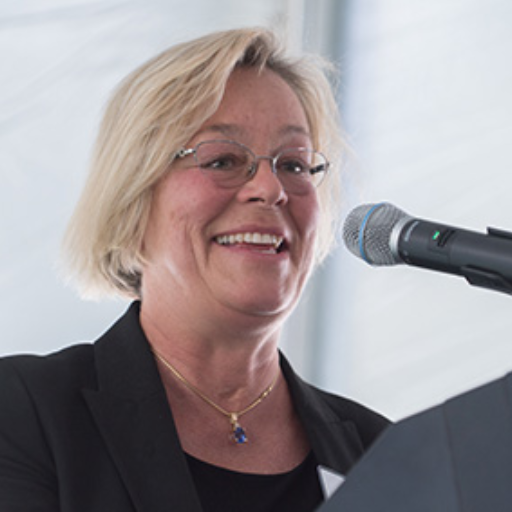
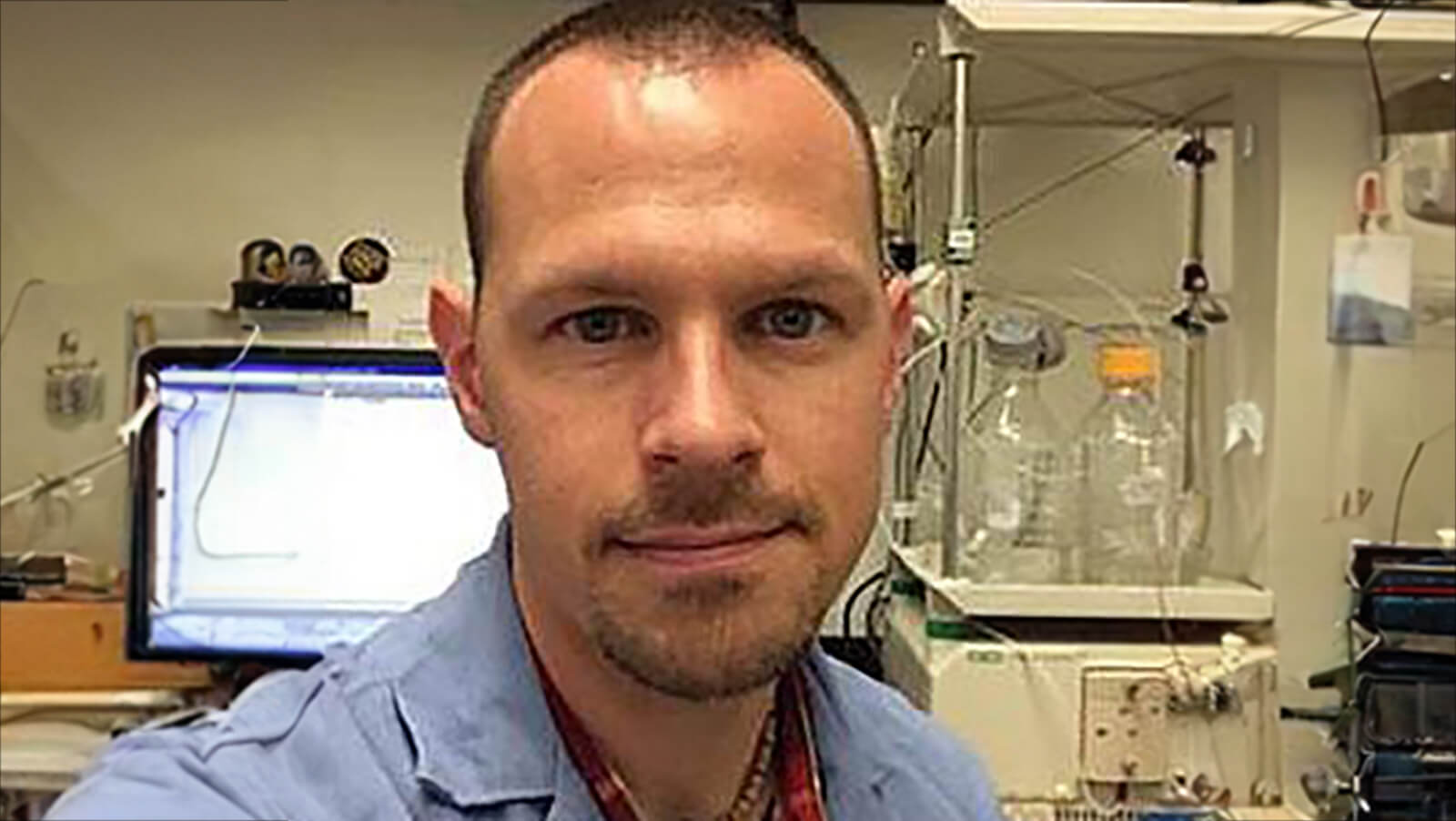
Ann-Charlotte Granholm-Bentley, PhD, DDS, Alzheimer’s Disease Research grant recipient
Down syndrome is a genetic condition that causes people to have an extra copy of chromosome 21. This chromosome contains a gene that codes for amyloid precursor protein, a molecule that can turn into amyloid plaques, the toxic clumps of protein that clog the brain of people with Alzheimer’s. Because individuals with Down syndrome have more copies of the amyloid precursor protein gene, amyloid may build up faster in their brains. People with Down syndrome are also genetically more prone to inflammation, which can accelerate the development of Alzheimer’s even further.
Together, these factors greatly increase the risk of dementia for people with Down syndrome. Because people with Down syndrome are so likely to develop dementia over time, Alzheimer’s researchers want to better understand the biological changes that underlie dementia development in their brains.
“We know when they are born that they will likely develop Alzheimer’s at a young age, making this group important for studying early signs of disease,” Dr. Granholm-Bentley said. “We can then extrapolate these findings to people with Alzheimer’s in the general population.”
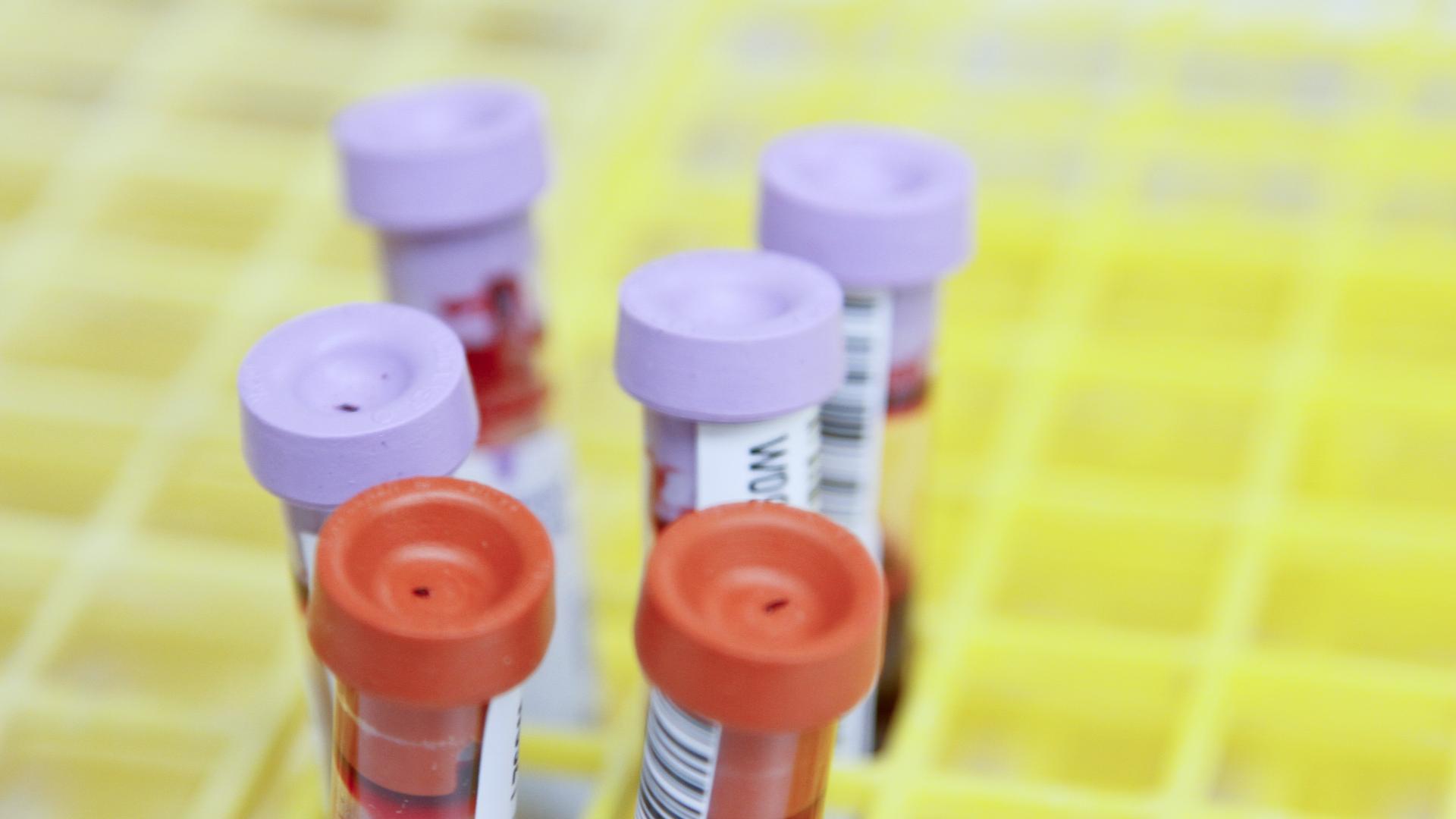
To investigate the biological mechanisms behind Alzheimer’s disease in people with Down syndrome, Granholm-Bentley established the Down Syndrome Biobank Consortium in 2017 with the help of Alzheimer’s Disease Research funding. An international collaboration across multiple research institutions, the first-of-its-kind biobank has now collected over 350 brain donation samples from people with Down syndrome, and about half that in people without Down syndrome to use for comparison. It’s currently the only funded biobank consortium in the United States that concentrates on people with intellectual disabilities.
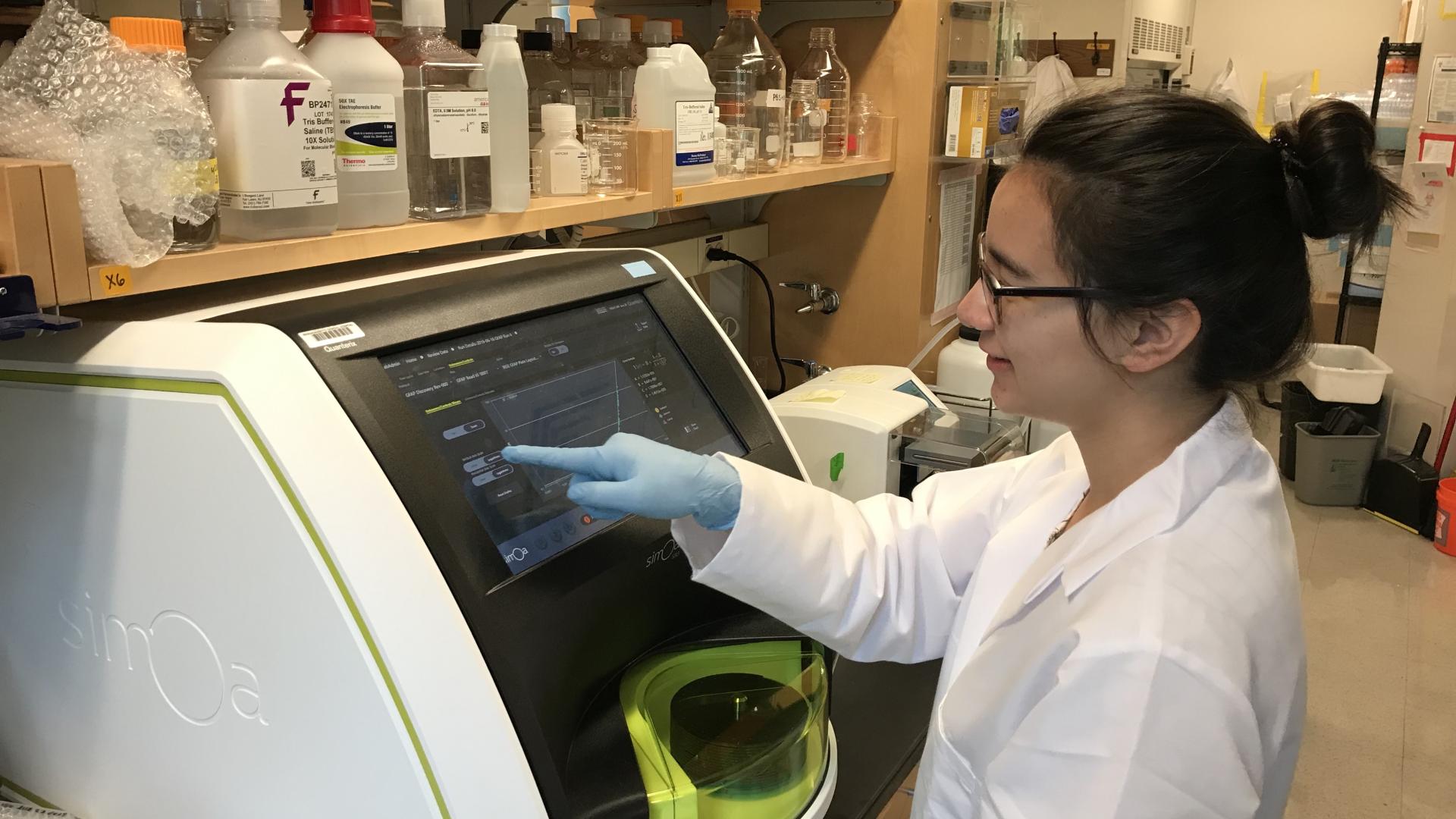
Researchers at the biobank are studying these brain samples to identify unique molecular changes that happen as people with Down syndrome develop Alzheimer’s disease. The scientists, based both in the U.S. and Europe, are especially interested in the transformations that occur early in the course of dementia. The research could uncover new ways to treat, detect, or prevent dementia in people with Down syndrome, a goal that Dr. Granholm-Bentley says is incredibly important.
“This is a medically underserved group for which there are few medications available when they develop dementia symptoms,” she explained.
Advancing Alzheimer’s Research for Everyone
People with Down syndrome aren’t the only group that stands to benefit from this biobank. Scientists studying these brains could also discover biomarkers or therapeutic targets that apply to the entire population, meaning their research could lead to new ways to detect, treat, or prevent Alzheimer’s for everyone.
Dr. Granholm-Bentley says the support of BrightFocus has been a pivotal resource in founding and maintaining the Down Syndrome Biobank Consortium. Research using donated brain tissue is crucial for understanding human disease, but it’s also expensive and resource-intensive.
“The funding from BrightFocus Foundation came at a time when we had little hope of receiving any support for brain banking of tissue from [Down syndrome],” Dr. Granholm-Bentley said. “We are all so proud of the amount of collaborative spirit that the 11 sites have, and that we have been able to continue despite the harsh funding climate in the USA right now.”
The research could change the lives of the hundreds of thousands of people living with Down syndrome in the U.S., and advance dementia research for everyone, she added.
“The information generated by our project will be of great help to those with Down syndrome and those with Alzheimer’s disease.”
Dr. Granholm-Bentley received follow-on funding to pursue her research in Down Syndrome, including a multi-million dollar federal grant to investigate tau protein as a link between Down Syndrome and Alzheimer’s. Co-investigator Dr. Head now co-leads the Alzheimer’s Biomarkers Consortium – Down Syndrome, a multi-institution research team which was awarded over $100 million in federal funding to expand research on Alzheimer’s biomarkers in adults with Down syndrome.
Thanks to our generous community of supporters, Alzheimer’s Disease Research is currently funding more than $30 million in innovative Alzheimer’s research around the globe. Your continued investment brings us closer to a future without this devastating disease. Learn how to support our work.
About BrightFocus Foundation
BrightFocus Foundation is a premier global nonprofit funder of research to defeat Alzheimer’s, macular degeneration, and glaucoma. Since its inception more than 50 years ago, BrightFocus and its flagship research programs—Alzheimer’s Disease Research, Macular Degeneration Research, and National Glaucoma Research—has awarded more than $300 million in research grants to scientists around the world, catalyzing thousands of scientific breakthroughs, life-enhancing treatments, and diagnostic tools. We also share the latest research findings, expert information, and resources to empower the millions impacted by these devastating diseases. Learn more at brightfocus.org.
Disclaimer: The information provided here is a public service of BrightFocus Foundation and is not intended to constitute medical advice. Please consult your physician for personalized medical, dietary, and/or exercise advice. Any medications or supplements should only be taken under medical supervision. BrightFocus Foundation does not endorse any medical products or therapies.
Could Finding and Treating Tiny Blood Clots in the Brain Delay Alzheimer's?
A BrightFocus-funded scientist is investigating a novel imaging tool that could be used to find treatable blood clots in the brain and slow the progression of Alzheimer’s disease.
Article
Tau Biomarker Shows Promise for Use in Blood Test for Early AD
Learn about a potential blood test to diagnose AD and monitor its progression and response to treatments.
Article
Study Find Proteins That May Explain Cognitive Resilience in People with Alzheimer's Pathology
Researchers have identified 123 synaptic proteins that may explain the varying levels of cognitive function in elderly people with and without Alzheimer’s disease (AD) pathology.
Article
The PrecivityAD™ Alzheimer's Test: A Q&A with C₂N's Joel Braunstein, MD, MBA
Read this Q&A with Joel Braunstein, MD, MBA, president, CEO, and cofounder of C2N, describing how the PrecivityAD test is being used in clinical practice.
Article
Tau Changes Revealed Over Long Lead-up to Alzheimer's Disease
Read about scientists describing how the protein tau is modified over four decades as Alzheimer’s develops and progresses.
Article
Understanding Tau's Role in Origin and Spread of Alzheimer's Disease
Learn more about BrightFocus Foundation grantee Paul Seidler, PhD's research towards a greater understanding of the tau protein's role in the development and spread of Alzheimer's disease.
Every Donation is a Step Forward in the Fight Against Alzheimer’s
Your donation powers cutting-edge research and helps scientists explore new treatments. Help bring us closer to a cure and provide valuable information to the public.