


Alzheimer's Risk Reduction
Alzheimer’s disease is a complex disorder for which there is currently no known prevention or cure. However, research suggests that lifestyle choices can support healthy brain aging and reduce Alzheimer’s disease risk. Healthy habits, like exercising and eating a nutrient-rich diet, can improve and maintain overall health.

Working Together, We Can Stop Alzheimer’s
Alzheimer’s affects one in nine Americans over 65. Your support helps us fund the most promising research to stop this mind-stealing disease and provide valuable information to the public.

Who Is More at Risk for Alzheimer's?
Age is the greatest risk factor for Alzheimer’s disease, however studies show that some people could be at higher risk for Alzheimer's.
Women
Women are disproportionately affected by the disease, comprising approximately two-thirds of Alzheimer’s patients themselves and also serving as the majority of caregivers for people living with the disease.
African Americans & Hispanics
African Americans and Hispanics with certain psychiatric symptoms such as anxiety, apathy/indifference, and irritability have a higher risk of developing cognitive impairment, often a precursor to Alzheimer’s disease and other dementias.
People With Other Medical Conditions
Other medical conditions, some treatable such as depression, sleep disturbances like apnea, and traumatic brain injury have been shown to influence the risk of cognitive decline.

Nutrition & Lifestyle for Alzheimer's
Some research has generated hope that one day it might be possible to slow the progression of Alzheimer’s disease, delay its symptoms, or even prevent it from occurring at all. Although research supports the benefit of some interventions—such as physical activity and cardiovascular risk reduction—nothing at this time has definitively been shown to prevent Alzheimer’s disease or other dementias.
Healthy Lifestyle Actions You Can Take Right Now
- Eat a varied, nutritious, and low-glycemic diet.
- Get regular exercise and maintain a healthy weight.
- Keep your mind active.
- Get enough good quality sleep, as recommended for your age group.
More Ways to Reduce Alzheimer's Risk
Can Non-Drug Interventions Really Reduce Your Risk of Alzheimer’s?
Watch this episode of Zoom in on Dementia and Alzheimer’s to learn more about non-drug-related risk reduction options.

Resources
Recent Resources & Information

Story
More Than a Card Game: Supporting Alzheimer's Disease Research
For the past four years, Scott Miller’s family and friends have honored the memories of his father and father-in-law through donations to Alzheimer’s Disease Research, helping advance promising discoveries and bring hope to families affected by this devastating disease.

Zoom In on Dementia & Alzheimer's
What's New in Alzheimer's Blood Testing
In this timely discussion, Dr. Suzanne Schindler will explain how blood-based biomarkers are transforming Alzheimer’s diagnosis, research, and care.

Zoom In on Dementia & Alzheimer's
Trontinemab: A New Brain-Penetrant Alzheimer's Therapy
Dr. Gil Rabinovici explores trontinemab, an investigational next-generation anti-amyloid therapy being studied for early Alzheimer’s disease.

Zoom In on Dementia & Alzheimer's
Reducing Dementia Risk: What New Research Reveals
Dr. Zaldy Tan discusses what the newest research reveals about protecting brain health and promoting healthy aging.

Zoom In on Dementia & Alzheimer's
Lewy Body, Alzheimer's & Mixed Dementias Explained
Leading neurologist Dr. James E. Galvin explains how to identify early warning signs, distinguish Lewy body dementia from Alzheimer’s disease, and explore current and emerging treatment options.

Downloadable Resource
FDA-Approved Alzheimer’s Therapies Infographic
Although there is no cure for Alzheimer’s disease, certain treatments can help control or delay its symptoms, particularly in the early stages of the disease. Talk to your physician to see if these medications are right for you.

Zoom In on Dementia & Alzheimer's
Agitation in Alzheimer's Dementia
Dr. Brent Forester explains what causes agitation, how it may appear in different forms, and the latest approaches for managing symptoms—including non-drug strategies and newly approved treatments.
Zoom In on Dementia & Alzheimer's
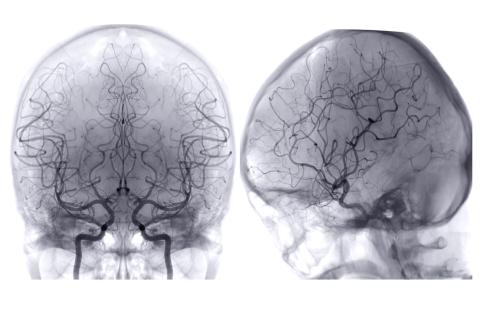
Stroke, Vascular Dementia, Alzheimer's: What's the Difference?
Dr. Jason Hinman of UCLA explains how disrupted blood flow to the brain can lead to cognitive decline, how vascular dementia differs from (and often overlaps with) Alzheimer’s disease, and what the latest research means for prevention and treatment.

Zoom In on Dementia & Alzheimer's
Therapeutic TV for Alzheimer's: What the Research Shows
Allyson Schrier shares how research following her experience caring for her husband with dementia led her to create a streaming service designed to calm, engage, and support people living with memory loss.