


Studying Eye Blood Flow During Exercise to Understand the Origins of AMD

About the Research Project
Program
Award Type
Standard
Award Amount
$450,000
Active Dates
July 01, 2026 - June 30, 2029
Grant ID
M2026009N
Goals
This project applies motion-tolerant robotic OCT angiography during exercise to search for hypothesized choriocapillaris vascular anomalies not seen at rest that later progress to reticular pseudodrusen, thereby elucidating the potential vascular origins of AMD.
Summary
This proposal uses blood vessel mapping during exercise to understand how blood flow in the eye is involved in the development of age-related macular degeneration (AMD). Much like how an exercise stress test reveals disease in vessels in the heart, we propose an ocular stress test to allow us to detect disease affecting the eye before vision loss develops. In this proposal, we first compare patients with and without AMD to evaluate how their blood vessels behave differently during exercise and then follow patients over time to understand how their blood vessels change as disease evolves.
Unique and Innovative
The most innovative component of this proposal is our experiment to measure eye blood flow at rest and during dynamic exercise in healthy adults and AMD patients. We call this experiment an “ocular stress test,” analogous to how an exercise stress test reveals coronary vascular abnormalities not otherwise seen at rest. The experiment relies upon our unique motion-tolerant robotic eye imaging capabilities.
Foreseeable Benefits
This project will test the hypothesized relationship between choriocapillaris flow voids and reticular pseudodrusen (RPD) in AMD. Supporting or refuting this relationship will direct future studies to undercover the pathophysiology in RPD-driven AMD. This may support specific therapeutic interventions for this subset of AMD patients that focus on hypoxia and choriocapillaris flow, including radical therapies like ophthalmic artery angioplasty.
Related Grants
Macular Degeneration Research
Development of an Oral Treatment for Dry AMD Using Everyday Anti-Inflammatory Drugs
Active Dates
July 01, 2026 - June 30, 2028

Principal Investigator
Marco Bassetto, PhD
Current Organization
University of California, Irvine
Development of an Oral Treatment for Dry AMD Using Everyday Anti-Inflammatory Drugs
Active Dates
July 01, 2026 - June 30, 2028
Principal Investigator
Marco Bassetto, PhD
Current Organization
University of California, Irvine
Macular Degeneration Research
Developing a New Treatment for Wet AMD: Targeted Removal of a Disease-Causing Protein
Active Dates
July 01, 2026 - June 30, 2028
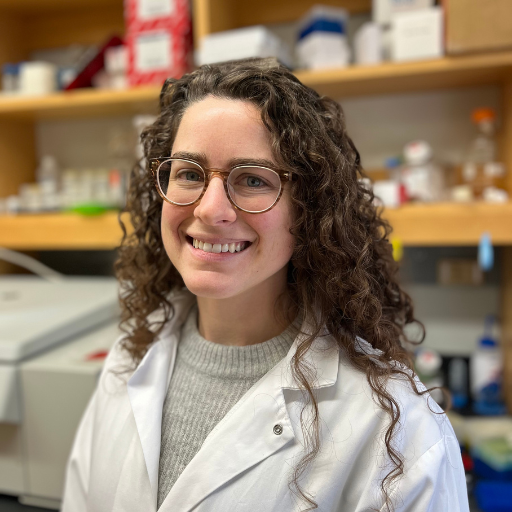
Principal Investigator
Celia Bisbach, PhD
Current Organization
University of Wisconsin-Madison
Developing a New Treatment for Wet AMD: Targeted Removal of a Disease-Causing Protein
Active Dates
July 01, 2026 - June 30, 2028
Principal Investigator
Celia Bisbach, PhD
Current Organization
University of Wisconsin-Madison
Macular Degeneration Research
Sterically Hindered Phenol, PMC, as a Potential Novel Therapeutic for Geographic Atrophy
Active Dates
July 01, 2026 - June 30, 2028
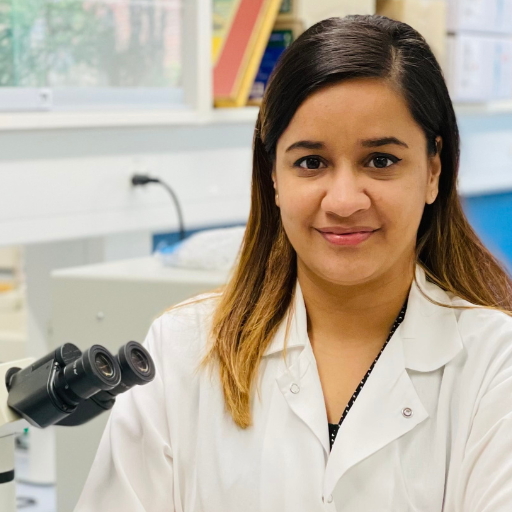
Principal Investigator
Suman Chaudhary, PhD
Current Organization
Schepens Eye Research Institute of Mass. Eye and Ear
Sterically Hindered Phenol, PMC, as a Potential Novel Therapeutic for Geographic Atrophy
Active Dates
July 01, 2026 - June 30, 2028
Principal Investigator
Suman Chaudhary, PhD
Current Organization
Schepens Eye Research Institute of Mass. Eye and Ear