


Development of an Oral Treatment for Dry AMD Using Everyday Anti-Inflammatory Drugs

Principal Investigator
Marco Bassetto, PhD
University of California, Irvine
Irvine, CA, United States
About the Research Project
Program
Award Type
Standard
Award Amount
$200,000
Active Dates
July 01, 2026 - June 30, 2028
Grant ID
M2026001F
Mentor(s)
Philip Kiser, PhD, University of California, Irvine
Goals
Hijack the natural vitamin A transportation system to deliver anti-inflammatory drugs in the retina as a treatment for dry age macular degeneration.
Summary
Numerous ocular barriers prevent the accumulation of drugs in the eye and limit the development of treatments for age-related macular degeneration (AMD). This proposal aims to leverage the natural transportation system of vitamin A in the eye to deliver anti-inflammatory drugs (i.e., aspirin, ibuprofen) selectively in the retina to suppress the inflammation associated with AMD. My method uses oral drug administration and moves away from the risks and burdens associated with intraocular injections of drugs, which are the standard method of drug administration for treating AMD.
Unique and Innovative
A. My project is the first rational attempt to hijack the transportation system of vitamin A into the eye to deliver drugs after systemic administration.
B. My project leverages the unique eye-targeting properties of visual cycle modulators to establish a new class of non-steroid anti inflammatory drugs to treat dry age-related macular degeneration.
C. My pro-drug strategy expands the range of acidic drugs that can be transported into the eye, paving the way to the development of new treatments for retinal diseases.
Foreseeable Benefits
Presently, only a handful of drugs approved for use in humans can be used to treat retinal diseases, mostly requiring invasive intraocular injections for drug administration.
My results will constitute the first documented case of exploiting the vitamin A trafficking machinery present in our bodies as a way to overcome the numerous ocular barriers that impede targeting drugs to the retina after oral or systemic administration.
Consequently, the drug delivery platform that I will develop in my research project shall expand the range of drugs that can be delivered to the retina for the treatment on numerous retinal diseases.
Related Grants
Macular Degeneration Research
Studying Eye Blood Flow During Exercise to Understand the Origins of AMD
Active Dates
July 01, 2026 - June 30, 2029

Principal Investigator
Mark Draelos, MD, PhD
Current Organization
University of Michigan
Studying Eye Blood Flow During Exercise to Understand the Origins of AMD
Active Dates
July 01, 2026 - June 30, 2029
Principal Investigator
Mark Draelos, MD, PhD
Current Organization
University of Michigan
Macular Degeneration Research
Developing a New Treatment for Wet AMD: Targeted Removal of a Disease-Causing Protein
Active Dates
July 01, 2026 - June 30, 2028
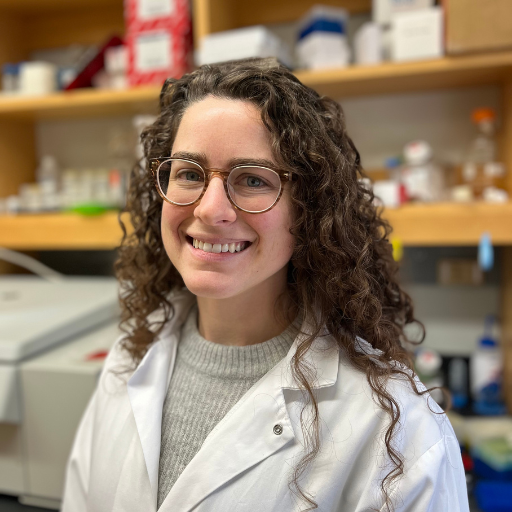
Principal Investigator
Celia Bisbach, PhD
Current Organization
University of Wisconsin-Madison
Developing a New Treatment for Wet AMD: Targeted Removal of a Disease-Causing Protein
Active Dates
July 01, 2026 - June 30, 2028
Principal Investigator
Celia Bisbach, PhD
Current Organization
University of Wisconsin-Madison
Macular Degeneration Research
Sterically Hindered Phenol, PMC, as a Potential Novel Therapeutic for Geographic Atrophy
Active Dates
July 01, 2026 - June 30, 2028
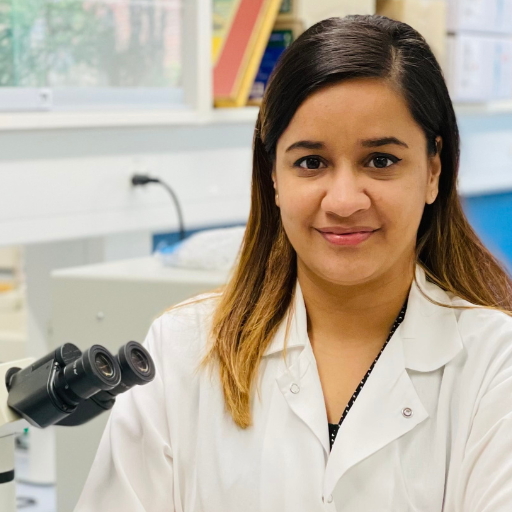
Principal Investigator
Suman Chaudhary, PhD
Current Organization
Schepens Eye Research Institute of Mass. Eye and Ear
Sterically Hindered Phenol, PMC, as a Potential Novel Therapeutic for Geographic Atrophy
Active Dates
July 01, 2026 - June 30, 2028
Principal Investigator
Suman Chaudhary, PhD
Current Organization
Schepens Eye Research Institute of Mass. Eye and Ear