


Developing a New Treatment for Wet AMD: Targeted Removal of a Disease-Causing Protein
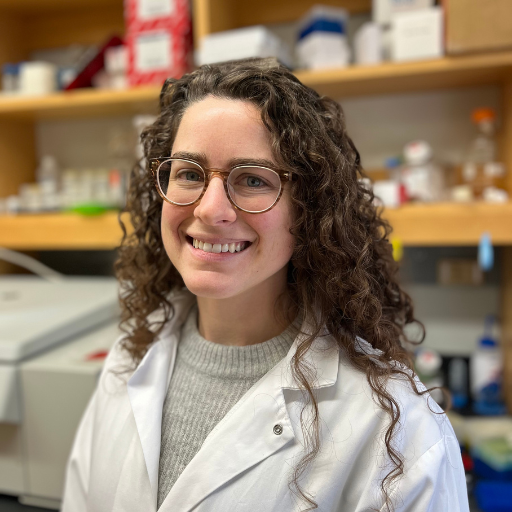
Principal Investigator
Celia Bisbach, PhD
University of Wisconsin-Madison
Madison, WI, United States
About the Research Project
Program
Award Type
Standard
Award Amount
$200,000
Active Dates
July 01, 2026 - June 30, 2028
Grant ID
M2026002F
Acknowledgement
Recipient, 2026 Helen Juanita Reed Award for Macular Degeneration Research
Mentor(s)
David Gamm, University of Wisconsin-Madison (Board of Regents University of Wisconsin System)
Goals
We aim to fully characterize molecules that target pathogenic VEGF for degradation via the cell’s own waste disposal pathways.
Summary
We are developing a new treatment for neovascular Age-related Macular Degeneration (nAMD), also known as wet AMD. nAMD is caused in part by accumulation of a protein called VEGF in a region of the eye where its levels are normally low. Currently, nAMD is treated by frequent eye injections of inhibitors which block VEGF function. We are using a new strategy, targeted protein degradation, to physically destroy VEGF using the body’s natural waste disposal system. Our ultimate goal is to create a more effective, localized, and longer-lasting therapy for nAMD that could improve patient outcomes and quality of life.
Unique and Innovative
VEGF inhibitors are life-changing for many patients, but they act indiscriminately (inhibiting VEGF throughout the eye rather than just in the compartment where it is most pathogenic) and they also require relatively high concentrations to remain effective. We have developed a VEGF “degrader” that recruits VEGF to a lysosomal trafficking receptor with apical-specific RPE expression. This means our degrader has restricted activity to the apical RPE surface and can preserve VEGF in other ocular compartments (like the choroid) where it is required to sustain overall retinal health.
Foreseeable Benefits
Upon completion of our study, we will have fully characterized the first protein-based degrader molecule for an ocular disease (to our knowledge). Our findings have the potential to (1) accelerate development of a treatment for individuals with neovascular Age-related Macular Degeneration that may be more long-lasting (reducing injection frequency) and more spatially targeted (reducing the rate of macular atrophy), and (2) show how this therapeutic modality can function in the eye, encouraging the development of degraders against future ocular targets.
Related Grants
Macular Degeneration Research
Development of an Oral Treatment for Dry AMD Using Everyday Anti-Inflammatory Drugs
Active Dates
July 01, 2026 - June 30, 2028

Principal Investigator
Marco Bassetto, PhD
Current Organization
University of California, Irvine
Development of an Oral Treatment for Dry AMD Using Everyday Anti-Inflammatory Drugs
Active Dates
July 01, 2026 - June 30, 2028
Principal Investigator
Marco Bassetto, PhD
Current Organization
University of California, Irvine
Macular Degeneration Research
Sterically Hindered Phenol, PMC, as a Potential Novel Therapeutic for Geographic Atrophy
Active Dates
July 01, 2026 - June 30, 2028
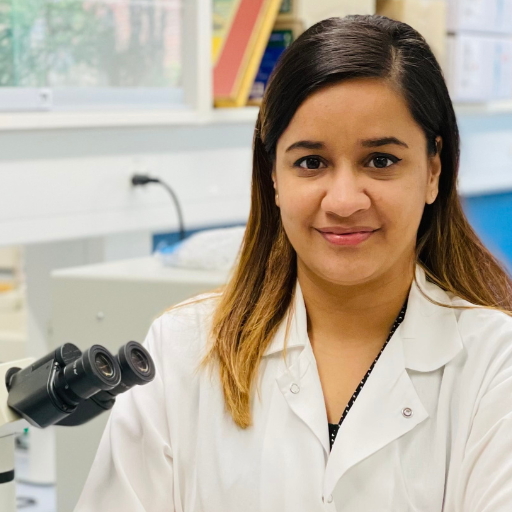
Principal Investigator
Suman Chaudhary, PhD
Current Organization
Schepens Eye Research Institute of Mass. Eye and Ear
Sterically Hindered Phenol, PMC, as a Potential Novel Therapeutic for Geographic Atrophy
Active Dates
July 01, 2026 - June 30, 2028
Principal Investigator
Suman Chaudhary, PhD
Current Organization
Schepens Eye Research Institute of Mass. Eye and Ear
Macular Degeneration Research
Studying Eye Blood Flow During Exercise to Understand the Origins of AMD
Active Dates
July 01, 2026 - June 30, 2029

Principal Investigator
Mark Draelos, MD, PhD
Current Organization
University of Michigan
Studying Eye Blood Flow During Exercise to Understand the Origins of AMD
Active Dates
July 01, 2026 - June 30, 2029
Principal Investigator
Mark Draelos, MD, PhD
Current Organization
University of Michigan