

Register for Zoom In On Dementia & Alzheimer’s
TITLE
Agitation in Alzheimer’s Dementia
DATE
Thursday, June 25, 2026
TIME
1 pm ET (please adjust for your time zone)
SPEAKER(S)
Brent P. Forester, MD, MSc
Agitation is one of the most common and challenging symptoms of Alzheimer’s disease, often causing distress for both individuals living with dementia and their caregivers. Join Dr. Brent Forester as he explains what causes agitation, how it may appear in different forms, and the latest approaches for managing symptoms—including non-drug strategies and newly approved treatments.
Watch Past Episodes
Stroke, Vascular Dementia, Alzheimer’s: What’s the Difference?
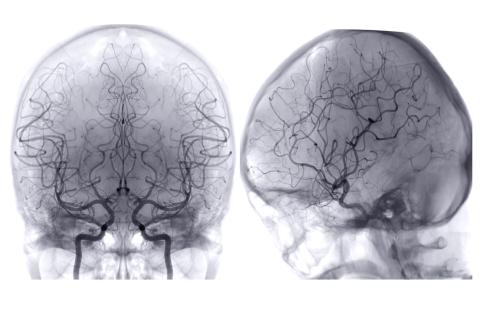
Dr. Jason Hinman of UCLA explains how disrupted blood flow to the brain can lead to cognitive decline, how vascular dementia differs from (and often overlaps with) Alzheimer’s disease, and what the latest research means for prevention and treatment.

Therapeutic TV for Alzheimer’s: What the Research Shows
In this episode, Allyson Schrier shares how research following her experience caring for her husband with dementia led her to create a streaming service designed to calm, engage, and support people living with memory loss.

The SPRING Trial: Targeting Gum Bacteria in Alzheimer’s
Dr. Michael J. Detke of Lighthouse Pharma explains the SPRING clinical trial and how the investigational oral drug LHP588 is being studied to reduce bacteria-related brain damage.

Is It Alzheimer’s? Recognizing Early Signs & Symptoms
Behavioral neurologist Dr. Sharon Cohen explains the early signs and symptoms of Alzheimer’s disease, medical conditions that can mimic dementia, and how to start a conversation with your doctor.
Alzheimer’s Clinical Trials 2026: An Insider’s Look with Dr. Jeffrey Cummings
Join Dr. Jeffrey Cummings as he shares an insider’s overview of the evolving Alzheimer’s treatment development pipeline.
Understanding Your APOE Status: Genetics and Alzheimer’s Risk
About 25% of people carry one copy of the APOE4 gene, the strongest genetic risk factor for developing Alzheimer’s. Dr. Eric M. Reiman explains what genetic testing can—and cannot—tell you, including why APOE4 signals increased risk but does not mean a definite Alzheimer’s diagnosis.
Leqembi and Kisunla: Your Questions Answered
A leading neurologist answers your most common questions about what Leqembi and Kisunla can realistically do, including effectiveness, safety, eligibility, infusion logistics, cost, and access.
The AHEAD Study: Can Alzheimer’s Be Prevented or Slowed Before Symptoms Begin?
Join Dr. Joshua Grill as he shares details about the AHEAD Study.
The Next Generation of Alzheimer’s Treatments
Behavioral neurologist Dr. Marwan Sabbagh explains emerging Alzheimer’s therapeutics now in late-stage clinical development.
Stroke, Vascular Dementia, Alzheimer’s: What’s the Difference?
Dr. Jason Hinman of UCLA explains how disrupted blood flow to the brain can lead to cognitive decline, how vascular dementia differs from (and often overlaps with) Alzheimer’s disease, and what the latest research means for prevention and treatment.
Therapeutic TV for Alzheimer’s: What the Research Shows
In this episode, Allyson Schrier shares how research following her experience caring for her husband with dementia led her to create a streaming service designed to calm, engage, and support people living with memory loss.
The SPRING Trial: Targeting Gum Bacteria in Alzheimer’s
Dr. Michael J. Detke of Lighthouse Pharma explains the SPRING clinical trial and how the investigational oral drug LHP588 is being studied to reduce bacteria-related brain damage.
Is It Alzheimer’s? Recognizing Early Signs & Symptoms
Behavioral neurologist Dr. Sharon Cohen explains the early signs and symptoms of Alzheimer’s disease, medical conditions that can mimic dementia, and how to start a conversation with your doctor.
Alzheimer’s Clinical Trials 2026: An Insider’s Look with Dr. Jeffrey Cummings
Join Dr. Jeffrey Cummings as he shares an insider’s overview of the evolving Alzheimer’s treatment development pipeline.
Understanding Your APOE Status: Genetics and Alzheimer’s Risk
About 25% of people carry one copy of the APOE4 gene, the strongest genetic risk factor for developing Alzheimer’s. Dr. Eric M. Reiman explains what genetic testing can—and cannot—tell you, including why APOE4 signals increased risk but does not mean a definite Alzheimer’s diagnosis.
Leqembi and Kisunla: Your Questions Answered
A leading neurologist answers your most common questions about what Leqembi and Kisunla can realistically do, including effectiveness, safety, eligibility, infusion logistics, cost, and access.
The AHEAD Study: Can Alzheimer’s Be Prevented or Slowed Before Symptoms Begin?
Join Dr. Joshua Grill as he shares details about the AHEAD Study.
The Next Generation of Alzheimer’s Treatments
Behavioral neurologist Dr. Marwan Sabbagh explains emerging Alzheimer’s therapeutics now in late-stage clinical development.
Zoom In on Dementia & Alzheimer’s is supported in part through sponsorships from: