Download PDF
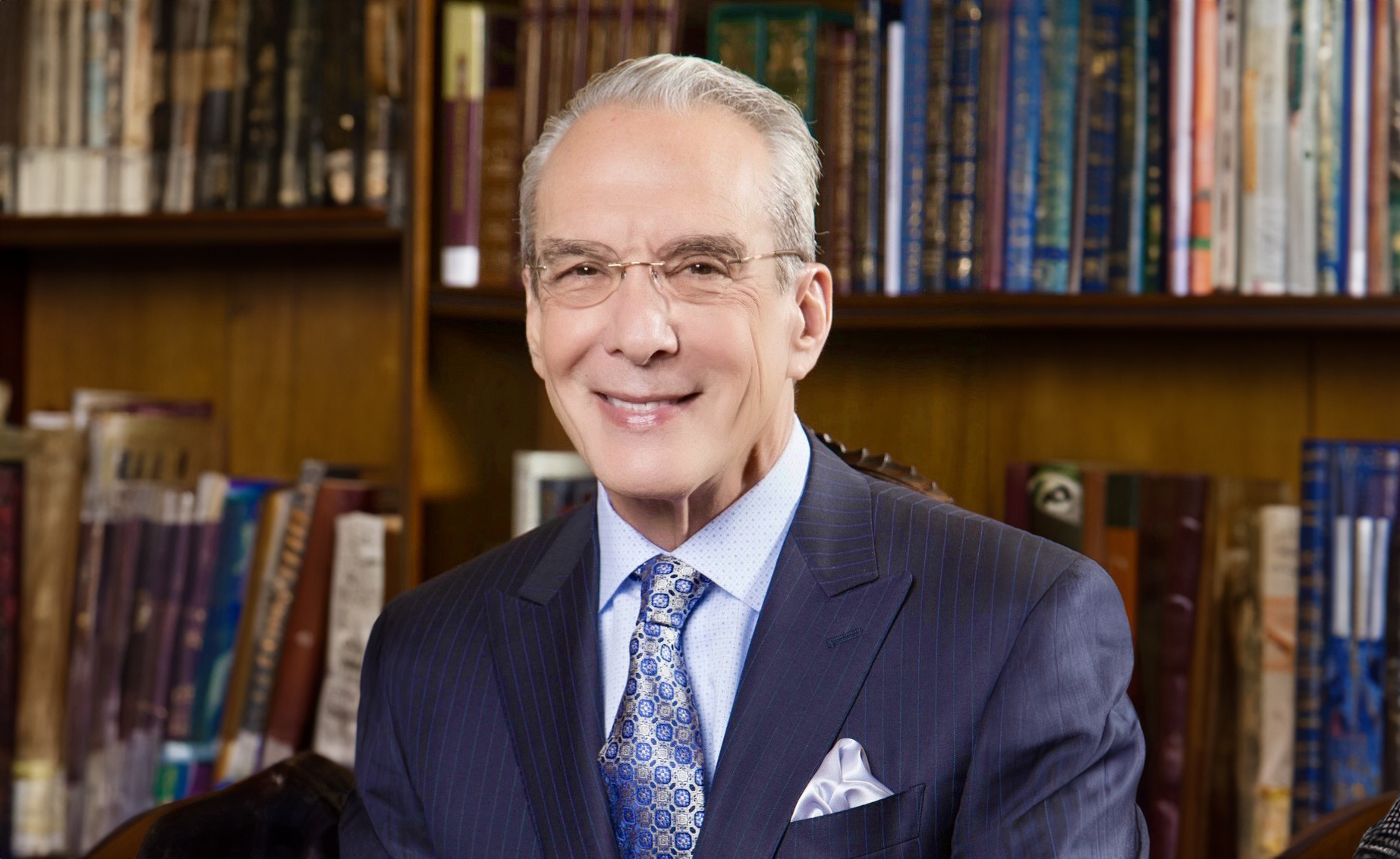
NANCY KEACH: Good morning and good afternoon, and good evening, everybody. It’s great to see you all. Welcome to the 33rd episode of BrightFocus Foundation’s Zoom In on Dementia and Alzheimer’s program. I’m so happy that you’re joining us again. For those of you who are new, welcome. I really appreciate your being here with us today. I’m Nancy Keach, and BrightFocus Foundation is a nonprofit that funds exceptional scientific research worldwide to understand and treat Alzheimer’s disease, macular degeneration, and glaucoma. And over the past 51 years, we have awarded over $310 million in scientific grants globally.
This program, Zoom In on Dementia and Alzheimer’s, is supported by Lilly, Biogen, and Genentech, and we are very grateful to these sponsors for making these free programs possible. Today’s program is the “US POINTER Study Update: Lifestyle Program Significantly Improves Cognition in Older Adults.”
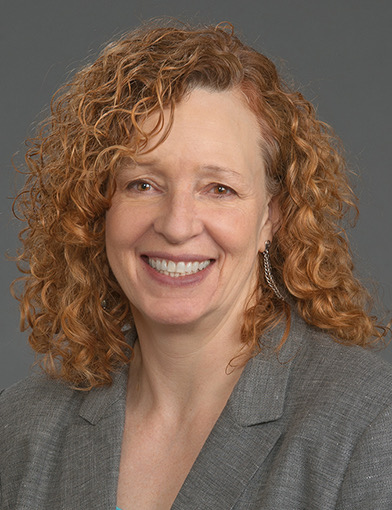
And I am really delighted to introduce our speaker, who is a fantastic leader in this field of lifestyle interventions for cognition, Dr. Laura Baker. Dr. Baker is a professor of Gerontology and Geriatric Medicine at Wake Forest University School of Medicine. She is an international leader in the areas of cognitive aging and lifestyle interventions to protect brain health and prevent cognitive decline, Alzheimer’s disease, and related dementia. She’s been an investigator of over 55 clinical studies and has led or co-led several large multi-site trials. And those of you who were with us for Dr. Baker’s episode in March of 2024 will recall that she co-led the COcoa Supplement and Multivitamin Outcomes Study of the Mind. I think that was COSMOS mind trial, which was a three-year trial of daily cocoa extract and/or a multivitamin which had over 2,000 adults participate and which showed a multivitamin related benefit on cognition. And as I told her in our prep, I’ve been taking Centrum Silver every single day since that episode in March 2024, and she tells me she is as well. Anything that will help. So Dr. Baker and her team recently completed US POINTER, the largest trial to date, testing the effects of a two-year multi-domain lifestyle intervention on cognition in adults at risk for cognitive decline and dementia. Dr. Baker, welcome to the program. So happy to have you.
LAURA BAKER: Thank you. Glad to be here.
NANCY KEACH: So I’m going to kick us off today. I’m jumping in really quickly today because we had so many questions and so much to cover on this topic. But can you start by taking us back, I believe it’s till around 2009, when the first big, big study on these types of lifestyle interventions launched in Europe, the FINGER study. Can you describe a little bit what was the FINGER study? What did we learn from it? And then what came after with World Wide FINGERS? And then we’ll get to US POINTER.
LAURA BAKER: OK. That’s a lot of talking for me to do, not for me to do because there’s just a really interesting history about how US POINTER came about. So, in 2009, the FINGER trial, and I can’t even tell you what the acronym is for, but the FIN is Finland. It took place in Finland. And the GER is geriatric. So it was a multi-domain lifestyle intervention. So multi-domain just means multiple components. So, it’s not just exercise or just nutrition. Multiple components of lifestyle were tested to see whether an intervention could protect brain health in people who were at risk. And so the FINGER trial had 1,260 people, all ages 60 to 79. They were all at risk due to some midlife calculation. So, there’s a risk score that you could get at midlife and had to do with depression and smoking, and sedentary, some cardiovascular in there.
And so what they found was that for these people who were at risk, who completed a two-year lifestyle intervention study, this is with support, they have facilitators that are meeting with them in a group to help them exercise, they have activities that they’re supposed to do every week to watch their nutrition, stay connected with other people. They challenge themselves intellectually and they had to always know your numbers, blood pressure, what is it, at all times. And what they found when they had that group compared to just what’s called a usual care, they got regular education that anybody can get at any time. They watched these people for two years and they found that people in the multi-domain lifestyle intervention had cognitive improvement. And so this was such a big thing at the time because no drugs, just lifestyle. And I was like, wow, you mean changing what you do every day can protect brain health? And we all think that. We think, oh, yes, probably true, but we never had any science to help us to know that that was the truth. So they published that in 2015.
And the Alzheimer’s Association has funded US POINTER, and we are the American version of what they did. So Finland, have you ever been to Finland? They’re quite different over there than we are in America. You can get run down by a bicycle because there are hundreds of bicycles everywhere. People do not drive as much. They walk, they bike, they use health care differently. People have at least one appointment a year. Our people in US POINTER, some of them had not seen a doctor for at least three years. We use health care differently. We navigate our lives differently. We eat differently. We connect to people differently. So the big question was, well, it works in Finland, but is it going to work in the US? And even if it does, I mean, we can’t just take the Finland program over here because we have to adapt it to how we think and what we do, and how we live our lives, and what resources we have. So that was the whole idea. So that we were going to do basically replicate what they found, but expand it, get more rigorous, get more accountability. We really want to know what people were doing.
So we are not the FINGER trial, we can’t be US FINGER. We have to be something different than US FINGER, so that’s why we went with POINTER. Yes, that’s right. And we’re pointing the way to a healthier life. And that was the whole idea. So what we did, the folks who ran the FINGER trial, they’re part of our team. And that’s a really important part of research these days. It’s what we all hope to do, is we have the people who came before us, who completed chapter 1 to help us with chapter 2 so we don’t reinvent the same mistakes. So they were with us. They helped us know how to change US POINTER so it might be more a better study. And so when US POINTER was starting, well, FINGER, this whole idea that you could change cognitive function with lifestyle went and got caught on fire globally. Many different countries started saying, well, we want to do that. We want to do a version. We want one in Thailand. We want one in India. We want one in China. We want one in Japan. We want one in Australia. And now– so we have 69 countries now who are part of World Wide FINGERS. FINGER is the starter. US POINTER is a spin off, but there are 68 countries other than the United States who are doing similar programs. And so it’s– and we all come together. Once a year, we share what we’ve learned. We share– we’re on each other’s projects. All of our paperwork, all of our manuals that we use for the United States to say who does what and how much, we’ve shared that with many of the other countries. So it’s a wonderful organization, and we all care about the same thing, helping people live better lives, happier lives, healthier lives through lifestyle. All right. So that’s the background.
NANCY KEACH: Thank you. And so how was the US POINTER study designed? How many people participated? What did they do? And top line, what have you discovered?
LAURA BAKER: OK. Again, you’re asking me to say a lot here. Hope you guys can stay with me on this. So we recruited 2,000 people, and so it’s more than FINGER. We have more heterogeneity in the United States. And that’s a good thing. That’s good. That’s who we are. And so that’s why we have more people. So we have 2,000 people from five different regions of the country. We were in the Chicago area and the Houston area, the Northern California area, in the New England area, and in the Southeast, and where I am in North Carolina. And so that was intentional. We have micro-cultures across those different parts of the country. So we enrolled 2,111 people. They were randomized, like flipping a coin, into one of two groups, and they were all in total agreement about being assigned to either group. That was the condition of coming into the study. They couldn’t pick the group. That’s part of being in a clinical trial.
And so these two groups were similar in that they both focused on four pillars of lifestyle health, exercise, physical activity, nutrition, social and intellectual challenge, stimulation, engagement. Anyway, any word that you want to use there. And then medical, knowing your numbers, managing any medical conditions you have going on. It was a lighter commitment. We call that the less intense group. We called it the self-guided group. And the self-guided group is still the same four pillars but the participants got to make decisions on what changes do I want to make? And these changes are their decisions. How much they invest is their decision. And they were based on what their own personal needs were, what their schedules were. And the self-guided group met with other people who were also assigned to the self-guided group. So they had teams about 10 to 15 people, all self-guided people were assigned– participants were assigned to teams within their own neighborhoods with the meetings where they met or within where the neighborhoods where they lived. And they met six times over two years and talked about their goals, their challenges. They helped each other with peer support. And they had a navigator, a study navigator that helped them facilitated those conversations. There was no goal setting in those meetings. So that’s group one.
Group two was the structured group. Now the structured group required a more intense commitment to change. And so what I mean is, for example, they met 38 times over two years, again, with other participants assigned to the same group and in their own neighborhoods. So they’re not traveling a long distance. So 38. And then they were given a structured program of changes to the four pillars. And they had accountability. They were accountable for, did I do this? Did I do this each week? Did I do this, and did I do this? And they reported back. So it’s a much more intense commitment. And so the structured group– so, for example, the structured group were asked to exercise, physical aerobic. They completed aerobic activity, stretching activity, stretching balance, and also some resistance training. And they were asked to do this every week. And they had certain amounts, certain minutes per week that they had to do that we were asking them to do. We didn’t have to do anything. We don’t tell anybody what to do. It’s their decision. And then in terms of diet, we were following the MIND diet. You probably have heard something about that, but it’s kind of a Mediterranean-like diet, but it’s also low salt. And so the participants were asked to track, did they get four servings a week of dark leafy greens? Did they get three servings a week of blueberries? Did they eat the number of the recommended servings per week for whole grains? And how much sugar did they have? And only two ounces of cheese a week that. So they had a little check box that they completed every week. And they gave that to us. We saw it. We also asked them to do some cognitive training using a gamified program, so like games, on online. So we used BrainHQ, which is made by Posit Science. And it’s one of those like Lumosity. But BrainHQ has actually been through clinical trials. So that’s the one we used. And we were asking people to participate in those tasks for about 20 minutes, three times a week. So you can see the commitment here. And then last we asked people to know their numbers. We asked them to let us know what their blood pressure was. They had to go get a blood pressure check either at the Walgreens or CVS, or the fire station. Some people had it at home, but really being more aware of what’s going on under the hood. That was the whole idea. Increase awareness of what’s going on under the hood because if you know what’s going on, it changes your behavior. So those were the two groups. There was a two-year intervention, a lot of commitment. And I’ll tell you a little bit later what people said about it. But for now, the question for me was, what did we find?
And so what we found was that one, both groups improved in cognition, from baseline, beginning before the intervention, to two years. So it’s a two-year intervention. So we saw improvements in both groups, but the structured group that required a more intense commitment had a significantly greater benefit on cognition. And it was a statistic. I mean, it was the kind of result all of us as a clinical– I do clinical trials. I’m a scientist in clinical trials. We all hope for a significant– for a finding like this. There are so many clinical trials where the finding is not significant. So it’s very rare, honestly, in clinical trials, in Alzheimer’s disease prevention to find a statistically significant difference. And we got it. So we’re very happy that we were able to show that the more intense commitment and the bigger change to the whole lifestyle produced a greater benefit on cognition.
And so the last– I’ll add one more part to this. People always ask, well, what does that mean statistically significant difference? I mean, what does that mean for real life? And so what we reported is that benefit, that extra benefit for the structured group was as if we had slowed the cognitive aging clock by one to two years for these people. So that means the people who are in the structured group were performing on their test like people who were one to two years younger than they were. Now, I don’t know about you, but I’ll take that kind of intervention any day. I’ll take three months of slowing down the aging clock. So we were happy to see that. We think we’re slowing it by one to two years with this structured intervention.
NANCY KEACH: Thank you. I did ask you a lot to answer it once and you answered it. So thank you so much. And the questions are actually pouring into the chat even though I had a whole list set up. So I’m going to go through some of them, and then I’m going to get more to the questions you guys have put in the chats. But Elizabeth asked an interesting question, “Did any of the less intense participant group ramp up?” I assume you mean, Elizabeth, in the middle, and basically begin to act more like the intense group minus the team meetings? Did you see that?
LAURA BAKER: Yep. Yes, they did. And here’s what we’re learning. We still have a lot more to learn. What we’ve reported so far– and if you want to just google US POINTER on the news, you’ll see– I just saw 277 news outlets have picked it up. So you can find more information if you want. But what we’re learning as we dig deeper into the extensive amount of data that we have is– and I’m going to events in the community and meeting some of these people now– we’re learning that the people who in the self-guided group, that’s the lower intensity, with the smaller commitment, that’s the idea, that a less intense commitment. If you were healthy, you had a healthier lifestyle in your previous life– and I don’t mean– and again, I’m going to say– when I say healthier lifestyle, I’m never trying to say anything against someone who could not have a healthy lifestyle. If you were privileged enough to have healthy habits in your life for whatever reason and now they got off track– a lot of our self-guided folks, they couldn’t get into the study if they were already exercising or eating very well– perfect diet. But if they had had that at some point in their life, it was easier for them to get back on track again. And these are the people that just need a little bit of support and they were off and running. But for a lot of our people who have never been an exerciser, have never– they eat the American diet, and that’s what I’m calling the unhealthy diet. They eat the American diet, they’ve never been anything other than that, they have more trouble. They need more support. And I think that’s more typical of Americans. We need support.
NANCY KEACH: I think there’s a reason why the book Atomic Habits is number one forever. And I think maybe we’ll do another program on this, but I think there are a lot of apps or devices or programs that are coming out to be supports for people who really want to change. And I think that would be an interesting future episode on new technologies that are there to support people.
And I’m going to get to the questions that are in the chat, but I’m going to first ask some of the things that came in most over the 130 questions, and that was people were a little confused, I think, about what it meant that the 2,000 people enrolled were at risk versus many people asked, if I’ve already been diagnosed with mild cognitive, early, moderate, a lot of different questions, is this still beneficial?
LAURA BAKER: Those are really good questions. So let me do that in part A and part B. What made our folks at risk when they came to us? First of all, we wanted them at risk because we only had two years to watch them. And if they’re not at risk, they’re probably not going to decline in two years. So we really need people who are vulnerable for decline. So how did we define that? Number one, people had to be sedentary. We know generally people who are, I mean, not regular exercisers. And they had to be already eating just a standard American diet. So not already eating a Mediterranean diet. So we’re looking for people, first of all, who have room for improvement. So the risk part, that’s risk. Those two are risk. But the other bigger elements for risk are family history, first degree family history of memory problems. That’s one. That’s a risk. Another is if you are older, 70 and older– instead, our age range was 60 to 79, but if you are over 70, your risk is higher than if you’re 60. So if you are over 70, you got an extra risk point. It means you’re more likely to get in our door.
Here’s the big one that I didn’t really see this in the questions, but I think it’s worth a conversation. If you had mild cardiovascular disease– yeah, so what does that mean? It means borderline high blood pressure, and that’s systolic in particular, borderline high cholesterol. So your doctor is saying, well you don’t need a statin yet, but we’re probably going to talk about it soon. It’s that gray zone people that those are the ones that we wanted. Borderline high sugar glucose, yeah, you’re heading towards diabetes. You need to start watching your diet. We’re not going to put you on medication. Those are the people we’re looking for. And we know that if you have these borderline cardiovascular symptoms, you are at risk. People who have these symptoms and who have more advanced cardiovascular disease perform more poorly on cognitive tests compared to people without these cardiovascular risks. So this is a big risk. And in the American population, that describes– at 50 and older, that describes about 65% of us. So it’s a large proportion.
So the other risk, if you belong to a certain racial or ethnic group where the risk for Alzheimer’s disease and dementia is higher, you got an extra risk point. So was Black and African American, Native American, Pacific Islander, and Hispanic. We want to make sure that we include them at good rates so that we can generalize to these groups that are disproportionately affected. So those are the risks. So that’s what got you in.
But the other question was, did anybody get in who had a cognitive impairment? Well, yeah, of course. We didn’t do a full assessment. We did a screening on the phone to make sure you basically are OK. But what we learned when we collect more data was that about 5% of our people have mild cognitive impairment. And they had it at baseline. Now these people are at risk. So I imagine when we look at year two and we’re looking at this now, it’s going to be more. And when we look at it four years from now because they’re all staying with us, it’s going to be six years altogether, when we look at it at year six, we’re going to have more. It’s just they’re at risk, so they will decline.
But here’s what I think might answer the question a lot of people are having, is how does it work for people who already have some memory impairments? So to answer that question, at baseline, we took all of the baseline, the scores on cognition. We have a range from let’s just say 0 to 100. We took the middle, split them up, so people who scored lower versus people who scored higher, and we compared how those two groups did on the intervention. Here’s what we found that gives me hope about how it could help people with mild cognitive impairment. We learned that the people who are in the lower half, who scored poorer at baseline, they actually had a stronger response to the intervention. So that says a lot to me. That says this is not just for people who are not having cognitive impairments. It means it could be helpful for folks at all stages, at all places in terms of your memory performance.
NANCY KEACH: Thank you, because I kind of want to go into a whole speech about how, Dr. Baker, your job in doing trials is to prove something by the scientific method, and you have to design a trial to prove a certain thing. But that doesn’t mean that this doesn’t help you if you’re in your 80s, even if the cutoff was 70s. It doesn’t mean– that I think as the non-scientist, I’ll say, there’s never a bad time to implement these lifestyle changes.
LAURA BAKER: That’s a true statement. I’m just going to endorse that and say, yes, we had a certain age range, but there is nothing in our data to say that if you’d started earlier, it’s not going to help or if you started later, it’s not going to help. We have nothing to verify that kind of a statement. So I would highly suggest starting anytime.
NANCY KEACH: Anytime. And another point to clarify, because a lot of people ask it, can some combination, let’s say the ultimate combination of lifestyle interventions and adhering to it for a long period of time, can this reverse dementia? Do we know if it can reverse dementia, stop it, or potentially just delay it? Do we know?
LAURA BAKER: OK. So I’m going to tell you we don’t know. But what I’m going to say is what we do know. And what we do know about lifestyle is that it increases your resilience to disease.
NANCY KEACH: What does that mean? What does that resilience mean?
LAURA BAKER: Your fight– it increases your fight against disease. It resists– resilience comes from resist. And so it resists disease. So here’s the idea, if you can get your body in its healthiest form, and that means feeding it what it needs, it means moving your muscles, getting the blood flowing, taking care of it in a way that supports optimal function, you are less vulnerable to disease, to injury, to anything that might come in and try to disturb or disturb your biology because you are strong. You are stronger. And it’s when we start having comorbidity, so different diseases that we’re dealing with, cardiovascular disease, when your body, your biology is dealing with cardiovascular disease, you become vulnerable to lots other diseases as well. So your body is not working in its peak capacity and so you have other vulnerabilities then that can put you at risk for other diseases.
So the lifestyle, the ideas that we boost resistance to disease, so the question is, can it reverse? I’m going to say we have no evidence to say that it can. None. My goal, I mean, and this is what I care about, is I’m not about reversing. I wish I could but scientifically, I just don’t know how it’s going to be possible without some radical change in gene therapy, but also exposure, the exposures we’ve had for our whole life, how do we go back in time and change those exposures from very early in our lifetime? I don’t know how that’s going to happen. So my goal and my prevention work is how do we stall– how do we protect the health of the body and therefore the protect of the brain so that you can prevent it from coming on, or if you have it, can you keep it from progressing? Those are my– if we were to successfully accomplish those two, I think that would be a huge success for the field of Alzheimer’s disease prevention.
NANCY KEACH: I can’t believe how these questions are coming in, hot and heavy. Let me ask just a couple more from prior. Alcohol consumption. Several people, does alcohol affect?
LAURA BAKER: OK. I’m going to go back to the health of the machine. I’m going to call this the beautiful machine that we have that we’re all given this and we get to function in the world with these beautiful bodies that we have. Whatever we need to do to take care of that body– knowing, first of all, the body is tough. We can take punches and we’re fine. We get back up again. That’s what we’re made to do that. But if you keep getting punched over and over, you can’t get up anymore or you’re going to be slower to get up. So whatever exposure it is, whether it’s alcohol, whether you love red meat, whether– I mean, red meat is OK, but it’s all in how often can your body manage that? Think about that. So the alcohol is the same question. A little bit of alcohol is fine. And I’m not going to say that generally. Maybe for some people it’s not fine. I don’t know. But in general, the science says a little bit is OK. The problem is when it’s a repeat hit and your body has to deal with it over and over, and then it can’t do its business somewhere else. So you’re creating a vulnerability by that exposure, if that makes sense. Take care of the body, take care of the machine, and it will take care of you.
NANCY KEACH: And I just want to thank Beth, who put in the chat, that she’s in two research studies at University of Kansas. She wrote, they offer an online brain health boot camp and a class on diet, and I’m sure other research centers do the same. So I’m just going to read that out in case anyone wants to go on University of Kansas Alzheimer’s Disease Research Center website to see their version of that.
So I think one of the things I’m taking away from what you’re saying, Dr. Baker, is there’s not like a one size fits all program and it has to be adhered to the T. And you actually said to me in the pre-chat that you weren’t that prescriptive because a lot of people are writing, if it’s 10 minutes of this and 10 minutes of that. So I’m getting that you are not that prescriptive but that this is– and this is something I’ve actually been thinking about a lot since Blue Zones came out and how to apply Blue Zones in the United States, because as you said, we have a very different lifestyle than a lot of places on the globe. And it seems to me that if you live a certain way, you have a better shot at longevity and that, for Americans, we tend to think of this as laying a program on top of our life rather than making these changes our life. So if we had, for example, to walk to the grocery store each day, if we had to do a certain number of activities in our regular day-to-day business that qualify as a program almost, that this is potentially one of the only large scale solutions to the massive epidemic of dementias and cognitive issues. And I may not be saying it exactly correctly, but can you speak to this thesis?
LAURA BAKER: Yeah. So in US POINTER, people keep asking, what’s the prescription? What can we do? Give me a piece of paper. And we are very careful. I’m very adamant about saying, it’s not the piece of paper. It’s a model. It’s a framework. It’s a program. And it’s a program– it’s a life program. It’s a living life program. And one way you described it really well, Nancy, a moment ago that have to overlay. You have to do your stuff with your life.
NANCY KEACH: Now I have to exercise.
LAURA BAKER: Yeah, and then you lay on top what you have to do for the health. And part of the US POINTER program was really, first of all, we meet people where they are. We meet them exactly where they are and we talk to them about what do you want to accomplish, and we take baby steps. We do it very slowly so that it can become part of their new self. And what we learned was that at first people are scared, oh my gosh, you’re asking me to do so much. And then after– we do it so small, like, for example, our exercise routine when people are just– they’re sedentary, they’re not regular exercisers. They were exercising just 10 minutes at a time. And then after the second week, they’re going, OK, I can do a little bit more. I’m starting to feel better already and I want to do a little bit more.
What people don’t realize is when you start taking on these new behaviors, there’s all these side effects, but none of them are negative. They’re all positive side effects. And what our people start reporting is, I feel better. Even with 10 minutes of exercise three times a week, I’m proud of myself. I can do this. Look how I’m just– I can’t believe I’m stuck with this program. That kind of pride and empowering of the person goes a long way in maintaining those behaviors. So the whole program of POINTER, we start with meet you wherever you are and we say, whoever you are now, where do you want to go? And maybe who you want to bring with you is your granddaughter, your kids. I mean, who else do you want to bring into your new life?
And over time, what we found is our participants who were all at risk, they are not exercisers, they’re not eating a Mediterranean diet, they stayed in the study. 95% of our people stayed to the very end, and 85% were going to all their team meetings. What we learned from our participants is I’m a new person. We kept hearing over and over, I am a different person now. I now see myself as a healthy person. And I say this to myself every morning when I wake up. I am a healthy person. The advantage of doing that, even if you really not that healthy person yet in your own opinion, if you say it to yourself, it affects the decisions you make all day long because you say, I’m a healthy person. So, yeah, I’m feeling a little tired. Let me just go get a 10 minute walk. That’s it. That’s all I have to do. You’re starting to live in a way that supports your new image of yourself, and that is what people don’t talk about when they say, oh, yeah, you need to start exercising. It’s more about what to do. It’s how you see yourself and how you believe in yourself and that you think you’re worth it, that you’re worth the evolution that you have to go through to get to that new person. I have to say one more thing about that. People always say, oh, I want to get to weight loss. I want to get to my endpoint. No, the whole POINTER program, the whole idea and the training we gave our participants, it’s not the destination that matters. Getting to be a healthy person, that’s fine. It’s the process that matters more than getting to your destination. Because what happens in the process is the day you take one step forward towards that healthier you, you’re not going back. And the day you take that one step forward, you start, look at what I did, and your family, look, I can’t believe you’re doing that. Look at you. And then so when I see these people in the community, now they finished our two-year program, they are different people. They are waving the flag. They’re saying, what else can I do? How can I help? My husband now is eating like I do.
I had one quote from a participant and I just love it. And she said, she’s 66 years old. She said, when I first started POINTER, I was at risk. I was down. I was sad, in a down mood. I had risks for cardiovascular disease. My cholesterol was high, my blood sugar was high. I was not exercising. I was not eating well because I was too busy. I was just picking up the quickest thing at the store. She says, I learned to trust myself and to make better decisions to support who I want to be. And she says, as a result of the study, my daughter now is doing this and most important for me, she said, and my granddaughter, she won’t have to make a lifestyle change when she grows up. It will be her life. And that, to me, just captures– and remember, this person she needed help. This is not a person who can handle everything all by herself. She needed help, and she did it. And if she can do it, I just feel like there’s value here.
This is possible. We just need to give more belief in each other and support one another to help us get through, make some new decisions to become healthier people. And the social support that we provided in POINTER was really, really important. So I encourage you, if you’re having difficulties or want to go this direction, yes, you can get the prescription. That’s pretty easy. But find your people who are going to believe in you and support you, and take them with you on your journey, and then help them as well.
NANCY KEACH: Yeah, that’s really interesting. This episode is very different than most of our episodes, and I’m going to go with it because I like it a lot. It’s not about how AI affect the future of Alzheimer’s or your genetics, but this is practical and hopeful and real. And I think Mona wrote in the chat here, I specifically moved to a more walkable community after my MCI diagnosis, holding steady for four years. Walking everywhere is just my way of life now. This is very much what I’m coming to believe in after almost 17 years in funding scientific research and seeing all of this. And it is a very positive time in our field.
And I just I’m skipping to two things because of what you just said, Dr. Baker. Alice, from Windsor Heights, Iowa, had written, “What prevention info can I share with my adult children and grandchildren? I am already in the early stages of Alzheimer’s and am taking memantine.” And I think you just said it. I mean, if you can do this with your children, with your grandchildren, with your spouse, with your place of worship, with your schools, it’s more than just a feel-good statement. It results in physical and physiological and biological changes in your life.
And I’m just going to state, and I know Dennis– thank you for the email that you sent me. He said, did you look at sleep? And let me just mention a bunch of the factors and then Dr. Baker, I’ll let you address that directly, but I was going to have a question here that says all of the potential lifestyle interventions that are recommended, and I have diet, exercise, managing sleep, reducing stress. Don’t smoke. Control your blood pressure, monitor your hearing and your vision loss. Limit fat, sugar, and alcohol consumption. And then if you combine those lifestyle interventions with the types of other programs that we’ve been doing, like last week’s light and sound stimulation therapies, which look very promising, and the monoclonal antibodies that have been approved. And there are several other– there are oral medications on the market. So there’s invasive, there’s drugs, there’s noninvasive, there’s lifestyle. I do feel legitimately, I think, more hopeful than ever that in combination, these therapies, invasive and non-invasive, with lifestyle intervention, broad, a program like you’re saying, Dr. Baker, of lifestyle intervention, can truly make a difference in this disease going forward. And would you agree with that or add anything to that Dr. Baker?
LAURA BAKER: Yeah. I agree that anything you can do to build up your toolbox of brain health resources is going to be a good plan. It builds your resistance to disease. The only caution I have is be careful of harm. That is what you need to be– harm and– biological harm for anything that you’re considering, what are the side effects? Make sure that you consider those seriously. And you have to always balance what’s the benefit versus the harm. And if the benefit outweighs the harm, then that’s a decision that you make. But even when we were talking about the multivitamin before, my caution is, yeah, I mean, it’s so simple. It costs $25 a year and absolutely should do it. But check with your doctor, because if you’re taking other supplements, there could be harm. So just be aware of what harms there are when you make your decisions about how to build your resistance to disease. But outside of that, I think anything that we can do to take care of this and honor yourself and the beautiful biology that we have will support health in all regards. Brain health is what we’re talking about here, but it will support health in all regards. And I think in our culture, we just don’t think about that as much. We don’t look under the hood. The doctors look under the hood and they tell us if there’s a problem, but I don’t really know what’s under the hood. We need to take responsibility for knowing what’s under the hood. And when you start doing that, I think the appreciation of the amazing biology, amazing machines that we have will help inspire hopefully new decisions.
NANCY KEACH: I can’t believe we’re only 12 minutes away from time because we need at least another two hours. But I’m going to talk a little bit now about– it almost sounds like we’re in the soft science world, but we know we’re not because we know you’re very rigorous and you are proving these things out. But there’s a difficulty in making these concepts sticky in the United States, getting people to actually believe this stuff, do this stuff, really change. And there’s a big stigma associated with cognitive decline. And I want to read a question from Thomas in Carmel, Indiana. He says, “I’m curious for the speaker’s perspective on how to engage people in order to share the merits of this amazing work in the POINTER study. People often, understandably, can feel judged, and stigma surrounds brain health as much as other chronic conditions like obesity. For people whose intent is pure and who are coming from a place of encouragement and love, how do we start a dialogue for the patients who need it most?” It’s another big question. We’re not going easy today, Dr. Baker.
LAURA BAKER: No, no. That’s OK. And I have to say, this is where we are now in our thinking. The trial is over, the intervention phase. As I said, we’re continuing to watch these people. So the big question is, I mean, my job as a scientist is not just to do a trial, but my job as scientists to take our results and put them into practice, in the community. And so to answer Thomas’ question, I mean, how do we reach people? We can’t wait for them to come to us. That’s just not going to happen. There’s so many people that have barriers and they may not know about us, or they’re not in an area where you can have access to this kind of thing. So we have to reach out to people. And so one way that we’re starting to consider how to do this, and this is just one of– I’ll mention two.
One is through your doctor, your visit that you go see your doctor. And so most of us because we have a condition or we’re trying to prevent a condition, we go see the doctor to help us prevent that condition. That’s where we want to assess risk and refer to a brain health program in the community. Or maybe it’s on the computer. Maybe it’s going to be with AI avatars one day. So that’s a different conversation. I know you guys have talked about that before, but that’s actually on our brainwaves as well. But if you’re identified and it’s now made so that it’s accessible to you, and you’re meeting with other people who are in a similar situation, you don’t feel like a standout anymore. And I can’t say enough that the risk that we identified represent the majority of the United States. We all have risk for different reasons. So the stigma, first of all, about your behavior was the reason that you developed a cognitive impairment. And if anybody says this to me, I discount them very quickly. We have exposures that we’ve all had in our lifetime. We have genetics. We have access to certain things and not others. We are– and the way we evolve is just kind compilation of our prior life. And there is no blame. There is just– it’s just the life we lead. So the bigger question is, how do I meet you where you are and give you what you need to make you feel and empower you to do what you want to do? So it’s not pushing things on people. It’s not ostracizing people, blaming people. It’s let’s just cut all that away. Let me talk to you. Let me see what you need, and let’s get you into a program where there are other people that make you feel like we can do this. This is not my fault, and we can do this. So we’ve got to have an approach where we find people, we assess risk, and we place them in or give them opportunities to participate in community settings.
So one is through your health care provider, but the other is not everybody sees a doctor. So the other is we’re talking to some community leaders to see how we can assess risk within the community and start these community programs, even without necessarily having to go through a doctor for a referral to that program. So we’re thinking about it. We know it’s important. We do not want to make this program only available for people who raise their hands and go find it. The people who probably need it are the ones that maybe might be uncomfortable raising their hands. And so we, it’s our responsibility to find them and offer that to them in a caring, loving way.
NANCY KEACH: Yeah, and I think it’s like, as you said, it’s on us as a country, as a community, because it’s not going to come from federal programs. I mean, I think we have to start looking at this from a personal and community perspective. And I just– you partly answered this as you were talking, but Karen from West Palm Beach, Florida, wrote in, is there a plan for inspiring, I like the word, primary care providers to share POINTER study outcomes and concepts routinely? So you said not everyone goes to their primary care doctor, and that’s true. But we do have a huge, huge issue in this country with the way primary care doctors are forced to practice these days. And so is there a plan to try to make it more feasible for them to share these results? And I’ll just add to this, even though it wasn’t Karen’s question, I’m going to put in my own two cents here.
But we did the program last week on Cognito’s Spectris device on a non-invasive light and sound theory. This was what Dennis, who’s on this call, wrote to me about because their device, even in the best of all possible worlds and they’re doing a rigorous study on their device, which is very welcomed, won’t be in people’s hands and covered by insurance, let’s say, for five years. And obviously, many of us feel that’s too late. And the reason I wanted to do these zooms where I can see people’s faces is because we are a community who want to do something about our cognition or our parents, our loved ones, our children, our grandchildren, and not have them have this same situation. So as an organization, BrightFocus Foundation and our team at BrightFocus Foundation, who would like to find ways how do we get these tools? And I think the structured lifestyle interventions, although it sounds so, is a tool we have to get into people’s hands, so to speak. You’re the scientist. Your job was to prove that this works, this is accurate and scientifically valid. Our job is to actually bring it into communities. So sorry for the rambling.
LAURA BAKER: It’s not rambling at all.
NANCY KEACH: How do we help?
LAURA BAKER: Yep. So we have three things going. Just to let you know, they’re under development. Number one, the Alzheimer’s Association has funded 10 planning grants to 10 large health care systems across the United States. So I’m part of Advocate Health. Advocate Health is in there. There are nine other large health systems. The idea– each group is planning how to move this into that health care system with physician buy-in. So with physician buy-in, if they know that they’re one of the special 10, they are going to be more likely– in test beta testing this, we’re going to be looking at, what is their messaging? How do we increase their messaging so that it is louder and more helpful to people? So that’s number one. So stay tuned. I’ll come back in a year when those planning grants are all finished.
Number two, the coordinating center, that’s where the hub of the US POINTER here in Winston-Salem. So I’m one of the principal investigators of the Corning Center. And the Alzheimer’s Association, we’re putting together what’s called a implementation toolkit. So many people are asking, well, how do I get started? This community, that health care system. So we’re developing a toolkit. And this is not the prescription. This is all that’s needed to ensure success. And it’s about a lot of this messaging that we talked about too, but what kind of expertise do you need? What kind of resources? How do you engage people? How do you help people meet their goals rather than telling them what to do? We don’t do that. So it’s an implementation toolkit that will go to leaders in communities who want to start a program.
And then number three, a toolkit for people. So like yourselves, you don’t have a community leader that’s going to use this. So until you do, give me something, and that’s what we’re talking about. That third thing is something for anyone who wants to go ahead and get started. It’s not just the prescription. It’s more, here’s the prescription. But in order to get success, here’s the key tools that you need to have. You have to have a support person. Make sure find a family member, a friend, number one. They’ve got to be committed to this with you. Plans. Make some goals. What are your one-week goals? What are your three-week goals? It’s a plan that will help an individual get started to the best of that person’s ability all by themselves.
NANCY KEACH: Catherine said, when will the implementation toolkit be available for health care folks or for individual people? I want to join and/or get one to my PCP. Thank you, Catherine. This is what everybody has to do. I have mixed feelings, I have to say, with toolkits, because I always hear toolkit and I go, oh great, something that’s going to live online, but we have to activate it.
LAURA BAKER: No, no, no. This is why what we’re trying to do is use our lessons learned in the study and then talking to all kind of community stakeholders and physicians and payers, your insurance companies. We’re trying to find out what is sustainable and what would be acceptable. So we’re looking at first quarter next year that we’ll have something.
NANCY KEACH: Fantastic. We will amplify that with you. Stephanie asks, Area Agencies on Aging, or she says, would be a good place to share the program. Absolutely.
LAURA BAKER: Yeah.
NANCY KEACH: Oh, good. Edward, thank you. Edward says, thank you for the program. Our neurologist is already stressing POINTER results for us. That’s fantastic because I still hear about neurologists who say, you have mild cognitive impairment. Go home and see me in a year. And my cousin just went through this. Oh, thank you. You see, he’s got the MIND diet prescription here.
LAURA BAKER: Wow.
NANCY KEACH: Wonderful. I’m so sad to say that we’re at time. So, Laura, I’m going to ask you, like I do all the time now, is to commit to coming back when you have more information to share.
LAURA BAKER: Of course.
NANCY KEACH: Thank you so much for giving us your time today. Yeah, we’ll do that too. We really appreciate it.
LAURA BAKER: It’s my pleasure.
NANCY KEACH: And also, thank you to you all in the audience for coming. This makes our lives worthwhile. We fund research for years and years and years and years. But a big part of our mission is to get information to people and get the results of that research implemented. And easier said than done. That’s all I’ll say there. So this is our way of trying to do it. And if you guys don’t show up, then we’re yelling into the wind. So thank you for joining us and continuing to join us.
Just want to mention we couldn’t get to all the questions today. If your questions weren’t answered or you have questions on these other topics, I mentioned we have 33 episodes of this program available. And if I may say so myself, I think they’re all fantastic because they’re real information from the world’s best experts but spoken in lay terms. So please go to brightfocus.org/zoomin if you want to learn more about any of these other topics. We’re going to keep bringing you timely topics. We also offer you free resources, pamphlets, printed, online, Spanish and English. To request copies, you can see the number here, 855-345-6237, or you can email us at reply@brightfocus.org.
I’ll also say, which I think Amanda put in the chat, that this hour will be edited and sent to everyone, the 1,200 people who registered for this program today. It will be available online for free and on YouTube for free in perpetuity. And if this was helpful to you, and if the program would be helpful to other people that you know because we all know so many people going through this, please share this link with your friends and have them join, have them register to get notified about these programs. It’s brightfocus.org/zoom in. Share it with your friends.
Our next episode will be really interesting with Dr. Beau Ances on the gut microbiome and Alzheimer’s, understanding the connection between the gut microbiome and Alzheimer’s. And then in November, we’re going to bring on Marwan Sabbagh to talk about this oral drug that’s being tested Blarcamesine, which is a non-amyloid-focused drug. And we’ll also ask Dr. Sabbagh to talk about other oral drugs or drugs that are being tested on non-amyloid targets.
And I’m just going to thank everybody again for staying with us. Please come back. And I always end by saying life is very short. Please tell the people you love that you love them and hug them and hold them close, and enjoy the rest of your week. And we’ll see you in a couple of weeks. And Dr. Baker, thank you so much. Really appreciate it.
Resources: