Transcript
Download PDF
Please note: This transcript has been edited for clarity and brevity.
NANCY KEACH: From BrightFocus Foundation’s Alzheimer’s Disease Research Program, I’m Nancy Keach. Welcome to the 37th episode of Zoom In on Dementia & Alzheimer’s. The Zoom In series is generously sponsored by Lilly, Biogen, and Genentech. We sincerely thank these sponsors for making these free programs possible.
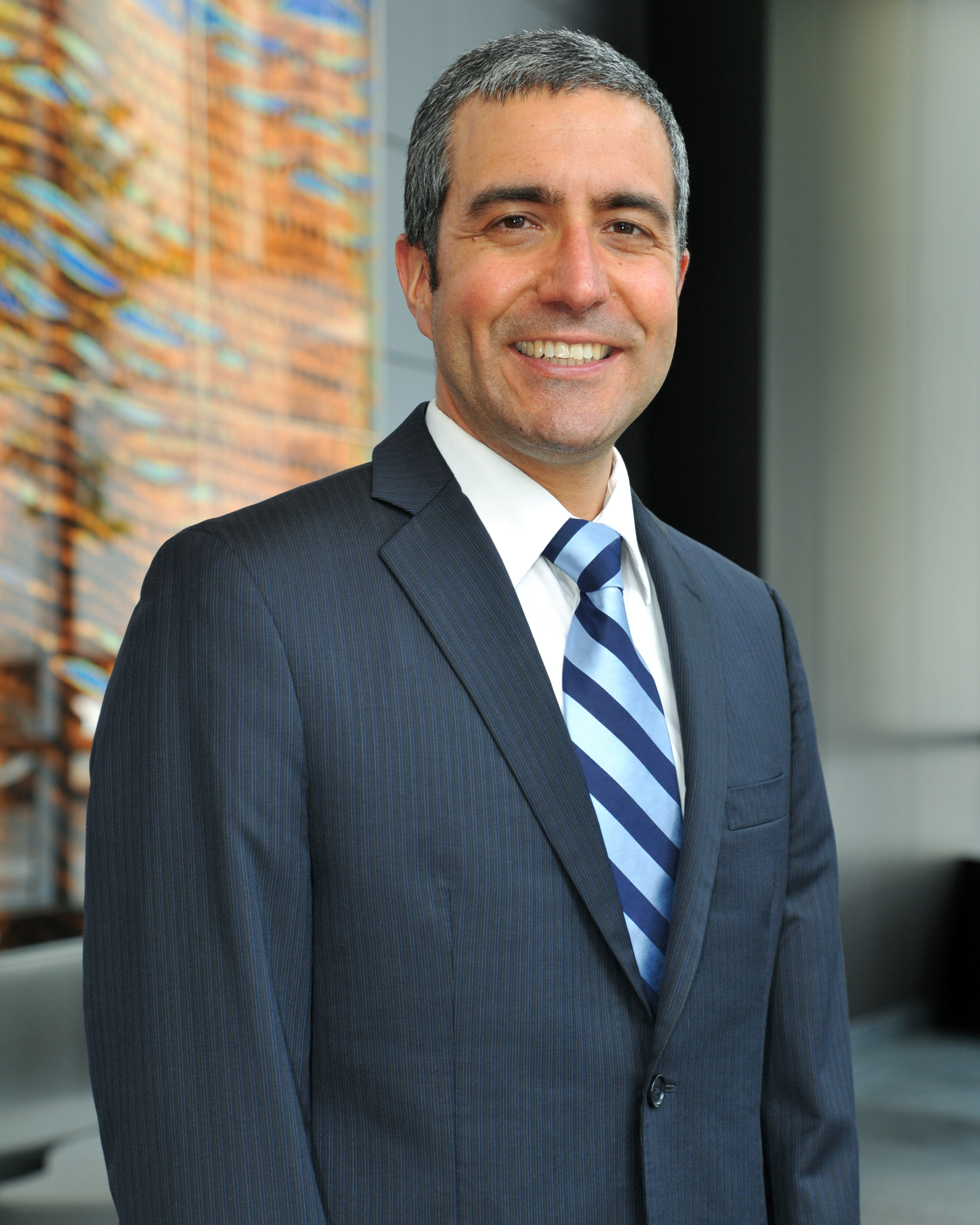
Today’s program is “Leqembi and Kisunla: Your Questions Answered” and I am delighted to introduce our fabulous guest expert today, Dr. Armen Moughamian. And Dr. Moughamian is a cognitive neurologist and the medical director of the Ray Dolby Brain Health Center, part of the California Pacific Medical Center and Sutter Health in San Francisco, California. He leads a multidisciplinary team of physicians and nurse practitioners, neuropsychologists and social workers in the evaluation and treatment of patients with cognitive impairment. He also leads the clinical trials program at the Dolby Center, focused primarily on treatment trials for Alzheimer’s disease and early diagnosis. And he serves as the Chief of Memory for the Sutter Health Neuroscience Service Line, where he coordinates care for patients with memory disorders across the Sutter Health System. Welcome, Dr. Moughamian.
ARMEN MOUGHAMIAN: Thank you for having me.It’s a pleasure to be here. I’m excited to have this conversation.
NANCY KEACH: Well, apparently, a lot of people are excited. As some of you know, we’ve had over 2,000 registrants and received 350 advanced questions. So I’m going to start with an apology, which is that we are not going to be able to answer all 350 questions today. So hopefully, we’ll have Dr. Moughamian back all year long to keep teaching us.
ARMEN MOUGHAMIAN:I look forward to it. I would like to say, just because this has been sponsored by pharma companies– and for full disclosure, for myself, I have done consulting and done clinical trials with some of these pharmaceutical companies. But my opinions today are purely of my own, and I am here on a volunteer basis, notsponsored myself here today. So I think that’s important for everyone to know and to hear from my own disclosures.
NANCY KEACH: Thank you so much. And yes, and these sponsors also do not influence the content from BrightFocus’ perspective. The content of these programs is entirely our own as well.
So I want to start– and I’m running a little fast because there’s so much interest and so many questions. So what I want to say is we’re going to try to cover today– AI sorted all of the questions, so the things you guys are asking the most about and the things I’m going to get to today. And I’m telling you this, so you’re knowing in the chat we’re going to get to that subject– the drugs and how they work, eligibility, diagnosis requirements, dosing, administration duration, then efficacy and outcomes. Do we know these are efficacious and how do we know? Side effects and safety– that was by far the biggest category of questions that y’all submitted. And if we have any time left after that, we’re going for access, cost, and coverage, and comorbidities and concomitant medications. So let me start here.
The medicines Leqembi and Kisunla are known as monoclonal antibodies. Mary from Minnesota asks, “How do these drugs work for Alzheimer’s?” And Charles from New York says, “I’m just interested in what these can do for my wife.” So can you tell us how they work?
ARMEN MOUGHAMIAN:Soa little primer about how they work. To understand that, you have to understand the disease. So what is Alzheimer’s disease? It’s the clinical changes that we see of memory loss that lead to dementia, which is a functional loss, where patients need help. That is due to underlying pathological changes in the brain.
What is pathology? It’s the accumulation of abnormal proteins– the gunks of protein. The first pathology that accumulates in Alzheimer’s disease is amyloid. This leads to tau accumulation in the brain, which then drives cells to not work as well, to be dysfunctional, and then degeneration. It’s called neurodegenerative diseases, brain degeneration, loss of brain cells, which leads to the clinical changes that we see in our family members– loss of memory and loss of function, which is dementia.
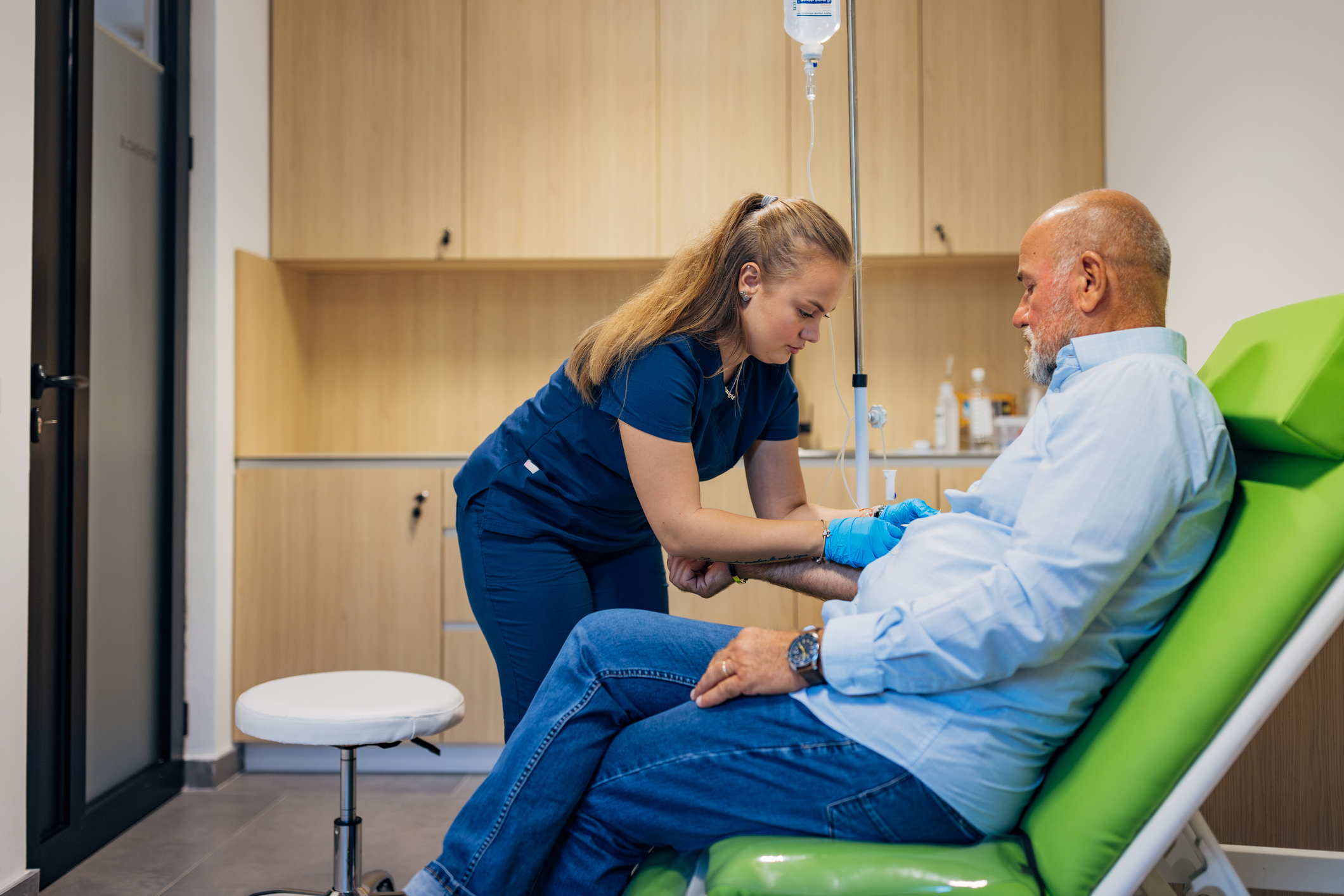
Now you understand the pathology, amyloid and tau. You can understand how these medications work. They are antibodies which target amyloid. What does that mean? These are infusion therapies. We give them IV because that’s how we have to give antibodies. They go into your bloodstream, and they bind to amyloid. And what they do is they then recruit the immune system to remove amyloid from the brain. So what these therapies are– there’s this word of immune therapies. They stimulate the immune system to remove amyloid from the brain. That is simply what they do. So the question about what they do for you is they remove amyloid from the brain. And what they don’t do is cure Alzheimer’s disease because Alzheimer’s disease is more than just amyloid, and they don’t cure it. So they don’t make people better. They also don’t stop the disease progression either, but they do slow the progression down.
Question is, well, if you’re removing amyloid, why doesn’t it stop the disease process? Again, you go back to the pathology because it’s two parts. There’s amyloid, and there’s tau. And so we’re only removing one of those pathologies, so we wouldn’t expect these medications to stop the disease progression. They just slow the progression down because we’re addressing half of a part of– I don’t want to use the word half, but we’re addressing one part of the pathology. So the goal of treatment is to slow the progression down and to keep patients in an earlier stage longer. As we see the efficacy of these medications– when patients come in an early stage of the disease, the mild cognitive impairment stage, these are people that are doing really well in life. They have some memory problems. They’re able to adapt around the memory symptoms– more use of lists and reminders. What people really fear with Alzheimer’s disease is the conversion to late stage disease. This is moderate to severe dementia. This is when the disease is overtly obvious in your day to day life. You’re requiring daily care. This is when the disease is most impactful. I don’t want to minimize mild cognitive impairment, but really the end stage of the disease is what people fear.
And the goal of these therapies and the efficacy that we see of these therapies is to bend the curve and push out when patients get moderate to severe dementia. We see about a 37% slowing of converting to the next stage of the disease and a 50% slowing in conversion to the late stage of the disease at a year and a half of treatment.
NANCY KEACH: And I have Gene from North Carolina, “Are these new medications limited to the early stages, or are they effective for all stages of Alzheimer’s?” And I’m going to a YouTube question here from Linda, it looks like, “Why are all things suggested to help AD only available to early stage?” And I get this question a ton. Like the man who started this and said, I just want something to help my wife. But why is there so little testing being done and so little available to people who are in moderate and later stages? And will that change?
ARMEN MOUGHAMIAN:Yeah. So good point.Let’s define the stages of the disease. There’s different ways of defining the stages of the disease. There are really six stages, but I think you can even make that even simpler into three stages, which is pre-symptomatic disease, where people develop these pathological changes of amyloid and start to develop tau but don’t have symptoms. Then you have early symptomatic disease, the mild cognitive impairment to mild dementia stage of the disease. Mild cognitive impairment means symptoms of cognitive change that patients are adapting around. Mild dementia means that you’re starting to need some help with more complex activities, finances, medications– driving, for example. And then late stage disease, where patients need prompting or full assistance with daily care, like bathing and dressing, et cetera.
Now, because Alzheimer’s disease is the sequential accumulation of proteins in the brain, amyloid is an early pathology, which drives tau. Once patients have a significant amount of tau in the brain, the tau becomes self-propagating, and it no longer depends on amyloid. Because of this, once patients are in that late stage of the disease, they have too much tau in the brain. Removing amyloid provides no clear clinical benefit. So this is why we only treat patients in that early symptomatic stage.
You may ask about pre-symptomatic disease. From a clinical trial standpoint, I’m very excited about these trials. There’s at least three that are going on right now across the world that are looking at pre-symptomatic disease. I think this is an area of significant optimism but not an area where we’re treating it because we don’t have the data. This will unveil itself over the next two or three years, maybe a little longer. I think there’s a lot of optimism there. Right now, we have the data to show that mild cognitive impairment to mild dementia stage is where we see the benefit. But even within that group of mild early symptomatic Alzheimer’s disease, it is very clear that the earlier we intervene, the more likely we are to see benefit.
So when I use that term of about a 30% slowing, that group can be further subdivided. If we look at patients that are in those really early stages– mild cognitive impairment with low levels of tau pathology in their brain– we see up to a 60% slowing of cognitive impairment in the donanemab treated group after a year and a half. And with lecanemab with low levels of tau in the brain– again, early pathological disease. We see that around 69% of patients at four years had no decline in cognition. So the effect– we use the overall effect because that was what was shown in the trial. But even within that, the earlier we intervene, the more likely we are to see significant benefits of these amyloid targeting therapies.
NANCY KEACH: And I will say there are other– few, but there are other medications or devices that are being tested. Are there things that may be helpful besides agitation medication?
ARMEN MOUGHAMIAN: There are treatments that can be helpful for managing the symptoms inlate stage disease, primarily around behavioral management. And I would argue that there’s still treatment, which is a lot of management, which is how do you approach that patient. How do you optimize quality of life of the patient and the caregiver? We cannot forget the caregiver, especially in that later stage disease. And this is a lot of what we deal with. Unfortunately, because– once you’re in moderate stage disease, we would have to reverse things. And reversal is a much more challenging problem because you have a loss of brain cells, and the ability to regenerate brain cells and regrow them back in the same ways that they were before is maybe possible, but that is many, many years down the road. And this is true in a lot of things in medicine in general. The earlier we intervene, the better we see outcomes– cancer, infections, et cetera. So this is a common theme. And frankly, we’re much better at prevention than we are at reversing. And so this is, unfortunately, why this most significant advances are in early stage disease.
NANCY KEACH: And we’re going to talk about this later. Also reminds us how important it is to get an early diagnosis if you’re concerned.
ARMEN MOUGHAMIAN: Absolutely. That is one of the clearest messages that I hope we can convey today. Is that early diagnosis really matters. And the other thing is that the symptoms of early mild cognitive impairment can be really challenging to figure out. And we now have tools not only to diagnose Alzheimer’s disease, but the correlate to that is that wehave the ability to diagnose you with not having Alzheimer’s disease. So if you have some mild memory symptoms, some word finding difficulties, you can’t remember the name of a street, you can get an evaluation from a neurologist and be told, actually, you don’t have Alzheimer’s disease. I think that can be a very liberating diagnosis to give or not diagnosis to have. And so it relieves a lot of anxiety. So the earlier we can test people, we can also tell them they don’t have it in addition to having it. If every patient I order an amyloid scan on to look for that pathology of Alzheimer’s disease has it, I’m not ordering enough scans.
NANCY KEACH: Understood. So just quickly, before we move on to who’s eligible and stuff like that, a lot of questions about can you take this if you’re on blood thinners, especially. I have Toby David from Indiana, Carol from New York, Ed from California. Can these be combined with other medications– lithium orotate, GLP 1, Aricept and Namenda. But a lot, of course, about blood thinners. Can you try to answer all of that in about three seconds?
ARMEN MOUGHAMIAN: Sowith the symptomatic therapies for Alzheimer’s disease– I think this is really important to note. So the symptomatic therapies of Alzheimer’s disease– that’s the donepezil, which is Aricept, Rivastigmine, which is Exelon, Galantamine, Razadyne. I think this is the brand name. Memantine, which is Namenda. What these medications do is they try to optimize brain chemistry. They boost people a little bit. So if you think of a very slow slope downward that is Alzheimer’s disease, the amyloid therapies do is they bend the slope. They slow the slope. What the symptomatic therapies do is they boost people, but they don’t change the trajectory of the decline over time. These medications were studied in the clinical trial. About half of patients were on one or both of these types of therapies. There is no interaction. They work differently and synergistically. So patients on symptomatic therapies for Alzheimer’s disease should stay on those therapies for Alzheimer’s disease.
Other diabetes medications– GLP 1, hypertension. There’s those medications are very important to also stay on because your vascular health reduces the risk of cognitive decline in the future. There’s no clear indication for GLP 1 Alzheimer’s disease– that trial recently didn’t show positivity, but there’s no reason you need to come off of those medications. And the better you can control other medical illnesses, the better your brain will be. Lithium orotate is an entire conversation in itself. There is no human data that shows that it is efficacious in people. It was a mouse study and a small study in a single lab. I think that needs to be replicated before we recommend giving that to patients. Now, in a clinical trial, there is a little there is a box of– and there are medications that have not been studied. And so this is a provider to provider conversation.
Now, with the anticoagulation, this is an important issue to talk about. Why is there a higher risk of anticoagulants? There’s a bit of an unknown. They were included in the clinical trial. The issue with these amyloid targeting therapies, what we haven’t talked about yet, but I think we will, is a side effect called ARIA. So what happens with– ARIA stands for Amyloid-related Imaging Abnormalities. We use ARIA because that’s too big of a word. It sounds better than the actual word– Amyloid-related Imaging Abnormalities. To understand what that is it’s actually the medication working in some way, but it’s working too well. So as we’re stimulating the immune system, we can overstimulate the immune system. And this leads to a swelling that can happen in the brain. That is ARIA-E, edema. Or ARIA-H, which is hemorrhage, bleeding. Typically, these are very small microbleeds or bleeds on the covering of the brain called superficial siderosis. A little micro bleed is really clinically meaningless. However, if you have a micro bleed while you are on a blood thinner, there’s a greater risk of a bleed becoming a big bleed, and that is a problem. And so about 5% of patients in these clinical trials were on anticoagulation. And there is a small signal that, potentially, there’s a higher risk for patients on anticoagulation. And so the FDA has not completely excluded– it’s not an absolute contraindication to give these therapies in patients that are on anticoagulation. But as a field, we are very hesitant to do that because of this risk of a little bleed becoming a bigger bleed. And we don’t want to cause harm in patients.
So this is why we try to avoid anticoagulation in use with amyloid targeting therapies, and there are some interventions that you can do to come off of anticoagulation, particularly around– the biggest reason or most common reason patients are on anticoagulation in an older patient population is atrial fibrillation. So with atrial fibrillation, you can form a clot in the heart that can cause a lack of blood flow to the brain, which is an ischemic stroke. That is not good. And so we put people on blood thinners. You can put a device in called a left atrial appendage occlusion device, which allows people to come off of anticoagulation. Again, this is an individualized discussion that needs to happen with your neurologist and a cardiologist, but there are some possibilities that allow patients to get the protection of anticoagulation but not the risk of anticoagulation and therefore onto the amyloid-targeting therapies lecanemab and donanemab.
NANCY KEACH: OK, great. So let’s go to who is eligible. What age, stage of disease we talked about, but maybe you can talk about the cognitive test. So how do you get the diagnosis? Who’s eligible, and what are your absolute disqualifiers? What makes you ineligible? You prescribe both of these medications, correct?
ARMEN MOUGHAMIAN: I prescribe both medications. My goal is not to get patients onto therapy. My goal is to open the door. I think early diagnosis– awareness about the underlying disease is the most critical thing that a physician can do.It’s telling people what they have and tell them about their options. Our job as physicians is not to force you to do one thing or the other. It’s for you to understand what you have and what your options are, so that you can make an informed decision of what you value and what you want out of your life. So many patients want to go on therapy. Many patients don’t go on to therapy. As long as it is their informed decision, I am very happy. So if we don’t diagnose this disease, then we are making a decision for patients. And that is not good. So that’s my take.
I prescribe both medications. Our clinic itself has around 400 patients on therapy. Our health system has around 900 patients on therapy. This is something we can talk about in the future. It’s how we can, as a field of cognitive neurologists, promote the ability and access to these therapies across the health system. We at Sutter Health have done a lot of work in making sure that general neurologists also have support and access to these therapies and something that we’re going to be publishing pretty soon. So because it just shouldn’t be in the hands of a few, the goal of these therapies and the greatest efficacy will be when more patients have access.
So who are the patients that are eligible, and how do we determine that? So first of all, and most importantly, it’s early symptomatic Alzheimer’s disease. That’s the mild cognitive impairment to mild dementia stage. The best way, in my opinion, to identify the stage the disease is the impact that disease is having on somebody’s life. So these are patients that have symptoms of cognitive decline, and we can observe that on objective evidence of testing. So this can be a short form cognitive test– something like the Montreal Cognitive Assessment, the MoCA, or the SLUMS, which is the St. Louis version. These are pen and paper tests. Draw a clock. Remember some words. Maybe come up with some words– number of F words that you can come up with in a minute. These provide us some level of objective assessment of cognition but shouldn’t be overly relied on to stage the disease. More importantly, I would say, is the impact it’s having on someone’s life because there can be caveats to cognitive testing. But everybody should have a history done. What are your symptoms? Some level of objective assessment for their cognition favoring the Montreal Cognitive Assessment, the SLUMS or full neuropsychological evaluations often taking a couple of hours done by neuropsychologists, and a functional assessment. So are you able to adapt around the disease? Do you need help with managing your finances or medications? Once it starts to be prompting for bathing or difficulties getting dressed, reminders to– remember to eat. That’s really getting into late stage disease. So we’re not treating those patients. So those are the patients.
Every patient has to have an MRI. Why? One, we want to make sure that we’re not dealing with something else that’s not Alzheimer’s disease, so ruling out other structural causes. And also assessment of the underlying structure of the brain to see if there’s any high risk features that would make patients ineligible. Primarily if they already have little bleeds in the brain, they would be at high risk for more bleeds occurring, and we wouldn’t treat those patients. We also perform and critical to perform a confirmation of amyloid status. What does that mean? We want to prove that they have Alzheimer’s disease. Because not every patient that has memory problems has Alzheimer’s disease. And so because these therapies address the underlying pathology of Alzheimer’s disease, we better make sure they have Alzheimer’s disease. And so there’s a variety of ways of doing that.
The two gold standard ways in clinical practice are an amyloid PET scan, which is an imaging way to measure the level of amyloid in the brain. We give an injection of a tracer. Goes to the brain. We can visualize it on a PET scan, amyloid PET. The other way is through spinal fluid analysis, the lumbar puncture or spinal tap. This is a way of capturing some of that fluid that surrounds the brain, measuring the levels of amyloid and tau in the brain using biochemistry. If there’s a pattern that we see that’s consistent with Alzheimer’s disease, that’s the other way.
The new emerging way is, actually, through blood testing. So there’s a marker called p-tau217 that’s pretty reliable in predicting whether patients have amyloid deposits in the brain. This is newer. I think there’s a little bit of hesitancy to be overly reliant on that as confirmation. I think very helpful in triaging, so figuring out who needs more of that advanced gold standard testing. I think this is where I’m primarily seeing the use of blood-based testing, but that’s also evolving over time.
So we have to absolutely make sure that they have the disease that we are treating them for. And actually, as a caveat, some people say, well, why weren’t some of those initial trials effective of amyloid removal? Because we’ve had a lot of failures. If you look back at some of these trials, we didn’t include that amyloid confirmation. And 30% of the patients that were in these trials didn’t have the underlying disease. So we learned how to do these clinical trials. That’s a bit of a caveat.
So recap their– baseline, where they are clinically. An MRI, a confirmation of amyloid status, making sure that they don’t have high-risk medications. We also perform a test called the APOE gene test. And this doesn’t necessarily mean you can or can’t go on therapy but helps us understand the risk of therapy for that patient. If you have no copies of the E4 gene, you’re at the lowest risk of treatment. If you have one copy of the gene, you’re at the middle risk. And if you have two copies, you’re at the highest risk. So that is very helpful for clinicians and for patients to understand where they are so that they’re making the appropriate decision of the risk-benefit of treatment. A little bit on that– it’s not a linear increase. It’s sort of like no copies is here. One copy is here, and two copies is up here. So there’s a big step up once you have two copies. That’s really the highest risk group. I treat those patients primarily when they’re in very early stage disease, so that we can maximize the benefit and minimize the risk. In Europe, for example, they decided not to treat APOE4 homozygotes. Personally, I think that was an overly paternalistic approach from the European regulatory agencies. I think we have to have a more nuanced approach.
NANCY KEACH: I’m almost on track in trying to get us to side effects by the half hour, but let’s just quickly talk about how it’s administered. It’s an infusion. The course, generally, is 18 months. And I’ll let you correct me if I say anything wrong because we had a lot of questions. Obviously, a lot of people are on the drug or have been on the drug. So now that we’ve got through the basics. We have Tammy from Georgia, “After completing the month treatment plan of Leqembi, my mom is now on maintenance once a month. I would like to know if instead of Leqembi maintenance she should go straight into Kisunla?” Oh, this is a different question, but there’s a lot of questions of why is it 18 months instead of 12. If I’m on one and I get through with the 18 months, should I try the other one? Do I wait? How long do the effects remain? Can you go into all of that?
ARMEN MOUGHAMIAN: Very goodquestions. And I will do my best here, but I will be honest. This is an area of uncertainty. So these are new medications, and we are driving the ship forward. So we create access but also learning a lot as we’re doing that. And so we don’t have the answers to a lot of these questions. Both medications, as of now, for the initiation of treatment, are IV. These are antibodies. You can’t take them orally. They have to be injected– IV right now subcutaneous for maintenance for lecanemab is available. I think these will be moving towards some subcutaneous formulations in the future area of development. IV because that’s how we have to get them in.
Why 18 months? 18 months was because that was what was done in the clinical trial. Why was 18 months selected in the clinical trial? We wanted enough time to be able to see the efficacy of these medications, but clinical trials are really complex, and running longer clinical trials reduces access. It takes a long time and are very expensive. 18 months was thought to be a sweet spot for detecting the difference but not having it too long of a trial. That’s why it was 18 months.
So as far as continuation of treatment– OK. One step back. What is pretty clear from a totality of clinical trials is that medications that remove amyloid from the brain are medications that are effective. The medications that don’t remove amyloid from the brain are not effective. So we have aducanumab, which is a story of itself, but it showed some efficacy. It cleared amyloid, lecanemab, donanemab all remove the aggregates of amyloid. Amyloid, though, is not a single species. It starts as this very soluble protein that is normal. Then it starts to oligomerize, which is semi-soluble species, fibrils, protofibrils. And then it forms amyloid plaque. We can visualize the plaque on the scans of amyloid PET scans. We cannot visualize those intermediate filaments that are protofibrils and fibrils and oligomers. There is a difference in the treatment models here about how to approach the disease.
Donanemab targets amyloid plaque in itself, and the model that was set out for the treatment and treatment duration was we should clear people of amyloid plaque from their brain and then stop them once we no longer see the plaque in the brain because there’s no longer that target. So what was done in the trial was they treated patients, and they did amyloid PET scans every six months. And they showed that amyloid goes away. And they took patients off of the treatment when they met pre-specified criteria for discontinuation. They followed those patients over time, and they show that on average patients that are on– once they are cleared of amyloid continued to have a durable effect that was divergent from the placebo. Meaning that the effect stayed, despite the medication not being on treatment. We don’t know if they would have done better if they stayed on treatment because nobody was allowed to stay on, or everybody was like on until they cleared and then discontinued. Therefore, we have some data to support that. The effect of donanemab can be durable once amyloid is removed from the brain. So we are typically treating with donanemab, until patients are cleared of amyloid and then discontinuing. In my clinical practice that you have about a 50% chance of amyloid clearance at 12 months and an 80% chance of amyloid clearance at 18 months. So typically, I don’t repeat an amyloid PET scan, until 18 months, because I really want to get people to the lowest level of amyloid possible and then make a reassessment. Sorry for the long winded answer.
Lecanemab targets an intermediate proto fibril– this semi-soluble species, which we can’t actually measure in people, but it’s thought to also be a toxic species. It also clears amyloid from the brain. Eisai, the makers of lecanemab, their model is that Alzheimer’s disease should be treated in perpetuity. That we should clear amyloid from the brain, but that maintaining a low level of these protofibrils is necessary for keeping the durable effect. They also have not studied keeping people on and keeping people off and looking to measure that effect of maintaining therapy. So they treated patients for 18 months, and then patients were allowed to continue on in different models. Ultimately, they found that maintaining people on an every four-week IV dose maintains amyloid levels very low and seems to have the durable effects as well. Again, there is uncertainty here because we don’t have randomized data to compare between the two. So the current treatment paradigm for lecanemab is at least 18 months of every two week doses IV and then a maintenance dose of either IV every four weeks or subcutaneous dose, which you can inject yourself using an autoinjector pen every week that keeps amyloid levels low. So that’s the general opinion.
What’s my opinion? My opinion is that, A, this is the biggest unanswered question in this field right now, which is what is the best option once people are amyloid cleared? I think getting people to amyloid clearance is a very important target, and it’s something that I really try to achieve before I think about maintenance dosing or discontinuing. I want to get that scan to a negative result because every medication that’s worked has gotten people to negative results. So that is my personal goal for my patients. But whether we go on to maintenance therapy or discontinue I think is an unanswered question. I hope that Eisai and Lilly are listening here, because I would hope that they actually can prove to us the efficacy of their models in the future clinical studies. I really encourage them to do those clinical studies, so that providers can appropriately counsel our patients. I do feel the greatest benefit of these therapies is in that initial clearance of amyloid. There may be some additional benefit to patients in maintaining that the effect– with maintaining on some level of maintenance therapy, keeping the levels low. But I don’t think it’s the majority of the effect. And I don’t think you have to stay on therapy to get some effect. But this is an unanswered question. So you can ask me some follow up questions. I don’t know if I get all of the question there, but that’s the rubric for how I think about it.
NANCY KEACH: I’m not going to ask you follow up questions. What I’m going to say is that it shows to everyone listening your questions are very valid, and very good questions—
ARMEN MOUGHAMIAN: Yeah, excellent questions.Yeah.
NANCY KEACH: –right at the beginnings of the treatments, and we don’t know. And I do promise you Lily and Eisai are watching this. And they’d probably like to know as much as we would and do these studies. And as we’ve talked about on this program before, studies take a long time. They’re incredibly expensive, and that’s a whole other episode on how do we improve the infrastructure of clinical trials in the US and abroad.
Even though I know there are a lot of other questions, which it sounds like we may or may not kind of know the answers to terms of duration or switching from one to another, I’m going to ask another question that was asked. So you start the infusions. How do you know they’re working? I’m going to get to side effects right after this I promise. But should people expect to feel better? Should they expect to be remembering more? What if they feel worse? And what if their cognitive tests show that they’re declining rapidly when they start the drug? Because I saw a lot of questions about these individual experiences.
ARMEN MOUGHAMIAN: I’m going to give an answer that may be a little shocking to people, but you don’t actually know if these medications are working.Why do I say that? I’m not trying to throw my hands up. But it is very hard, if not impossible, to judge the efficacy of these medications in an individual person because Alzheimer’s disease is a variable disease. It progresses at a variable rate.
NANCY KEACH: That’s true. And somebody wrote that in the chat. How do you know if it’s 30%? Because people are variable. But can you look on scale?
ARMEN MOUGHAMIAN: I’mnot trying to throw my hands up, but I do think it’s important to rely on the data that we have, which shows in two independent, well-done clinical trials of over 1,800 people the efficacy of these medications. And the greatest thing about having two medications is that we’ve proven the mechanism. We have two medications that are a little bit different but target the same thing and show a consistent effect. These medications work. We don’t need to prove it in an individual patient. Now, that is easy for me as a scientist and a clinician to say at this very high level. That individual patient wants to know, and that is a totally reasonable thing. But I think it’s very hard to judge the efficacy of these medications in an individual patient.
Now, patients should not expect to feel better. That is an unrealistic expectation because these medications don’t improve the disease. They don’t stop the progression. They slow the progression down. So the general expectation is that patients will continue to have symptoms. They will continue to decline. I really don’t like doing repeat cognitive testing. First of all, patients don’t really like doing it. It produces a lot of anxiety in patients, and I don’t know what I’m going to do with that data. You lose a point. You gained a point. You lost five points. I’m not going to change the course of treatment. What I really like to focus on is function. What is the impact of the disease is having on patients? How are they able to adapt around the disease? How can I help them and my team help patients cope with the disease and the symptoms? And I think this is how I judge the efficacy of these medications. Is the feeling of are patients staying in those early stages for a longer period of time. And now, with two and a half years of clinical experience in treating patients– not on a trial, but in a clinical setting– I do feel that patients, particularly when caught in a very early stage of the disease, are receiving benefit from these therapies because they’re staying in those early stages for a longer period of time. Some patients feel a little better. I think that’s great. But it’s not something that I counsel patients on. That’s an unrealistic expectation. We won’t know the efficacy of these medications in a patient for years down the road because they stay in those early stages. That’s when you would know that they’re efficacious.
NANCY KEACH: OK. I keep promising it, and even though I want to ask a hundred other things, I’m going to go to side effects. And I see Ann wrote in the chat, could you repeat the gene test again, the APOE gene test? But let me just say, there’s a lot of risk benefit questions. And if I get a bleed, can you lower the dose? If the bleed goes away, can I start again? Can you give us a five-minute primer here about ARIA side effects? And then there are some questions about infusion side effects, or getting chills and fever– that kind of stuff. But obviously most questions are understanding the risk benefit from ARIA. And what if I’m this APOE status or that? So if you can go back to that, that’d be great.
ARMEN MOUGHAMIAN: Yeah.So let’s just start with the side effects. We’ve talked a lot about the efficacy. The goal of treatment is keep patients in an earlier stage for longer, kicking the can down the road for late stage disease. What’s the downside? We talked a little bit about it as far as the infusions inconvenience. But the side effects I think of as two main side effects. One, you mentioned both of them. The first is these infusion-related reactions. We are infusing an antibody into the bloodstream, and patients can have a reaction to that because you instantly stimulate the immune system. These are typically pretty mild flu-like symptoms, as described– chills, muscle ache, fever. You feel kind of crummy for about 24 hours. These are typically in the first couple of infusions– typically very mild. Sometimes can be more significant, where patients develop an anaphylactic reaction, dropping their blood pressure. This is why we monitor patients in the infusion centers afterwards to make sure that they tolerate the medication. Sometimes we premedicate patients with a Tylenol or an antihistamine to reduce the risk of those infusion related reactions. Typically something very manageable by the infusion centers. So that’s infusion reactions. That’s why people get chills.
The more significant side effect is this ARIA side effect– amyloid-related imaging abnormalities, as I’ve talked about. It’s as the amyloid is being removed, it can overstimulate the immune system, leading to a swelling and edema that happens in the brain or bleeding that happens in the brain. It sounds really scary, but I think it’s very important to understand the clinical context for which ARIA occurs. It stands for Amyloid-related Imaging Abnormalities. The majority of patients that develop ARIA are asymptomatic. Meaning they feel nothing– about 75% of patients that develop it. It is only seen on images and not seen in clinical symptoms. Those 25% of patients that develop symptoms tend to be transient symptoms– headache, nausea, dizziness, vision changes, walking changes, confusion. That happens and will resolve over the course of a couple of days, sometimes weeks, as the swelling goes down.
The side effect that most people are really worried about is a permanent problem, like a permanent side effect, a neurologic disability that occurs because of a side effect. And that risk is there primarily in the risk of a bleed becoming a big bleed. As I said, the majority of bleeds that occur in ARIA are little micro bleeds that are clinically meaningless. But there is a risk of a little bleed becoming a big bleed.
And that risk is about a half a percent of treated patients, and these are significant. And these lead to basically a patient having a bleeding stroke. And that can lead to permanent neurologic disability. So if you look at the top line results of about a 15% or 20% risk of developing ARIA, that sounds really scary. You’re like, oh, my God. I’m going to have a 20% risk of a bleed and a hemorrhage or a swelling that happens in the brain. That is true, but it needs to be put into this appropriate clinical context of the majority of patients feel nothing. If you do develop a symptom, it resolves over time. But there is this serious risk of bleed, seizures, ICU admission. But that is about a 0.5% or so of a serious symptomatic side effect.
NANCY KEACH: That’s what I was going to ask. Was that percentage of people that really have it?
ARMEN MOUGHAMIAN: It depends on the drug, butit’s 0.5. It’s less than 1%. Let’s put it that way– less than 1% of patients having a serious symptomatic side effect, and less than 1% having a permanent disability that exacerbates the cognitive symptoms of Alzheimer’s disease.
The other important aspect is that we can stratify patients underlying risk for the development of ARIA, and we monitor for ARIA. We can see it on the images, all right? So this gets to understanding why we have to put patients through a lot of MRIs once they’re on therapy. ARIA occurs early. Within the first six months of treatment, over 90% of the ARIA, if it will occur, will have occurred. This is why we have to monitor patients early in treatment– an MRI after the first month, second month, and third month of treatment, and then an MRI after six months of treatment. We want to catch that asymptomatic ARIA before it develops symptoms, make adjustments if we need to to the medication, and then go from there. Additional MRIs may be necessary, depending on whether patients develop symptoms, but that’s why we have to do those monitoring MRIs. It is for safety.
NANCY KEACH: So less than 1% risk of a serious permanently affecting– how would you describe– the family is sitting in your office. Or how do you describe, I should say, and they say risk benefit. What’s the risk benefit in it? What’s your elevator pitch that describes to people– I’m going to assume you feel that they should try it.
ARMEN MOUGHAMIAN: I’mnot trying to pitch to get people onto therapy. I think, again, we have to open the door, and every medication, every treatment is an option that you exactly put up about. What is the benefit, and what is the risk? And this is an individualized decision. The baseline MRI is very helpful to see if there’s any evidence of cerebral amyloid angiopathy– little bleeds that are happening. We exclude those patients that have a significant number, but even patients that have a few of those are at an elevated risk.
The other is these APOE genotype, where it helps us understand the risk benefit. When I talk to patients, we have to just dispel the data. Here is this 30% slowing on average. Here’s the risk. I would generally favor for patients that are eligible for treatment the benefits outweigh the risk. ARIA is a manageable side effect. Again, we have now seen in clinical practice with nearly 400 patients, 900 patients in the health system, that ARIA is manageable. The observed rates of ARIA in our practice are lower than what was observed in the clinical trial, and this has been replicated in other cohorts around the country and the world that we’re seeing lower rates in clinical practice than what was seen in the clinical trial. Unclear why that is but exciting to see.
So I do think the benefit outweighs the risk. I will say the risk seems pretty static over time. Maybe it does increase as the disease progresses very modestly, but clearly the efficacy of these medications declines as patients progress through the disease. So when I talk about the risk benefit, I think we really want to focus on the greatest benefit in this early stage patient, the mild cognitive impairment stage patient, where you’re adapting around the disease. That is where the benefit is the greatest, and the risk is static. As the disease starts to progress, the risk is still there. And so this is why in late stage disease we don’t treat because you still have the risk, and the benefit is minimal. So this is how we counsel I think stage of the disease, how the influence the APOE genotype is helpful for the overall treatment. One thing I would caution, though, is that we want to treat patients before the disease is really bad.
If the disease is really bad, and you’re feeling like you’re grasping at straws because you have this bad disease, that may feel as a patient– the time where you want to intervene the most or as a family you want to intervene the most, I would argue that’s probably the least likely to be the efficacious time. There is a bit of a leap of faith that when you’re doing really well is when you’re going to benefit the most, and that’s when we should intervene. But recognizing that there is this risk, we don’t want to wait for this disease to progress to then intervene. We’ve missed a window of opportunity.
NANCY KEACH: I’m going to ask a couple of quick questions about adherence. I’m going to ask you. So Ronda had written in the chat, “What is the risk if one takes a pause from the Leqembi protocol of several months?” And I’m going to read a question from my friend Thomas from Carmel, Indiana. He says, “Why is it important to do the work?” He wants us to discuss why it is important to do the work and stay on the treatments according to their labels. So can you address adherence a little bit?
ARMEN MOUGHAMIAN: Yeah. I mean, these are cumbersome treatments. They are influencing people every two weeks onlecanemab, every four weeks on donanemab. That can interfere with patients’ travel plans, and maybe they’re snowbird. They’re in different places. I think that first of all we don’t want to start patients that aren’t going to be able to be compliant on therapy because if we start people, they do it for a few months. We’ve exposed them to a lot of risk. They’re not going to get the benefit. So this is where the counseling of understanding what you’re signing up for is really important. We want to make sure that we have patients that are willing to go through all of this.
Now, if you need to skip an infusion because you have a big retirement plan trip, and you want to skip one treatment, I don’t think that’s a big deal. Now, if you’re going to skip every other treatment, that’s probably a bigger deal because there is evidence to show that the sooner we get people to amyloid clearance, the greater the efficacy. So one infusion here or there– a year is not a big deal, but you don’t want to extend this initial course of treatment over three or four years. We don’t know that it won’t impact the disease, but that would probably not be ideal.
NANCY KEACH: This is really fantastic. I just have to thank you. You’re such a great communicator. Thank you. I really wanted to get to coverage and access because there are a lot of questions about it. I don’t think we have the time to do it justice. So will you come back and talk about coverage, cost, access?
ARMEN MOUGHAMIAN: I’dbe happy to talk about it. Top line there is that, generally, the testing amyloid PET MRIs are covered, particularly fee for service Medicare. Medicare Advantage requires more authorizations, which can be cumbersome on physicians’ offices. And generally, Medicare treatment patients over the age of 65– those that are on Medicare for Disability. We are getting coverage, particularly Medicare Fee for Service. Medicare Advantage can be more challenging, and commercial plans for the patients that are under the age of 65 also can be more challenging, require a lot of authorizations, et cetera. It’s very individualized, but generally, we are getting coverage. Generally, these are not costing a lot out of pocket. But there’s exceptions to that as well.
NANCY KEACH: And we are going to put up phone numbers and helplines from the companies, who will probably be able to guide and advise regarding reimbursement on those. And of course, it’s hard also. This is not off of a specific question– but to find your doctor or your health care system that prescribes these and monitor.
ARMEN MOUGHAMIAN: Now, I thinkI’ll riff on that for a sec. I want the patients and the families on this call to push their physicians, push their neurologists. This is incredibly important. We must advocate for this disease, and we must advocate for our family members. By you as consumers pushing the health care system, we will advance this disease. We at Sutter Health are really attuned to this, and a lot of patients are motivated. Sorry to go off on a tangent, but why do I do my job? Why am I interested in neurology? I’m biased here, clearly, but the brain is the most fundamentally human organ, and it is what makes us who we are. And why patients fear Alzheimer’s disease is the loss of that identity and who we are. And if we can preserve that for longer, we’re making great impact on families and patients’ lives.
And so there is a lack of understanding of this disease, particularly early stage disease, by patients and doctors throughout the world, in the United States, and community. Through advocacy, doctors will rise to the occasion. Patients will rise to the occasion. I think we are at a turning point for this disease, just like we were at cancer 50 years ago, sharing diagnosis, talking about this disease, helping each other through that– Before cancer was a word that no one would talk about in the ’60s and ’70s. It was before my time. But this is Alzheimer’s disease now, and I think we will all do better when we’re able to talk about this disease and push our physicians and health systems towards taking this seriously.
NANCY KEACH: I love that you said that. Thank you for saying that. And Dean Brenner had written in the chat much earlier, “What do you think is the most important step that could be taken to spur far more early diagnosis and to get more people on these medications?” And I think your answer there partially addresses– and I just want to ask the audience to put something in the chat. Would you be interested in our getting a group, maybe three or four or five experts together, to have a session to talk about that? What can we do or what can the system do?
ARMEN MOUGHAMIAN: I think patients can share their diagnosis. I knowthere’s a lot of hesitancy around that. And you don’t want to be the patient that falls on the sword first, but many of your colleagues and friends are feeling similar symptoms. It may be Alzheimer’s disease. It may be not. I think it’s important to know because we can intervene at this point. So sharing your journey, sharing your diagnosis, dispelling the myth that Alzheimer’s disease is someone that is sitting in a corner, completely inactive in their life, but you can have mild cognitive impairment, a lot of quality, enjoyable life with this very early stage of disease.
NANCY KEACH: There are over 100 questions in the chat, so I apologize, again, to everybody that we didn’t get to it all. But I will say that what Dr. Moughamian just said, and the fact that over 2,000 people registered does tell you are not alone, and you are not alone with this disease. And we have to try to share our diagnoses, our family tragedies, the caregiver problems that we have for each other because we’re all going through this, so many of us. And we do these programs because we want to be here for you, and we want you to get as much information as you can and know that how many people are dedicated to working on these problems. And the scientists– I don’t know if you’re the first– you’re not the first neurologist, but mostly we have scientific experts rather than clinicians.
ARMEN MOUGHAMIAN: Well, this is the greatest thing about this. Before we used to just talk about Alzheimer’s disease asthe scientific problem, but now, we’re able to talk about it as a clinical problem and how we’re going to intervene and improve patients’ lives. So this is so exciting. I’m so glad that you brought me on to talk about treatment. Happy to come back. I think the Alzheimer’s Association is really trying to develop better clinical pathways and standardization because we’re shifting from this academic disease to a disease that is modifiable and treatable in clinics like my own and around the country.
NANCY KEACH: Thank. You. And so I’m going to start to close here, but as we come to a close, I want to thank my amazing BrightFocus team– not my team but the amazing BrightFocus Foundation team. Dr. Sharyn Rossi, who’s been helping to answer your questions in the chat. Producers Amanda Russell and Alexa Villarreal, the team at M Squared, who provides us with this amazing platform that lets us be able to see each other and interact, which as you all know, is really important to me to be able to see all your faces. And especially thanks to Dr. Moughamian for sharing so much information with us and taking your time to do this. I know there are certain practitioners that will take the time to really talk in public forums like this. I know you’re one of them and one of the best, so thank you so much.
ARMEN MOUGHAMIAN: Oh, my pleasure. Thank you for having me, and thanks for the great questions. I look forward to having more of these in the future and moving this field forward.
NANCY KEACH: Awesome. So if you have questions that were not answered today on screen is a list of previous episodes, 36 of them. They’re on all these different subjects– GLP-1, the POINTER study, gut microbiome. They have so much information from the most credible sources you will find anywhere in the world. They’re available for free thanks to our sponsors and to BrightFocus Foundation, so please enjoy them at brightfocus.org/zoomin or on YouTube.
ARMEN MOUGHAMIAN: Can I actually– sorry, I knowwe’re low on time, but I have one thing to add. I want to say that this is a multi-pronged disease. You said POINTER trial, and I can’t resist. Just because we have these new fancy therapies doesn’t mean that that’s the only treatment for Alzheimer’s disease. This is one additional, exciting tool. We still have the symptomatic therapies, and there’s a lot that patients and family members can do to preserve their brain health, as highlighted by the POINTER trial. So go and watch that episode. This is something that we are actively doing. We want to make sure that patients have healthy, engaged lives. POINTER trial is great. And the last bit is that we don’t want to just evaluate patients that are eligible for these medications. We don’t want to forget about the moderate and later stage patients that are having family members struggling with this disease. We still need to care for those patients as well. So just the last closing comments– I just don’t want to overly highlight these medications.
NANCY KEACH: They’re perfect. Thank you. On the screen, I hope you’ve been writing it down if you’d like it, are support phone numbers for both companies, both medications and websites. BrightFocus also has just produced an FDA-approved Alzheimer’s therapies infographic in English and in Spanish. We can provide that to you for free.
We have all these other free publications that we will provide to you, and so we will be sending a recording of this program, a transcript of the episode, and a list of all these resources to everyone who registered in about a week or so. It will include the links to all the resources.
So I said so many people are going through this. If this program would be helpful to somebody that you know who’s going through it and going through these terrible wars, please share this link with at least three friends– brightfocus.org/zoomin. Our next episode is supposed to be a clinical trials episode. I’m not sure which it will be. It’s February 5. And later in February we do have a program completely dedicated to understanding your APOE status with Dr. Eric Reiman, who’s fantastic.
I just want to say, in parting, I’d like to on behalf of BrightFocus, dedicate this episode to Chlois Cawley Barkman. She was a great Alzheimer’s advocate. Her husband had Alzheimer’s. Her daughter worked for many years on the Alzheimer’s team at Lilly. And they have just done so much for the field. We loved Chlois, and we want to dedicate this episode in her memory. We’re so happy, again, that all of you have come back and watched these programs.
Really, really appreciate your participation, your questions. I said before, you’re not alone. We’re here. If you have questions, email us. And finally, as I close all of these episodes, I’m going to say it. I’ll never stop saying it. Life is so short, so tell everybody you love that you love them, and hug them if you can. And thanks, again, to everyone who joined us, and we’ll see you again in February. Bye-bye.
Resources: