Key Takeaways
- Glucagon-like peptide-1 (GLP-1) drugs, like Ozempic® and Wegovy®, may slow Alzheimer’s progression. Originally for diabetes and weight loss, new studies have shown they could protect brain cells and preserve memory.
- They target multiple disease pathways at once. Data suggest GLP-1s help clear toxic proteins, reduce inflammation, improve brain energy use, and protect cell connections.
- Early results are promising, with larger trials underway. Global studies will report in late 2025 and could pave the way for a new, multitarget Alzheimer’s treatment.
You may have noticed a lot of talk about medicines like Ozempic and Wegovy lately, maybe from TV ads, news stories, or even people you know. These drugs have already changed the lives of many people with diabetes and those trying to lose weight. Now, scientists think these same medicines could help treat Alzheimer’s disease.
This isn’t the first time a diabetes medicine has caught scientists’ attention for brain health. Metformin, one of the most widely used diabetes drugs, has also been studied for its potential to protect the brain and reduce dementia risk. While research on metformin has shown mixed results, it helped spark interest in whether controlling blood sugar and improving metabolism could also benefit memory and thinking.1, 2 GLP-1 drugs build on this idea, but they act on multiple pathways at once, making them a potentially more powerful approach.
Large clinical trials, called the EVOKE studies, are happening right now all around the world to find out if these drugs can actually slow down memory loss in people with Alzheimer’s. Some early studies have even shown that people on these medicines lost less brain tissue and had a slower drop in their thinking skills.
The results, expected to read out later this year, could support a brand-new Alzheimer’s treatment for the millions of people living with this disease.
What are GLP-1 Drugs?
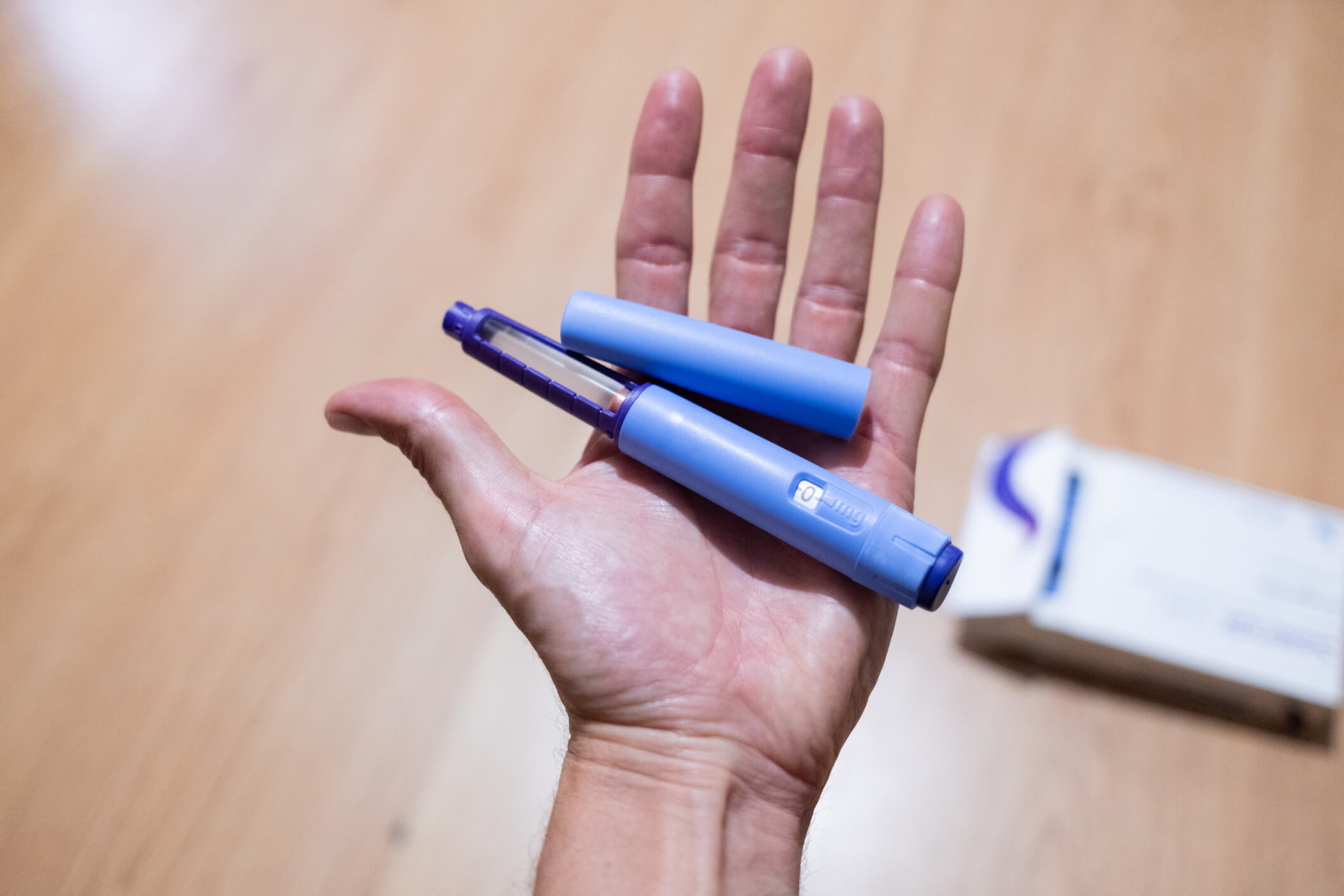
Glucagon-like peptide-1 (GLP-1) is a hormone your body naturally produces to regulate blood sugar levels, appetite, and digestion. GLP-1 drugs mimic this action in many parts of the body, including the brain, to reduce blood sugar and increase the feeling of fullness. The medicines in this family include liraglutide, semaglutide, and dulaglutide. Each works a bit differently, but they all turn on the same biological pathway in the body.3-5 GLP-1 drugs work by attaching to special spots in the brain called GLP-1 receptors. Think of these like parking spaces where the drugs can “park” and do their work. These parking spaces are found throughout parts of the brain that control memory and thinking. When they do this, they help protect brain cells in different ways:
- They help clear out toxic proteins. In laboratory preclinical studies, these drugs help reduce harmful protein clumps in the brain. These clumps are called amyloid plaques and tau tangles. They’re like rust that builds up in the brain and stops it from working properly. 3, 6
- They calm brain inflammation. When the brain stays inflamed for a long time, brain cells die. This happens in Alzheimer’s disease. GLP-1 drugs help cool down this inflammation, which may slow disease progression.3
- They improve brain energy use. The brain needs sugar (glucose) for energy, just like a car needs gas. In Alzheimer’s, the brain struggles to use this sugar properly. Some scientists even call Alzheimer’s “type 3 diabetes” because of this energy problem. GLP-1 drugs help restore normal brain energy function.3, 7
- They protect cell connections. Brain cells talk to each other through connections called synapses. Think of these like telephone wires between houses. When these connections break down, memory fails. GLP-1 drugs help maintain these vital connections.6, 7
- They restore brain insulin function. Many people with Alzheimer’s develop insulin problems in their brains, similar to diabetes. GLP-1 drugs help brain insulin work normally again.3, 6
This multi-target approach represents a fundamental shift in how we think about treating Alzheimer’s.
GLP-1 Clinical Trials for Alzheimer’s
The ELAD Study: First Proof of Concept
The first major human study tested liraglutide in 204 people with mild Alzheimer’s disease over one year.8, 9 While the study’s main goal (improving brain sugar use) wasn’t achieved, secondary results were significant:
- Less brain shrinkage: People who got liraglutide lost 50% less brain tissue in areas important for memory and thinking.
- Slower mental decline: The treatment group had 18% slower loss of thinking skills compared to people who got a placebo.
- Better safety profile: Serious side effects were less common in people taking liraglutide (7%) compared to those getting placebo (18%).
The most common side effects were stomach-related problems like nausea, diarrhea, and vomiting. About one in four people experienced these symptoms, but they were usually mild and improved after the first few weeks. These results, presented in 2024, provided the first solid evidence that GLP-1 drugs could meaningfully slow Alzheimer’s in humans.
The EVOKE Studies
Building on these initial results, researchers launched the EVOKE studies, the largest trials ever conducted with a GLP-1 drug (semaglutide) in Alzheimer’s disease. About 1,800 people with early Alzheimer’s joined these studies around the world.10 The studies began in 2021 and are designed to provide definitive answers about whether semaglutide can slow cognitive decline and reduce brain damage. Results are expected in late 2025.
Real-World Evidence Supports the Research
Beyond formal clinical trials, large-scale reviews of medical records provide additional support. Researchers analyzed health records from hundreds of thousands of people with diabetes. They found that people taking GLP-1 drugs developed dementia 40-70% less often than people taking other diabetes medicines.11, 12 While these studies can’t prove the drugs prevented dementia, they strongly suggest that GLP-1 drugs provide meaningful protection against cognitive decline.
Understanding the Side Effects
Like all medications, GLP-1 drugs can cause side effects.13, 14 However, serious problems are rare. Most common side effects are stomach-related:
- Nausea (the most frequent complaint)
These symptoms usually happen in the first few weeks of treatment and improve over time. In diabetes studies, about 4 to 7 out of 10 people experience some stomach problems, but most are mild.13 Less common but important side effects include:
- Kidney problems, especially in older adults who already have kidney disease
- Significant weight loss, which could be concerning for frail elderly people
Special considerations for older adults: Stomach problems can lead to dehydration, which can be more serious in older adults. Those with preexisting kidney problems will need to prioritize close communication with their physician for proper monitoring.14 Most people can manage side effects with dose adjustments or medicines to help with nausea. Only a small number of people need to stop treatment because of side effects.
Looking Ahead
The research on GLP-1 drugs represents a new way of thinking about Alzheimer’s treatment. Instead of targeting just one problem, these drugs attack multiple problems simultaneously. This approach may be necessary for a complex disease like Alzheimer’s. If the EVOKE trial results in late 2025 show clear benefits, it could take another one to two years for FDA approval and insurance coverage decisions. This means widespread access might not come until 2027-2028 or later. For millions of families affected by Alzheimer’s, this research offers evidence-based hope. The next few years will determine whether this hope translates into real help for patients and families.
Your Support Fuels the Discoveries
The discovery that diabetes drugs could help the brain came from basic research into metabolism and inflammation—fields that seemed unrelated to Alzheimer’s just a decade ago. This research was supported by grants that allowed scientists to follow unexpected leads.
BrightFocus’ Alzheimer’s Disease Research program has funded research into brain metabolism, inflammation, and novel therapeutic approaches that helped lay the groundwork for innovative discoveries like GLP-1s in Alzheimer’s disease. Learn more about our current research grants and explore ways to support breakthrough discoveries here.