Unlocking the Brain's Regenerative Potential to Fight Alzheimer's
BrightFocus Alzheimer’s Disease Research grant recipient María Llorens-Martín is investigating why the brain stops making new cells in Alzheimer’s—and how fixing that process could change lives.
The human brain likely grows new brain cells in its memory center, but this process may be damaged in Alzheimer’s. Figuring out why could provide new clues to cure and prevent the disease.
Key Takeaways
The brain’s memory center may be able to grow new cells into adulthood, but this process can break down in Alzheimer’s disease. Understanding why could open doors to prevention and treatment.
By analyzing exceptionally preserved human brain samples with advanced genetic, imaging, and artificial intelligence tools, BrightFocus Alzheimer’s Disease Research grant recipient María Llorens-Martín is working to identify early warning signs and new genetic risk factors for Alzheimer’s.
This research has the potential to detect Alzheimer’s years earlier, guide preventive care, and uncover entirely new drug targets.
As a teenager, María Llorens-Martín, PhD, a BrightFocus Alzheimer’s Disease Research-funded scientist, watched her grandfather struggle with Parkinson’s disease and eventually lose his life to it.
“I was truly devastated,” she recalled. “I can clearly recall the moment, in my early twenties, when I decided that I would devote all my efforts to finding ways to lessen the suffering of other families facing similar situations.”
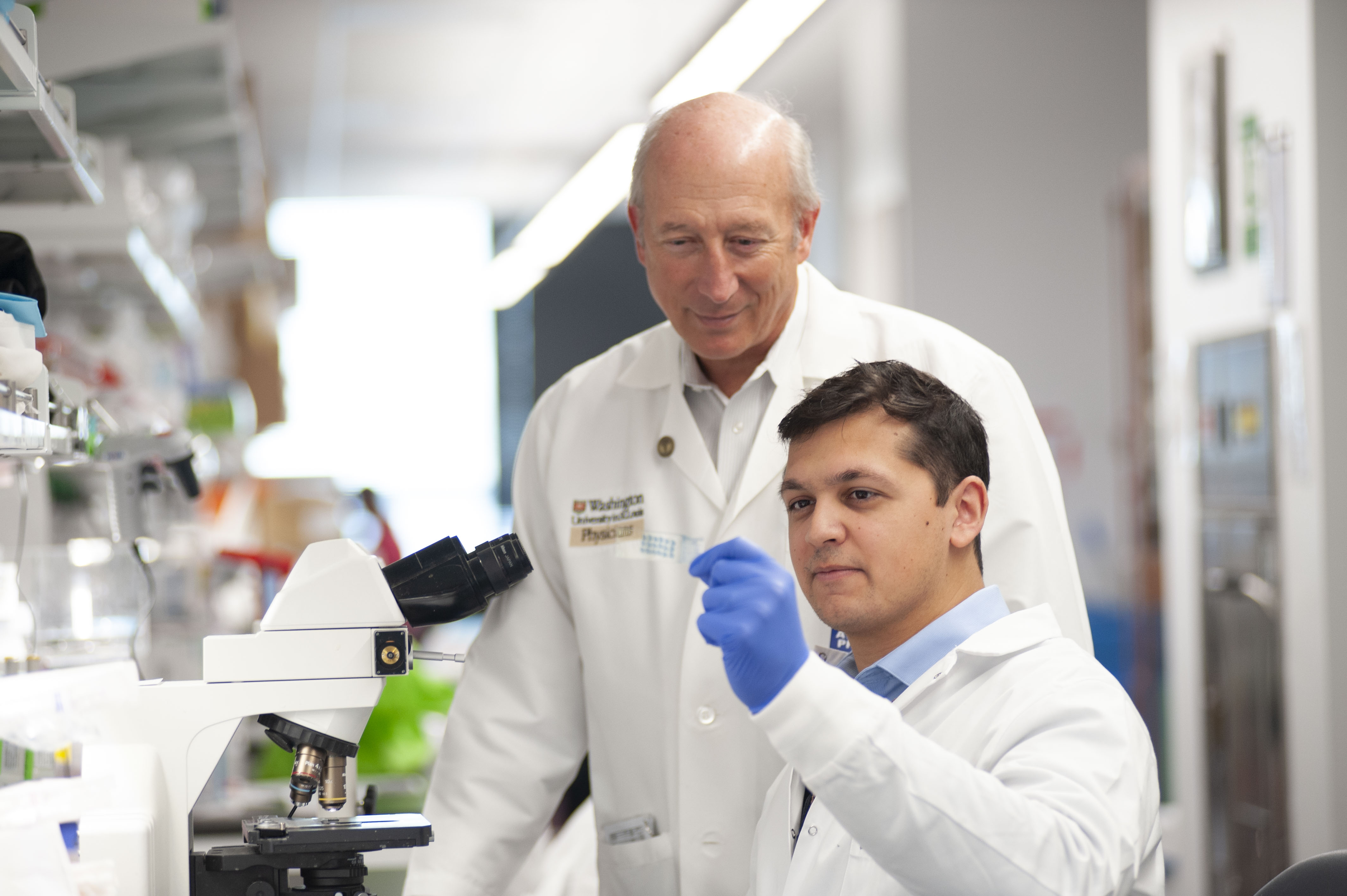
After two decades in research, Dr. Llorens-Martín is making strides toward that goal by studying new ways to diagnose and treat Alzheimer’s. Using a unique library of brain samples collected over the last 14 years, she’s exploring how changes in the brain’s learning and memory centers might reveal new clues about the disease. Her work could find novel drug targets and help catch Alzheimer’s earlier, offering hope for the millions of families affected by dementia.
New brain cells are key for memory
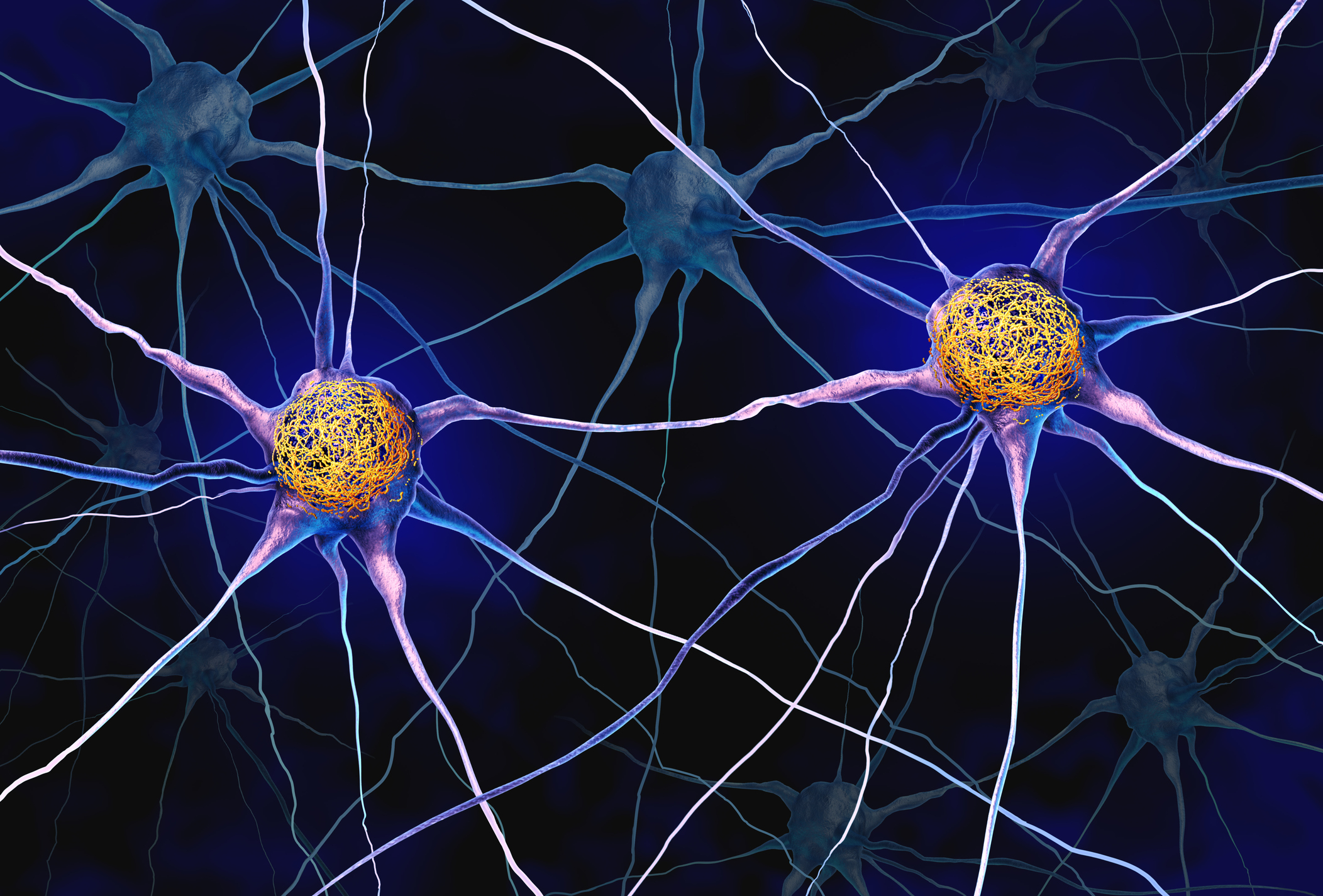
Dr. Llorens-Martín’s research centers on the hippocampus, a brain structure critical for memory. The hippocampus is thought to be one of the only regions of the brain that can generate new brain cells into adulthood, a process called neurogenesis. Many neuroscientists believe neurogenesis plays a key role in learning and memory.
“I firmly believe that the human brain holds an extraordinary capacity for remodeling and adaptation to our changing aging bodies throughout life,” Dr. Llorens-Martín said. “I am also convinced that exploiting the intrinsic regenerative potential of our brains is a promising avenue for the treatment (or prevention) of many as-yet incurable conditions.”
In Alzheimer’s, research suggests that neurogenesis can become impaired, resulting in fewer new cells being produced in the hippocampus. Dr. Llorens-Martín wants to know why this happens—and hopefully, how to stop or even reverse it.
Hunting for early clues of Alzheimer’s
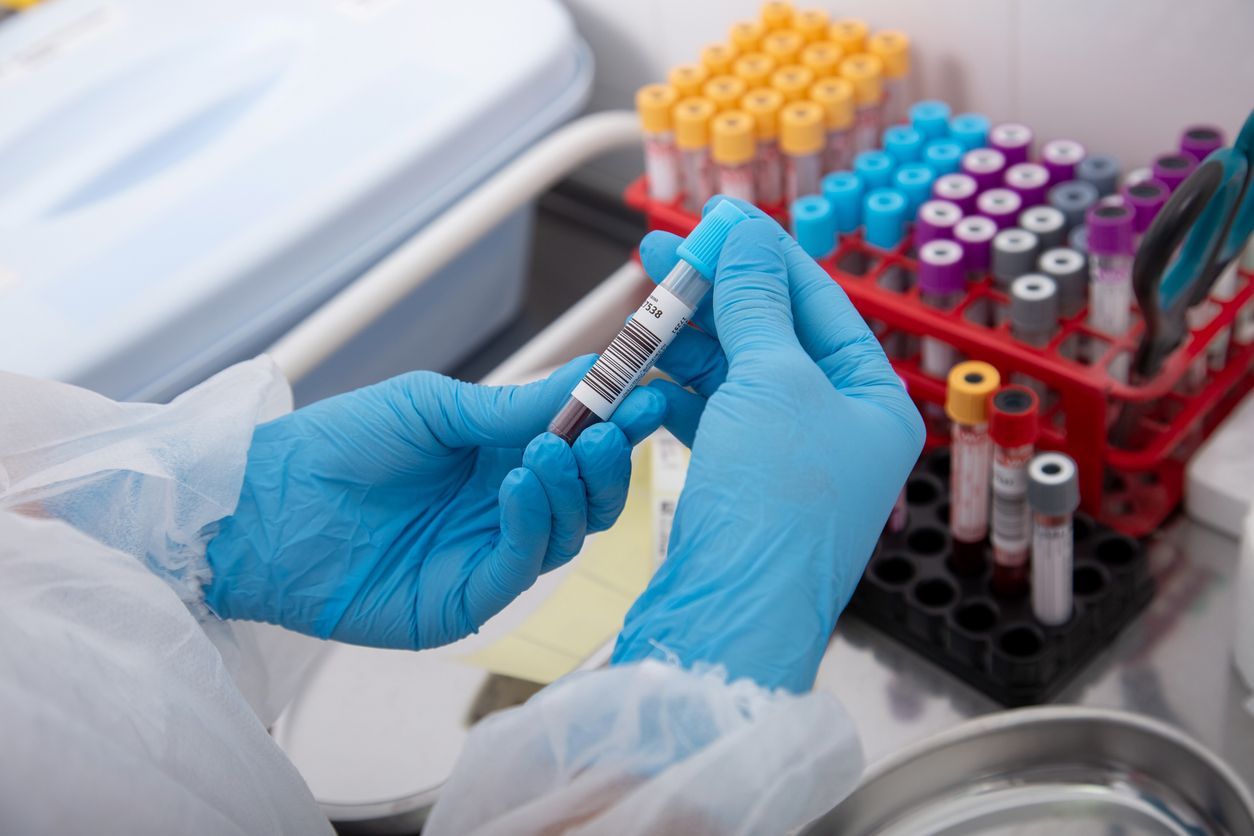
She’s taking an innovative approach, analyzing exceptionally well-preserved human brain samples with the latest tools, from genetic sequencing to advanced imaging and AI algorithms. By focusing on the environment around brain cells, which may turn toxic in Alzheimer’s, her team hopes to find early warning signs, or biomarkers, of the disease. Biomarkers are critical because they allow doctors to identify at-risk people years before symptoms even appear, when preventive treatments can make the biggest difference. Her research could also reveal new genetic risk factors, giving families the knowledge they need to make informed choices about their health.
Beyond prevention, this work could also open new doors for treatment. By pinpointing which brain cells are most vulnerable in Alzheimer’s, Dr. Llorens-Martín’s research could highlight entirely new targets for drug development.
Fueling discoveries that bring hope to millions
Alzheimer’s disease affects more than 7 million Americans, and that number is expected to rise in the years ahead. Yet treatments remain limited, and no cure exists. Alzheimer’s Disease Research donors are helping change that story. By supporting the work of pioneering scientists like Dr. Llorens-Martín, they are driving the discoveries that could lead to earlier detection, new therapies, and, ultimately, relief for families around the world.
“I am confident that the efforts made by so many scientists and labs around the world will soon bear tangible results and will end with the suffering of many families, patients, and caregivers,” Dr. Llorens-Martín said. “I am especially grateful to BrightFocus Foundation’s [Alzheimer’s Disease Research program] donors for allowing me and my lab to contribute to the Foundation’s mission. We will devote all our passion and hard work to fight this devastating, as-yet incurable condition together, in the firm belief that this is the way through which such unfair suffering will come to an end.”
BrightFocus Foundation is a premier global nonprofit funder of research to defeat Alzheimer’s, macular degeneration, and glaucoma. Since its inception more than 50 years ago, BrightFocus and its flagship research programs—Alzheimer’s Disease Research, Macular Degeneration Research, and National Glaucoma Research—has awarded more than $300 million in research grants to scientists around the world, catalyzing thousands of scientific breakthroughs, life-enhancing treatments, and diagnostic tools. We also share the latest research findings, expert information, and resources to empower the millions impacted by these devastating diseases. Learn more at brightfocus.org.
Disclaimer: The information provided here is a public service of BrightFocus Foundation and is not intended to constitute medical advice. Please consult your physician for personalized medical, dietary, and/or exercise advice. Any medications or supplements should only be taken under medical supervision. BrightFocus Foundation does not endorse any medical products or therapies.
Get the latest research news from the 2026 International Alzheimer’s and Parkinson’s Diseases and Related Neurological Disorders (AD/PD) conference.
Article
Alzheimer’s Science News: Winter 2026
In this issue: FDA Approves First At-Home Alzheimer’s Treatment, PhD, GLP-1 Drugs Could Stop Alzheimer’s, Earn Income for Life While Fighting Alzheimer’s, and more!
Article
Can Targeting the Immune System Slow the Progression of Alzheimer's?
BrightFocus Alzheimer’s Disease Research grant recipient Joshua Emmerson, PhD, is exploring a certain type of immune cell’s unexpected role in Alzheimer’s disease—and what it could mean for protecting the brain.
Article
Breaking News Dispatch: New Findings on GLP-1 Drugs and Alzheimer's, Novel Treatments in Development, and More
Get the latest news from the 2025 Clinical Trials on Alzheimer’s Disease (CTAD) conference.
Article
4 Takeaways from Alzheimer's Fast Track 2025
This innovative meeting hosted by BrightFocus Foundation bridges cutting-edge science, mentorship, and community building for early-career researchers.
Article
Understanding Alzheimer's & Exploring New Frontiers in Treatment
Watch a conversation inspired by the documentary film Taking Care and the latest research in Alzheimer’s therapies.
Every Donation is a Step Forward in the Fight Against Alzheimer’s
Your donation powers cutting-edge research and helps scientists explore new treatments. Help bring us closer to a cure and provide valuable information to the public.



 “I was truly devastated,” she recalled. “I can clearly recall the moment, in my early twenties, when I decided that I would devote all my efforts to finding ways to lessen the suffering of other families facing similar situations.”