



María Llorens-Martín
PhD
Location
Madrid, Spain
Current Organization
Spanish National Research Council
Biography
Dr. María Llorens-Martín received her PhD from the Universidad Complutense de Madrid in 2009 for her research on the effects of physical exercise on adult hippocampal neurogenesis at the Cajal Institute. In 2010, she joined Prof. Jesús Ávila’s lab at the Center for Molecular Biology “Severo Ochoa” (CBMSO) as a postdoctoral fellow to investigate adult hippocampal neurogenesis alterations in mouse models of Alzheimer’s disease. In 2016, Dr. Llorens-Martín set up her independent laboratory, which focuses on the basic biology and neuroprotective potential of adult hippocampal neurogenesis for the treatment of various diseases. Since the establishment of her group, Dr. Llorens-Martín has coordinated several international (including an ERC Consolidator Grant (ERC-CoG-2020)) and national grants as principal investigator. Some of the studies by her group have been published in journals such as Science, Nature Medicine, Nature Protocols, and EMBO J, among others. Dr. Llorens-Martín has received numerous Research Awards (FENS/Boehringer-Ingelheim Research Award (2024), Spain National Young Researcher Award “Gabriela Morreale in Medicine and Health Sciences (2022), Pfizer Foundation Young Investigator Award (2022), Spanish Royal Academy of Medicine Translational Medicine Award (2022), CIBERNED Young Investigator Award (2014), “Miguel Catalán” Young Investigator Award (2019), and “Young Female Talent Award of the Spanish Royal Academy of Sciences (2019)). She is a full member of the Spanish Young Academy, European Academy, and AcademiaNet.
News Featuring This Grantee
Newsletters
Alzheimer’s Science News: Spring 2026
In this issue: A Simple Blood Test Could Change Alzheimer’s Detection, Unlocking the Brain’s Power to Renew Itself, Help Fight Alzheimer’s Through a Will or Bequest, and more!
Research News
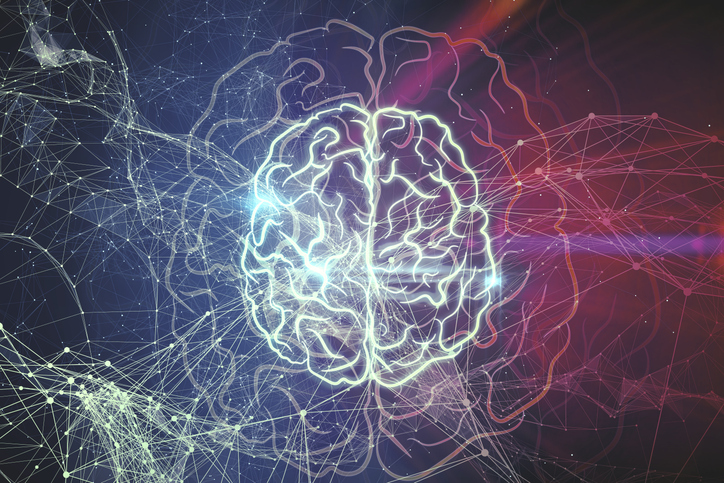
Unlocking the Brain's Regenerative Potential to Fight Alzheimer's
María Llorens-Martín is investigating why the brain stops making new cells in Alzheimer’s—and how fixing that process could change lives.