Donor Support Powers $16M+ Investment in 69 Projects Tackling Alzheimer's, Macular Degeneration, and Glaucoma
Following a year of uncertainty surrounding federal biomedical research funding, BrightFocus Foundation provides critical support for innovative brain and eye research.
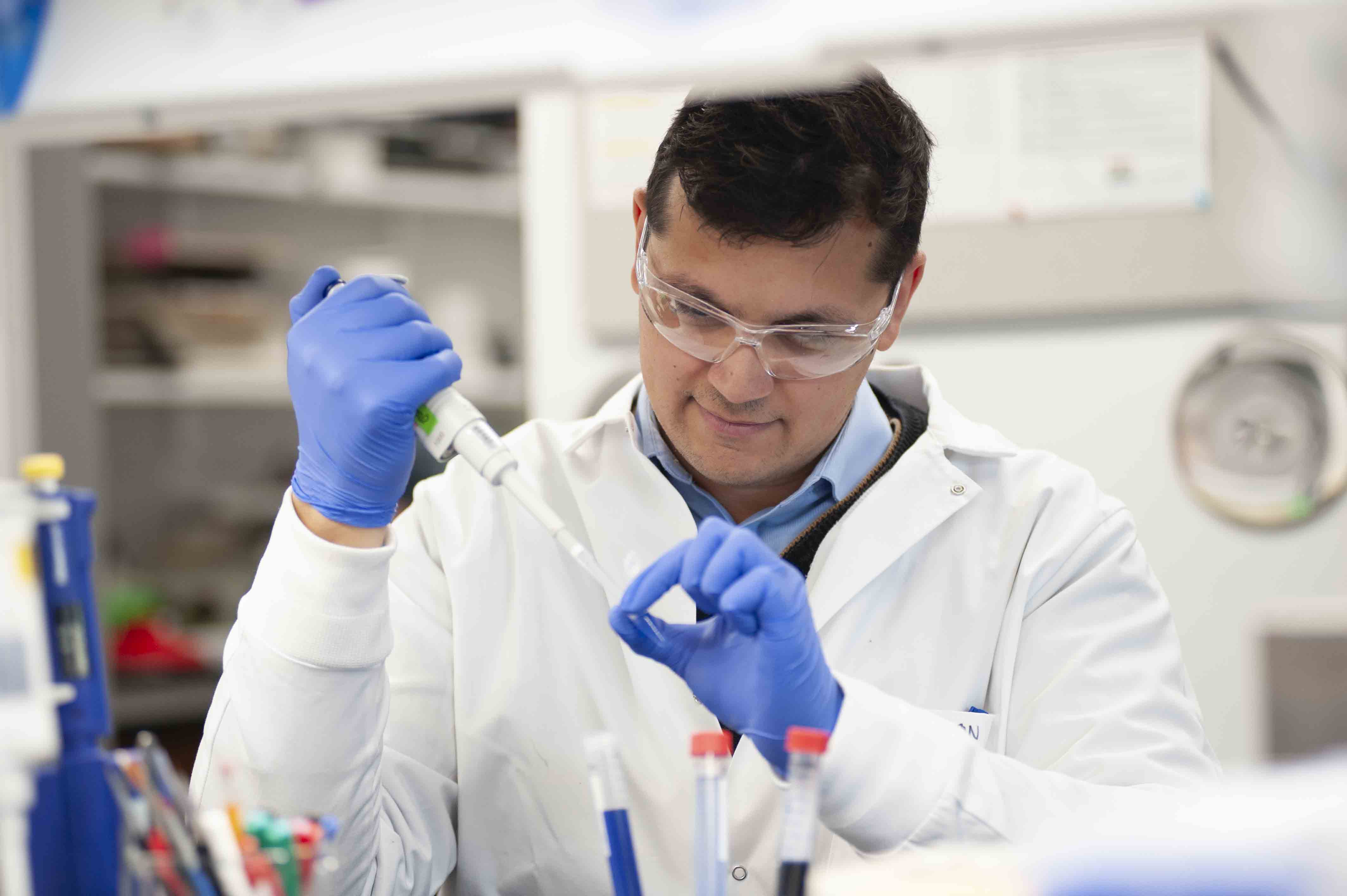
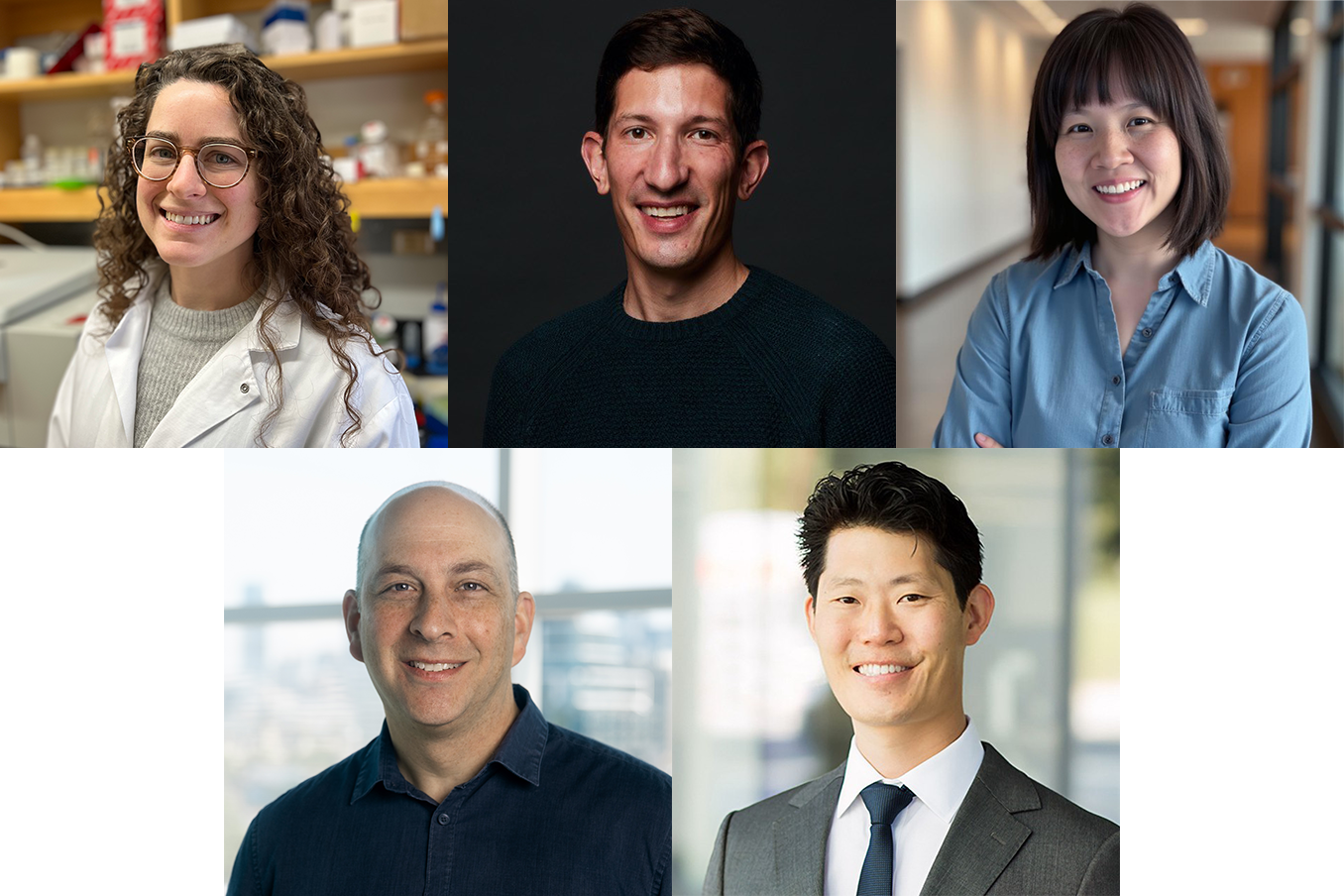
BrightFocus Foundation has invested more than $330 million in innovative research grants since its inception in 1973, catalyzing thousands of life-enhancing scientific breakthroughs. Pictured is BrightFocus Alzheimer’s Disease Research grant recipient Joshua Emmerson, PhD.
CLARKSBURG, Md. (April 21, 2026)— BrightFocus Foundation today announced over $16 million in new research grants for Alzheimer’s disease, macular degeneration, and glaucoma, reinforcing its commitment to advancing scientific discovery amid ongoing uncertainty surrounding federal funding. This includes approximately $9.2 million to its Alzheimer’s Disease Research program, $4.7 million to its Macular Degeneration Research program, and $2.3 million to its National Glaucoma Research program.
This year’s portfolio reflects a broad range of innovative approaches—from leveraging artificial intelligence to improve earlier detection and treatment of brain and eye diseases to advancing regenerative science and uncovering sex-based differences that may shape disease risk and treatment. Grants were awarded to scientists in eight countries.
“Following a tumultuous year for federal research funding that has unsettled the scientific community, BrightFocus Foundation and its donors remain laser focused on maintaining support and momentum for scientific progress. We are proud to support this exceptional group of researchers and their bold, cutting-edge ideas in eye and brain health,” said BrightFocus President and CEO Stacy Pagos Haller.
The newly awarded research projects were vetted by scientific advisory committees of world-renowned researchers in the field.
“It is difficult to obtain federal funding for early-stage, high-risk ideas, which is why it is so important for BrightFocus to fund in this area. Such awards often facilitate generation of new data that then allows the scientists to apply for much larger grants from agencies such as the NIH,” said David Holtzman, MD, co-chair of the Alzheimer’s Disease Research Scientific Review Committee and a professor of neurology and director of the Knight Alzheimer Disease Research Center at Washington University School of Medicine in St. Louis. “It has been more difficult over the last two years to obtain federal funding for new and emerging investigators. BrightFocus funding is both stimulating new, great science and also ensuring that our most promising new investigators stay in science.”
BrightFocus invests in highly innovative, experimental research and creative ideas with the most promise to foster a better understanding of disease onset, improve early detection and diagnosis, develop new treatments, and—ultimately—lead to cures.
BrightFocus-funded research has laid the groundwork for many innovations in use today, including more accurate biomarkers to detect Alzheimer’s disease in the blood; development of the optical coherence tomography (OCT) imaging test—the gold standard for diagnosing eye diseases like glaucoma and macular degeneration; and a first-of-its-kind AI model that could detect Alzheimer’s by reading retina images.
BrightFocus Foundation’s research programs are supported entirely by individual donor contributions from the public and corporate and foundation grants; BrightFocus receives no government funding. Learn more about how to support our work.
Alzheimer’s Disease Research
Over 7 million Americans 65 and older are living with Alzheimer’s disease, a progressive, terminal brain disorder and leading cause of dementia that has no known cause or cure. Alzheimer’s Disease Research is funding studies exploring a wide range of scientific approaches spanning different areas of the brain and body—from the role of tau and other misfolded proteins in the brain to the gut microbiome and lifestyle factors like sleep and exercise—to better understand the disease’s onset and progression.
2026 Alzheimer’s Disease Research grant recipients:
Alyssa Ash, PhD, Burke Neurological Institute, a Weill Cornell Medicine affiliate
Assessing Brain Dysfunction in Early Stages of Alzheimer’s Disease
Caleb Bailey, PhD, Sanders-Brown Center on Aging and College of Medicine at the University of Kentucky
Defining Metabolic Contributions to Cognitive Impairment in Alzheimer’s Disease
Shamchal Bakavayev, PhD, National Institute of Neurological Disorders and Stroke, National Institutes of Health (NIH)
Using Gene Editing to Map Pooled Alzheimer’s Mutations Across Brain Cells
Fikri Birey, PhD, Emory University
Probing the Novel Roles of Neuromodulators in Alzheimer’s Disease
Daniel Bos, PhD, Erasmus University Medical Center Rotterdam (the Netherlands) Unraveling Vascular Pathways in Dementia Through Integrated Computational Fluid Dynamics
Yifei Cai, PhD, Yale University
Uncovering Mechanisms of Myelin-Axon Pathology in Alzheimer’s Disease
James Cole, PhD, Amsterdam University Medical Center (the Netherlands)
Lifespan Perfusion TRAjectories In Aging and Alzheimer’s Disease (TRAIL-AD)
Co-Principal Investigator: Henk Mutsaerts, PhD, University College London (U.K.) In partnership with Alzheimer Nederland.
Laura Cox, PhD, Brigham and Women’s Hospital
Optimizing Probiotic Treatment for Alzheimer’s Disease
Maria Carolina Dalmasso, PhD, University Hospital Cologne (Germany)
Transethnic Molecular Profiling of AD Risk Factors and Plasma Biomarkers
Co-Principal Investigator: Alfredo Ramirez, PhD, National Research Council of Argentina (CONICET) (Argentina) In partnership with Alzheimer Forschung Initiative e.V.
Paula Alejandra Desplats, PhD, Ohio State University
Circadian Rhythm Disruption May Harm Myelinating Cells in Alzheimer’s
Eleanor Drummond, PhD, The University of Sydney (Australia)
Early Protein Drivers of Alzheimer’s Disease
Claudia Duran-Aniotz, PhD, Adolfo Ibáñez University (Chile)
Social and Lifestyle Factors’ Impact on Dementia Biomarkers in Latin America
Co-Principal Investigators: Agustín Ibáñez, PhD; Andrea Slachevsky, MD, PhD; Hernando Santamaría-García, MD, PhD; Martin Alejandro Bruno, PhD & Nilton Custodio, PhD
Hugo Fernandes, PhD, University of Oxford (U.K.)
Understanding Changes in Fat Metabolism in Alzheimer’s Disease
Co-Principal Investigators: Albert Koulman, PhD & Jonathon Nixon-Abell, PhD
Gilbert Gallardo, PhD, Washington University School of Medicine in St. Louis
Suppressing Brian Inflammation to Delay Alzheimer’s Disease
Benjamin Goult, PhD, Inserm, the French National Institute of Health and Medical Research (France)
APP-Mediated Mechanical Signaling and Its Regulation by Alzheimer’s Risk Genes
Co-Principal Investigator: Devrim Kilinc, PhD
In partnership with Fondation Vaincre Alzheimer.
Cellas Hayes, PhD, Sanders-Brown Center on Aging and College of Medicine at the University of Kentucky
Tracking Myelin and Alzheimer’s Blood Biomarkers to Explain Brain Lesions
Matthias Hebisch, PhD, Massachusetts General Hospital (Mass General)
Modeling Dementia in Brain Organoids with Alzheimer’s Disease
Martin Hsu, PhD, University of North Carolina at Chapel Hill
Uncovering a Protein in Astrocytes that Drives Alzheimer’s Disease
Heidi Jacobs, PhD, Massachusetts General Hospital (Mass General)
Dorsal Raphe Nucleus: Seam for Earliest Detection of Tau and Symptoms
Selene Lomoio, PhD, Icahn School of Medicine at Mount Sinai
A Human Platform to Decode Brain Changes in Alzheimer’s Disease
Co-Principal Investigator: Valentina Fossati, PhD
Amanda McQuade, PhD, University of California, San Francisco
Understanding How Genetic Risk for Alzheimer’s Disease Impacts Immune Function
Sarah Ocañas, PhD, Oklahoma Medical Research Foundation
The Ovary-Brain Inflammatory Axis in Alzheimer’s Disease
Co-Principal Investigator: Jeffrey Mason, PhD
Daniel Panyard, PhD, Stanford University
Identifying How Cardiovascular Disease Affects Risk of Alzheimer’s Disease
Justin Perry, PhD, Memorial Sloan Kettering Cancer Center
Does Fructose Drive Neurodegenerative Disease?
Dominika Pilat, PhD, Massachusetts General Hospital (Mass General)
A Nasal Route to Deliver RNA-Based Treatment for Alzheimer’s Disease
Saima Rathore, PhD, Emory University
AI-Informed Signature of Alzheimer’s Disease and Related Dementias to Model Longitudinal Disease Trajectories
Co-Principal Investigators: Allan I. Levey, MD, PhD and Nicholas Seyfried, PhD
Austin Reynolds, PhD, University of North Texas Health Science Center at Fort Worth
Genetic Ancestry Impacts Mitochondrial Dysfunction in Alzheimer’s Disease
Co-Principal Investigators: Nicole Phillips, PhD, and Robert Clinton Barber, PhD
Leonardo Rivera-Rivera, PhD, University of Wisconsin-Madison
Evaluating Cerebral Small Vessel Disease in Alzheimer’s with MRI
Vladislava Segen, PhD, German Center for Neurodegenerative Diseases (Germany)
Using Navigation to Detect Early Changes in Alzheimer’s Disease
Gowoon Son, PhD, Mayo Clinic Jacksonville
Why Alzheimer’s Disease Targets Some Cells First: A Driver in the Anterior Hypothalamus
Vivek Swarup, PhD, University of California, Irvine
Beyond Pathology: Mapping How Some Brains Stay Sharp in Extreme Old Age
Christina Theodoris, MD, PhD, Gladstone Institutes
Mapping How Brain Cells Change Over Aging to Predict Therapeutic Targets
Tomas Vikner, PhD, University of Wisconsin-Madison
Cerebrospinal Fluid Flow Dynamics in Alzheimer’s Disease
Jennifer Sachiko Yokoyama, PhD, University of California, San Francisco
Autoimmune Contributions to Alzheimer’s Disease
Co-Principal Investigator: Joseph J. Sabatino, MD, PhD
Keir Yong, PhD, University College London (U.K.)
Visual System Vulnerability in Dementia: From Detection to Determinants
Co-Principal Investigators: André Altmann, PhD and David M. Cash, PhD
QI Zhang, PhD, Emory University
Uncovering New Early Detection Markers for Alzheimer’s Disease
Haoyue Zhou, PhD, Gladstone Institutes
How Blood Proteins Influence Brain Health and Alzheimer’s Disease
Macular Degeneration Research
Twenty million U.S. adults have macular degeneration—the leading cause of vision loss in Americans aged 65 and older. Early detection and treatment are crucial to slowing the disease progression and preventing permanent vision loss. Macular Degeneration Research grant recipients are exploring a wide range of innovative scientific approaches to prevent, treat, and cure macular degeneration—from developing novel methods to model AMD to investigating potential new treatments for both dry and wet AMD.
2026 Macular Degeneration Research grant recipients:
Ryoji Amamoto, PhD, Massachusetts Eye and Ear Infirmary (Harvard)
Promoting Cone Survival in Dry AMD
Marco Bassetto, PharmD, PhD, University of California, Irvine
Development of a New Drug Delivery System to Treat Retinal Inflammation
Celia Bisbach, PhD, University of Wisconsin-Madison
Targeting and Removing Harmful Proteins to Treat Wet AMD
Suman Chaudhary, PhD, Schepens Eye Research Institute of Mass. Eye and Ear
A Novel Antioxidant Therapy for Age-Related Macular Degeneration
Mark Draelos, MD, PhD, University of Michigan
Studying Eye Blood Flow During Exercise Stress Tests
Anaïs Françon, PhD, Hôpital Maisonneuve-Rosemont (Canada)
Role of Lack of Sleep in Blood Vessel Formation in Retinal Degeneration
Petra Larsen, MD, PhD, German Center for Neurodegenerative Diseases (Germany)
Mapping the Molecular-Imaging Interface in AMD: A Multimodal Approach
Eric (Xiang) Ma, PhD, Oklahoma Medical Research Foundation
Protecting Choroidal Blood Vessels to Prevent Vision Loss in AMD
Jason Miller, MD, PhD, University of Michigan
RPE Lipid Degradation and Secretion in Age-Related Macular Degeneration
Sarah Palko, PhD, Trinity College Dublin (Ireland)
Understanding How Müller Glia Contribute to Immune Cell Accumulation in AMD
Estelle (Sunghee) Park, PhD, Purdue University
Uncovering the Hidden Link Between Liver Health and Macular Degeneration
Amir Vahabikashi, PhD, Northeastern University
Human Retina-on-a-Chip: A Next-Generation Model for Age-Related Macular Degeneration
David Veysset, PhD, Massachusetts General Hospital (Harvard)
Advancing AMD Diagnosis with Novel Spectroscopic Tools
Lily (Wenjing) Wu, PhD, University of Oklahoma Health Sciences Center
Targeting Age-Related Vision Loss with the Power of Essential Fats
National Glaucoma Research
Around 4 million U.S. adults have glaucoma—a leading cause of blindness in the U.S. caused by damage to the optic nerve. Because there are often no early symptoms, as many as half of those affected may not even know they have it until irreversible vision loss has occurred. Early detection and treatments can help slow the disease’s progression.
National Glaucoma Research grant recipients are investigating a wide range of scientific approaches, including leveraging artificial intelligence to promote earlier detection and better identify who’s most at risk, developing novel treatments, and exploring ways to protect and regenerate the optic nerve that could restore vision.
2026 National Glaucoma Research grant recipients:
Navid Amini, PhD, California State University, Los Angeles
How Glaucoma Patients Lift Their Feet and Use Smart Insoles to Walk Safely
Revathi Balasubramanian, PhD, Columbia University
How Schlemm’s Canal Develops and What Goes Awry in Pediatric Glaucoma
Evan Cameron, PhD, Cleveland Clinic – Lerner Research Institute
Understanding Astrocyte-Immune Cell Signaling in Glaucoma
Mark Christopher, PhD, University of California, San Diego
Agentic Multimodal AI System for Glaucoma Management
Qi Cui, MD, PhD, University of Pennsylvania, Perelman School of Medicine
Myeloid Cellular Responses in Hypertensive Glaucoma
Luca Della Santina, PhD, PharmD, University of Houston
Using AI to Detect Loss of Connections Between Cells in the Eye
Stuart Gardiner, PhD, Good Samaritan Foundation (Legacy Health System)
Measuring the Effects of Visual Stimuli on Retinal Blood Vessels and Flow
Catia Gomes, PhD, Indiana University
Targeting Glial-Mediated Neuroinflammation to Prevent Axonal Degeneration in Glaucoma
Tyson Kim, MD, PhD, University of California, San Francisco
Measuring Aqueous Outflow Dynamics Continuously in the Living Eye
Josh (Kiyoharu) Miyagishima, PhD, National Eye Institute, NIH
Cell-Free Biological Therapies to Prevent Vision Loss
Co-Principal Investigator: Francisco Manuel Nadal-Nicolas, PhD
Yvonne Ou, MD, University of California, San Francisco
The Role of Activity in Retinal Circuit Plasticity and Repair in Glaucoma
Myoungsup Sim, PhD, Duke University
Cilia-Driven Nitric Oxide Pathways as a New Strategy for Glaucoma
Jeremy Sivak, PhD, University Health Network (Canada)
Spatial Responses to Elevated Pressure in the Human Optic Nerve Head
Monica Vetter, PhD, University of Utah
Understanding Immune Changes in the Optic Nerve Head in Glaucoma
Co-Principal Investigator: Navita Lopez, PhD
Nazlee Zebardast, MD, MPH, Massachusetts Eye and Ear Infirmary
Using AI to Discover the Genes That Drive Glaucoma Progression
A complete list of the new research projects will be available this summer on BrightFocus’ website, with additional details forthcoming upon the completion of individual agreements with the partnering institutions and scientists. All grants will be awarded pending completion of individual agreements with partnering institutions and scientists.
BrightFocus encourages researchers with groundbreaking ideas to apply for a 2027 grant. Application information is available at brightfocus.org/apply.
This press release has been updated to include funding totals as of April 28, 2026.
BrightFocus Foundation is a premier global nonprofit funder of research to defeat Alzheimer’s, macular degeneration, and glaucoma. Since its inception more than 50 years ago, BrightFocus and its flagship research programs—Alzheimer’s Disease Research, Macular Degeneration Research, and National Glaucoma Research—has awarded more than $330 million in research grants to scientists around the world, catalyzing thousands of scientific breakthroughs, life-enhancing treatments, and diagnostic tools. We also share the latest research findings, expert information, and resources to empower the millions impacted by these devastating diseases. Learn more at brightfocus.org.
Disclaimer: The information provided here is a public service of BrightFocus Foundation and is not intended to constitute medical advice. Please consult your physician for personalized medical, dietary, and/or exercise advice. Any medications or supplements should only be taken under medical supervision. BrightFocus Foundation does not endorse any medical products or therapies.
Share this post
News
Related Articles and Information
Press Release
BrightFocus Foundation's $330+ Million Bet on High-Risk Science Pays Off, Independent Assessment Finds
Scientists funded by BrightFocus received an average of 8x more follow-on funding, leading to the development of new treatments, risk reduction strategies, and diagnostic tools.
Article
2026 Annual Report Highlights Breakthrough Brain and Vision Science
BrightFocus Foundation’s 2026 annual report highlights cutting-edge research and public awareness across Alzheimer's disease, macular degeneration, and glaucoma.
Press Release
'The Wire' Star Andre Royo Shares Personal Alzheimer's Story in New BrightFocus Foundation Awareness Campaign
A new campaign launched during World Alzheimer’s Month features renowned actor, producer, and writer Andre Royo, who lost his mother, Andrea Royo, to Alzheimer’s disease in 2024.
Press Release
BrightFocus Foundation Announces President and CEO Planned Retirement and Launches National Search
BrightFocus Foundation today announced that Stacy Pagos Haller has shared her intention to retire as president and chief executive officer following the successful completion of a national search and the appointment of a successor, after 16 years of leadership.
Press Release
Dr. David Abramson Receives 2026 Helen Keller Prize for Vision Research from BrightFocus Foundation and Helen Keller Foundation
A pioneering clinician-scientist at Memorial Sloan Kettering Cancer Center, Dr. Abramson has transformed understanding and treatment of eye cancers worldwide.
Article
BrightFocus Honors 5 Vision Scientists Advancing Breakthrough Eye Research
At a ceremony recognizing 2026 vision grant recipients, these prestigious awards honor five standout scientists whose work is shaping the future of prevention, treatments, and cures for macular degeneration and glaucoma—two leading causes of vision loss.
Your gift today can help drive innovation in Alzheimer's, macular degeneration, and glaucoma research. By donating, you’ll support life-changing research and provide valuable resources for those affected by these devastating diseases. Give now to fuel hope and bring us closer to finding cures.