BrightFocus Honors 5 Vision Scientists Advancing Breakthrough Eye Research
At a ceremony recognizing newly awarded vision grant recipients, these prestigious awards honor five standout scientists funded through BrightFocus Foundation’s Macular Degeneration Research and National Glaucoma Research programs, whose work is advancing prevention, treatments, and cures for these leading causes of vision loss.
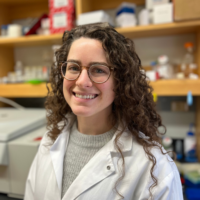
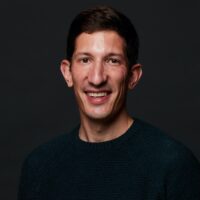
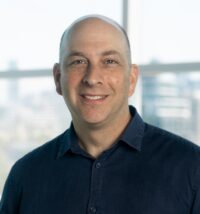
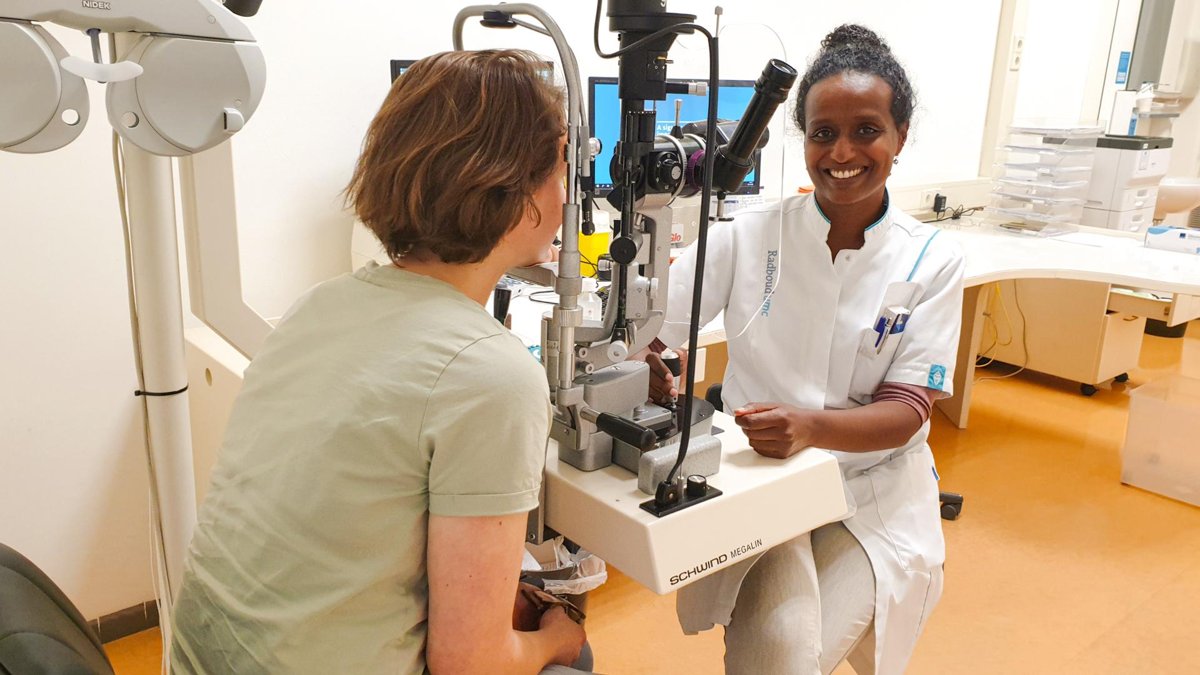
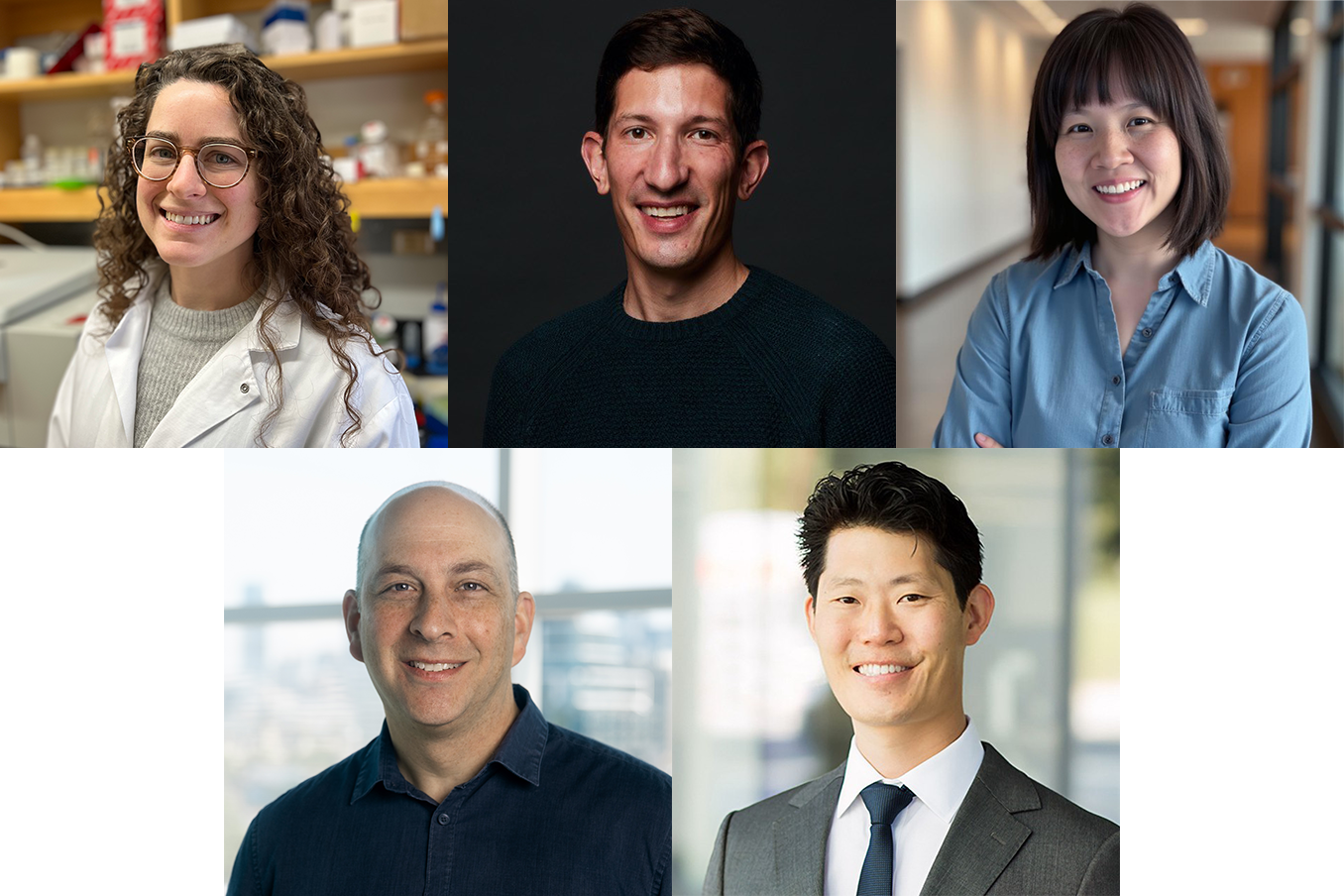
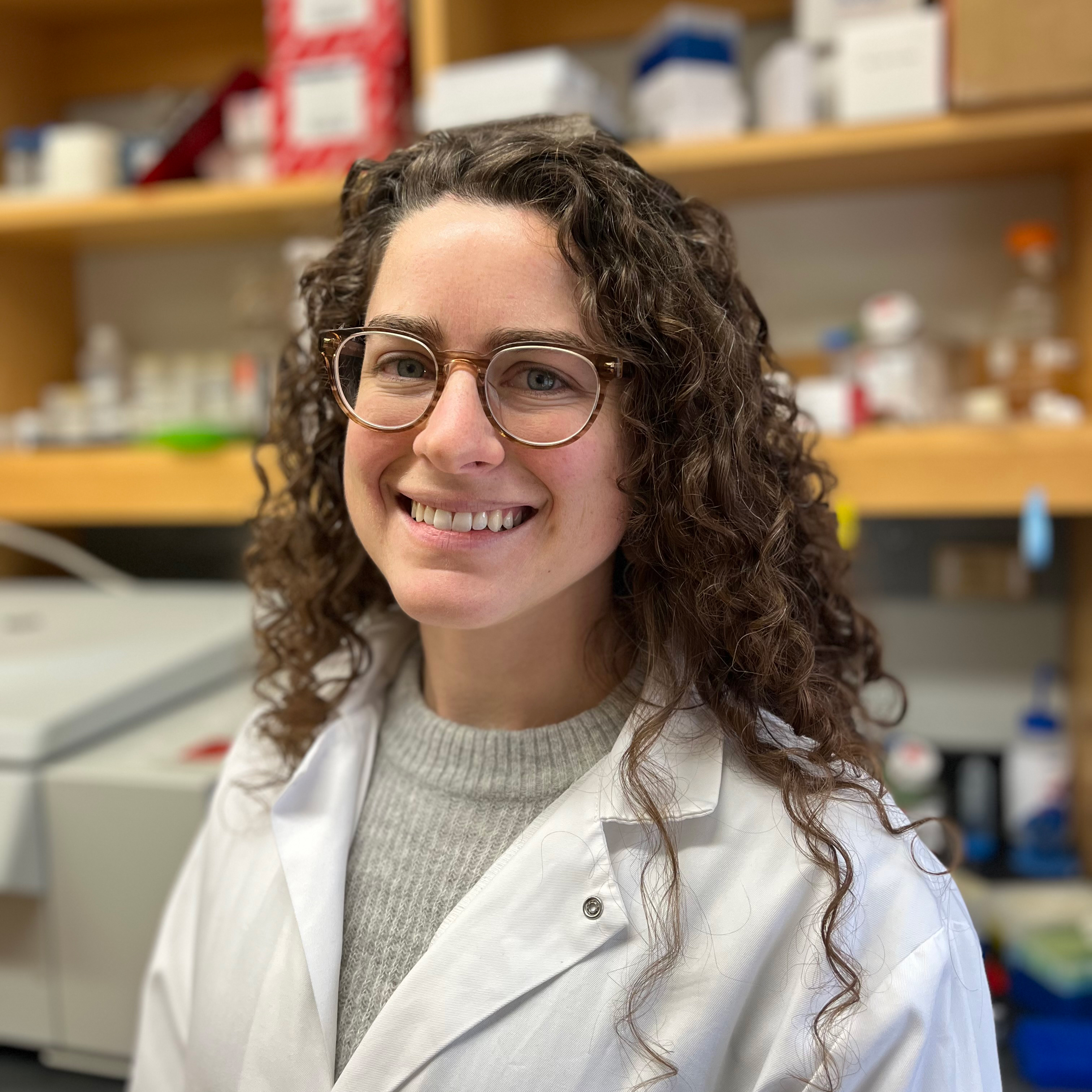
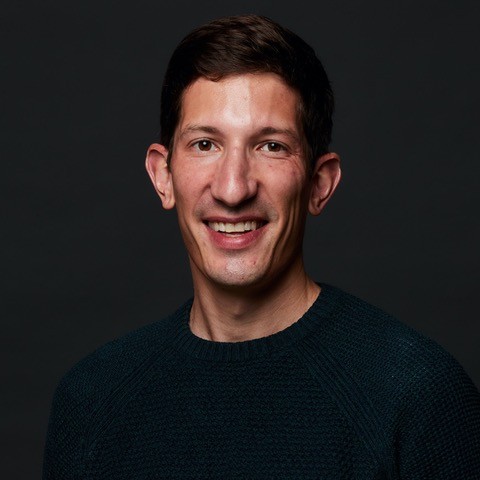
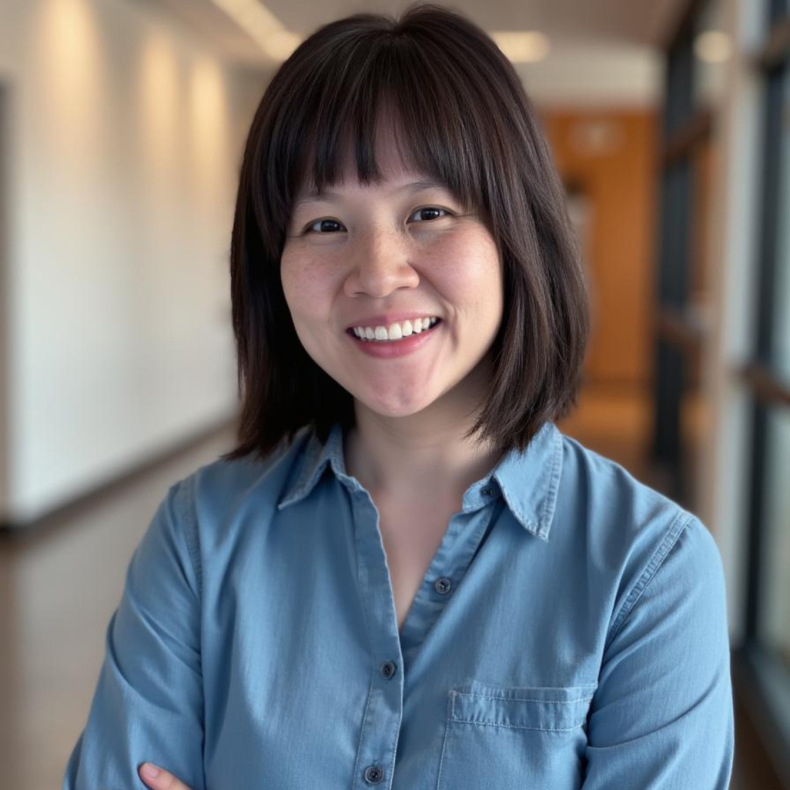
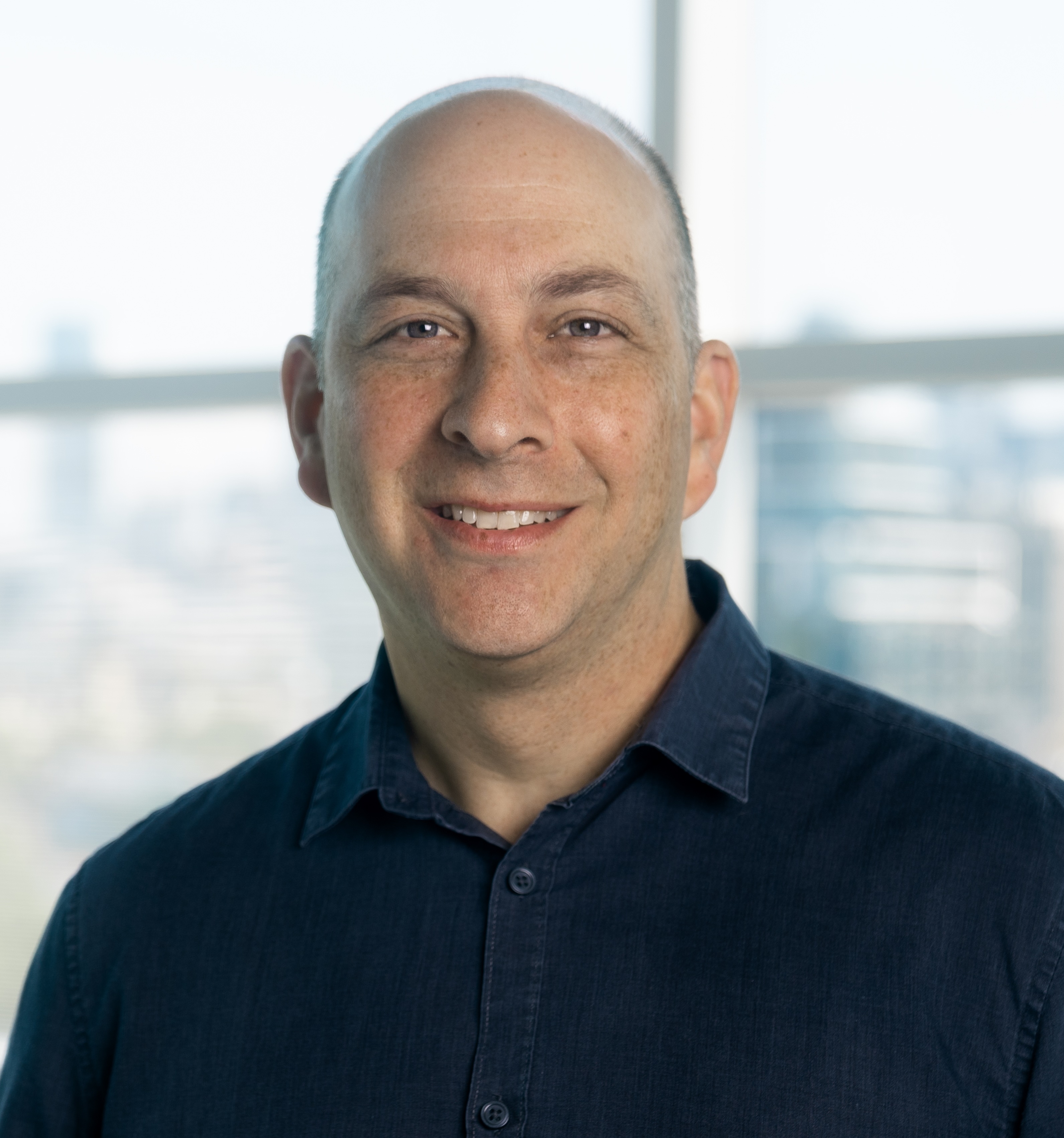
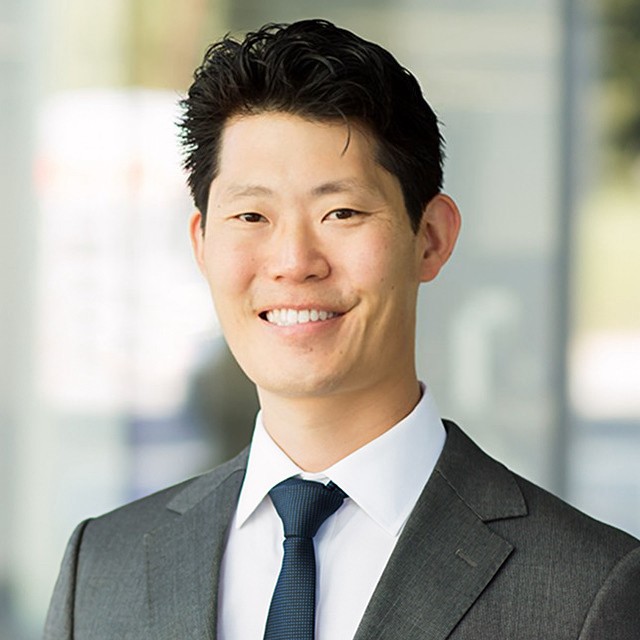
Recipients of the 2026 BrightFocus Vision Awards (clockwise from top left): Celia Bisbach, PhD, University of Wisconsin-Madison; David Veysset, PhD, Massachusetts General Hospital; Lily (Wenjing) Wu, PhD, University of Oklahoma Health Sciences Center; Tyson Kim, MD, PhD, University of California, San Francisco; and Jeremy Sivak, PhD, University Health Network.
In recognition of their forward-thinking research proposals to save sight from macular degeneration and glaucoma, BrightFocus Foundation, a global nonprofit funder of brain and vision research, will honor five leading vision scientists aiming to prevent, treat, and cure macular degeneration and glaucoma.
The awards will be presented May 4 at the Foundation’s networking breakfast during the annual meeting of the Association for Research in Vision and Ophthalmology (ARVO). Named for esteemed BrightFocus donors and scientific advisors who care deeply about advancing vision research, they recognize BrightFocus’ top-ranked grant proposals in its Macular Degeneration Research and National Glaucoma Research programs as determined by independent scientific review committees of leading experts in the field.
At the breakfast, BrightFocus will also celebrate 29 new grant recipients across its Macular Degeneration Research and National Glaucoma Research programs. The Foundation recently announced approximately $7 million in new grants to support innovative vision research.
“We are continually inspired by the dedication and passion of the scientists we fund,” said BrightFocus President and CEO Stacy Pagos Haller. “These innovative and timely research projects will bring us closer to a future where vision loss can be treated more effectively or prevented altogether. These grant awards are not just an investment in research—they are an investment in hope for hundreds of millions of people worldwide.”
This year’s award recipients are:
Macular Degeneration Research
Celia Bisbach, PhD, University of Wisconsin-Madison
Helen Juanita Reed Award for Macular Degeneration Research
Dr. Bisbach is investigating a potential new treatment for wet age-related macular degeneration (AMD), which is caused in part by the accumulation of VEGF protein in the retina. By targeting VEGF using the body’s natural waste disposal system, researchers aim to develop a more effective, localized, and longer-lasting therapy for wet AMD. This award is presented annually to the top-rated postdoctoral fellowship proposal in the Macular Degeneration Research program.
David Veysset, PhD, Massachusetts General Hospital (Harvard)
Dr. Joe G. Hollyfield New Investigator Award for Macular Degeneration Research
Dr. Veysset’s project combines two cutting-edge techniques, optical coherence tomography (OCT) and Raman spectroscopy, to analyze the structure and chemistry of harmful drusen deposits beneath the retina linked to AMD. By identifying high-risk molecular profiles, the research seeks to improve early detection, guide treatments, and provide new insights into AMD progression. This award is presented annually to the top-rated New Investigator Grant recipient in recognition of exceptionally promising and forward-thinking ideas in the field of age-related macular degeneration.
Lily (Wenjing) Wu, PhD, University of Oklahoma Health Sciences Center
Elizabeth Anderson Award for Macular Degeneration Research
Dr. Wu’s research project is investigating whether replenishing very long-chain polyunsaturated fatty acids (VLC-PUFA), an essential molecule in the eye’s maintenance cells, could slow AMD progression. This could validate VLC-PUFA restoration as a new preventative treatment for early AMD.
National Glaucoma Research
Jeremy Sivak, PhD, University Health Network (Canada)
Dr. Douglas H. Johnson Award for Glaucoma Research
Dr. Sivak’s project will study how glaucoma damages retinal and optic nerve tissue in human eyes. Using a newly developed system, this project looks at the molecular changes in response to changes in eye pressure in human donor eyes. This data will be compared to long-term changes present in glaucoma samples to uncover critical links between eye pressure and disease. This award is presented annually to a top-rated National Glaucoma Research proposal in recognition of exceptionally promising and forward-thinking ideas.
Tyson Kim, MD, PhD, University of California, San Francisco
Thomas R. Lee Award for Glaucoma Research
Dr. Kim’s study will develop a new imaging method that visualizes and quantifies impaired fluid drainage from glaucoma with microscopic precision in the living eye, uncovering new insights into how eye pressure is regulated. These findings will open new opportunities for discovery and therapeutic innovation. This award is presented annually to recognize a highly innovative glaucoma research proposal.
The ARVO Annual Meeting is the world’s largest gathering of eye and vision researchers. BrightFocus Foundation provided funding support behind over 50 presentations at this year’s conference and travel stipends for 14 attendees from five countries. For more information about upcoming research grant opportunities, visit brightfocus.org/apply.
About the Awards
Elizabeth Anderson Award for Macular Degeneration Research This award, selected by the Anderson family, is presented annually in honor of Elizabeth Anderson, the beloved wife of Dr. Robert (Gene) Anderson, a longstanding member of the BrightFocus Macular Degeneration Research Scientific Review Committee. Mrs. Anderson was dedicated to the vision research community and took particular interest in young scientists whom she shepherded through the difficulties of their early careers.
Helen Juanita Reed Award for Macular Degeneration Research Helen Reed, known as Nita to her friends, was an incredibly generous philanthropist, leader, volunteer, and loving friend throughout her life. Nita, who had macular degeneration, is remembered for her incredible commitment to BrightFocus’ mission. This award is in memory of Nita and her desire to help accelerate research to unravel the mysteries of AMD and is presented annually to the top-rated Fellowship proposal.
Dr. Joe G. Hollyfield New Investigator Award for Macular Degeneration Research This award is presented annually to the top-rated New Investigator Grant recipient in recognition of exceptionally promising and forward-thinking ideas in the field of age-related macular degeneration. It honors the contributions of Joe G. Hollyfield, PhD, to the field of age-related macular degeneration research and for his leadership at BrightFocus as chair of the Macular Degeneration Research Scientific Review Committee. During the 20 years he served in this capacity, he carefully guided BrightFocus to expand its support for early-career investigators, helping to grow and shape the future of vision research around the globe.
An international authority in vision research and author of over 200 papers on the cell and developmental biology of the retina, Dr. Hollyfield is renowned for his contributions to the science of saving sight. During his long career spanning five decades, he has been recognized with 10 major research awards, including the BrightFocus Scientific Impact Award.
Dr. Douglas H. Johnson Award for Glaucoma Research This award is presented annually to the top-rated proposal in the National Glaucoma Research program. Beyond his strong record of contributions to the glaucoma field, Dr. Johnson is fondly remembered at BrightFocus for his many years of service as chair of the National Glaucoma Research Scientific Review Committee. Each year BrightFocus bestows this award in recognition of exceptionally promising and forward-thinking ideas in the field of glaucoma.
Thomas R. Lee Award for Glaucoma Research Thomas Lee was a farmer, businessman, investor, real estate developer, and philanthropist. Motivated by his battle with glaucoma, Mr. Lee bequeathed a significant gift to ensure continuous funding for research. This award is presented annually to a top-rated Fellowship proposal that makes significant contributions to his vision for a world without glaucoma.
About BrightFocus Foundation
BrightFocus Foundation is a premier global nonprofit funder of research to defeat Alzheimer’s, macular degeneration, and glaucoma. Since its inception more than 50 years ago, BrightFocus and its flagship research programs—Alzheimer’s Disease Research, Macular Degeneration Research, and National Glaucoma Research—has awarded more than $330 million in research grants to scientists around the world, catalyzing thousands of scientific breakthroughs, life-enhancing treatments, and diagnostic tools. We also share the latest research findings, expert information, and resources to empower the millions impacted by these devastating diseases. Learn more at brightfocus.org.
Disclaimer: The information provided here is a public service of BrightFocus Foundation and is not intended to constitute medical advice. Please consult your physician for personalized medical, dietary, and/or exercise advice. Any medications or supplements should only be taken under medical supervision. BrightFocus Foundation does not endorse any medical products or therapies.
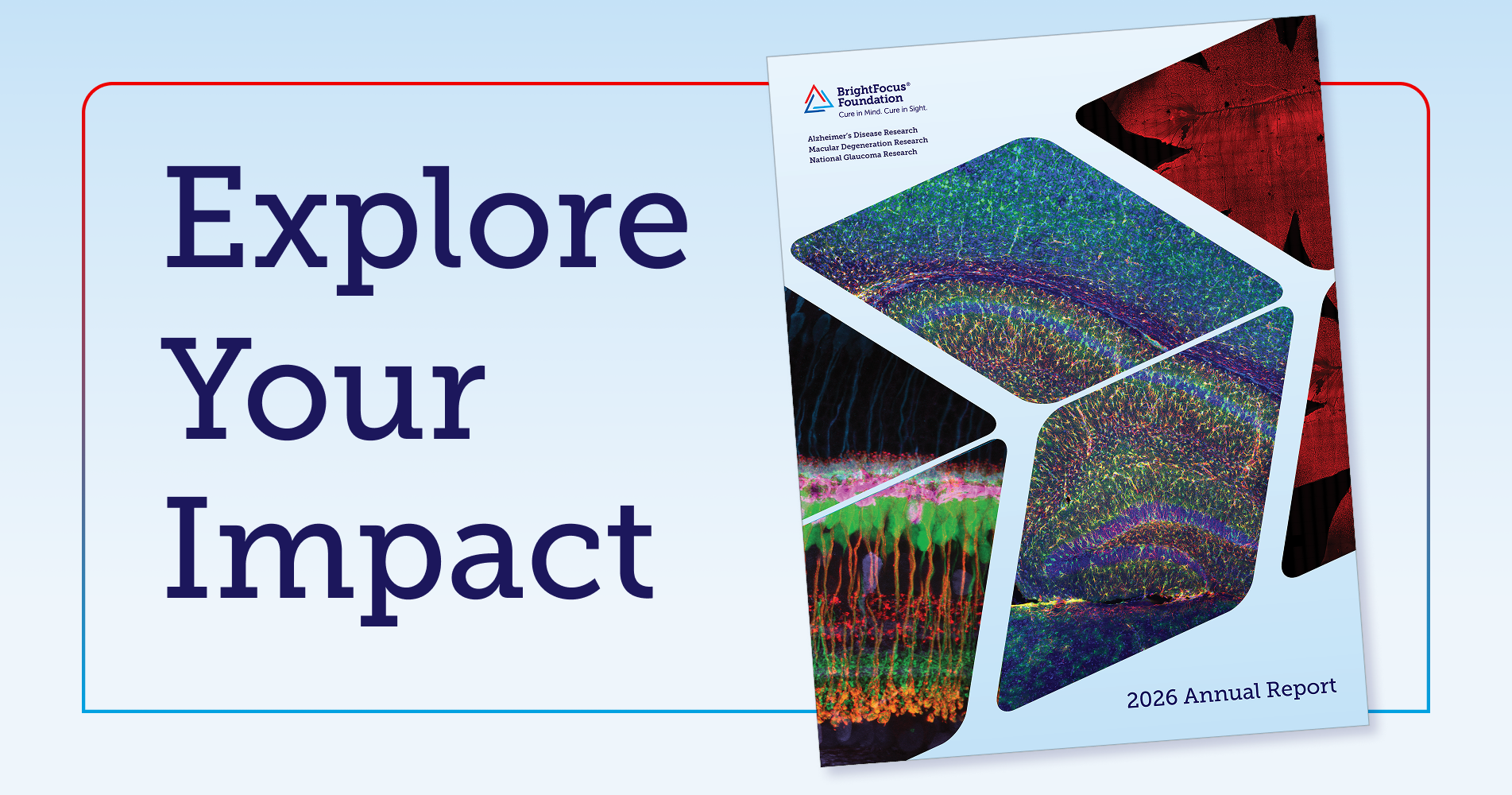
2026 Annual Report Highlights Breakthrough Brain and Vision Science
BrightFocus Foundation’s 2026 annual report highlights cutting-edge research and public awareness across Alzheimer's disease, macular degeneration, and glaucoma.
Press Release
'The Wire' Star Andre Royo Shares Personal Alzheimer's Story in New BrightFocus Foundation Awareness Campaign
A new campaign launched during World Alzheimer’s Month features renowned actor, producer, and writer Andre Royo, who lost his mother, Andrea Royo, to Alzheimer’s disease in 2024.
Article
BrightFocus Journal Rises to Top 5 Neuroscience Journals Worldwide
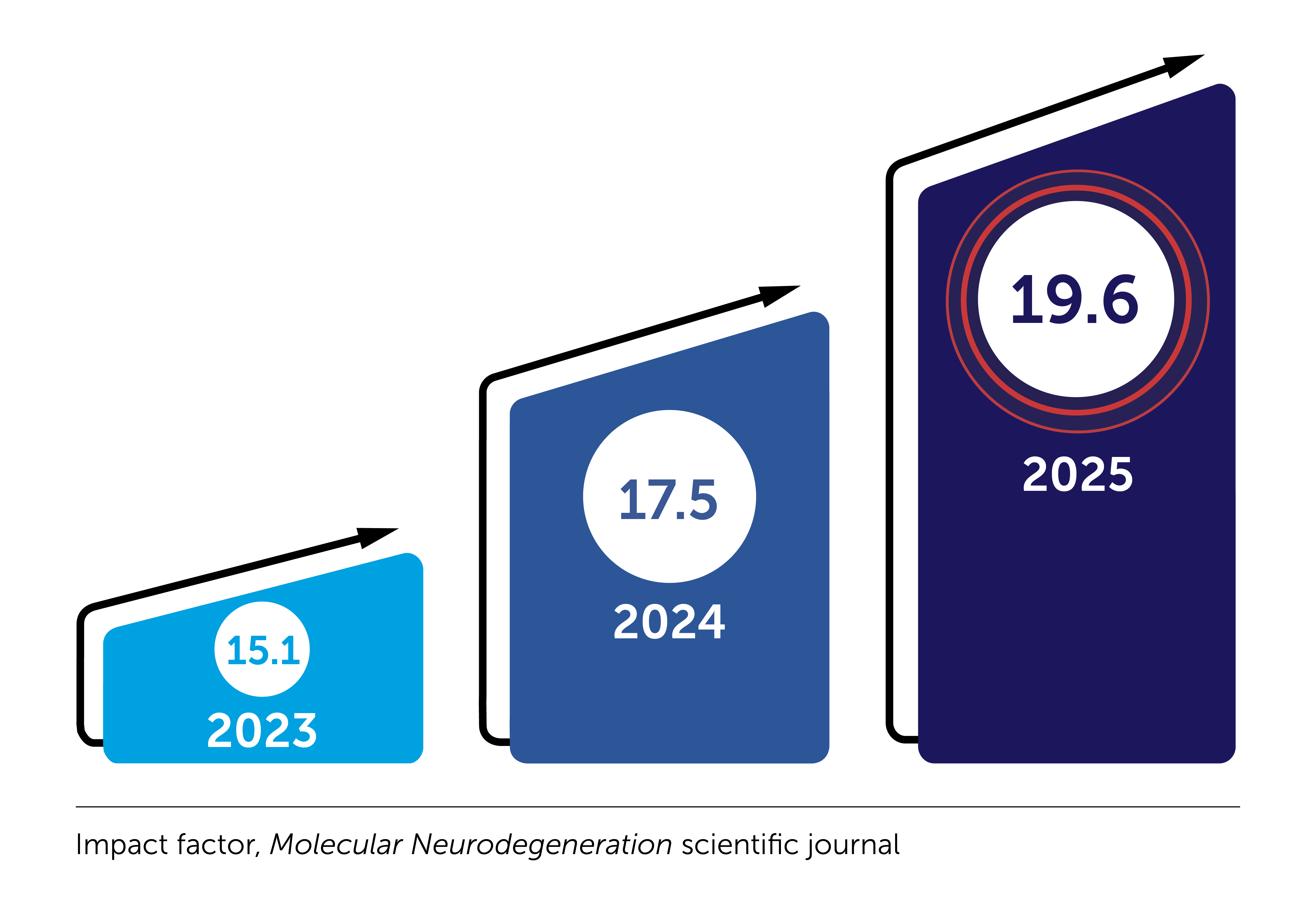
With a 2025 impact factor of 19.6 and a No. 5 ranking among 330 neuroscience journals worldwide, Molecular Neurodegeneration continues to expand its influence on research into Alzheimer’s disease, macular degeneration, glaucoma, and related neurodegenerative disorders.
Press Release
BrightFocus Foundation Announces President and CEO Planned Retirement and Launches National Search
BrightFocus Foundation today announced that Stacy Pagos Haller has shared her intention to retire as president and chief executive officer following the successful completion of a national search and the appointment of a successor, after 16 years of leadership.
Press Release
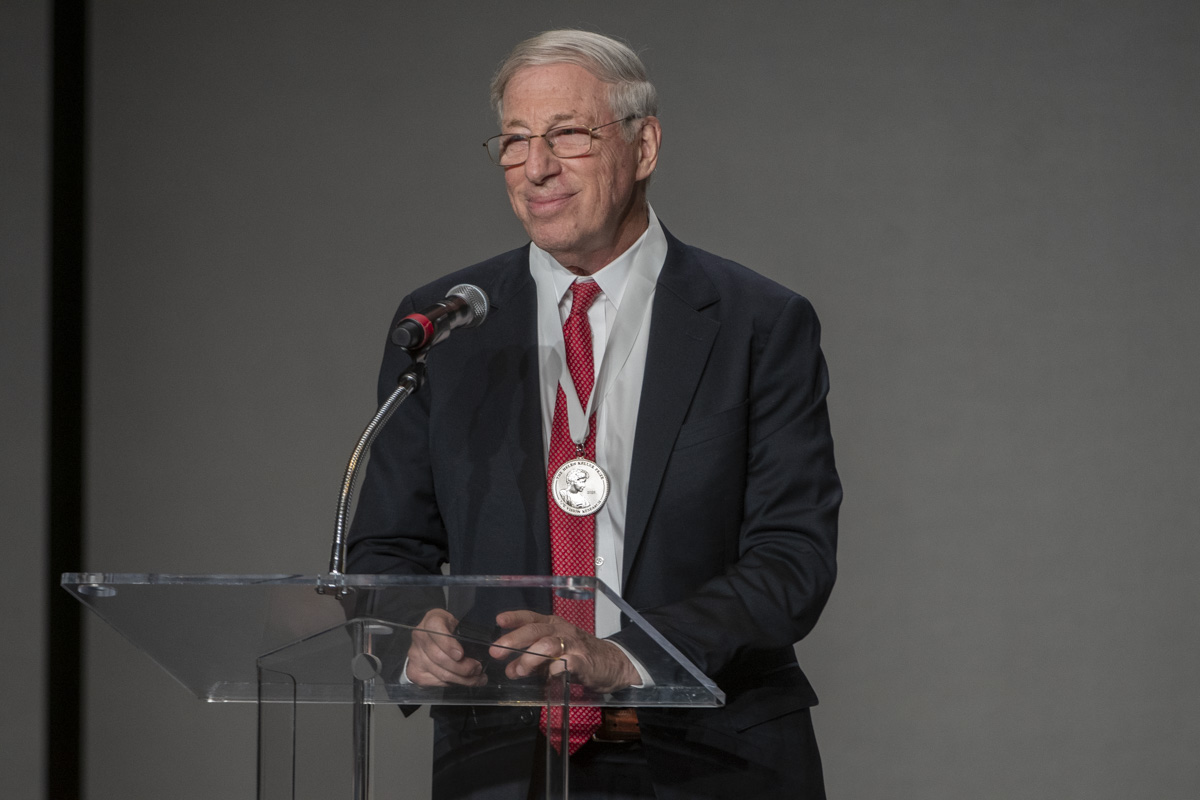
Dr. David Abramson Receives 2026 Helen Keller Prize for Vision Research from BrightFocus Foundation and Helen Keller Foundation
A pioneering clinician-scientist at Memorial Sloan Kettering Cancer Center, Dr. Abramson has transformed understanding and treatment of eye cancers worldwide.
Press Release
Donor Support Powers $16M+ Investment in 69 Projects Tackling Alzheimer's, Macular Degeneration, and Glaucoma
Following a year of uncertainty surrounding federal biomedical research funding, BrightFocus Foundation provides critical support for innovative brain and eye research.
Your gift today can help drive innovation in Alzheimer's, macular degeneration, and glaucoma research. By donating, you’ll support life-changing research and provide valuable resources for those affected by these devastating diseases. Give now to fuel hope and bring us closer to finding cures.





 Celia Bisbach, PhD, University of Wisconsin-Madison
 David Veysset, PhD, Massachusetts General Hospital (Harvard)
 Lily (Wenjing) Wu, PhD, University of Oklahoma Health Sciences Center
 Jeremy Sivak, PhD, University Health Network (Canada)
 Tyson Kim, MD, PhD, University of California, San Francisco