Can Targeting the Immune System Slow the Progression of Alzheimer's?
BrightFocus Alzheimer’s Disease Research grant recipient Joshua Emmerson, PhD, is exploring a certain type of immune cell’s unexpected role in Alzheimer’s disease—and what it could mean for protecting the brain.
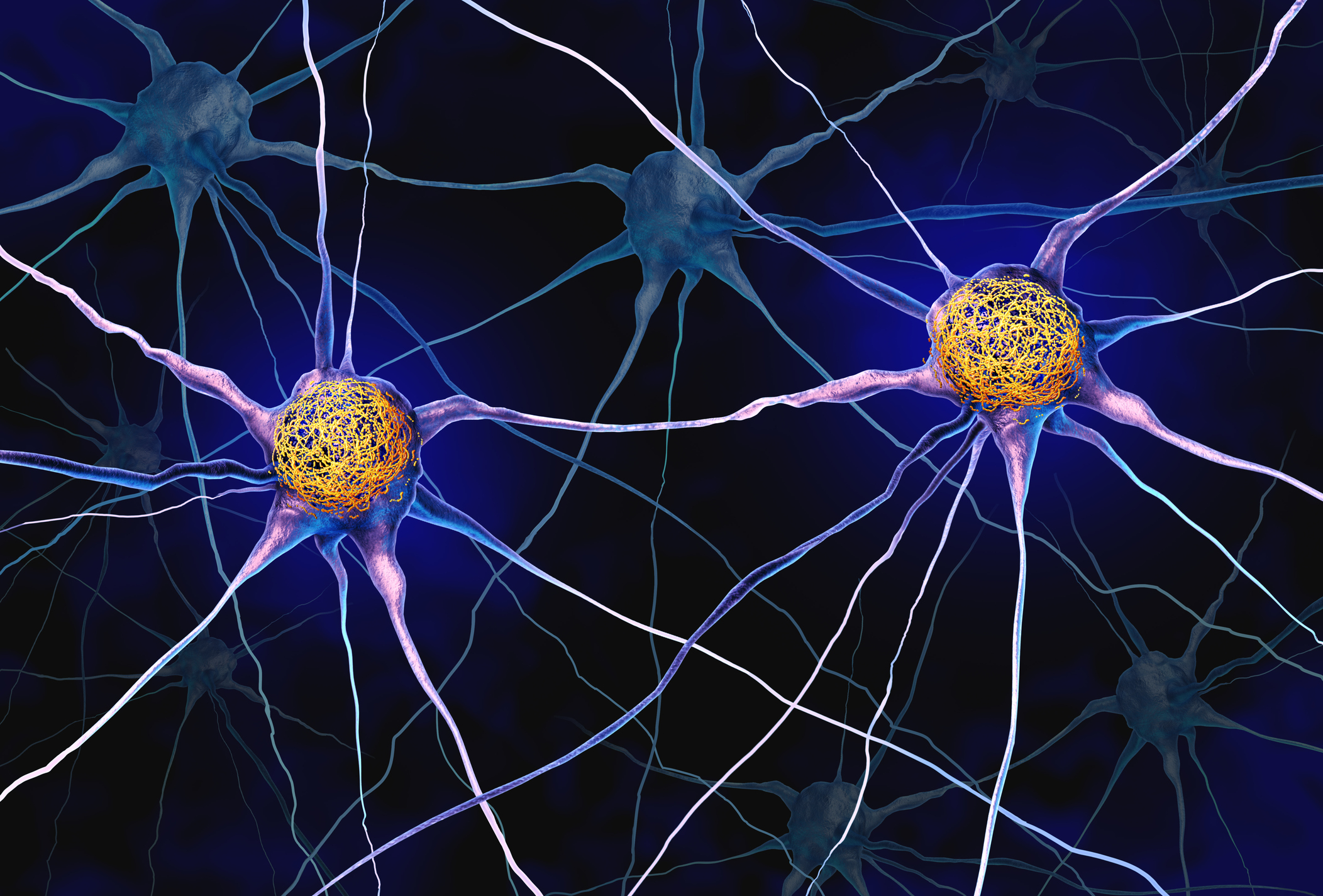
T cells are immune cells that help the body fight infection. In Alzheimer’s disease, their presence in the brain may contribute to cell death, a process that BrightFocus-funded researcher Joshua Emmerson, PhD, is working to better understand.
Key Takeaways
Alzheimer’s disease may be driven not only by toxic proteins like tau, but also by immune cells infiltrating the brain.
BrightFocus-funded researcher Joshua Emmerson, PhD, is studying how T cells, a type of immune cell that help the body fight infection, enter the brain and contribute to neurodegeneration—and how to block that process.
This work could forge a new path for Alzheimer’s drug development by targeting immune signaling.
BrightFocus Alzheimer’s Disease Research grant recipient Joshua Emmerson, PhD, watched both of his maternal grandparents develop dementia. Over time, their memories slipped, their personalities changed, and the people he knew gradually became harder to reach.
“I wanted to try to pull them back during times when they were cognitively slipping away,” he recalled.
Today, Dr. Emmerson’s research at Washington University in St. Louis stays true to that goal. Amid growing evidence that the immune system plays an important role in Alzheimer’s, Dr. Emmerson is focused on a more specific and less-understood piece of that puzzle: a type of immune cell called a T cell, which may be doing damage by infiltrating the brain for long periods of time.
If researchers can stop these immune cells from entering the brain, it could help slow or prevent the brain cell damage that drives Alzheimer’s, bringing new treatments to the millions affected by neurodegeneration.
A new way of thinking about Alzheimer’s
For decades, Alzheimer’s disease has largely been understood as a disorder driven by the buildup of abnormal proteins in the brain. These proteins, called amyloid and tau, are closely tied to brain degeneration, but scientists still don’t fully understand how they lead to the widespread death of brain cells seen in Alzheimer’s.
Recent research has begun to fill in that gap by pointing to T cells1 – a class of immune system cells that help fight infections.
To help describe the different roles immune cells play in the brain, Dr. Emmerson uses the analogy of law enforcement. Resident immune cells in the brain, called microglia and astrocytes, act like local police, constantly monitoring the environment and responding to problems. T cells, by contrast, are like highly trained FBI agents; they only come into the brain on rare occasions to respond to serious threats. If there’s an influx of T cells in the brain for too long, it can signal a serious problem.
Research suggests that the number of T cells spike in the brains of people with Alzheimer’s2. To Dr. Emmerson, that could mean the brain may be sending out distress signals that attract these specific kinds of immune cells. Because T cells are designed to mount powerful chemical responses, their presence in the brain raises an important concern: instead of helping, they could actually worsen damage to already vulnerable cells.3
Why understanding the immune system matters for Alzheimer’s
Dr. Emmerson wants to identify the signals that attract T cells into the brain during Alzheimer’s, and to stop that process before it compounds neurodegeneration.
Using lab models of Alzheimer’s disease, he is combining techniques from neuroscience, immunology, and pharmacology to study how chemokine signaling-molecular “homing signals” that guide immune cells to specific tissues-determines whether T cells are being drawn into the brain. The goal is to selectively block the harmful immune responses while preserving helpful ones, maintaining the body’s ability to fight infection.
“We know that modulating the immune system can change the way our brain cells communicate and survive,” Dr. Emmerson said. “Harnessing the immune system has been a source for several human therapies that we use today, for a range of diseases.”
If successful, this work could open up new directions for Alzheimer’s treatment. By preventing T cells from entering the brain, it may be possible to uncouple the buildup of toxic proteins from brain cell death, slowing or even stopping disease progression. This approach could complement existing therapies that target toxic proteins directly, and it may also offer benefits to people who are already experiencing cognitive symptoms, addressing a critical unmet need.
“Whenever I pursue a research project, I maintain a therapeutic lens,” Dr. Emmerson said. “Any possible therapy has to robustly restore cognition and reduce neurodegeneration to be considered meaningful for Alzheimer’s disease.”
A legacy of discovery
Dr. Emmerson’s work is part of a larger story about the importance of long-term investment in Alzheimer’s research. He is training under David Holtzman, MD, a past BrightFocus grantee and a current co-chair of the BrightFocus Alzheimer’s Disease Research Scientific Review Committee. Years ago, Dr. Holtzman’s work helped advance understanding of Alzheimer’s biomarkers and contributed to the development of the first blood test for early detection of Alzheimer’s disease to reach the market. Dr. Holtzman’s lab also helped establish the connection between immune system dysfunction and Alzheimer’s.
Now, Dr. Holtzman is advising Dr. Emmerson as he takes this research to the next stage.
“Dr. Holtzman is an excellent mentor,” Dr. Emmerson said. “His mentorship pushed me to follow my own ideas and focus on addressing gaps in the field.”
This cross-generational support highlights how continued investments from Alzheimer’s Disease Research, made possible by generous donor support, can spark breakthroughs that build on one another over time.
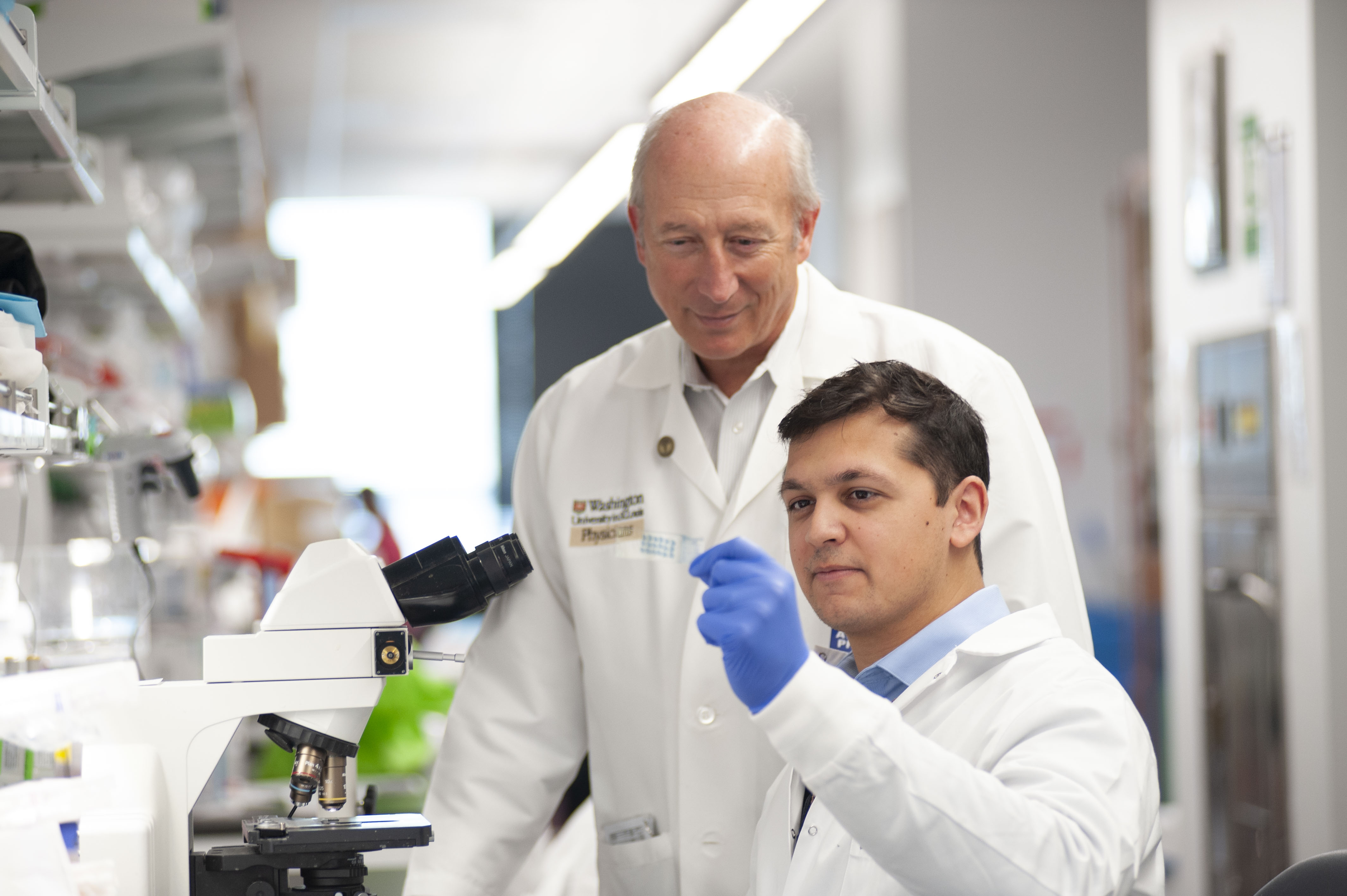
Alzheimer’s Disease Research grantee Joshua Emmerson, PhD (right) sharing data with mentor David Holtzman, MD
“With preventative treatment options on the horizon, there is a renewed hope to develop and refine treatments to completely stop or prevent Alzheimer’s dementia,” Dr. Emmerson said.
“Without the research support of [Alzheimer’s Disease Research] donors,…the field would not be where it is today.”
BrightFocus Foundation is a premier global nonprofit funder of research to defeat Alzheimer’s, macular degeneration, and glaucoma. Since its inception more than 50 years ago, BrightFocus and its flagship research programs—Alzheimer’s Disease Research, Macular Degeneration Research, and National Glaucoma Research—has awarded more than $300 million in research grants to scientists around the world, catalyzing thousands of scientific breakthroughs, life-enhancing treatments, and diagnostic tools. We also share the latest research findings, expert information, and resources to empower the millions impacted by these devastating diseases. Learn more at brightfocus.org.
Disclaimer: The information provided here is a public service of BrightFocus Foundation and is not intended to constitute medical advice. Please consult your physician for personalized medical, dietary, and/or exercise advice. Any medications or supplements should only be taken under medical supervision. BrightFocus Foundation does not endorse any medical products or therapies.
Get the latest research news from the 2026 International Alzheimer’s and Parkinson’s Diseases and Related Neurological Disorders (AD/PD) conference.
Article
Alzheimer’s Science News: Winter 2026
In this issue: FDA Approves First At-Home Alzheimer’s Treatment, PhD, GLP-1 Drugs Could Stop Alzheimer’s, Earn Income for Life While Fighting Alzheimer’s, and more!
Article
Unlocking the Brain's Regenerative Potential to Fight Alzheimer's
María Llorens-Martín is investigating why the brain stops making new cells in Alzheimer’s—and how fixing that process could change lives.
Article
Breaking News Dispatch: New Findings on GLP-1 Drugs and Alzheimer's, Novel Treatments in Development, and More
Get the latest news from the 2025 Clinical Trials on Alzheimer’s Disease (CTAD) conference.
Article
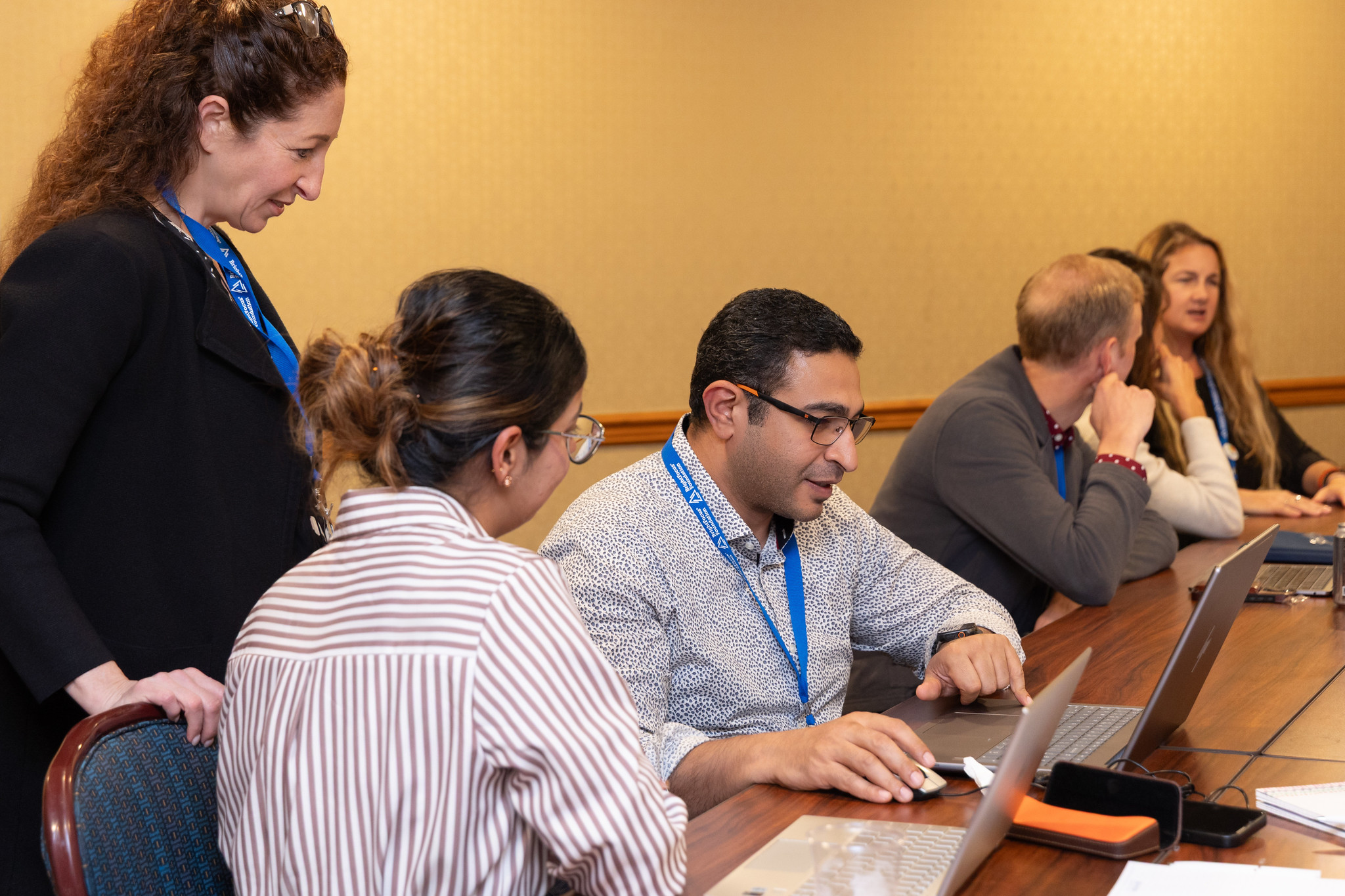
4 Takeaways from Alzheimer's Fast Track 2025
This innovative meeting hosted by BrightFocus Foundation bridges cutting-edge science, mentorship, and community building for early-career researchers.
Article
Understanding Alzheimer's & Exploring New Frontiers in Treatment
Watch a conversation inspired by the documentary film Taking Care and the latest research in Alzheimer’s therapies.
Every Donation is a Step Forward in the Fight Against Alzheimer’s
Your donation powers cutting-edge research and helps scientists explore new treatments. Help bring us closer to a cure and provide valuable information to the public.