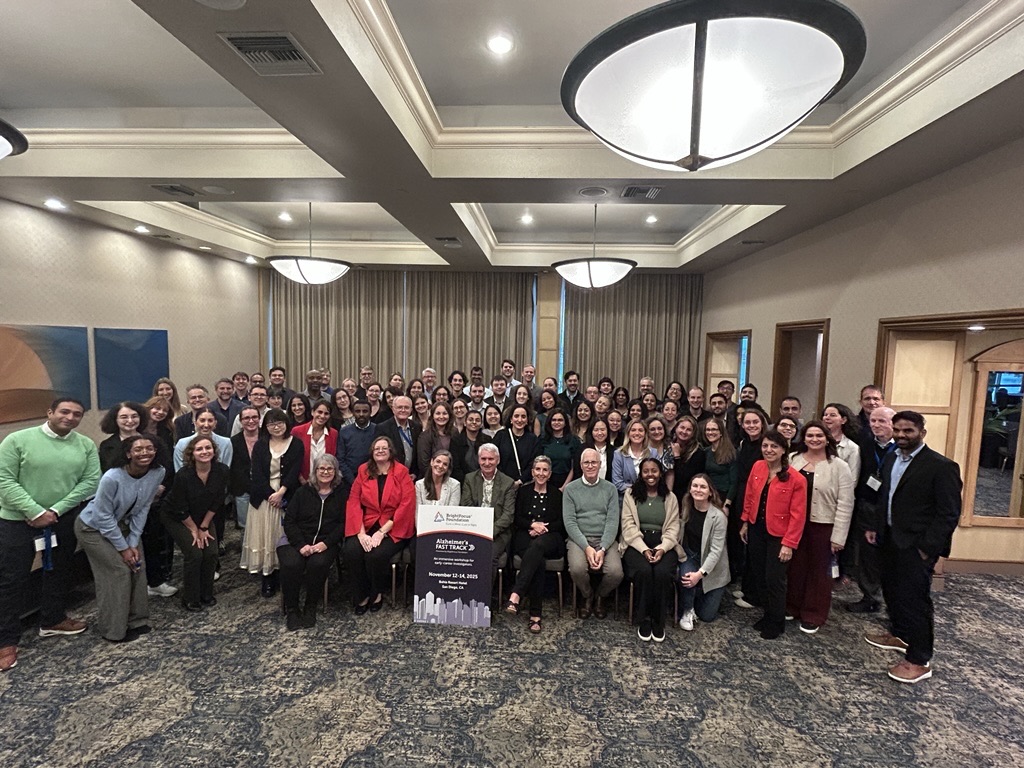
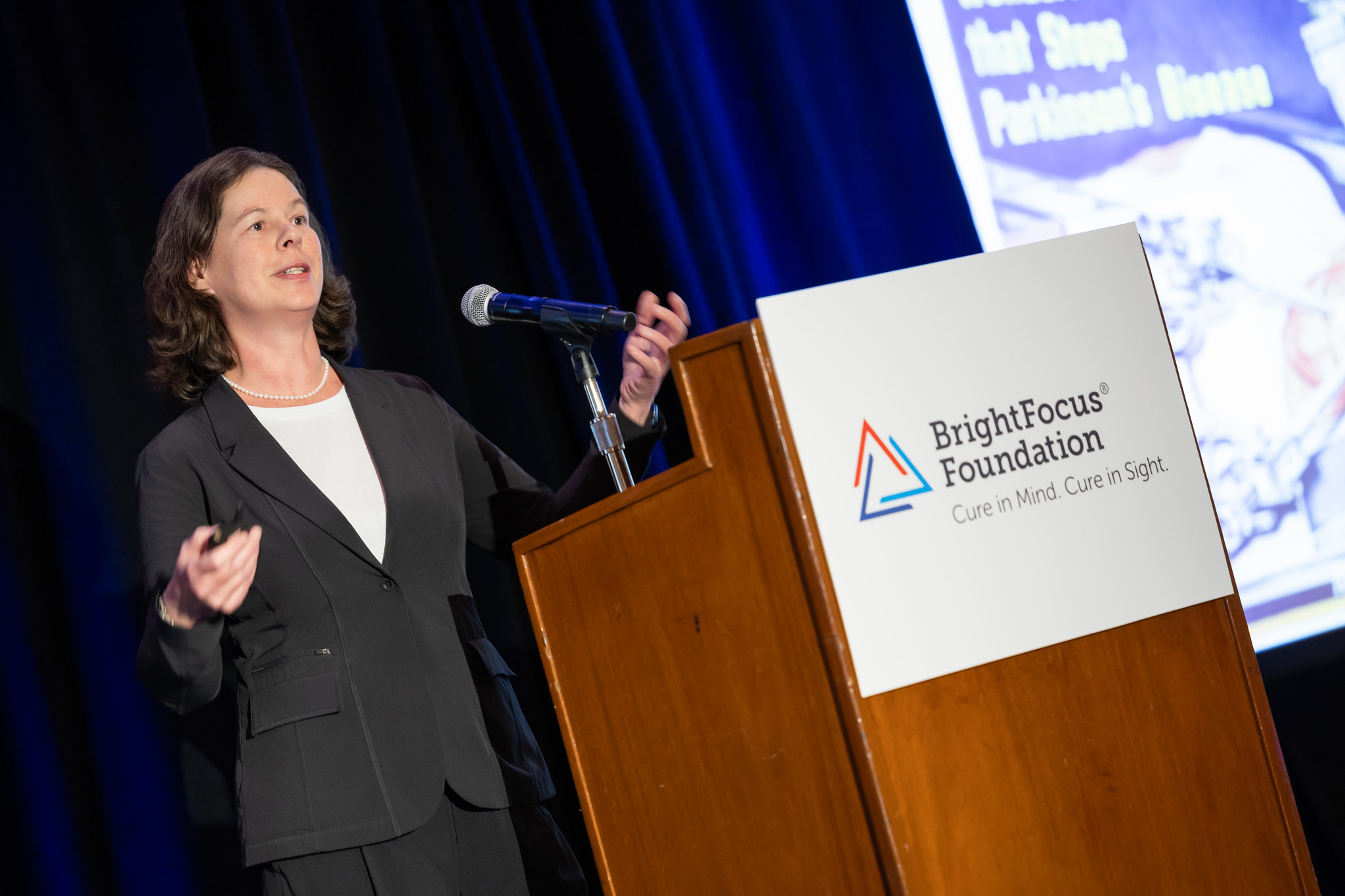
Students and speakers at the 17th annual BrightFocus Foundation Alzheimer’s Fast Track, an official pre-meeting of the Society for Neuroscience annual meeting.
More than 60 early-career scientists from nine countries came together in San Diego for BrightFocus Foundation’s 17th annual Alzheimer’s Fast Track, held November 12-14, 2025. Taught by leading scientific experts, the program equips rising scientists with the knowledge, skills, and connections needed to accelerate breakthroughs in Alzheimer’s disease.
A unique aspect of the meeting is its focus on early-career investigators—graduate students, postdoctoral fellows, and those entering the field from a different research area—who can engage directly with the expert faculty, receiving mentorship and feedback on their research during and after the meeting. To date, this signature BrightFocus program has trained more than 600 scientists from 22 countries.
One participant, Thais Guimaraes, PhD, works as a postdoctoral associate at the University of Pittsburgh. She’s interested in creating and applying translational models to understand the molecular and cellular pathways involved in Alzheimer’s disease.
“Hearing groundbreaking science, working in a collaborative team of peers, and sharing meals with leading names in the field was a privilege,” she said.
“I was amazed by how comprehensive the workshop was, spanning from the most basic biological mechanisms of Alzheimer’s to population level studies and environmental interventions. However, the humbling experience of hearing directly from Alzheimer’s patients and caregivers about their experience is, by far, what will always remain in my heart and guide all my future endeavors in science.”
Here are four takeaways from this year’s event.
Patient Perspectives are Essential
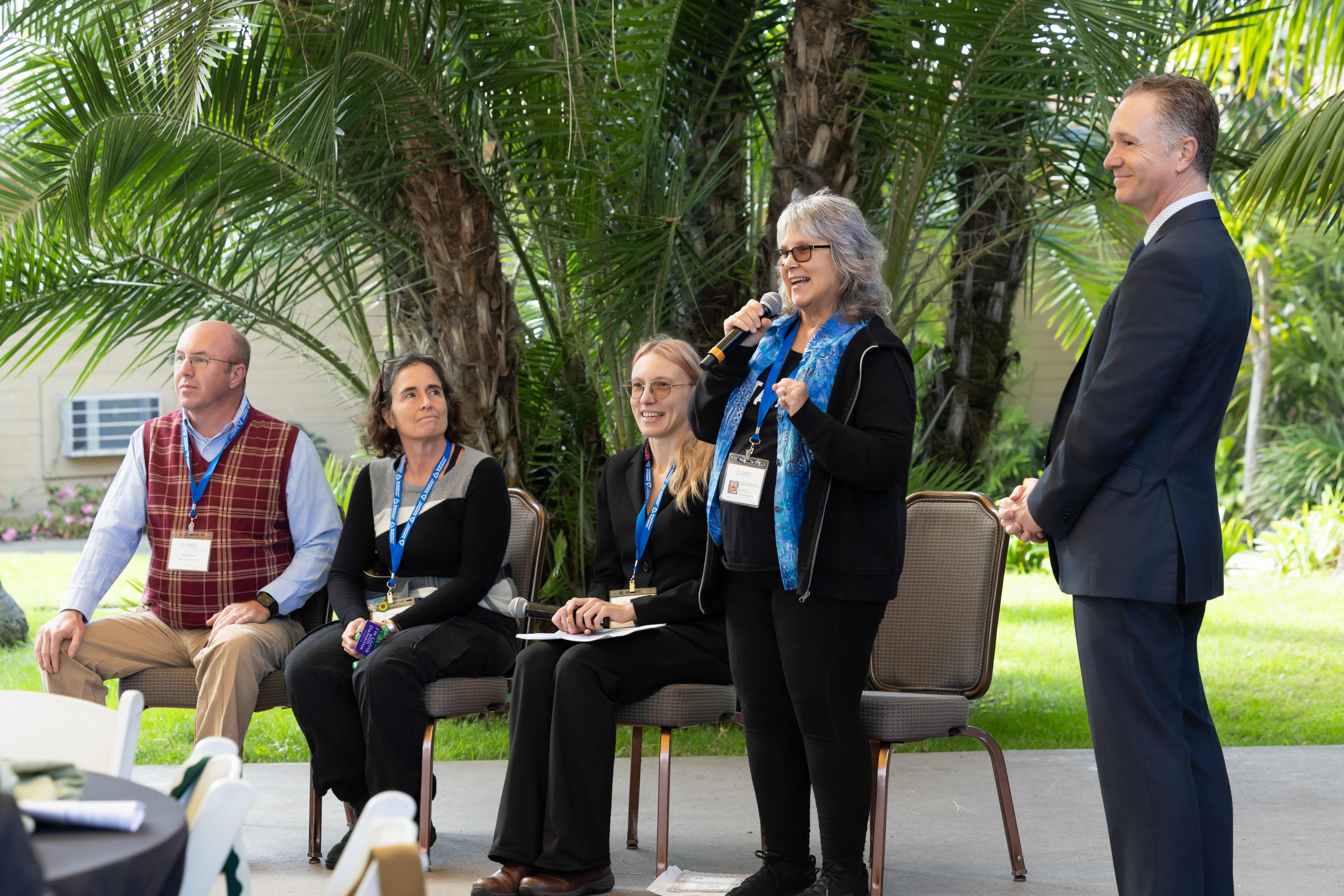
A powerful lived-experience panel moderated by the University of California Irvine’s Dr. Joshua Grill brought the human impact of Alzheimer’s disease to the forefront. Two individuals diagnosed with early-onset Alzheimer’s shared reflections on their journeys, joined by family members who offered their own perspectives on navigating the disease as a family.
One panelist, Rev. Dr. Cynthia Huling Hummel, a retired pastor from Owego, New York, first noticed something was wrong when she could no longer recall the names and stories of her parishioners. After eight years of seeking answers and consulting multiple doctors, she was diagnosed with amnestic mild cognitive impairment due to Alzheimer’s disease and left full-time ministry. She now speaks openly about her journey from asking “Why me?” to focusing on “What’s next?”
Cynthia’s daughter, Emily Kawasaki, shared tips she’s learned for moving forward as a family, including helping loved ones process their diagnosis, connecting with local organizations and building a support network, scheduling regular check-ins with your loved one, and accepting and embracing changes rather than fighting them.
“It’s important to acknowledge your loved one’s accomplishments and wins—both big and small,” she said.
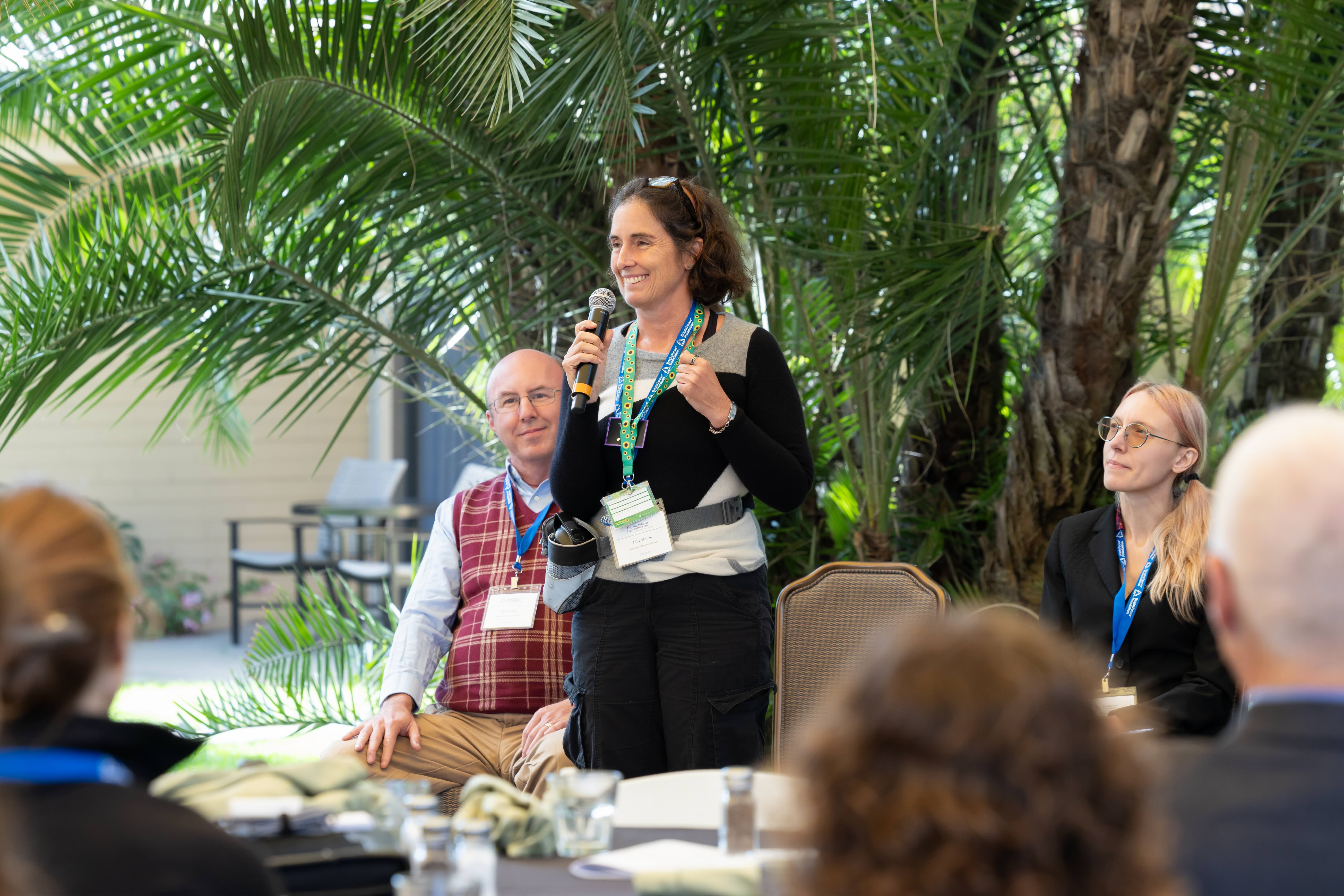
Julie Moore described being diagnosed at age 54 with mild cognitive impairment with Alzheimer’s disease pathology. Together with her husband and care partner Ron, she has become a dedicated advocate for people living with cognitive change among the legislative, medical, and research communities.
“You all give us hope,” she told the researchers.
Rev. Dr. Cynthia Huling Hummel addresses the group. She was joined by her daughter, Emily Kawasaki (center), Ron and Julie Moore (far left), and Dr. Joshua Grill (far right).
Julie Moore shared her story alongside her husband and care partner, Ron.
Where You Live (and Your Race and Gender) Matter
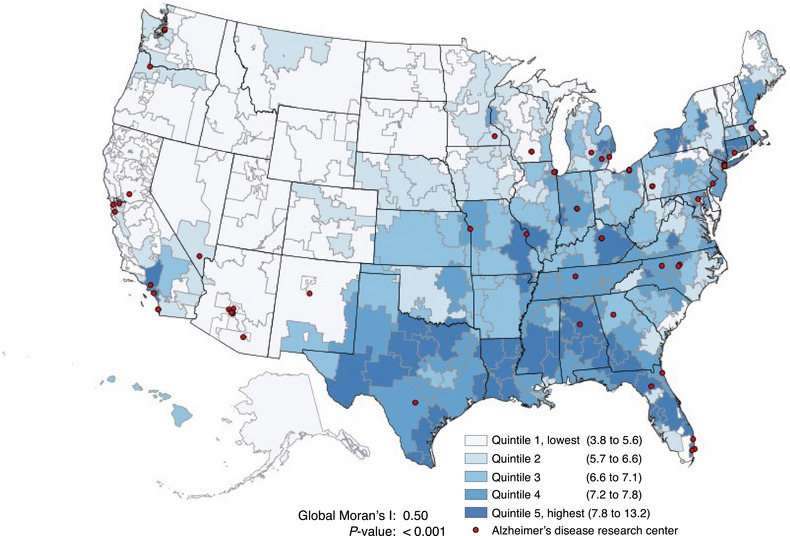
Alzheimer’s disease doesn’t affect every community equally. Prevalence rates are highest in the Deep South, and people living in rural areas also face greater risk of Alzheimer’s and other negative health outcomes.
To help explain this, Dr. Justin Miller of the University of Washington School of Medicine discussed the idea of the “exposome,” which refers to all the lived experiences and environmental exposures that shape our health over a lifetime. This includes environmental influences like air quality, diet, stress, and behavior and social determinants of health like community, the built environment around you, education, and economic stability. Together, these factors can affect a person’s risk for developing Alzheimer’s.
With support from Alzheimer’s Disease Research, Dr. Miller is leading the Northwest Rural Brain Health Initiative—the largest, most comprehensive longitudinal study of rural cognitive aging ever done. This study seeks to uncover the factors contributing to increased risk in rural communities, improve access to critical health care for older adults, and establish a better understanding of brain aging and dementia in rural America.
Geographic distribution of total older adults age 66 and older diagnosed with Alzheimer’s disease and related dementias (no. per 100) in FFS Medicare by U.S. hospital referral regions, 2019. ADRD, Alzheimer’s disease and other related dementias; FFS, Fee‐For‐Service. See original.
Sex also influences genetic risk for Alzheimer’s, and women are affected at higher rates. Research shows that the disease can behave differently in men and women at the biological level, which may help explain these differences. For example, research shows that females show a more rapid rate of cognitive decline in the presence of Alzheimer’s pathology compared to males, explained Vanderbilt University’s Dr. Timothy Hohman.
Race and ethnicity also play a major role in who develops Alzheimer’s. African Americans currently face the highest rates of Alzheimer’s and related dementias, and Hispanics are projected to see the biggest increase in cases by 2060, noted Dr. Sid O’Bryant of the University of North Texas Health Science Center. People from diverse communities are often diagnosed later, are diagnosed with more severe forms of the disease, and by the time they get care, often face additional health conditions that complicate treatment.
Together, these factors spanning environment and social influences, race and ethnicity, and sex show that Alzheimer’s does not affect everyone in the same way. More research is needed to understand individual risk factors and to develop personalized approaches to diagnosis, prevention, and treatment.
RELATED: Explore grants funded by Alzheimer’s Disease Research investigating sex-based differences.
The Future of Alzheimer’s Treatment Won’t Rely on a Single “Magic Bullet”
The Alzheimer’s disease drug development pipeline is robust and diverse, featuring more than 180 active clinical trials with over 130 unique drugs. While anti-amyloid therapies like Leqembi (lecanemab) and Kisunla (donanemab) have received regulatory approvals, the pipeline also increasingly focuses on alternative ways to target and treat the disease, explained the University of Toronto’s Dr. Don Weaver.
Scientists emphasized that there is unlikely to be a single “magic bullet” therapy for Alzheimer’s disease; future treatment will almost certainly rely on combination therapies, with multiple drugs or approaches working together to target the disease’s many pathways.
In addition to various pharmaceuticals, several non-pharmaceutical therapies are in the pipeline that can help maintain cognitive function, improve mood and recall, and reduce agitation, such as group puzzles and games, music and art therapy, diets rich in omega-3 fatty acids, bright light therapy, and structured exercise.
Dr. Isabelle Aubert from Sunnybrook Research Institute at the University of Toronto highlighted one promising noninvasive intervention: her promising Alzheimer’s Disease Research-supported work uses focused ultrasound therapy to promote the regeneration of brain cells, potentially improving brain function in people with Alzheimer’s disease.
Alzheimer’s Disease Research grantee Dr. Isabelle Aubert presents.
Science is a Team Sport
Alzheimer’s disease, which impacts multiple parts of the body and brain in very different ways across individuals, can’t be fully understood—or solved—using a single, solitary approach.
“Neuroscience thrives on collaboration,” said Harry Steinbusch, PhD, one of the co-chairs of Alzheimer’s Fast Track.
Workshops like Alzheimer’s Fast Track break down barriers among departments and disciplines and allow neuroscientists from different backgrounds to collaborate, share ideas, and foster innovation.
“By bringing together emerging scientists and industry-leading researchers across a full range of disciplines—from clinical neuropsychologists to chemists—we help spark new ideas and solutions for this complex disease,” said Sharyn Rossi, PhD, senior director of neuroscience programs at BrightFocus Foundation and Alzheimer’s Fast Track co-chair. “Now more than ever, scientists need the strength and support of a connected community to keep pushing this life-changing work forward.”
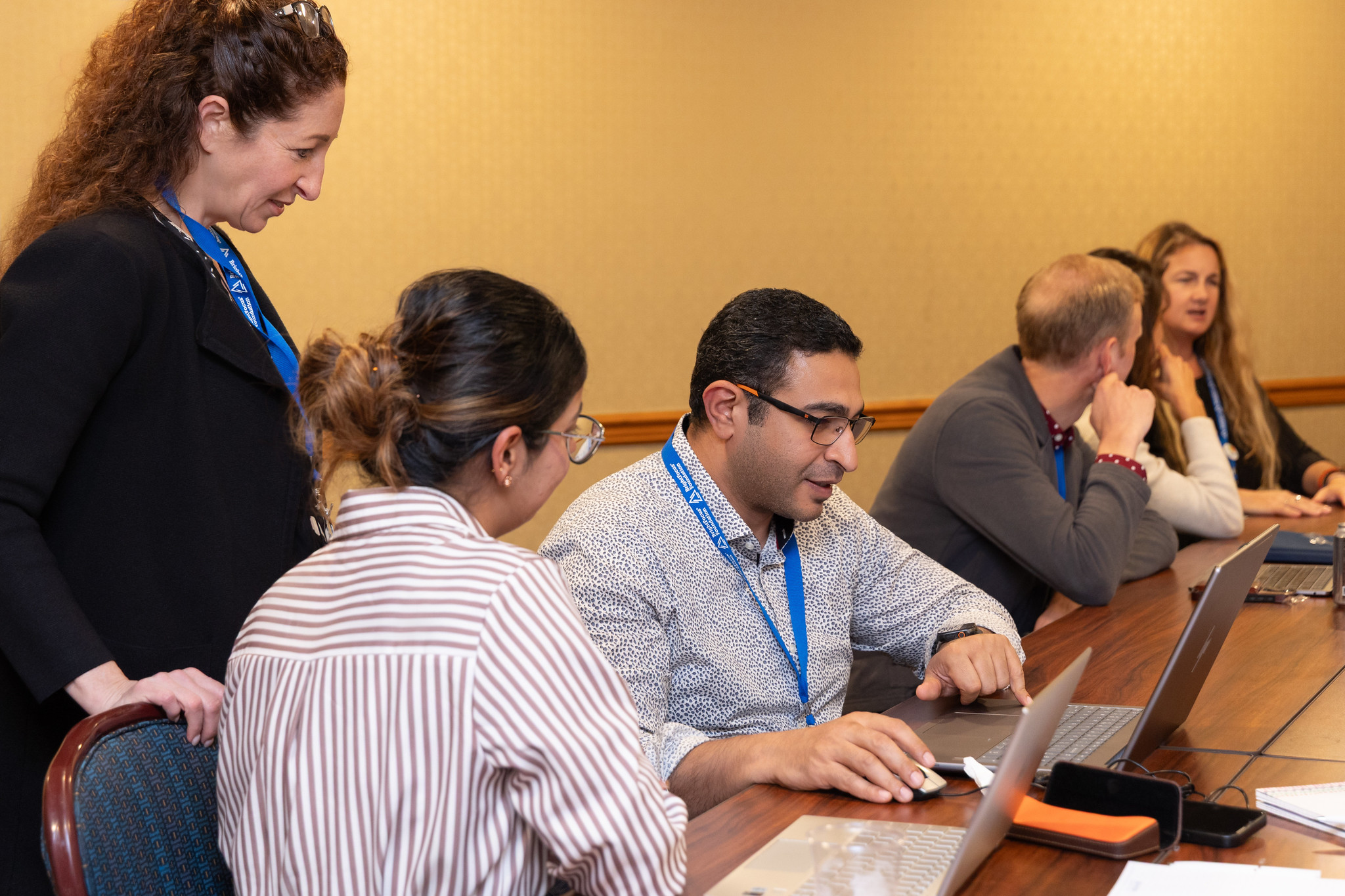
Stacey Sukoff Rizzo, PhD, far left, shares feedback with students.
Help keep up the momentum for Alzheimer’s research. Learn more about how you can get involved.
2025 Alzheimer’s Fast Track Speakers
Frank LaFerla, PhD, University of California, Irvine (Co-Chair)
Sharyn Rossi, PhD, BrightFocus Foundation (Co-Chair)
Cynthia Lemere, PhD, Brigham and Women’s Hospital, Harvard Medical School (Co-Chair)
Harry W.M. Steinbusch, PhD, Maastricht University (The Netherlands) (Co-Chair)
Isabelle Aubert, PhD, Sunnybrook Research Institute, University of Toronto (Canada)*
Diane Bovenkamp, PhD, BrightFocus Foundation
Sandro Da Mesquita, PhD, Mayo Clinic Jacksonville*
Dan Geschwind, MD, PhD, University of California, Los Angeles*
Joshua Grill, PhD, University of California, Irvine*
Michael Heneka, MD, University of Luxembourg, Luxembourg Centre for Systems Biomedicine
Timothy Hohman, PhD, Vanderbilt University Medical Center
Rev. Dr. Cynthia Huling Hummel
Aimee Kao, MD, PhD, University of California, San Francisco
Emily Kawasaki, MSed
Anna Krichevsky, PhD, Brigham and Women’s Hospital and Harvard Medical School
Renaud La Joie, PhD, University of California, San Francisco
Melissa Lamar, PhD, Rush Alzheimer’s Disease Center, Rush University Medical Center
Peter Lansbury, PhD, CeraLink Therapeutics, Harvard Medical School*
Bri McWhorter, MFA, Activate to Captivate
Justin B. Miller, PhD, University of Washington School of Medicine*
Ron and Julie Moore
Melissa Murray, PhD, Mayo Clinic Jacksonville
Sid O’Bryant, PhD, University of North Texas Health Science Center
Stacey J. Sukoff Rizzo, PhD, University of Pittsburgh School of Medicine
Nikki Schultek, The Pathobiome Research Center at the Philadelphia College of Osteopathic Medicine, The Alzheimer’s Pathobiome Initiative (AlzPI) and Intracell Research Group, LLC
Kyle Travaglini, PhD, Allen Institute for Brain Science
Donald F. Weaver, MD, PhD, University Health Network, University of Toronto (Canada)*
Cheryl Wellington, PhD, University of British Columbia (Canada)*
*Alzheimer’s Disease Research-funded scientist
Thank you to our sponsors of this year’s Alzheimer’s Fast Track:
BrightFocus Foundation Board of Directors
RKD Group
UsAgainstAlzheimer’s
J.P. Morgan Private Bank
Atlantic Union Bank
Corentus
Copilevitz, Lam & Raney
Stelter
Moore
About BrightFocus Foundation
BrightFocus Foundation is a premier global nonprofit funder of research to defeat Alzheimer’s, macular degeneration, and glaucoma. Since its inception more than 50 years ago, BrightFocus and its flagship research programs—Alzheimer’s Disease Research, Macular Degeneration Research, and National Glaucoma Research—has awarded more than $300 million in research grants to scientists around the world, catalyzing thousands of scientific breakthroughs, life-enhancing treatments, and diagnostic tools. We also share the latest research findings, expert information, and resources to empower the millions impacted by these devastating diseases. Learn more at brightfocus.org.
Disclaimer: The information provided here is a public service of BrightFocus Foundation and is not intended to constitute medical advice. Please consult your physician for personalized medical, dietary, and/or exercise advice. Any medications or supplements should only be taken under medical supervision. BrightFocus Foundation does not endorse any medical products or therapies.
Get the latest research news from the 2026 International Alzheimer’s and Parkinson’s Diseases and Related Neurological Disorders (AD/PD) conference.
Article
Alzheimer’s Science News: Winter 2026
In this issue: FDA Approves First At-Home Alzheimer’s Treatment, PhD, GLP-1 Drugs Could Stop Alzheimer’s, Earn Income for Life While Fighting Alzheimer’s, and more!
Article
Can Targeting the Immune System Slow the Progression of Alzheimer's?
BrightFocus Alzheimer’s Disease Research grant recipient Joshua Emmerson, PhD, is exploring a certain type of immune cell’s unexpected role in Alzheimer’s disease—and what it could mean for protecting the brain.
Article
Unlocking the Brain's Regenerative Potential to Fight Alzheimer's
María Llorens-Martín is investigating why the brain stops making new cells in Alzheimer’s—and how fixing that process could change lives.
Article
Breaking News Dispatch: New Findings on GLP-1 Drugs and Alzheimer's, Novel Treatments in Development, and More
Get the latest news from the 2025 Clinical Trials on Alzheimer’s Disease (CTAD) conference.
Article
Understanding Alzheimer's & Exploring New Frontiers in Treatment
Watch a conversation inspired by the documentary film Taking Care and the latest research in Alzheimer’s therapies.
Every Donation is a Step Forward in the Fight Against Alzheimer’s
Your donation powers cutting-edge research and helps scientists explore new treatments. Help bring us closer to a cure and provide valuable information to the public.