


Metabolism Driving Cell Death and Inflammation in Alzheimer’s Disease

About the Research Project
Program
Award Type
Postdoctoral Fellowship
Award Amount
$200,000
Active Dates
February 01, 2023 - January 31, 2025
Grant ID
A2022024F
Goals
Using directly induced neurons from patient skin cells, we will investigate how PKM isoforms regulate neuronal resilience to cell death, and pro-inflammatory signatures in Alzheimer’s disease neurons.
Grantee institution at the time of this grant: University of Innsbruck
Summary
Aim 1: A gain of nuclear PKM2 and the loss of cytosolic PKM1 function are concerted driving mechanism in neurodegeneration, but the relative importance of the two phenomena is still unclear. We will engineer PKM2 to better understand PKM changes in AD neurons with regard to intervention strategies. Aim2: We will establish co-culture models containing healthy and diseased neurons and astrocytes to define neuron-glia interactions, the inflammatory phenotypes of astrocytes, and the reversibility of neuroinflammation, which we hypothesize originates in neurons, by treatments with PKM modulators.
Unique and Innovative
We hypothesize that a cancer-like isoform switch between PKM1 and PKM2 drives neuronal fate loss in Alzheimer neurons and thus re-instates neuronal cell death competency, which is a novel concept in the AD field. Our goal is to open new possibilities for Alzheimer therapeutics. Importantly, several PKM modulators are already in clinical trials as cancer therapeutics, and have been shown to restore some aspects of the AD phenotype in AD neurons. This study will enhance the understanding of PKM isoforms in neurons to enhance targeted development of PKM modulators for the treatment of AD.
Foreseeable Benefits
Currently, there are no drugs that can stop or reverse Alzheimer’s disease progression. We identified a novel mechanism that drives neuronal de-differentiation, where the re-gain developmental features, such as their competency to die, and is partly driven by the isoform switch of PKM. With the results of this project, we aim to enhance the targeted generation of efficient PKM modulators to address the AD-specific mechanism in post-mitotic neurons to render neurons more resilient and prevent neurodegeneration.
Related Grants
Alzheimer's Disease Research
Understanding the Role of Brain Immune Cells in Protection Against Alzheimer’s
Active Dates
July 01, 2025 - June 30, 2027

Principal Investigator
Ghazaleh Eskandari-Sedighi, PhD
Current Organization
University of California, Irvine
Understanding the Role of Brain Immune Cells in Protection Against Alzheimer’s
Active Dates
July 01, 2025 - June 30, 2027
Principal Investigator
Ghazaleh Eskandari-Sedighi, PhD
Current Organization
University of California, Irvine
Alzheimer's Disease Research
Leveraging How the Brain’s Immune Cells Fuel Frontotemporal Dementia
Active Dates
July 01, 2025 - June 30, 2027

Principal Investigator
Laura Fumagalli, PhD
Current Organization
Flanders Institute for Biotechnology
Leveraging How the Brain’s Immune Cells Fuel Frontotemporal Dementia
Active Dates
July 01, 2025 - June 30, 2027
Principal Investigator
Laura Fumagalli, PhD
Current Organization
Flanders Institute for Biotechnology
Alzheimer's Disease Research
Blocking Jumping Genes to Stop Brain Inflammation in Alzheimer's Disease
Active Dates
July 01, 2025 - June 30, 2027

Principal Investigator
Joseph Herdy, PhD
Current Organization
The Salk Institute for Biological Studies
Blocking Jumping Genes to Stop Brain Inflammation in Alzheimer's Disease
Active Dates
July 01, 2025 - June 30, 2027
Principal Investigator
Joseph Herdy, PhD
Current Organization
The Salk Institute for Biological Studies
News Featuring This Grantee
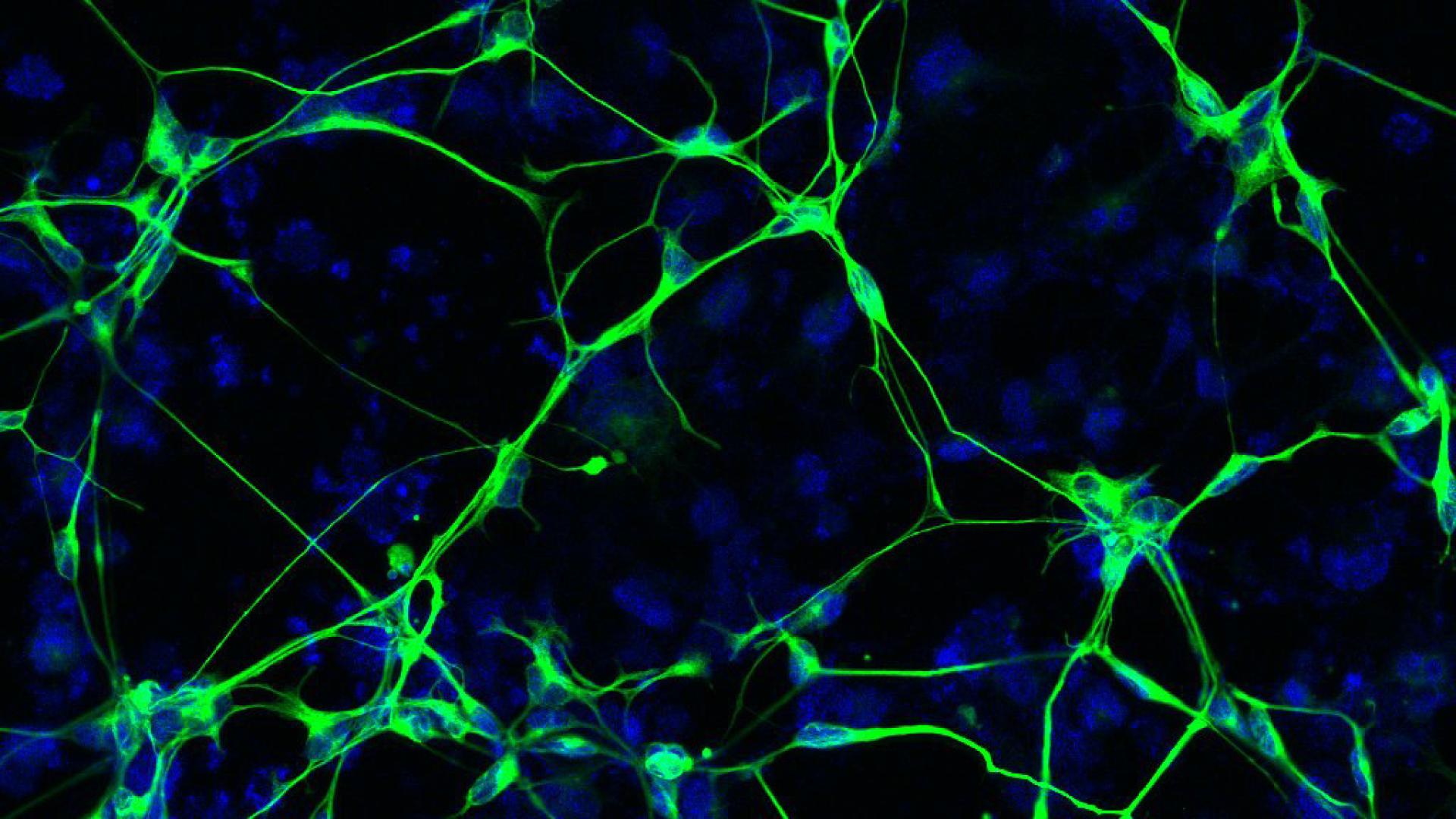
Deteriorating Neurons Are Source of Human Brain Inflammation in Alzheimer's Disease, BrightFocus Researchers Find
A new study funded by Alzheimer’s Disease Research, a BrightFocus Foundation program, points to one possible source of brain inflammation that could pave the way for new treatments to prevent or treat Alzheimer’s disease.