


Immune Cell Traps in Inflammation and Wet Age-Related Macular Degeneration

About the Research Project
Program
Award Type
New Investigator Grant
Award Amount
$334,937.98
Active Dates
July 01, 2023 - June 30, 2027
Grant ID
M2023009N
Goals
This project aims to characterize immune cell inflammatory activity as a potential treatment target in wet age-related macular degeneration.
Summary
Immune cells called neutrophils can set “traps” outside the cell to capture invasive pathogens, which neutrophils then destroy without damaging other body cells. In wet, or neovascular, age-related macular degeneration, these traps may trigger an exaggerated inflammatory response that leads to tissue damage. Matthew Rutar, PhD, and his colleagues hypothesize that reactive traps are responsible for triggering this damage and represent a target for treatment.
To explore the role of neutrophil extracellular traps, or NETs, in neovascular age-related macular degeneration, the researchers plan to use lab models and donor tissues. They also will test inhibitors of NET activity using these tools. The candidate inhibitors are first-generation drugs. If the drugs prove effective, Dr. Rutar and his colleagues will have confirmed that NET inhibition could dampen inflammatory damage in age-related macular degeneration. Current therapies are focused on limiting the rogue growth of blood vessels, so identifying new targets related to inflammation offers new opportunities for treatment.
Unique and Innovative
Neutrophils are a critical component of innate immunity, though can also induce exaggerated inflammatory responses and promote tissue damage, including through aberrant activation of NETs. Despite their central role, the activity of neutrophils and NETs are largely unexplored in AMD. This project will bolster our understanding of neutrophil activation in wet AMD, and the specific roles for NETs in this process. Through testing of new first-generation NET inhibitors, the project will also offer a proof-of-principle for NET inhibition in ameliorating AMD.
Foreseeable Benefits
Presently, there are a few available treatments for mitigating vision loss in wet AMD. Currently available therapies all target the same VEGF mechanism, despite the recognition that inflammation is implicated in wet AMD. The effect of targeting NET activity on retinal inflammation and pathology, explored in this project, will provide a potential framework for new therapies and diagnostics (ie. a blood test) for reducing vision loss in wet AMD.
Related Grants
Macular Degeneration Research
Development of an Oral Treatment for Dry AMD Using Everyday Anti-Inflammatory Drugs
Active Dates
July 01, 2026 - June 30, 2028

Principal Investigator
Marco Bassetto, PhD
Current Organization
University of California, Irvine
Development of an Oral Treatment for Dry AMD Using Everyday Anti-Inflammatory Drugs
Active Dates
July 01, 2026 - June 30, 2028
Principal Investigator
Marco Bassetto, PhD
Current Organization
University of California, Irvine
Macular Degeneration Research
Developing a New Treatment for Wet AMD: Targeted Removal of a Disease-Causing Protein
Active Dates
July 01, 2026 - June 30, 2028
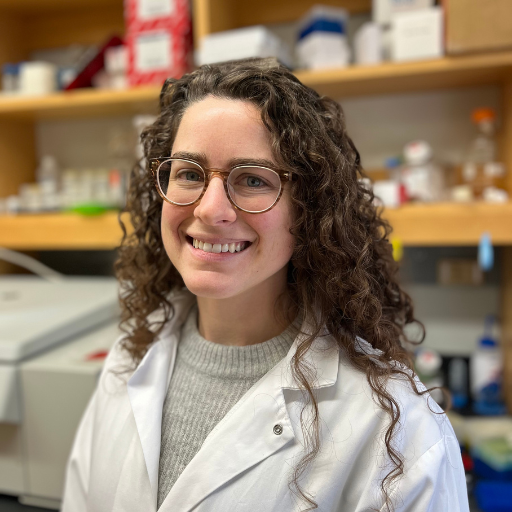
Principal Investigator
Celia Bisbach, PhD
Current Organization
University of Wisconsin-Madison
Developing a New Treatment for Wet AMD: Targeted Removal of a Disease-Causing Protein
Active Dates
July 01, 2026 - June 30, 2028
Principal Investigator
Celia Bisbach, PhD
Current Organization
University of Wisconsin-Madison
Macular Degeneration Research
Sterically Hindered Phenol, PMC, as a Potential Novel Therapeutic for Geographic Atrophy
Active Dates
July 01, 2026 - June 30, 2028
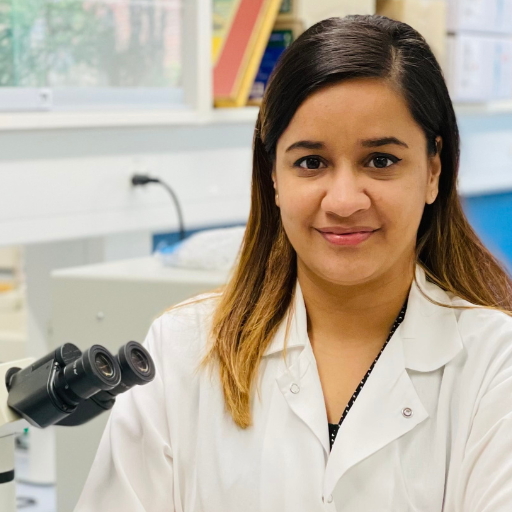
Principal Investigator
Suman Chaudhary, PhD
Current Organization
Schepens Eye Research Institute of Mass. Eye and Ear
Sterically Hindered Phenol, PMC, as a Potential Novel Therapeutic for Geographic Atrophy
Active Dates
July 01, 2026 - June 30, 2028
Principal Investigator
Suman Chaudhary, PhD
Current Organization
Schepens Eye Research Institute of Mass. Eye and Ear