

Does Brain Activity in Early Life Predict Future Neurodegeneration?

About the Research Project
Program
Award Type
Standard
Award Amount
$300,000
Active Dates
July 01, 2022 - June 30, 2025
Grant ID
A2022038S
Acknowledgement
Goals
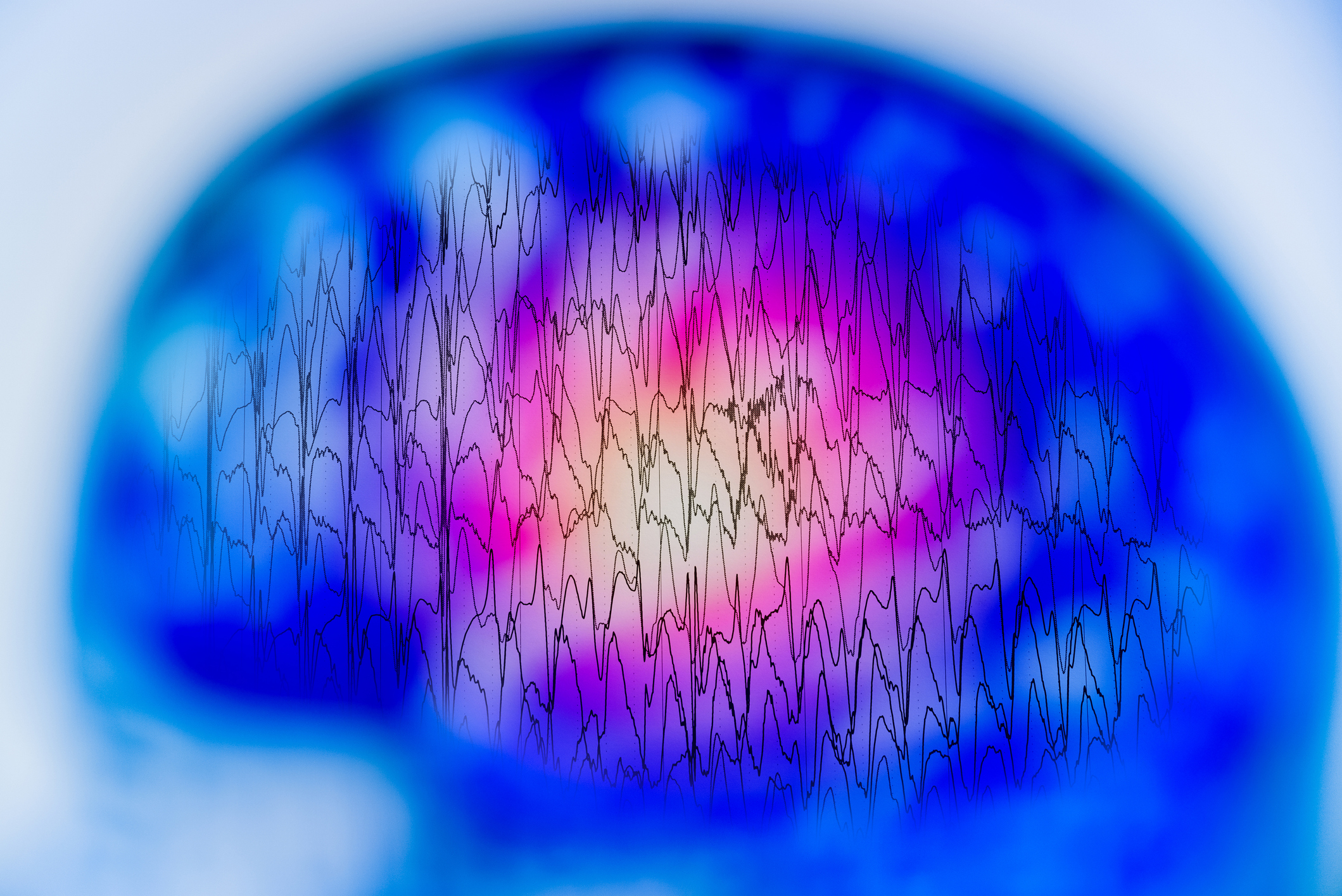
We want to test the hypothesis that aberrant network dynamics are predictive of, and possibly necessary for, the progression of Alzheimer’s Disease.
Summary
Theoretical physicists proposed that the brain self-organizes around a point called “criticality”, a regime that maximizes information processing. Our data suggest that genes that cause neurodegenerative disease also disrupt criticality. In Aim 1, we will test the idea that multiple animal models of neurodegenerative disease are unified by are early-life mistuning of brain criticality. In Aim 2, we will apply measurements of criticality to data from cognitively normal humans. Our goal is to quantitatively differentiate people with and without biomarkers of future disease risk.
Unique and Innovative
The innovation of this proposal lies in the approach of considering the possibility that aberrant emergent dynamics may be predictive and potentially causal. While molecular mechanisms are clearly sufficient and necessary for disease, we are particularly interested in the role of brain activity in influencing the expression of disease-related molecules. The first step towards this goal is to treat emergent dynamics as a possible early-life biomarker.
Foreseeable Benefits
Our study seeks to provide a relatively simple measurement of brain activity in early life than can reliably indicate future neurodegeneration. Ultimately, we hope to intervene in neurodegenerative disease by targeting neural activity prior to the accumulation of pathological proteins.
Related Grants
Alzheimer's Disease Research
Tracking Early Alzheimer’s Disease Over Time Through Spatial Navigation
Active Dates
July 01, 2026 - June 30, 2028

Principal Investigator
Vladislava Segen, PhD
Current Organization
German Center for Neurodegenerative Diseases
Tracking Early Alzheimer’s Disease Over Time Through Spatial Navigation
Active Dates
July 01, 2026 - June 30, 2028
Principal Investigator
Vladislava Segen, PhD
Current Organization
German Center for Neurodegenerative Diseases
Alzheimer's Disease Research
Quantifying Cerebrospinal Fluid Flow Dynamics in Alzheimer's Disease Using 4D Flow MRI
Active Dates
July 01, 2026 - June 30, 2028

Principal Investigator
Tomas Vikner, PhD
Current Organization
University of Wisconsin-Madison
Quantifying Cerebrospinal Fluid Flow Dynamics in Alzheimer's Disease Using 4D Flow MRI
Active Dates
July 01, 2026 - June 30, 2028
Principal Investigator
Tomas Vikner, PhD
Current Organization
University of Wisconsin-Madison
Alzheimer's Disease Research
Using Protein Signatures to Uncover Alzheimer's Disease Subtypes and Predict Disease Progression
Active Dates
July 01, 2026 - June 30, 2029

Principal Investigator
Saima Rathore, PhD
Current Organization
Emory University
Using Protein Signatures to Uncover Alzheimer's Disease Subtypes and Predict Disease Progression
Active Dates
July 01, 2026 - June 30, 2029
Principal Investigator
Saima Rathore, PhD
Current Organization
Emory University
News Featuring This Grantee

New Clues in the Fight Against Alzheimer's: Q&A with Dr. Keith Hengen
During World Alzheimer’s Month, Alzheimer’s Disease Research grantee Dr. Keith Hengen joined BrightFocus’ Dr. Sharyn Rossi on Instagram Live to talk brain health—how the brain functions, why quality sleep matters, and tips to keep your brain healthy.