


Macular Degeneration Facts & Figures
Advanced age-related macular degeneration (AMD) is a leading cause of irreversible blindness and visual impairment. Nearly 20 million U.S. adults are living with some form of age-related macular degeneration.
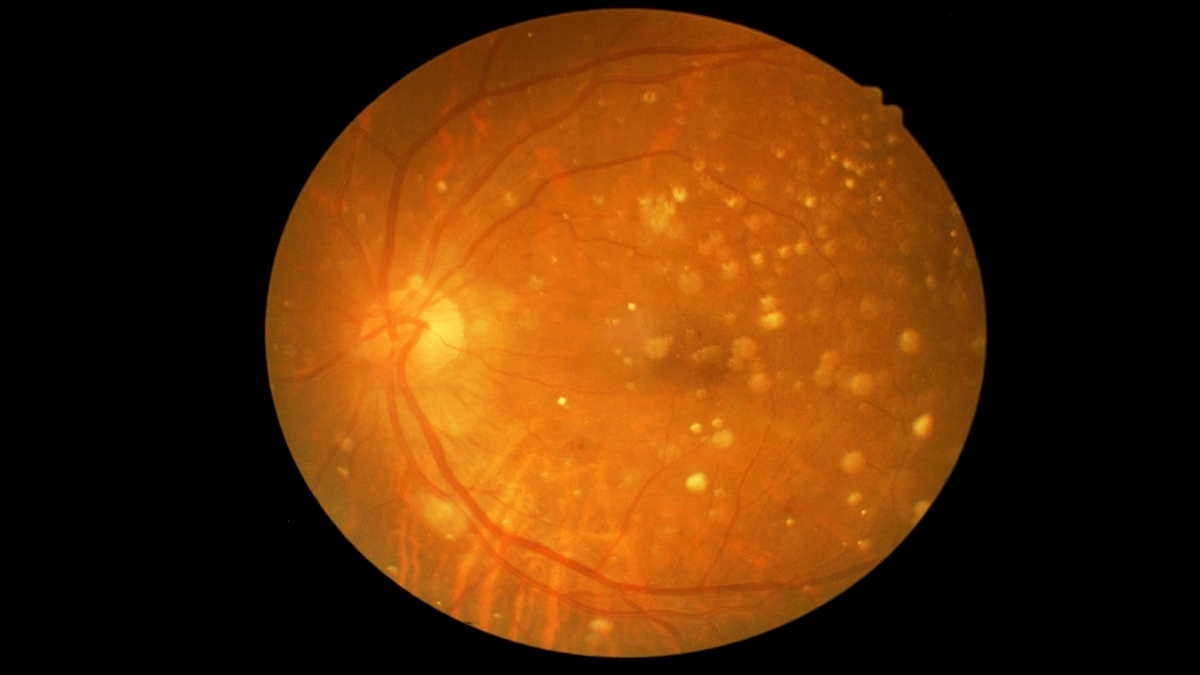
Macular degeneration can be very serious.
- Age-related macular degeneration is an irreversible destruction of the macula, the part of the retina that processes what is directly in front of you (your “central vision.” This leads to loss of the sharp, fine detail, “straight ahead” vision required for activities like reading, driving, recognizing faces, and seeing the world in color.
- Macular degeneration is the leading cause of vision loss in Americans aged 65 and older.2
- Advanced age-related macular degeneration is a leading cause of irreversible blindness and visual impairment in the world.
Macular degeneration is widespread.
- Estimates of the global cost of visual impairment due to AMD are $343 billion, including $255 billion in direct healthcare costs.
- Estimates of the direct health care costs of visual impairment due to AMD in the U.S., Canada, and Cuba, collectively, is approximately US$98 billion.
- The global cost of vision loss due to all causes is estimated to be nearly $3 trillion for the 733 million people living with low vision and blindness worldwide. In North America alone, the direct cost of vision loss due to all causes was $512.8 billion, and the indirect costs were $179 billion.5
Macular degeneration is costly to society and will only become more so the number of people aged 65 and older increases.
- Estimates of the global cost of visual impairment due to AMD are $343 billion, including $255 billion in direct healthcare costs.
- Estimates of the direct health care costs of visual impairment due to AMD in the U.S., Canada, and Cuba, collectively, is approximately US$98 billion.
- The global cost of vision loss due to all causes is estimated to be nearly $3 trillion for the 733 million people living with low vision and blindness worldwide. In North America alone, the direct cost of vision loss due to all causes was $512.8 billion, and the indirect costs were $179 billion.5
There are two forms of macular degeneration: dry and wet.
Dry
- Dry AMD, in which the light-sensitive cells of the macula slowly break down, is the most common type, accounting for 90% of diagnosed cases.
- Early-stage dry AMD can suddenly change into the wet form of the disease. However, dry AMD can advance and cause vision loss on its own as well.
- Some patients with macular degeneration will develop geographic atrophy, an advanced and severe form of dry macular degeneration that can lead to permanent vision loss.
- An estimated five million people worldwide have geographic atrophy, with roughly one million of them living in the U.S.8
Wet
- Wet macular degeneration accounts for approximately 10% of all AMD cases but is responsible for 90% of legal blindness.
- Wet AMD is considered advanced macular degeneration (there are no early or intermediate stages for wet macular degeneration).
- Wet macular degeneration is always preceded by the dry form of the disease.6
An eye care professional can help diagnose macular degeneration and determine which form(s) of the disease you have.
- To help diagnose macular degeneration, an eye care professional will perform a dilated eye exam, fundoscopy, visual acuity test, and fundus photography.
- If wet age-related macular degeneration is suspected, fluorescein angiography may be performed, in which dye is used to detect leaking blood vessels. You may also be asked to look at an Amsler grid to detect changes in your vision.
Treatments are advancing.
- Vitamins can help people with dry AMD decrease their risk of losing central vision. A specific high-dose formula of antioxidant vitamins and zinc may delay or prevent intermediate macular degeneration from progressing to the advanced stage.
- The first treatments for advanced dry macular degeneration (geographic atrophy) were approved in 2023; additional promising treatments are in clinical trials.
A healthy lifestyle may help reduce the risk of developing macular degeneration.
Healthy habits improve overall health, may reduce the risk of developing AMD, and help protect remaining vision for those with AMD.
Everyone should practice these habits to support eye health:
- Maintain a healthy weight.
- Eat a varied and nutritious diet, including green leafy vegetables, yellow and orange fruit, fish, and whole grains.
- Don’t smoke.
- Maintain normal blood pressure and control other medical conditions.
- Exercise regularly.
- When outdoors, wear a hat and sunglasses with UVA and UVB protection.
Early diagnosis can protect sight.
- It’s important to get comprehensive, dilated eye exams as recommended by your eye doctor. In these exams, the pupil is dilated with eye drops to allow your eye doctor to see into the retina.
- Because some eye diseases can begin in midlife but may not noticeably affect vision until later, the American Academy of Ophthalmology recommends people age 40 and older get a baseline comprehensive eye exam, with follow-up eye exams every one or two years or as indicated by your eye doctor.
Promising research is underway.
Ongoing research is exploring environmental, genetic, and dietary factors that may contribute to macular degeneration. New treatment strategies are also being investigated, including:
- Retinal cell transplants
- Drugs to prevent or slow disease progress
- Radiation therapy
- Gene therapies
- A computer chip implanted in the retina that may help simulate vision
- Agents that will prevent new blood vessel growth under the macula
Macular Degeneration Research, a BrightFocus Foundation program, is a leading funder of research worldwide to better detect, prevent, and cure macular degeneration and provides expert information on this devastating disease.

Related Resources
Related Resources & Information

Macular Chats
A New Drug Delivery Approach for Wet AMD
Dr. Shu shares how new treatment approaches could make care easier for people with wet age-related macular degeneration by reducing the need for frequent eye injections while helping protect vision.

Expert Information
AREDS2 Eye Vitamins: What They Do, Who Should Take Them & What the Research Shows
What AREDS2 eye vitamins do, who should take them, and what the research says about slowing macular degeneration.

Story
Mountains of Gratitude: Supporting Macular Degeneration Research for Future Generations
Meet Fred Jacobson, a dedicated support of Macular Degeneration Research.

Macular Chats
Eliminating Barriers to Care for People with Vision Loss
Dr. April McCullough of Regeneron and Katherine Freund of Independent Transportation Network of America discuss the real-world barriers that prevent people with vision loss from accessing timely eye care and solutions that are available.
Macular Chats
2026 Grants in Focus: Driving Breakthroughs in Macular Degeneration
Learn about some of these pioneering projects and explore the exciting ideas shaping the future of vision research.
Expert Information
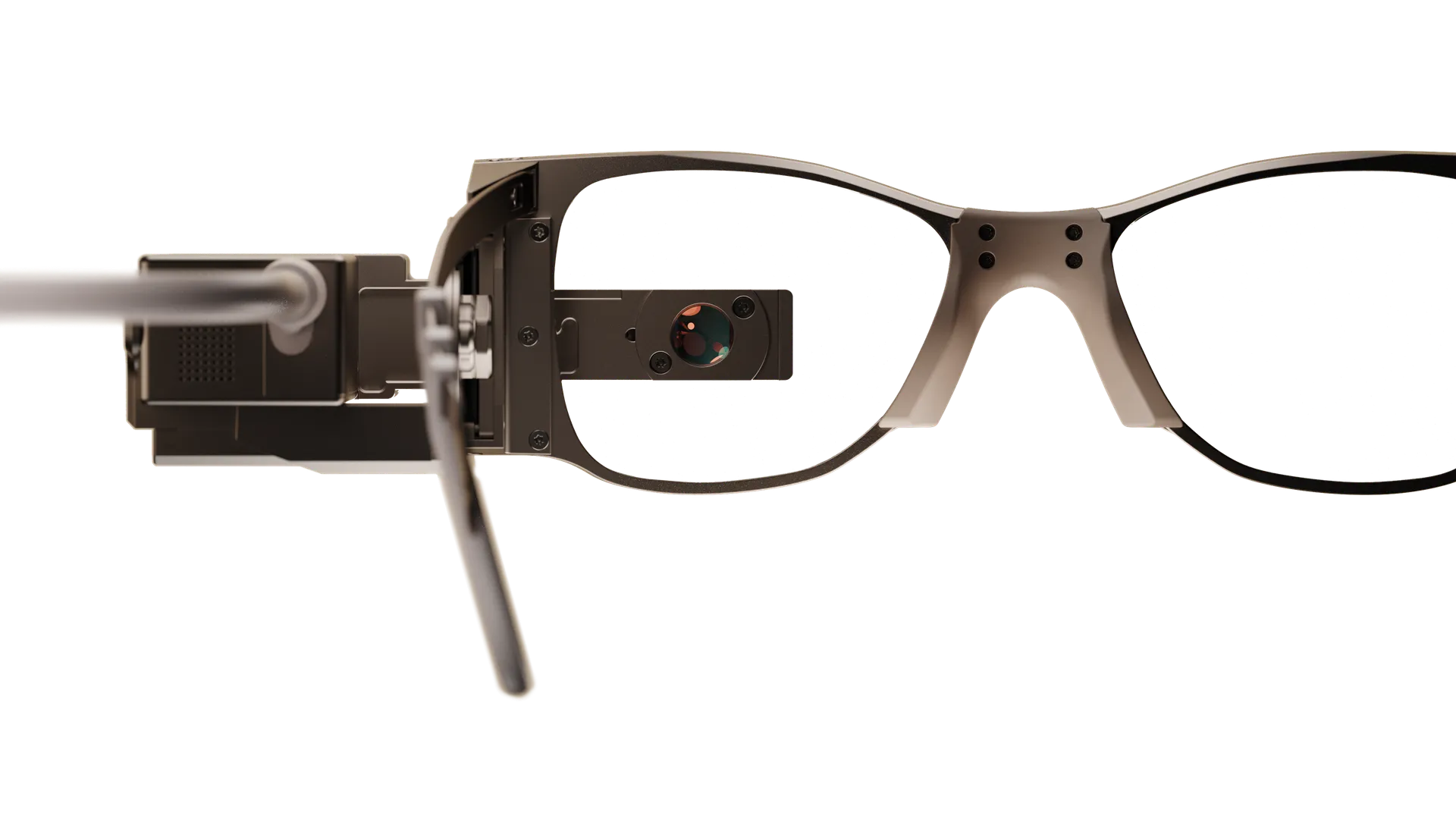
PRIMA Implant Brings Vision Restoration Within Reach
Now available in Europe, the PRIMA implantable device may help improve vision in advanced age-related macular degeneration. Learn how it works and when it could be available in the U.S.