


Register for Zoom In On Dementia & Alzheimer’s
Register for Zoom In On Dementia & Alzheimer’s
TITLE
Therapeutic TV for Alzheimer’s: What the Research Shows
DATE
Thursday, April 23, 2026
TIME
1 pm ET (please adjust for your time zone)
SPEAKER(S)
Allyson Schrier, Co-Founder and President of Zinnia TV
What is it actually like for someone with dementia to watch TV—and can it be made more helpful? In this episode, Allyson Schrier shares how research following her experience caring for her husband with dementia led her to create Zinnia TV, a streaming service designed to calm, engage, and support people living with memory loss.
Watch Past Episodes
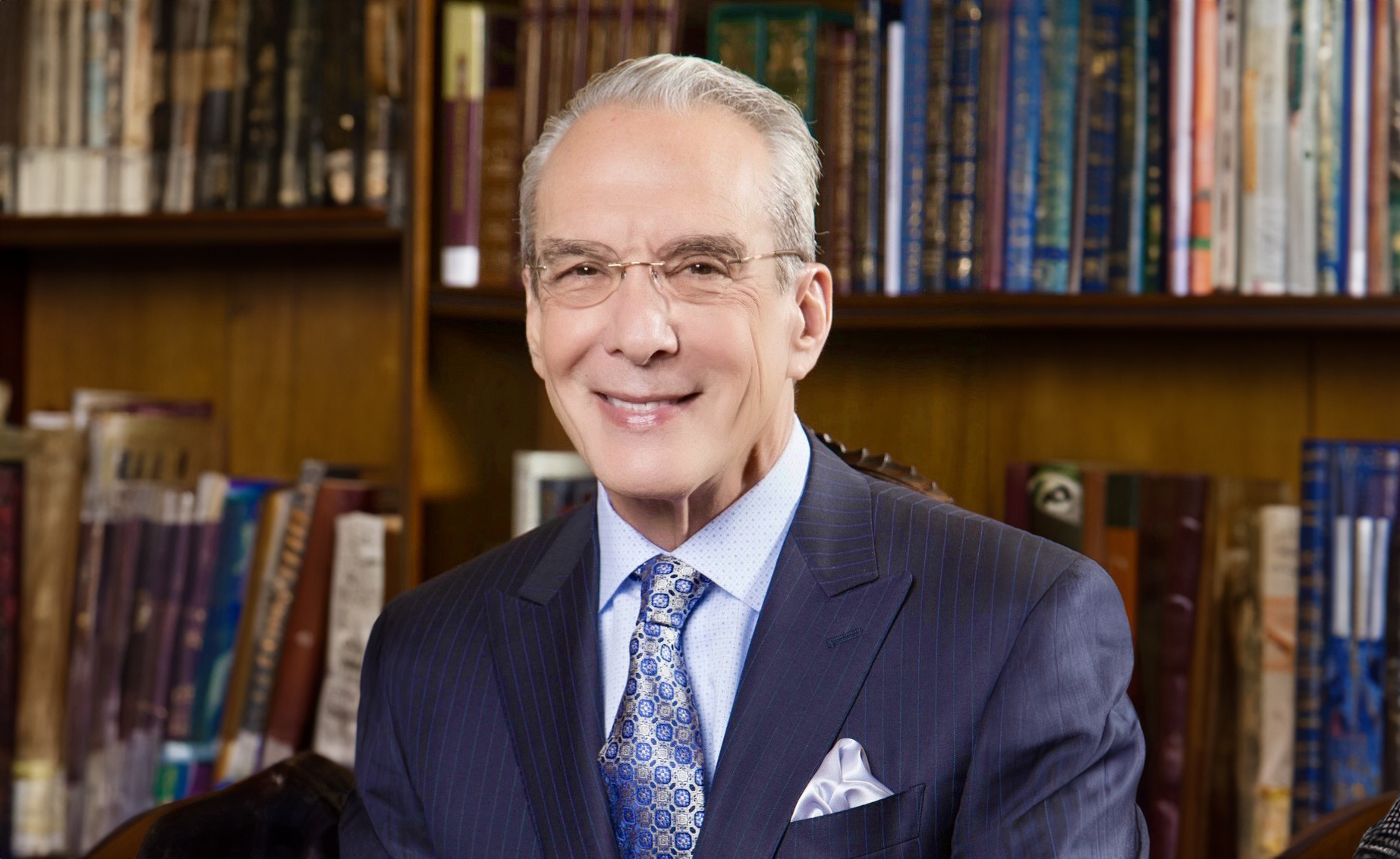
Alzheimer’s Clinical Trials 2026: An Insider’s Look with Dr. Jeffrey Cummings
Join Dr. Jeffrey Cummings as he shares an insider’s overview of the evolving Alzheimer’s treatment development pipeline.

Understanding Your APOE Status: Genetics and Alzheimer’s Risk
About 25% of people carry one copy of the APOE4 gene, the strongest genetic risk factor for developing Alzheimer’s. Dr. Eric M. Reiman explains what genetic testing can—and cannot—tell you, including why APOE4 signals increased risk but does not mean a definite Alzheimer’s diagnosis.

Leqembi and Kisunla: Your Questions Answered
A leading neurologist answers your most common questions about what Leqembi and Kisunla can realistically do, including effectiveness, safety, eligibility, infusion logistics, cost, and access.

The AHEAD Study: Can Alzheimer’s Be Prevented or Slowed Before Symptoms Begin?
Join Dr. Joshua Grill as he shares details about the AHEAD Study.

The Next Generation of Alzheimer’s Treatments
Behavioral neurologist Dr. Marwan Sabbagh explains emerging Alzheimer’s therapeutics now in late-stage clinical development.

The Gut Microbiome and Alzheimer’s Disease: Understanding the Connection
Join Dr. Beau Ances of Washington University in St. Louis to learn about the emerging science linking gut health and brain health.
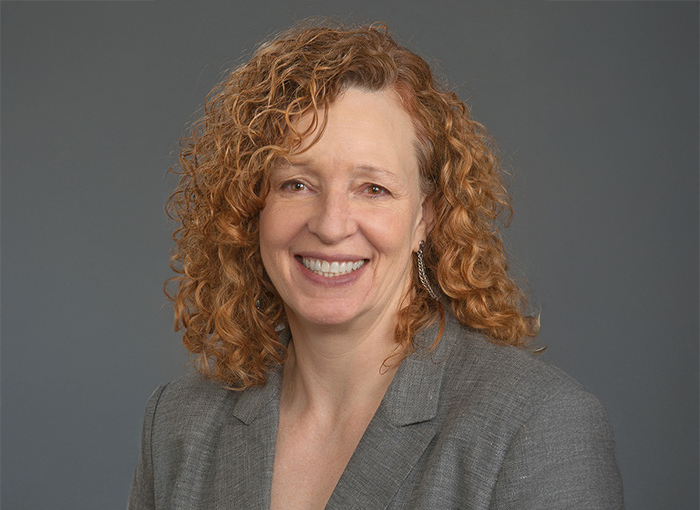
U.S. POINTER Study Update: Lifestyle Program Significantly Improves Cognition in Older Adults
Can everyday lifestyle choices really protect your memory? Dr. Laura Baker, professor at Wake Forest University School of Medicine, will share results from the groundbreaking U.S. POINTER trial—the largest study of its kind to test how lifestyle changes impact brain health.

Non-Invasive Light and Sound Stimulation Therapy in Alzheimer’s: Update on HOPE Study
Can light and sound help slow Alzheimer’s? Join Christian Howell, CEO of Cognito Therapeutics, as he shares the latest on the HOPE Study. Discover how non-invasive 40 Hz light and sound stimulation may protect memory, thinking, and daily function—and what’s next for this promising technology.
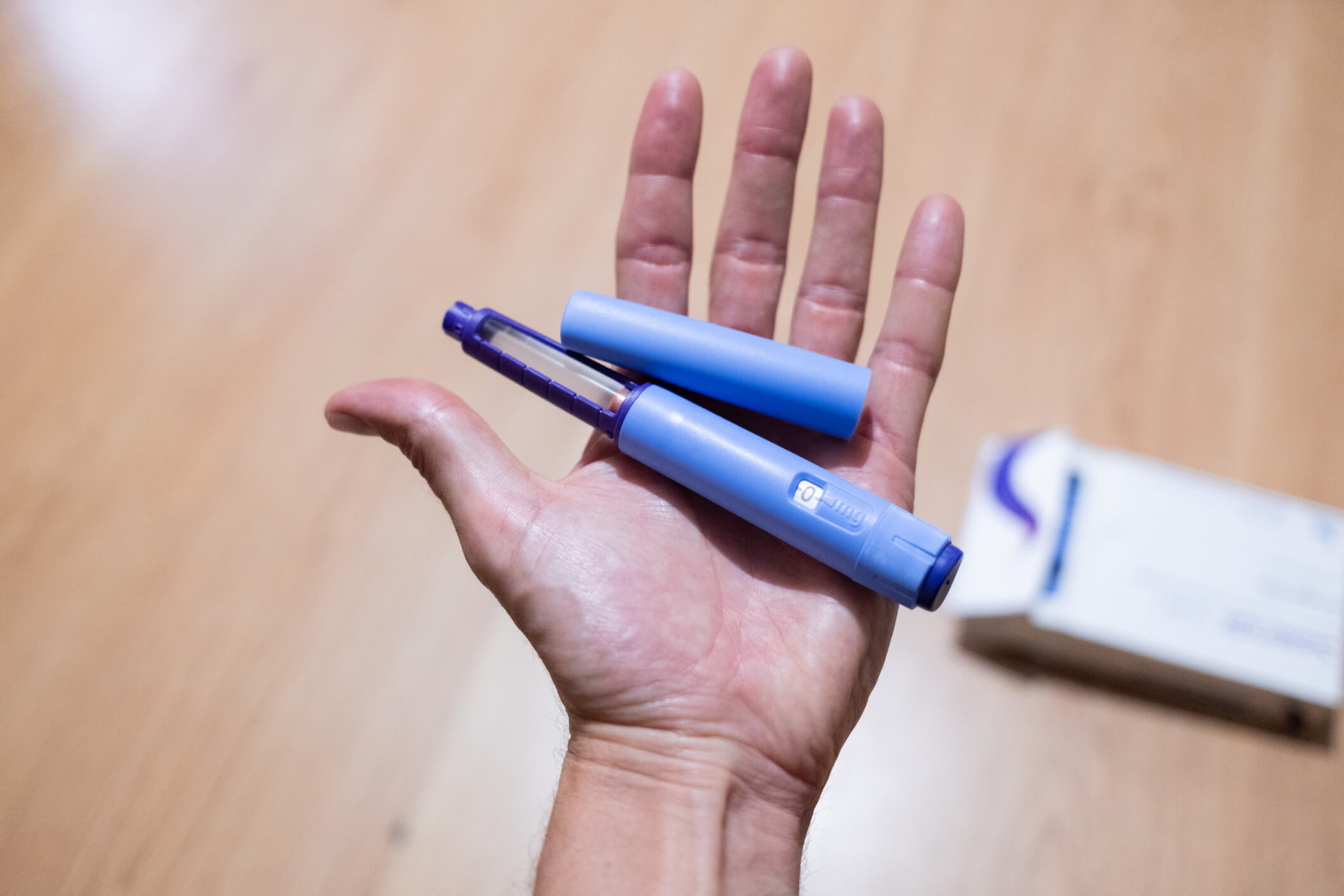
Can GLP-1 Weight Loss Drugs Treat Alzheimer’s?
Recent research suggests that GLP 1 analogs—a class of drugs used to control blood sugar—may also protect brain health, improve memory, and slow neurodegeneration.
Zoom In on Dementia & Alzheimer’s is supported in part through sponsorships from: