Key Takeaways
- In mouse models of glaucoma, GLP-1 medications protected the optic nerve mainly by calming inflammation, not by lowering eye pressure.
- Studies have linked GLP-1 use to a lower chance of developing glaucoma, but these studies show an association, not proof.
- GLP-1 medications are not FDA-approved to treat glaucoma, and a rare optic nerve condition called non-arteritic ischemic optic neuropathy (NAION) has been reported in some people taking this class of drugs.
- Randomized clinical trials, the gold standard of medical evidence, are now being planned to test whether these drugs slow glaucoma.
Millions of Americans now take GLP-1 medications such as Ozempic, Mounjaro, and Trulicity for diabetes or weight loss. Patients often ask me whether these drugs might also help their glaucoma. I have been following the scientific story from the start, and it is exciting, but more work is needed before these medications can be recommended or used to treat glaucoma.
What Are GLP-1 Medications, and How Do They Impact Glaucoma?
GLP-1 (glucagon-like peptide-1) is a hormone your gut releases after meals to help control blood sugar and appetite. GLP-1 receptor agonists, such as semaglutide (Ozempic, Wegovy), tirzepatide (Mounjaro, Zepbound), and dulaglutide (Trulicity), mimic it. GLP-1 receptors are also found in the brain and retina, where they help combat inflammation.1
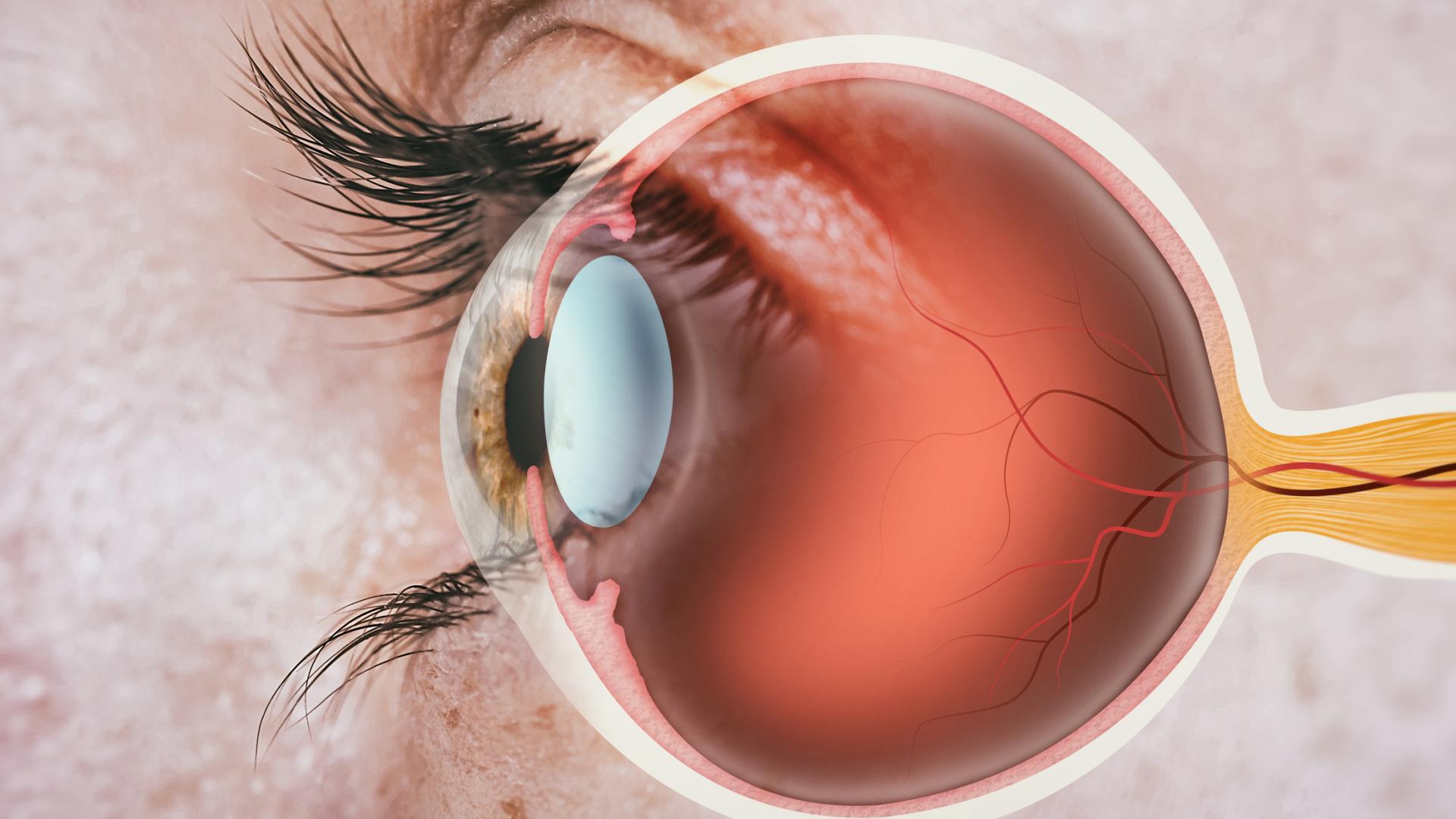
Our current treatment toolbox, whether medications, laser, or surgery, is focused on lowering eye pressure. But eye pressure is not the only factor affecting glaucoma, and my patients and the glaucoma community have long desired a treatment that protects the optic nerve directly, an approach called neuroprotection.
GLP-1 medications are a promising neuroprotection treatment, and it is particularly exciting because any benefit for glaucoma would add to already proven blood sugar, weight, and heart benefits.2
What the Research Shows So Far
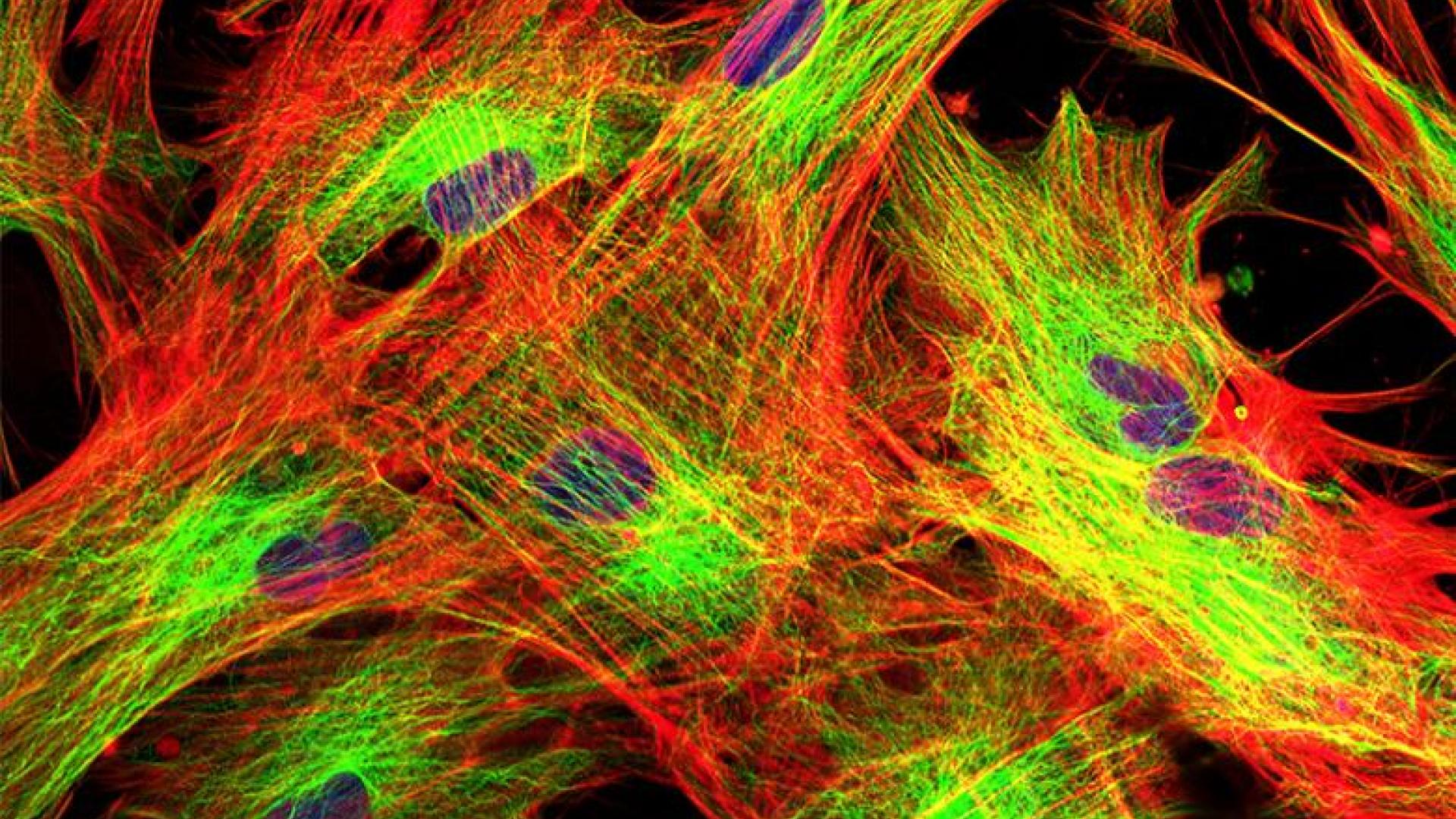
In the laboratory: In mice with high eye pressure, Qi Cui, MD, PhD, and her team at the University of Pennsylvania found that retinal immune cells release inflammatory signals that cause nearby support cells to become toxic to retinal ganglion cells, the nerve cells that form the optic nerve. An experimental GLP-1 drug being studied in Parkinson’s disease, NLY01, calmed this inflammation and protected the optic nerve from damage.3 Two FDA-approved GLP-1 drugs, liraglutide and lixisenatide, were also protective, given either by injection or as eye drops. 4
In patients: Using insurance records, the team found that there was a 44% lower risk (after adjustment) of developing glaucoma in people with diabetes who started taking a GLP-1 drug.5 A study from Denmark found a 19% lower risk, rising to 29% with more than three years of use.6 A 2025 analysis combining several studies found a similar trend but acknowledged that results across studies were variable.7
Dr. Cui and colleagues also investigated whether GLP-1 drugs are associated with lower eye pressure. Using a large database of records, there was no meaningful drop in eye pressure in this study, which means that any benefit on optic nerve health from GLP-1 drugs is not likely related to reduced eye pressure.8
Beyond the eye: In a trial in early Parkinson’s disease, lixisenatide modestly slowed the worsening of symptoms.9 But in two large trials, a GLP-1 pill did not slow early Alzheimer’s disease.10 This underscores the point that early promise must be confirmed in rigorous trials.
Ongoing Research, Including a New BrightFocus National Glaucoma Research Study
National Glaucoma Research, a BrightFocus Foundation program, recently awarded Dr. Cui a two-year grant to learn exactly how GLP-1 drugs protect the optic nerve. Her team will map how GLP-1 treatment changes two kinds of immune cells after eye pressure rises: microglia, which live in the retina, and monocytes, which arrive from the bloodstream. The answers from this research could guide when to treat and how best to deliver the drug.
Eye drops or other ways of delivering the medication could increase drug levels in the eye while limiting whole-body side effects. In a mouse model of glaucoma, GLP-1 eye drops saved roughly a quarter of the nerve cells that would otherwise have been lost, while systemic injections saved nearly all of them, so local eye delivery still needs more research.11
Most important are randomized clinical trials, the gold standard for proving a treatment works, in which participants are randomly assigned to the drug or a placebo. In Denmark, the ABSALON trial is testing daily oral semaglutide in 126 people with open-angle glaucoma.
Dr. Cui is also organizing a randomized clinical trial to test whether GLP-1 medications slow glaucoma progression.
Safety First: NAION and Other Side Effects
In 2024, researchers at Massachusetts Eye and Ear reported a higher risk of nonarteritic anterior ischemic optic neuropathy (NAION) in patients prescribed a GLP-1 drug.12 Often described as a stroke of the optic nerve, NAION typically causes sudden, painless vision loss in one eye, and the damage is often permanent.
Larger studies have since suggested that this increase in risk is smaller than we initially thought.13 A 2026 analysis estimated one case of NAION for every 2,700 people treated14, while another study limited to randomized trials found no significant increase.15
GLP-1 medications also commonly cause nausea and other digestive problems and carry other rare risks, such as pancreatitis. If you take several medications, review your full list with your doctors and pharmacist. My article on medications that may adversely affect glaucoma is also worth reviewing.
What This Means for People with Glaucoma
- Do not start a GLP-1 medication to treat glaucoma. These drugs are not FDA approved for glaucoma, and they do not replace your eye drops, laser, or surgery.
- If you already take a GLP-1, do not stop without talking to your doctor. Tell your eye doctor you take it.
- Know the warning signs. If you experience sudden vision loss or blurring in one eye, call your eye doctor that same day.
- Get GLP-1 medications only by prescription from a licensed pharmacy. Unregulated or counterfeit versions can be dangerous.
- Continue your regular eye exams. Your eye doctor will check your vision, eye pressure, optic nerve, and visual field, all key aspects of your glaucoma care.
What’s Next for the Research
Researchers still need to learn which patients are most likely to benefit, which GLP-1 drug and dose work best, and whether treatment delivered directly to the eye can protect the optic nerve with fewer side effects. Only randomized clinical trials can tell us whether ophthalmologists should recommend these drugs for treating glaucoma. Support from BrightFocus Foundation funds research like Dr. Cui’s, which forms the basis for those trials.
GLP-1 medications show real promise as a glaucoma treatment that protects the optic nerve, which would be a wonderful addition to our current approach of lowering eye pressure. But they are not FDA approved for glaucoma and carry risks, including very rare reports of vision loss. Randomized clinical trials are needed and will shed light on whether the exciting promise of these medications holds true.
About the Author
Dr. Yvonne Ou is a board-certified ophthalmologist who specializes in treating glaucoma with medical, laser and surgical therapies, including combined cataract and glaucoma surgery, glaucoma filtering and implant surgery, and newer minimally invasive glaucoma surgeries. Dr. Ou is a professor of ophthalmology at the University of California, San Francisco.