


The Role of Immune Cells’ Interaction in Alzheimer’s Disease Pathology
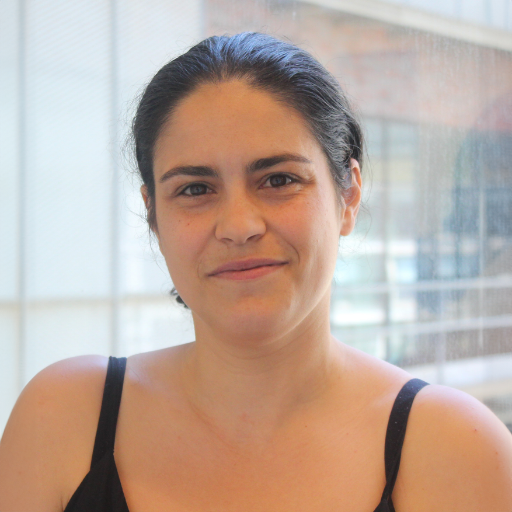
Principal Investigator
Emanuela Pasciuto, PhD
Flanders Institute for Biotechnology (Belgium)
Antwerp, Belgium
About the Research Project
Program
Award Type
Standard
Award Amount
$300,000
Active Dates
July 01, 2024 - June 30, 2027
Grant ID
A2024020S
Goals
The project aims to establish whether neuroimmune interactions have beneficial or detrimental impact on Alzheimer’s disease and their influence on immune therapies.
Summary
While microglia are in the spotlight, researchers know little about how adaptive immune cells interact with Alzheimer’s amyloid plaques. MHCII is a microglia-associated Alzheimer’s risk gene that functions to mediate interaction with T cells. The relevance of the microglia-T cell interaction in Alzheimer’s is unknown. To study the contribution of this interaction to Alzheimer’s pathology, Dr. Pasciuto and her team will use genetic models to manipulate MHC II expression in mice and test efficacy of T cell-based immunotherapy in Alzheimer’s mice lacking MHCII.
Dr. Pasciuto’s research will extend the current knowledge of how the immune system changes in Alzheimer’s disease. By uncovering these mechanisms, this study builds the basis toward more precise therapies that target the immune system to protect against the progression of Alzheimer’s. Additionally, this research will establish how the Alzheimer’s risk gene MHCII influences the development of Alzheimer’s and the response to potential immune-based treatments, offering hope for more personalized approaches to combating the disease.
Unique and Innovative
Microglia are on the spotlight, but we know little on how T cells interact with the Ab plaques, the major pathological hallmark of AD. Not only the role of T cells in AD is debated, also the relevance of their interaction with Microglia is unknown. Current knowledge mostly relies on systemic depletion methods, which made it difficult to ascertain the brain specific role of T cells. The novelty of our strategy will be to specifically target the interaction between microglia and T cells, and study how this interaction contributes to pathology progression and to the response to immune therapy
Foreseeable Benefits
Our research will extend the current knowledge of how the immune system changes in Alzheimer’s disease. By uncovering these mechanisms, we build the basis towards more precise therapies that target the immune system to protect against the progression of Alzheimer’s.
Additionally, we will establish how the Alzheimer’s risk gene MHCII influence the development of Alzheimer’s and the response to potential immune-based treatments, offering hope for more personalized approaches to combating the Disease
Related Grants
Alzheimer's Disease Research
The Astrocyte Cell Surface Proteome in Alzheimer’s Disease
Active Dates
July 01, 2025 - June 30, 2027

Principal Investigator
Omar Peña-Ramos, PhD
Current Organization
Baylor College of Medicine
The Astrocyte Cell Surface Proteome in Alzheimer’s Disease
Active Dates
July 01, 2025 - June 30, 2027
Principal Investigator
Omar Peña-Ramos, PhD
Current Organization
Baylor College of Medicine
Alzheimer's Disease Research
Targeting the Adaptive Immunity to Prevent Alzheimer's Brain Degeneration
Active Dates
July 01, 2025 - June 30, 2027

Principal Investigator
Joshua Emmerson, PhD
Current Organization
Washington University in St.Louis
Targeting the Adaptive Immunity to Prevent Alzheimer's Brain Degeneration
Active Dates
July 01, 2025 - June 30, 2027
Principal Investigator
Joshua Emmerson, PhD
Current Organization
Washington University in St.Louis
Alzheimer's Disease Research
Understanding the Role of Brain Immune Cells in Protection Against Alzheimer’s
Active Dates
July 01, 2025 - June 30, 2027

Principal Investigator
Ghazaleh Eskandari-Sedighi, PhD
Current Organization
University of California, Irvine
Understanding the Role of Brain Immune Cells in Protection Against Alzheimer’s
Active Dates
July 01, 2025 - June 30, 2027
Principal Investigator
Ghazaleh Eskandari-Sedighi, PhD
Current Organization
University of California, Irvine