


Improving Glaucoma Care with Agentic AI
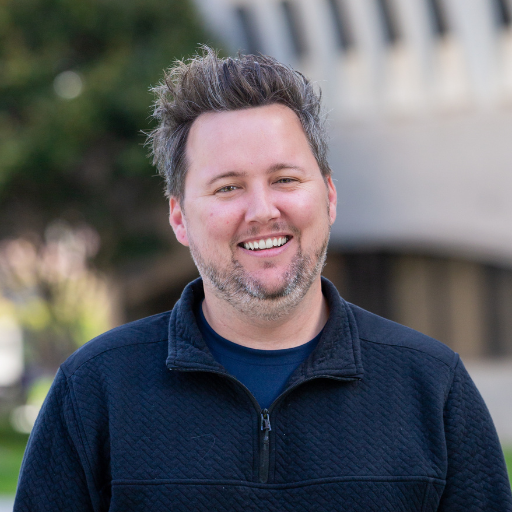
Principal Investigator
Mark Christopher, PhD
University of California, San Diego
La Jolla, CA, United States
About the Research Project
Program
Award Type
Standard
Award Amount
$150,000
Active Dates
July 01, 2026 - June 30, 2028
Grant ID
G2026004S
Goals
This project will develop advanced AI tools for clinicians that combine imaging, functional testing, and clinical measurements to help them improve glaucoma care and preserve vision.
Summary
This project will develop advanced AI tools that combines imaging, functional testing, and clinical measurements over time to understand glaucoma progression. By providing clear, automated summaries for doctors, these tools aim to improve diagnosis and staging, guide treatment decisions, and reduce the documentation burden in glaucoma care.
Unique and Innovative
This proposal introduces the first agentic AI framework that integrate structural, functional, and clinical data to generate interpretable summaries of patient changes over time. Unlike prior models that analyze single visits or modalities, these systems capture temporal change and cross-modal relationships over time. The use of agentic AI for autonomous data synthesis and narrative generation represents a new paradigm in ophthalmic AI, improving interpretability, workflow efficiency, and clinical utility.
Foreseeable Benefits
The proposed research will advance glaucoma management by developing agentic AI systems that integrate imaging, functional testing, and clinical data across multiple visits. By combining structural, functional, and temporal information, these models will more accurately identify patterns of glaucomatous progression and their relationship to risk factors such as intraocular pressure and treatment response. This work will improve diagnosis and staging, support personalized care, and reduce documentation burden on clinicians through automated generation of clear, interpretable summaries.
Related Grants
National Glaucoma Research
Foot-Based Monitoring and Feedback to Improve Mobility and Reduce Falls in Glaucoma
Active Dates
July 01, 2026 - June 30, 2028
Principal Investigator
Navid Amini, PhD
Current Organization
California State University, Los Angeles
Foot-Based Monitoring and Feedback to Improve Mobility and Reduce Falls in Glaucoma
Active Dates
July 01, 2026 - June 30, 2028
Principal Investigator
Navid Amini, PhD
Current Organization
California State University, Los Angeles
National Glaucoma Research
Activating the Eye’s Own Nitric Oxide to Fight Glaucoma
Active Dates
July 01, 2026 - June 30, 2028

Principal Investigator
Myoungsup Sim, PhD
Current Organization
Duke University School of Medicine
Activating the Eye’s Own Nitric Oxide to Fight Glaucoma
Active Dates
July 01, 2026 - June 30, 2028
Principal Investigator
Myoungsup Sim, PhD
Current Organization
Duke University School of Medicine
National Glaucoma Research
Enhancing Access to Glaucoma Care Using Artificial Intelligence
Active Dates
July 01, 2025 - June 30, 2027

Principal Investigator
Benjamin Xu, MD, PhD
Current Organization
University of Southern California
Enhancing Access to Glaucoma Care Using Artificial Intelligence
Active Dates
July 01, 2025 - June 30, 2027
Principal Investigator
Benjamin Xu, MD, PhD
Current Organization
University of Southern California