Diet, Exercise, and Other Habits That May Help Reduce Glaucoma Risk
A healthy lifestyle can benefit more than just your heart — it may help protect your vision, too. Learn what the latest research says about diet, exercise, sleep, and stress management in glaucoma care.
Glaucoma is a leading cause of vision loss and blindness worldwide, and while medications and surgery are the cornerstone of treatment, many people wonder if lifestyle changes can also make a difference.
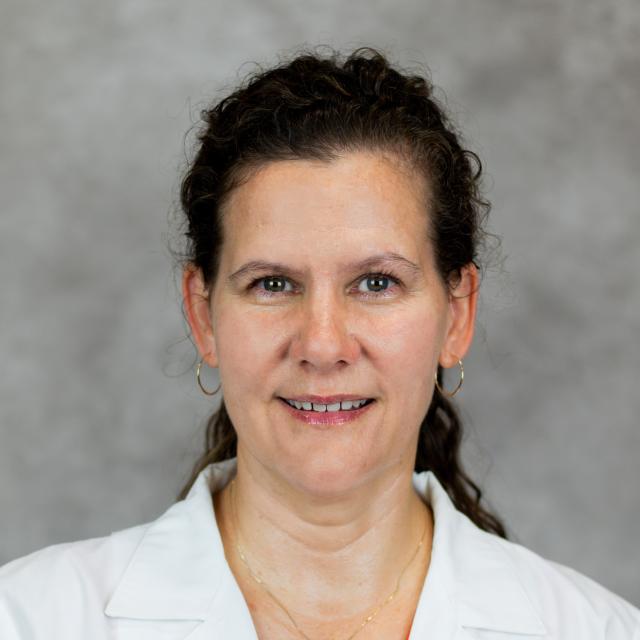
Jullia Rosdahl, MD, PhD
In a recent Glaucoma Chats episode, Jullia Rosdahl, MD, PhD, a glaucoma specialist and associate professor of ophthalmology at Duke University, shared expert insights on the role of diet, exercise, stress management, sleep, and other lifestyle factors in glaucoma care. Below, she answers some of the most common questions.
Are there lifestyle changes that can prevent glaucoma?
Dr. Rosdahl: For the most common type of glaucoma in the U.S.—primary open-angle glaucoma—diet and exercise can’t prevent you from getting the disease. That said, managing conditions like high blood pressure and diabetes through a healthy lifestyle can help prevent certain secondary glaucomas. Wearing protective eyewear is also important to prevent glaucoma caused by eye injuries. Ultimately, early diagnosis and treatment remain the best way to preserve vision.
How does eye pressure relate to glaucoma, and can lifestyle changes lower it?
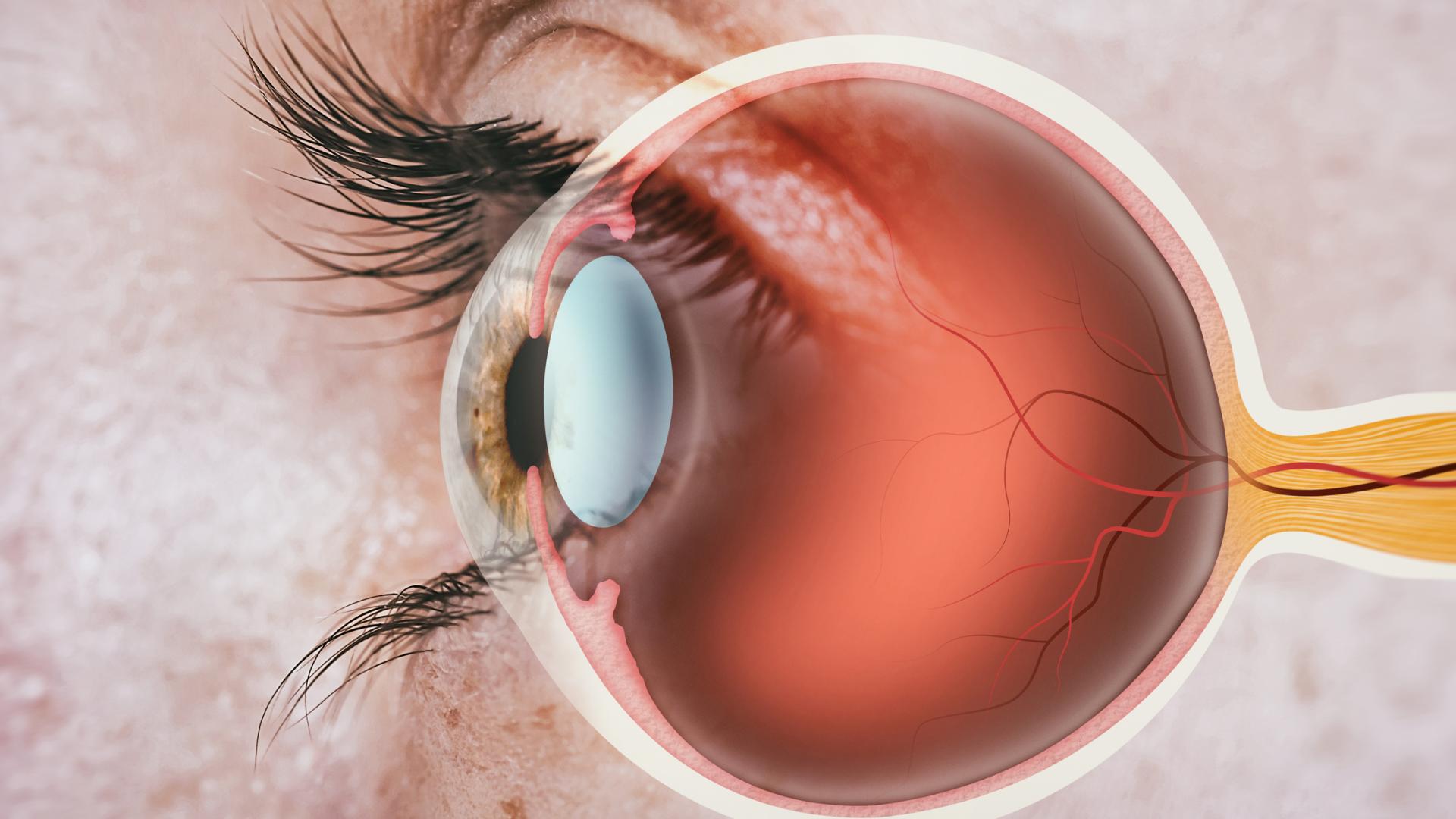
Dr. Rosdahl:High eye pressure is a risk factor for glaucoma, but it doesn’t always mean someone has the disease—and people with normal pressure can still have glaucoma. Lowering pressure is essential to slowing progression, and while lifestyle changes may have some modest effects on pressure, they’re more likely to help by supporting the optic nerve, which glaucoma damages. That’s why a healthy lifestyle can still be beneficial, even if it doesn’t directly lower eye pressure much.
What diet and exercise habits do you recommend for glaucoma patients?
Dr. Rosdahl: I recommend a heart-healthy diet—fruits, vegetables, lean proteins, whole grains—because it supports good blood flow to the optic nerve. Limit coffee to under three cups a day, as high caffeine intake may raise eye pressure, and consider drinking green tea, which may offer protective benefits.
For exercise, moderate activity like brisk walking 30 minutes a day, three to five times a week, has been shown to slow progression. When weightlifting, remember to breathe normally, as holding your breath can raise eye pressure. In yoga, avoid prolonged head-down positions like headstands or inversion tables if you have advanced glaucoma. And of course, wear protective eyewear when playing sports like pickleball to prevent injury-related glaucoma.
Can sleep and stress levels affect glaucoma?
Dr. Rosdahl: Both sleep and stress seem to play a role. Studies suggest that getting regular, good-quality sleep—not too much and not too little—is better for glaucoma. If one eye is worse, avoid sleeping on that side. Sleeping with your head slightly elevated, using a wedge pillow, may also help slow progression in advanced cases.
Stress can raise eye pressure and worsen glaucoma, and some studies even show that mindfulness meditation may improve outcomes. One study found that some patients scheduled for glaucoma surgery no longer needed it after practicing daily meditation. Even just 10–15 minutes a few times a week can be a good start.
Should people with glaucoma take supplements?
Dr. Rosdahl: There’s no proven supplement regimen for glaucoma yet. The AREDS vitamins for macular degeneration are not recommended for glaucoma and may have risks if you don’t have macular degeneration. Some studies suggest that nicotinamide (vitamin B3) may be promising, but it’s not yet recommended until more data are available, because high doses may affect the liver. For now, I suggest a standard multivitamin if desired and staying tuned as more research emerges.
While healthy habits can support your vision, the most important thing you can do for glaucoma is to stay on top of your medical care. Get regular comprehensive eye exams—especially if you’re at higher risk—and never skip your follow‑up appointments. If your doctor has prescribed eye drops or other treatments, take them exactly as directed to help keep eye pressure under control. Consistent care is the best way to protect your sight for years to come.
Responses have been edited for length and clarity.
About BrightFocus Foundation
BrightFocus Foundation is a premier global nonprofit funder of research to defeat Alzheimer’s, macular degeneration, and glaucoma. Since its inception more than 50 years ago, BrightFocus and its flagship research programs—Alzheimer’s Disease Research, Macular Degeneration Research, and National Glaucoma Research—has awarded more than $300 million in research grants to scientists around the world, catalyzing thousands of scientific breakthroughs, life-enhancing treatments, and diagnostic tools. We also share the latest research findings, expert information, and resources to empower the millions impacted by these devastating diseases. Learn more at brightfocus.org.
Disclaimer: The information provided here is a public service of BrightFocus Foundation and is not intended to constitute medical advice. Please consult your physician for personalized medical, dietary, and/or exercise advice. Any medications or supplements should only be taken under medical supervision. BrightFocus Foundation does not endorse any medical products or therapies.
Diet & Nutrition
Exercise
Eye Health
Lifestyle
Risk Factors
Share this post
Resources
Related Articles and Information
Recursos en español
Recursos útiles para el cuidado del glaucoma
Encontrará recursos e información que ofrecen productos, servicios y otro tipo de apoyo para personas con glaucoma y sus familias.
Expert Information
Can Stem Cell Treatments Cure Glaucoma?
In clinical trials, stem cell therapy for glaucoma shows promise for rebuilding the eye’s drainage system and protecting the optic nerve.
Expert Information
Helpful Resources for Glaucoma Care
Resources and information that provide products, services, and other support for people with glaucoma and their families.
Glaucoma Chats
Can We Restore Vision Loss from Glaucoma? What the Research Says
Join us for a fascinating conversation with Dr. Lucy Q. Shen as we explore cutting-edge research into restoring vision loss from glaucoma.
Downloadable Resource
The Top Five Questions to Ask Your Eye Doctor
Preparing ahead of time can help you best manage your vision health. Here are some questions you can take along when you visit the eye doctor.
Expert Information
3 Subtle Signs Your Glaucoma May Be Getting Worse
In between doctor visits, you are the best advocate for detecting changes to your glaucoma. Discover the key symptoms to watch for and how early action can help protect your vision.
Your support helps fund critical research that could prevent vision loss, provide valuable information to the public, and cure this sight-stealing disease.