Harnessing Artificial Intelligence to Transform Glaucoma Detection
A National Glaucoma Research-funded scientist is pioneering the use of artificial intelligence and telemedicine to detect glaucoma earlier, improve access to care, and prevent irreversible blindness.
Dr. Xu is a recipient of a 2025 National Glaucoma Research grant. BrightFocus Foundation recently announced 10 new National Glaucoma Research grants, totaling over $1.8 million in funding for 2025. These awards support cutting-edge projects designed to protect sight and work toward a cure for glaucoma. Learn more.
Glaucoma is the leading cause of irreversible blindness worldwide. With the aging population and a shrinking pool of eye care providers, people often face long waits, long drives, and limited access to subspecialists. By the time many are diagnosed, their vision loss is already advanced and untreatable.
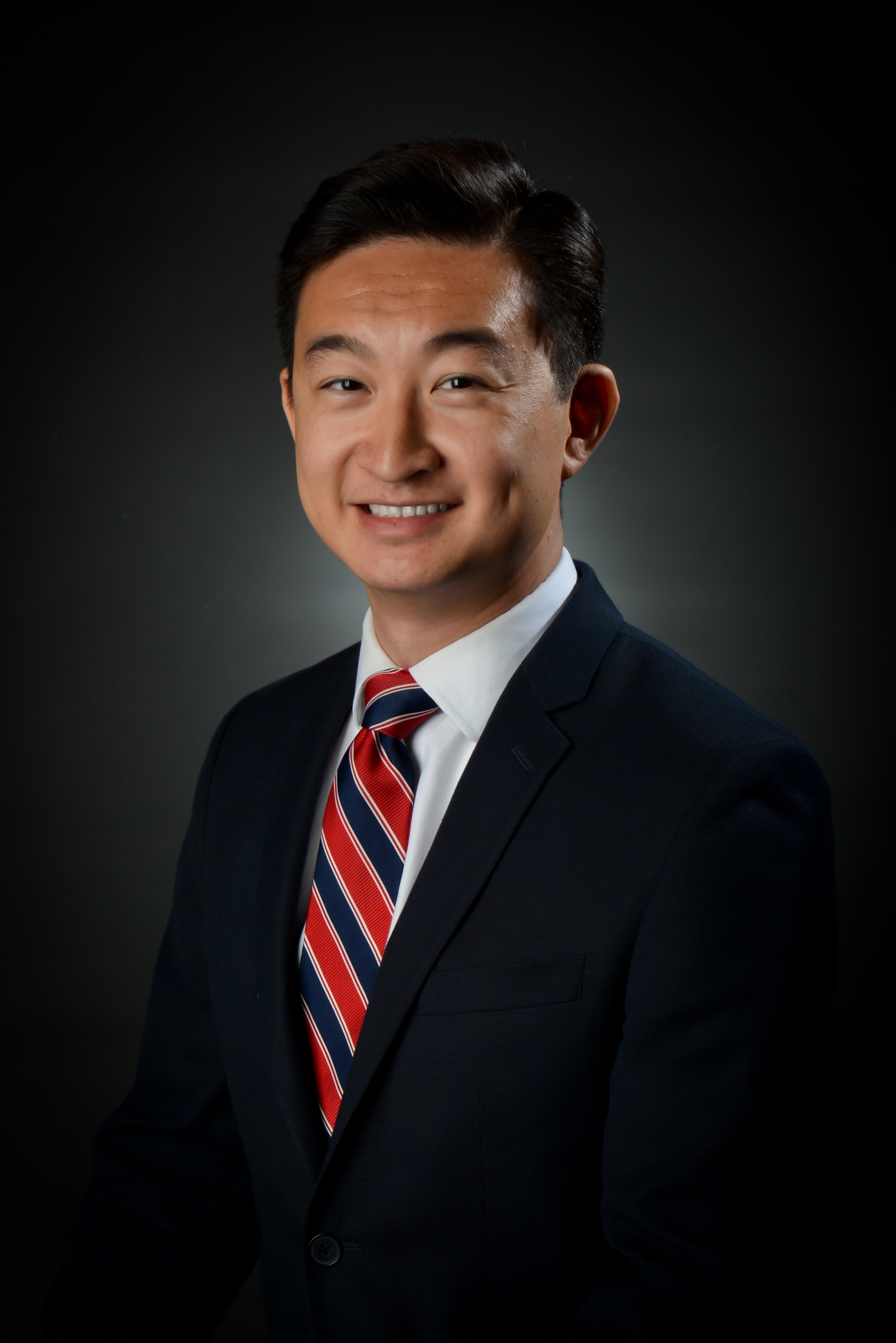
BrightFocus Foundation National Glaucoma Research grant recipient Benjamin Xu, MD, PhD, is developing innovative ways to meet this growing crisis. His research project brings together artificial intelligence (AI) and telemedicine to improve early detection of glaucoma and deliver care to underserved communities.
National Glaucoma Research grant recipient, Benjamin Xu, MD, PhD
By moving eye care into more accessible settings and using cutting-edge AI tools, his research aims to preserve sight and reduce disparities in glaucoma outcomes. Keep reading to learn how this groundbreaking approach could transform glaucoma care.
What inspired you to investigate using AI in glaucoma care?
My inspiration stems from recognizing that current eye care models are ill-equipped to meet the growing demand for glaucoma services, particularly in underserved populations. As a practicing glaucoma specialist, I witness firsthand how delays in detection and limited access to subspecialty care leave many patients facing irreversible vision loss.
Each week, I see patients who have driven hours to reach a specialist, only to learn that their glaucoma is already too advanced for current treatments to help. This scenario highlights the urgent need for earlier, more accurate detection, especially for elderly and minority patients who face the greatest barriers to care.
At the same time, my combined roles as clinician-scientist, data scientist, biomedical engineer, and epidemiologist place me in a unique position to harness emerging technologies and address critical clinical needs. These experiences motivated me to investigate artificial intelligence (AI) as a tool to assist with complex data analysis, enhance diagnostic accuracy, and expand the reach of glaucoma care worldwide.
Why is this work important to you, and what difference could it make for people with glaucoma?
This work is deeply important to me because glaucoma is a treatable disease, and blindness is often preventable with early detection. Glaucoma also disproportionately affects disadvantaged populations who face significant barriers to care. Each week, I see how delays in diagnosis and treatment lead patients to present with advanced, irreversible vision loss. My goal is to change this trajectory by developing solutions that combine AI and telemedicine to enable earlier and more accurate detection, reduce disparities in long-term outcomes, and preserve sight for vulnerable patients. The impact of timely detection is profound—it can mean the difference between maintaining independence or enduring a lifetime of vision-related disability.
How does this project advance our ability to understand, detect, or treat glaucoma?
This project advances glaucoma care on multiple fronts. Scientifically, it evaluates AI not just in controlled laboratory conditions but within real-world health system workflows, addressing practical issues of scalability, fairness, and integration into routine clinical care. It also introduces multimodal AI approaches that combine imaging, clinical, and demographic data to improve detection of urgent glaucoma, moving beyond single-test diagnostics and focusing on those at greatest risk of vision loss. Collectively, these innovations provide new methods to improve accuracy of early detection, understand diagnostic processes, and enable more efficient allocation of healthcare resources
What do you hope this research project will lead to? What do you imagine the next step being?
I hope this research will show that AI can transform glaucoma care by enabling earlier and more accurate detection for patients at the highest risk of permanent blindness. By combining AI with telemedicine, we aim to connect these patients to treatment sooner, preserving their sight, independence, and quality of life. The next step is to expand these tools beyond our local health system to reach rural, underserved, and global communities. We also plan to evaluate long-term outcomes—such as time to treatment, vision preservation, and quality of life—to demonstrate the tangible benefits of earlier detection. Ultimately, this work can lay the foundation for a flexible model of care that evolves as new data emerge and serves as a blueprint for high-quality, equitable glaucoma care worldwide.
How will the funding from National Glaucoma Research, a BrightFocus Foundation program, advance your research or open new doors that wouldn’t be possible without donor support?
Funding from the National Glaucoma Research program makes it possible to take bold steps that traditional funding mechanisms are sometimes reluctant to support. It allows us to launch pilot projects that test innovative approaches—such as integrating AI and telemedicine for earlier glaucoma detection—within real-world health systems. These early studies generate the essential data needed to demonstrate feasibility and impact, paving the way for larger-scale projects and federal funding opportunities. By providing this opportunity, the BrightFocus Foundation and its donors help bridge the gap between promising ideas and widespread implementation. This support accelerates the development of new models of care that can preserve vision, reduce disparities, and ultimately improve glaucoma outcomes worldwide.
A Message from Dr. Xu
About BrightFocus Foundation
BrightFocus Foundation is a premier global nonprofit funder of research to defeat Alzheimer’s, macular degeneration, and glaucoma. Since its inception more than 50 years ago, BrightFocus and its flagship research programs—Alzheimer’s Disease Research, Macular Degeneration Research, and National Glaucoma Research—has awarded more than $300 million in research grants to scientists around the world, catalyzing thousands of scientific breakthroughs, life-enhancing treatments, and diagnostic tools. We also share the latest research findings, expert information, and resources to empower the millions impacted by these devastating diseases. Learn more at brightfocus.org.
Disclaimer: The information provided here is a public service of BrightFocus Foundation and is not intended to constitute medical advice. Please consult your physician for personalized medical, dietary, and/or exercise advice. Any medications or supplements should only be taken under medical supervision. BrightFocus Foundation does not endorse any medical products or therapies.
Protecting Vision: A New Approach to Scar-Free Healing From Glaucoma Surgery
BrightFocus National Glaucoma Research-funded scientist Jennifer Fan Gaskin, MD, is exploring safer, more effective treatments to prevent scarring after glaucoma filtration surgery, also known as trabeculectomy.
Article
National Glaucoma Research Grantee Receives $2.2 Million Follow-On Award Aimed at Curing Blindness
Additional funding is propelling BrightFocus-funded scientist Jason Meyer, PhD, toward advances in whole-eye transplantation.
Article
How Some Eye Cells Survive Glaucoma
BrightFocus National Glaucoma Research-funded scientist Mengya Zhao, PhD, uses a unique combination of techniques to understand why certain retinal cells stay strong in glaucoma while others don’t.
Article
A Key Model to Study Cellular Functions to Better Treat Glaucoma
BrightFocus National Glaucoma Research-funded scientist Samuel Herberg, PhD, is using a 3D model of the fluid drainage tissue that could improve our ability to understand and treat glaucoma.
Article
How the Breakdown of Cellular ‘Powerhouses’ Drives Exfoliation Glaucoma
A study yields new insights that could inspire novel treatments for exfoliation glaucoma.
Article
Looking Beyond Pressure-Lowering Drugs to Treat Glaucoma
A National Glaucoma Research-funded scientist is building a 3D model of the optic nerve that she hopes will solve unanswered questions about glaucoma—and inspire new treatments.
Your support helps fund critical research that could prevent vision loss, provide valuable information to the public, and cure this sight-stealing disease.