A Key Protein Could Alter Risk for Pseudoexfoliation Glaucoma
BrightFocus National Glaucoma Research-funded scientist Hannah Youngblood, PhD, is investigating the role of an important protein called LOXL1 to pave the way for new glaucoma treatments.
Pseudoexfoliation glaucoma is caused by deposits of white flaky material that can clog the eye’s drainage system, leading to an increase in the pressure inside the eye resulting in vision loss. New BrightFocus-funded research could identify the root cause behind those deposits.
Pseudoexfoliation glaucoma (XFG) is a form of secondary open-angle glaucoma that results in more severe visual field loss and greater optic nerve damage than primary open-angle glaucoma. XFG accounts for 25% of open-angle glaucoma worldwide, can cause faster vision loss and even lead to blindness, yet no cure exists. Current treatments only address the symptoms of XFG rather than the root cause, which means people with the condition will continue to lose their sight, and therapies become less effective over time. Because of this, new treatments are urgently needed.
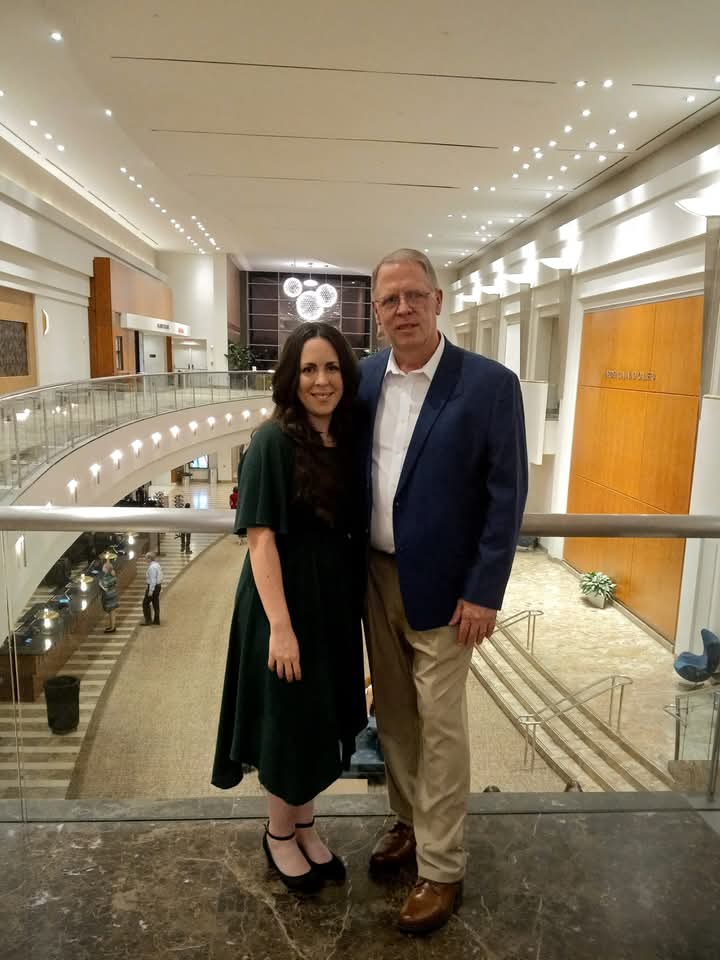
Dr. Youngblood and her father
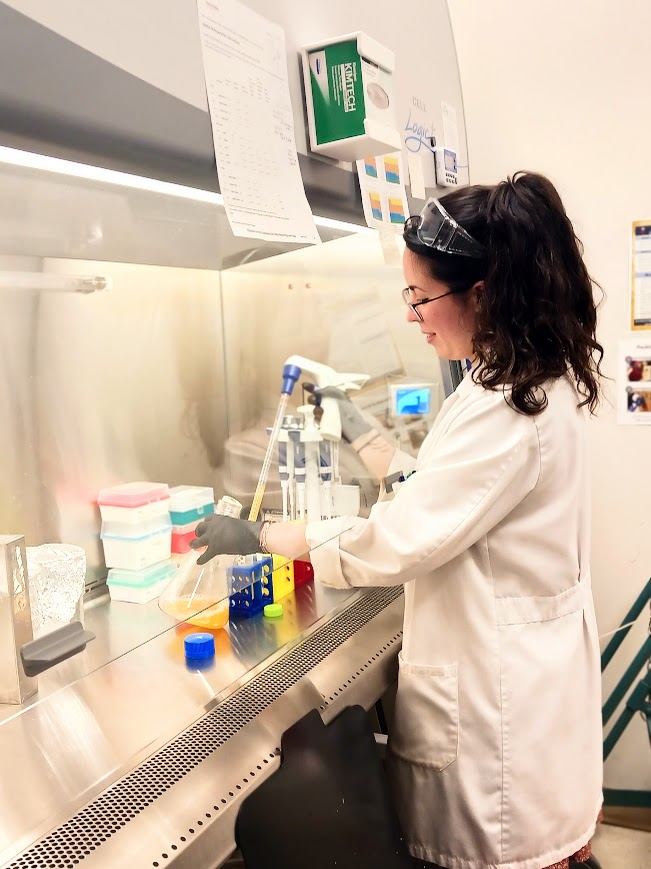
BrightFocus National Glaucoma Research grant recipient Hannah Youngblood, PhD, a postdoctoral fellow at the Georgia Institute of Technology, is studying the genetic and molecular factors that influence XFG. She believes a protein called LOXL1 might play an important role in the development of XFG. Her research could help identify new targets for glaucoma drugs, potentially bringing hope to millions of people worldwide.
A Personal Motivation to Tackle Irreversible Vision Loss
Dr. Youngblood’s father has battled glaucoma since he was a young adult. He completely lost vision in his left eye and has impaired vision in his right. As she accompanied her father to doctor’s visits and watched him undergo glaucoma treatment, she saw how detrimental the disease could be.
“Glaucoma reduced his career options, making it difficult for him to drive at night, and impacting every part of his daily life,” she said.
When it came time to decide the direction of her own research career, she knew she wanted to make a difference for people like her father.
“Studying the causes of glaucoma to find vision-saving treatments was an obvious choice,” she said.
Uncovering LOXL1’s Role in Glaucoma
XFG is caused by a full-body disorder called pseudoexfoliation syndrome, which leads to deposits of abnormal materials outside of cells throughout the body. These deposits can block important drainage pathways in the eyes, triggering cell death and eventual vision loss. XFG can lead to total blindness, and no treatments help clear these deposits.
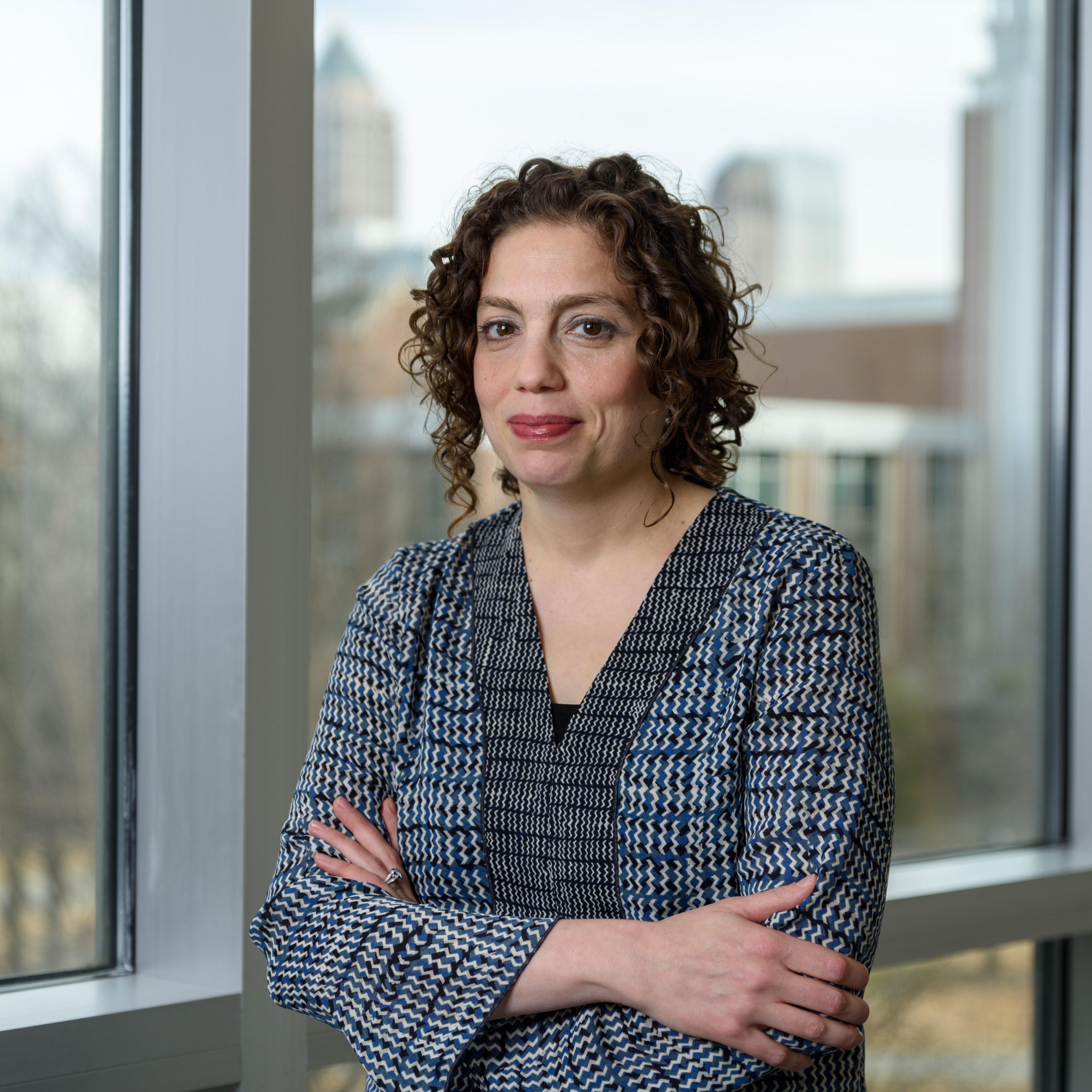
Hannah Youngblood, PhD, National Glaucoma Research grant recipient
Dr. Youngblood was curious how the LOXL1 protein might be involved in the development of XFG. LOXL1 normally plays a role in the structural support of many tissues around the body, including in the eye. Prior research found that people with certain variations of the LOXL1 gene were more likely to have XFG.
“I want to know how these genetic differences may be affecting the ability of LOXL1 to do its job,” Dr. Youngblood said.
“As both a vision researcher and a daughter of someone with glaucoma, thank you to BrightFocus Foundation for your generous, sustained support of glaucoma research.”
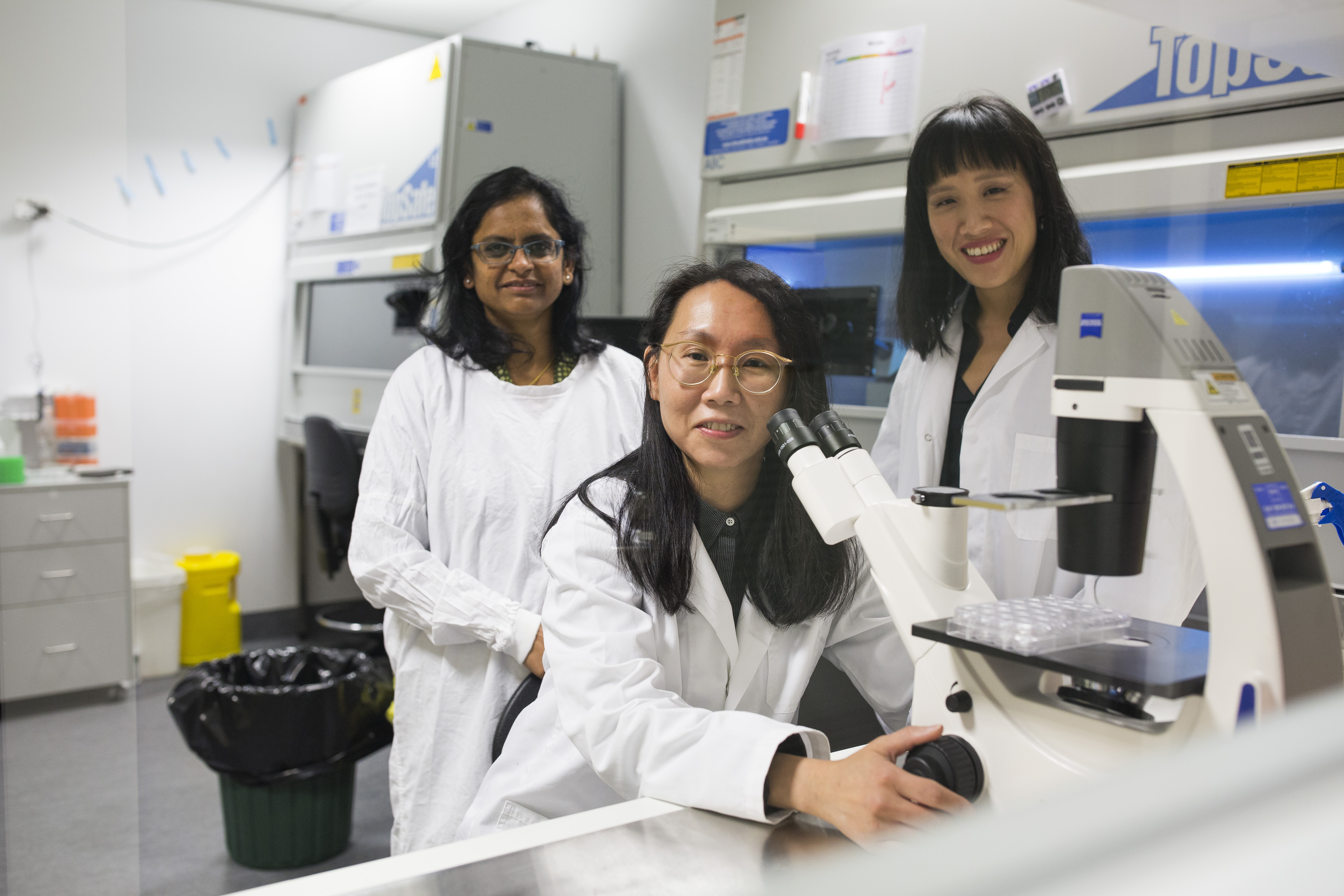
Dr. Youngblood’s mentor and National Glaucoma Research grant recipient, Raquel Lieberman, PhD
To answer that question, her lab is exploring how these genetic changes affect the structure of the LOXL1 protein. Like pieces of origami, all proteins have intricately folded shapes. Even small genetic changes can have a big impact on how a protein folds, and those changes in shape can make a protein better or worse at its job.
Dr. Youngblood believes that mutations in the LOXL1 gene increase or decrease the risk of glaucoma because they change the shape of this protein in a critical way. Her research aims to confirm this theory and help pave the way for novel glaucoma treatments.
“Addressing this critical knowledge gap could be the first step for creating the first treatment that specifically targets the cause of pseudoexfoliation glaucoma,” Dr. Youngblood said.
“Funding from BrightFocus Foundation’s National Glaucoma Research program has been pivotal for the development of this novel project,” she continued. “If this project is successful, hopefully we can partner with others who can help develop and test therapeutics to target LOXL1 or its interacting partners.”
About BrightFocus Foundation
BrightFocus Foundation is a premier global nonprofit funder of research to defeat Alzheimer’s, macular degeneration, and glaucoma. Since its inception more than 50 years ago, BrightFocus and its flagship research programs—Alzheimer’s Disease Research, Macular Degeneration Research, and National Glaucoma Research—has awarded more than $300 million in research grants to scientists around the world, catalyzing thousands of scientific breakthroughs, life-enhancing treatments, and diagnostic tools. We also share the latest research findings, expert information, and resources to empower the millions impacted by these devastating diseases. Learn more at brightfocus.org.
Disclaimer: The information provided here is a public service of BrightFocus Foundation and is not intended to constitute medical advice. Please consult your physician for personalized medical, dietary, and/or exercise advice. Any medications or supplements should only be taken under medical supervision. BrightFocus Foundation does not endorse any medical products or therapies.
Protecting Vision: A New Approach to Scar-Free Healing From Glaucoma Surgery
BrightFocus National Glaucoma Research-funded scientist Jennifer Fan Gaskin, MD, is exploring safer, more effective treatments to prevent scarring after glaucoma filtration surgery, also known as trabeculectomy.
Article
National Glaucoma Research Grantee Receives $2.2 Million Follow-On Award Aimed at Curing Blindness
Additional funding is propelling BrightFocus-funded scientist Jason Meyer, PhD, toward advances in whole-eye transplantation.
Article
Harnessing Artificial Intelligence to Transform Glaucoma Detection
A National Glaucoma Research-funded scientist is pioneering the use of artificial intelligence and telemedicine to detect glaucoma earlier, improve access to care, and prevent irreversible blindness.
Article
How Some Eye Cells Survive Glaucoma
BrightFocus National Glaucoma Research-funded scientist Mengya Zhao, PhD, uses a unique combination of techniques to understand why certain retinal cells stay strong in glaucoma while others don’t.
Article
A Key Model to Study Cellular Functions to Better Treat Glaucoma
BrightFocus National Glaucoma Research-funded scientist Samuel Herberg, PhD, is using a 3D model of the fluid drainage tissue that could improve our ability to understand and treat glaucoma.
Article
How the Breakdown of Cellular ‘Powerhouses’ Drives Exfoliation Glaucoma
A study yields new insights that could inspire novel treatments for exfoliation glaucoma.
Your support helps fund critical research that could prevent vision loss, provide valuable information to the public, and cure this sight-stealing disease.