


What Is Macular Degeneration?
Macular degeneration is an irreversible destruction of the central area of the retina, called the macula, which provides the sharply focused central vision needed to read, recognize people and objects, and perform skilled tasks. Damage to the macula results in blind spots and blurred or distorted vision. The disease is most common in people over age 60, which is why it is often called age-related macular degeneration. Learn about the signs and symptoms of macular degeneration, treatments, prevention techniques, and ways to care for yourself or a loved one.

Understanding Macular Degeneration

Dry or Wet?
People can develop one or both types of the disease.
Which Eye Will Be Affected?
The disease can affect one or both eyes.
Early Symptoms
The early signs of macular degeneration are often subtle, and individuals may not notice symptoms until vision begins to fade.
Who’s Affected?
The number one risk factor for macular degeneration is age. One-third of adults over age 75 are affected by age-related macular degeneration.
Types
Types of Macular Degeneration
There are two types of macular degeneration: dry and wet. Both affect the retina, the paper-thin tissue lining the back of the eye. A person can have one or both forms.

Dry Macular Degeneration
All macular degeneration starts as the dry form. Yellow waste deposits called drusen build up under the retina, and cells of the macula may slowly break down as a result. This is the most common type of macular degeneration.
- Dry AMD occurs in three stages: early, intermediate, and advanced. There may be no symptoms in the early stages, but as the disease progresses, a blurry spot may appear in the center of vision that can grow larger and darker, resulting in a complete loss of central vision.
- In its most advanced form, geographic atrophy, dry AMD can cause profound central vision loss, severely affecting a person’s quality of life.
- Dry AMD can change suddenly into the wet, more advanced form.
Wet Macular Degeneration
Wet macular degeneration occurs when abnormal blood vessels grow behind the macula. They can leak blood and fluid, damaging the macula and leading to distorted vision.
- Wet AMD is usually preceded by the dry form.
- In wet AMD, straight lines may appear wavy, and central vision loss can occur rapidly–sometimes within days.
- Always considered the advanced stage of the disease, wet AMD accounts for approximately 10% of all cases of age-related macular degeneration. However, it results in 90% of cases of AMD-related blindness.

Stages
How Does Macular Degeneration Affect Vision?





Risk Factors
Who is at Risk of Developing Macular Degeneration?

Medical experts are not sure exactly what causes age-related macular degeneration (AMD), but some factors may increase your risk of developing it.
Here are some general risk factors to keep in mind, including:
- Age
- Smoking
- Family History
- Gender
- Race
- Prolonged Sun Exposure
- Diet
- Obesity
- High Blood Pressure
- Eye Color
- Inactivity
Browse other potential risk factors and how to lower your risk.
By the Numbers
Facts & Figures

Did you know?
Macular degeneration is a leading cause of vision loss in Americans aged 60 and older.

20 Million
As many as 20 million U.S. adults aged 40 and older are living with some form of age-related macular degeneration.

A Leading Cause of Blindness
Advanced age-related macular degeneration is a leading cause of irreversible blindness and visual impairment in the world.

Program Impact
Accelerating Groundbreaking Research
Macular Degeneration Research, a BrightFocus Foundation program, is working to find the root causes of this debilitating disease and pioneer prevention strategies and treatments to end it for good.
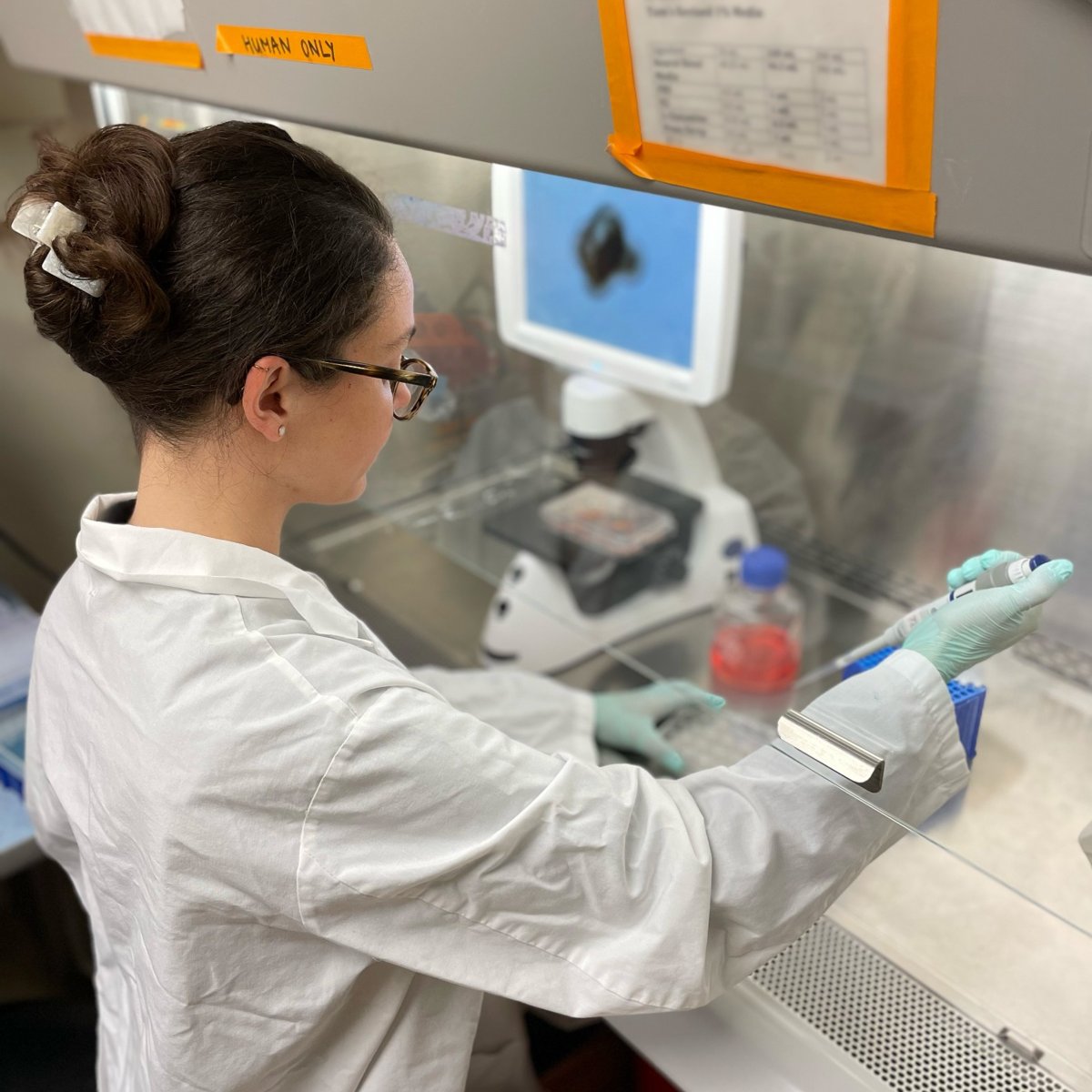
With our funding, scientists around the world are developing, testing, and investigating hundreds of ideas to prevent, treat, and cure macular degeneration.
We’ve invested nearly $53 million in macular degeneration research to date across 348 research grants.
Resources
Recent Resources & Information

The Future of Age-Related Macular Degeneration and Geographic Atrophy: How Clinical Trials Are Paving the Way
Mathew MacCumber, MD, PhD, explains how clinical trials work, the potential benefits and challenges of participation, and key factors to consider when deciding whether a trial may be right for you.

Cell Therapy and Macular Degeneration: Exploring a New Treatment Frontier
In this episode, we explain how these therapies are intended to work, how the cells may be delivered to the eye, and the potential risks.
Understanding Macular Degeneration: A Listener Q&A Session
In this interactive episode, Dr. Joshua Dunaief answers listener questions about macular degeneration.

Taking Charge of Wet AMD: Treatments & Tips
Manuel Amador, MD, explains today’s wet AMD treatments and why consistency matters.

Can Retinal Implants Restore Vision?
In this Macular Chats episode, we break down the different types of implants in development and look ahead to what’s next in the research pipeline.

Gene Therapy Advances in Age-Related Macular Degeneration
Gene therapy treatments may one day free people with age-related macular degeneration (AMD) from the need for frequent eye injections.

Supporting the Supporters: Care Partners in Vision Loss
In recognition of National Caregivers Month, this episode explores the vital role of those who support individuals living with vision loss—whether family members, professionals, or volunteers.

Understanding Stem Cell Research for Macular Degeneration
Dr. Jeffrey Stern and Dr. Sally Temple, Principal Investigators and Co-Founders of the Neural Stem Cell Institute, will explain what stem cells are and share the latest updates from clinical trials.

Finding Purpose and Community Through Supporting Research
Dave and Leanna Palmer share their commitment to supporting Macular Degeneration Research.
Help Fight Macular Degeneration and Save Sight
Macular degeneration affects millions of people. Your gift today helps fund research that brings us closer to a cure and provide valuable information to the public.