


OCT Measurement of TM/SC Stiffness in Living Mice

About the Research Project
Program
Award Type
Standard
Award Amount
$100,000
Active Dates
July 01, 2015 - December 30, 2017
Grant ID
G2015100
Goals
The most important factor in preventing blindness in glaucoma patients is early diagnosis and effective treatment of the disease. We have developed a way, without touching the eye, to visualize the mouse outflow pathway, ie, the tissues draining fluid from the eye that control intraocular pressure (IOP), as that pathway may be affected by different pressure readings and various glaucoma drug treatments. This project is vital in three ways: 1) we can make glaucoma eyes in mice that mimic the disease in humans in order to test how the outflow tissue of diseased eyes differs from normal eyes; 2) we can treat the glaucoma eyes with newly developed drugs to see whether they are safe and effective for glaucoma; 3) we can apply the information collected from these animals to clinical purposes for glaucoma early diagnosis and effective treatment.
Summary
Lowering intraocular pressure (IOP) is neuroprotective, delaying/preventing vision loss in primary open-angle glaucoma patients. Much of the functional morphologic knowledge about the conventional outflow pathway has been limited to fixed samples, often from patients on long-term medical treatment, and thus is subject to artifact and represents only a “snapshot” in time. In actuality, IOP is dynamic and integrated, and IOP oscillations are dampened by the pressure-dependent conventional outflow tract. The aim of this study is to understand the vibrant response of conventional outflow tissues to changes in IOP and to a conventional outflow drug, in real-time. Specifically, we aim to develop non-invasive methodologies to determine the stiffness of the trabecular meshwork (TM)/Schlemm’s canal (SC) inner wall in young, aged, and corticosteroid-induced glaucoma mouse eyes (plus/minus treatment with a rho kinase inhibitor) using spectral domain OCT. Our study has potential impact for three important clinical unmet needs: (i) early glaucoma diagnosis, (ii) monitoring treatment response and (iii) following disease progression.
Related Grants
National Glaucoma Research
Developing New Drugs for Glaucoma
Active Dates
January 01, 2026 - December 31, 2027
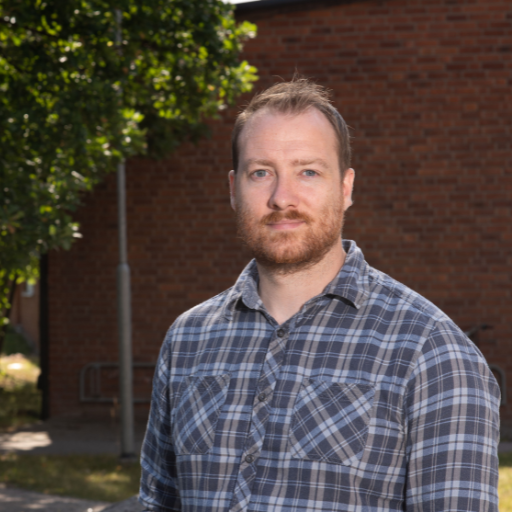
Principal Investigator
Pete Williams, PhD
Current Organization
Karolinska Institutet
Developing New Drugs for Glaucoma
Active Dates
January 01, 2026 - December 31, 2027
Principal Investigator
Pete Williams, PhD
Current Organization
Karolinska Institutet
National Glaucoma Research
Mitochondria in Retinal Ganglion Cells
Active Dates
July 01, 2025 - June 30, 2027

Principal Investigator
Rob Nickells, PhD
Current Organization
University of Wisconsin-Madison
Mitochondria in Retinal Ganglion Cells
Active Dates
July 01, 2025 - June 30, 2027
Principal Investigator
Rob Nickells, PhD
Current Organization
University of Wisconsin-Madison
National Glaucoma Research
Role of a Key Gene, Angptl7, in Steroid-Induced Glaucoma
Active Dates
July 01, 2025 - June 30, 2027

Principal Investigator
W. Daniel Stamer, PhD
Current Organization
Duke University
Role of a Key Gene, Angptl7, in Steroid-Induced Glaucoma
Active Dates
July 01, 2025 - June 30, 2027
Principal Investigator
W. Daniel Stamer, PhD
Current Organization
Duke University