


Analysis of A2E-Degradation and Complement Activation in Two New Animals Models for Age-Related Macular Degeneration

About the Research Project
Program
Award Type
Standard
Award Amount
$100,000
Active Dates
April 01, 2008 - June 28, 2010
Grant ID
M2008090
Goals
This project will test the hypothesis that abnormal metabolism of vitamin A and its derivatives could lead to overt activation of the immune complement system. It will test this hypothesis using a well established animal model of macular defects. They will investigate the biochemical and molecular mechanisms used by the retina to deal with abnormal build-up of vitamin A-based toxic compounds.
Summary
A pathologic feature of AMD is the accumulation of toxic lipofuscin pigments, derived from vitamin A, in cells of the retinal pigment epithelium (RPE). This layer of cells is critical to the normal function and survival of rods and cones. Lipofuscin is a natural byproduct of photoreceptor turnover and slowly accumulates in everyone’s RPE. However, patients with AMD may have biochemical defects leading to accelerated accumulation or delayed clearance of lipofuscin pigments. When these pigments rise, the RPE loses its ability to support the photoreceptors. In time, this leads to photoreceptor death and subsequent blindness. Recent research showed that the gene for complement factor H (CFH), a component of the innate immune system, is a strong susceptibility locus for AMD. However, it is not known how dysfunction of CFH causes AMD. The study will test whether abnormal metabolism of vitamin A and its derivatives could lead to overt activation of the complement system. Studying mouse models will help us to understand the relationship between lipofuscin accumulation, complement activation, and retinal degeneration in AMD.
Related Grants
Macular Degeneration Research
How Aging of the Immune System Affects Age-Related Macular Degeneration
Active Dates
July 01, 2025 - June 30, 2028
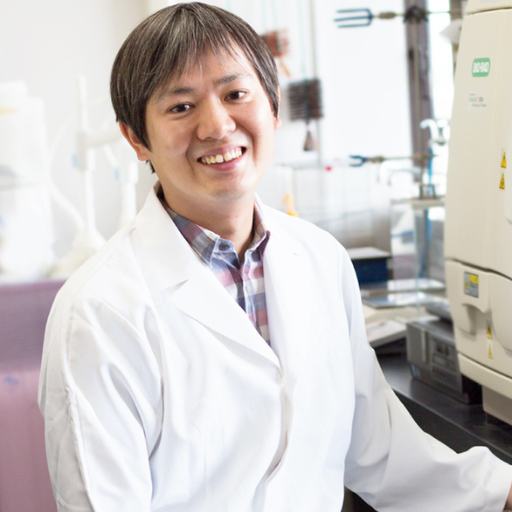
Principal Investigator
Masayuki Hata, MD, PhD
Current Organization
Kyoto University
How Aging of the Immune System Affects Age-Related Macular Degeneration
Active Dates
July 01, 2025 - June 30, 2028
Principal Investigator
Masayuki Hata, MD, PhD
Current Organization
Kyoto University
Macular Degeneration Research
Microglia’s Roles in AMD to Inform Therapies for Vision Loss Prevention
Active Dates
July 01, 2025 - June 30, 2027
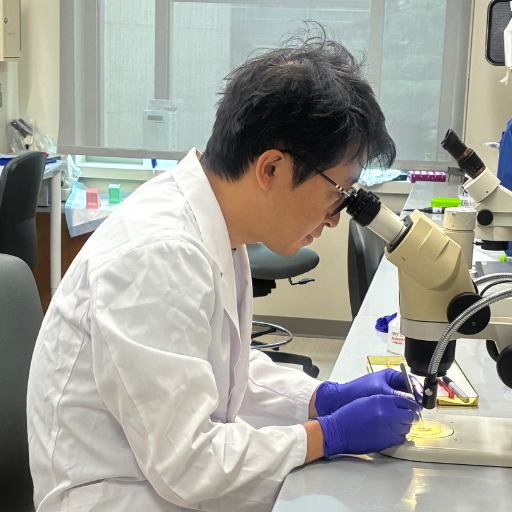
Principal Investigator
Nobuhiko Shiraki, PhD
Current Organization
Duke University School of Medicine
Microglia’s Roles in AMD to Inform Therapies for Vision Loss Prevention
Active Dates
July 01, 2025 - June 30, 2027
Principal Investigator
Nobuhiko Shiraki, PhD
Current Organization
Duke University School of Medicine
Macular Degeneration Research
Exosomes and Autophagy: Suspicious Partners in Drusen Biogenesis and AMD
Active Dates
July 01, 2024 - June 30, 2027

Principal Investigator
Miguel Flores Bellver, PhD
Current Organization
University of Colorado Anschutz Medical Campus
Exosomes and Autophagy: Suspicious Partners in Drusen Biogenesis and AMD
Active Dates
July 01, 2024 - June 30, 2027
Principal Investigator
Miguel Flores Bellver, PhD
Current Organization
University of Colorado Anschutz Medical Campus