


What Is Glaucoma?
Glaucoma is a group of eye diseases that damage the optic nerve, the bundle of nerve fibers that carries information from the eye to the brain. It can lead to vision loss and blindness. Although there is no cure, medications and surgery can help slow the disease’s progression. Learn about the signs and symptoms of glaucoma, treatments, prevention techniques, and ways to care for yourself or a loved one.

Program Impact
Accelerating Research Toward a Cure
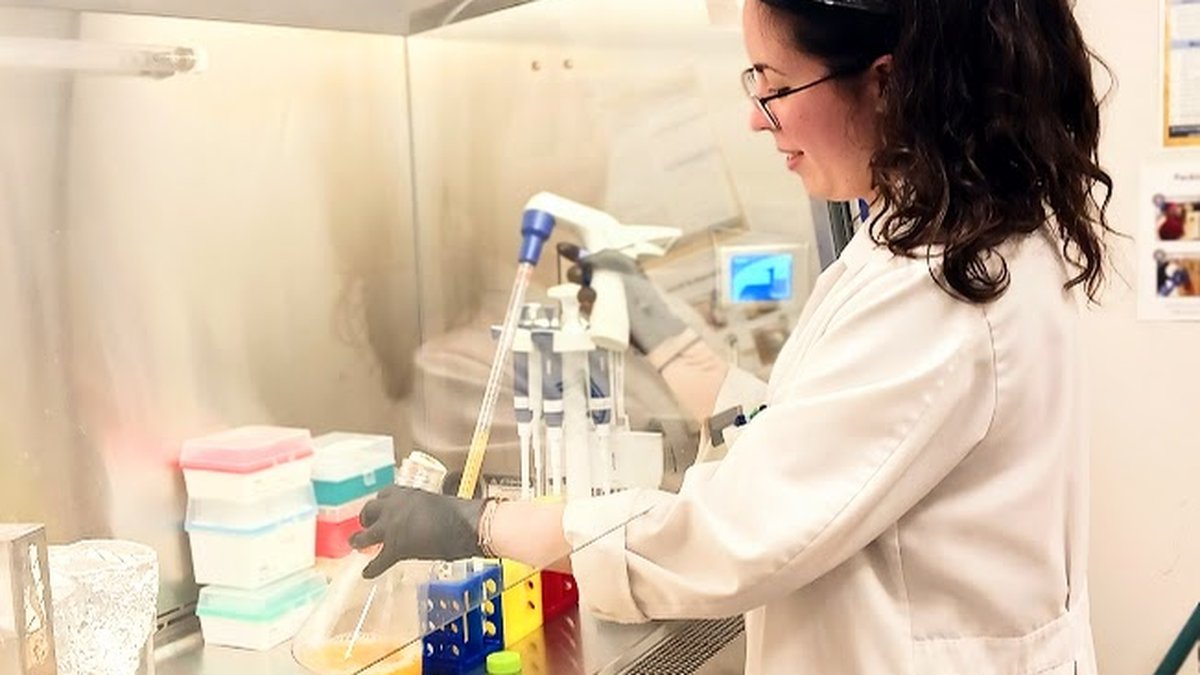
National Glaucoma Research, a BrightFocus Foundation program, funds a wide range of innovative scientific approaches that explore the root causes of this eye disease.
With our funding, scientists around the world are developing, testing, and investigating hundreds of ideas to prevent, treat, and cure glaucoma.
We’ve invested nearly $51 million in glaucoma research to date across 496 research grants.

Understanding Glaucoma
Types of Glaucoma
There are two main forms of glaucoma: open-angle and angle-closure. There are also several other less common forms of this eye disease, including normal-tension, childhood, and secondary glaucoma.
The most common types of glaucoma often have no symptoms until irreversible damage to the eye has already occurred and vision loss has begun. That’s why glaucoma is sometimes called the “sneak thief of sight,” and why regular screening and early detection are so important.
Learn about the different types of glaucoma:

Open-Angle Glaucoma
The most common form, affecting approximately 70-90% of people with the disease, open-angle glaucoma is a chronic, slowly progressing condition that has few or no symptoms until peripheral vision loss has already begun. In the U.S., this type impacts African American and Hispanic populations at higher rates than other ethnicities.

Angle-Closure Glaucoma
This second most common type of glaucoma is a largely inherited disorder caused by a narrow angle in the eye’s passageway where aqueous fluid would normally flow.
Chronic Angle-Closure Glaucoma
This type of glaucoma progresses more slowly and can damage the optic nerve without symptoms, similar to open-angle glaucoma.
Acute Angle-Closure Glaucoma
This occurs suddenly when the flow of aqueous humor between the iris and the lens of the eye is blocked. This rare medical emergency must be treated immediately or blindness could result in a day or two.
Normal-Tension Glaucoma
This form is very similar to primary open-angle glaucoma, except that damage to the optic nerve occurs even though eye pressure is not elevated.
Secondary Glaucoma
Secondary glaucoma can be open-angle or closed-angle and is the result of some other medical condition in the eye or the body.

How Glaucoma Affects Vision
How Open-Angle Glaucoma May Affect Vision





Who is at Risk of Developing Glaucoma?
The most common types of glaucoma have completely different symptoms. However, there are some general risk factors to keep in mind, including:
- High eye pressure
- Family history of glaucoma
- Being age 40 and older for African Americans
- Being age 60 and older, particularly for Hispanics/Latinos
Browse other potential risk factors and how to lower your risk.

By The Numbers
Facts & Figures

4 Million+ Americans
More than four million Americans aged 40 and older are living with glaucoma, 2.7 million of whom are affected by its most common type, open-angle glaucoma.
Glaucoma is the second leading cause of blindness in the world, affecting 80 million people.

Eye Pressure: A Major Risk Factor
Eye pressure is a major risk factor for glaucoma, but not every person with increased eye pressure will develop glaucoma. Glaucoma can even develop without increased eye pressure.

Early Detection Can Protect Vision
Currently, there is no cure for glaucoma; however, early detection and treatment can slow the progression of the disease and protect remaining vision.
Resources
Explore Helpful Resources & Information

A Personal Journey with Glaucoma: A Conversation with BrightFocus President & CEO Stacy Haller
Listen to a candid conversation with BrightFocus Foundation President and CEO Stacy Pagos Haller about her personal experience living with glaucoma and how her diagnosis has shaped her perspective as a leader and member of the glaucoma community.

Supporting Innovation and Impact in Glaucoma Research
June Kinoshita’s decision to provide ongoing support to BrightFocus Foundation’s National Glaucoma Research program was inspired by respect born out of deep experience as an advisor and leader in the medical nonprofit field.

Retinal Regeneration: A New Path Toward Curing Glaucoma
Dr. Karl Wahlin explores how regenerative medicine and retinal cell replacement strategies could transform the future of glaucoma treatment and vision preservation.

How Other Health Conditions Can Affect Glaucoma
Nitasha Gupta, MD explains the connection between glaucoma and overall health, including common medical conditions, medication interactions, and what you should know to help protect your vision.

New Frontiers in Glaucoma Research
BrightFocus Foundation’s National Glaucoma Research program recently awarded $2.3 million in new funding for cutting-edge projects worldwide. BrightFocus’ Director of Vision Science Programs Dr. Jimmy Liu and Vice President of Scientific Affairs Dr. Diane Bovenkamp discuss the newly funded research spanning AI, neuroprotection, immune response, early detection, and novel therapies.

Eating Right for Glaucoma: Everyday Choices That Matter
In recognition of Healthy Vision Month, Dr. Amy D. Zhang breaks down the connection between diet and glaucoma—from leafy greens and essential nutrients to the impact of caffeine and alcohol.

Understanding Glaucoma’s Disproportionate Impact on Black and Hispanic Communities
UCLA ophthalmologist Dr. Victoria Tseng discusses the latest research on glaucoma disparities, cultural and healthcare barriers, and why early screening is critical to protecting vision.

Discussing Glaucoma With Your Family
In this episode, Dr. Inas Aboobakar explains the role of genetics and family history in glaucoma, what and when to share with relatives, and how to encourage glaucoma eye exams.

Open Angle vs. Closed Angle Glaucoma
Ophthalmologist Dr. Andrew Smith explains the key differences and similarities between open-angle and closed-angle glaucoma, including their causes, risk factors, treatments, and what they mean for protecting long-term vision.
Together, We Can Stop Glaucoma
Glaucoma is the leading cause of irreversible blindness. Your donation today helps fund critical research that could lead to treatments to preserve sight, provide vital information to the public, and end this devastating disease.