In clinical trials, stem cell therapy for glaucoma shows promise for rebuilding the eye’s drainage system and protecting the optic nerve. An ophthalmologist explains what you need to know.
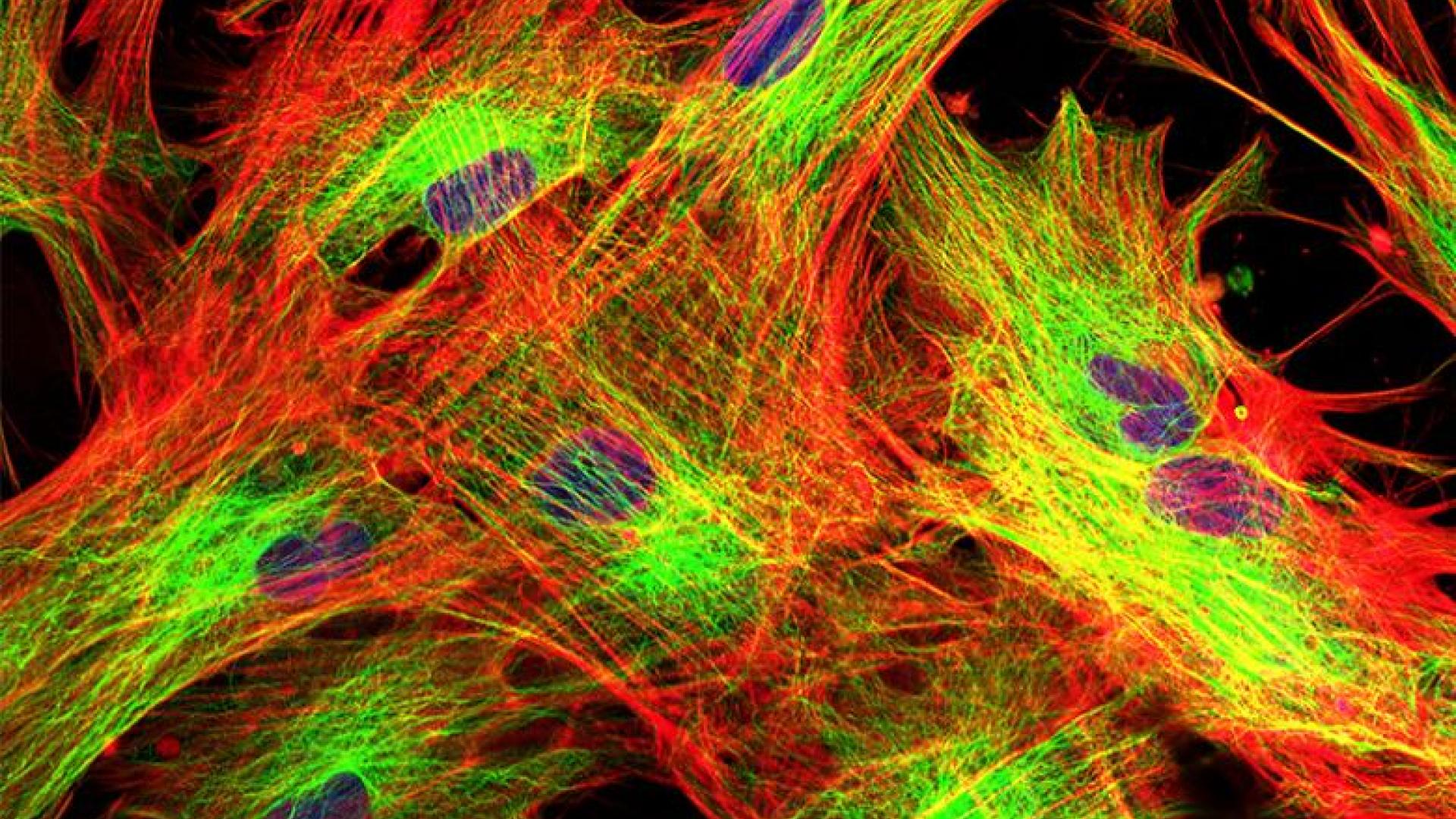
Stem cells are immature cells that can mature into different types of specialized cells. Scientists can now make a type of stem cell capable of maturing into a wide variety of cell types out of cells from adult tissue.
Scientists around the world are exploring how stem cells could be used to treat glaucoma, including stem cells that can mature into cells that help the eye’s drainage system or cells that replace the optic nerve cells lost in glaucoma.
In animal studies, stem cells and cell-produced products have shown promise for protecting the optic nerve from the type of damage that occurs in glaucoma.
Imagine being able to use your body’s own cells to protect or replace eye tissue that is damaged and lost in glaucoma. In a nutshell, that is the idea behind using stem cells to treat glaucoma. The field of stem cell research is exciting, but particularly so for the eye. After all, the first-ever transplant of cells derived from a type of stem cell took place in the eye. In this landmark procedure, surgeons implanted retinal tissue that was grown after turning the recipient’s own cells into a certain type of stem cell.1
What are Induced Pluripotent Stem Cells?
Stem cells are immature cells that have two important abilities: they can mature into more specialized types of cells, and they can produce identical copies of themselves. For example, the blood stem cells that live in the bone marrow can become any type of blood cell in the bloodstream.
There are several types of stem cells. In many cases, the stem cells used in glaucoma research are adult stem cells. This means they are grown in the lab from tissue samples (usually skin, blood, bone marrow, or fat) taken from adult human beings.
Scientists generate adult stem cells that are described as pluripotent, which means these cells can mature and change into many different types of cells in the body. To generate pluripotent stem cells, researchers can reprogram mature, specialized cells to an earlier stage of development—a bit like sending them back in time. The name for these cells: induced pluripotent stem cells (iPSCs). Induced pluripotent stem cells can develop intoany type of human cell.
Steady Progress
If you’re living with vision loss due to a disease like glaucoma, the progress that has been made toward creating stem cell treatments must seem painfully slow. However, compared to other areas of medical research, the field has advanced relatively quickly since the first iPSCs were discovered and made in 2006.2
That said, although there is rigorous and scientifically sound work being done in adult stem cell laboratories all over the world, some stem cell “treatments” are not yet ready to treat glaucoma.
Current Research
Scientists are actively investigating many different aspects of how stem cells might be used to treat glaucoma. The phrase “stem cells to treat glaucoma” is far too narrow to describe just how many different approaches could be potentially used.
Fixing the Eye’s Drainage System
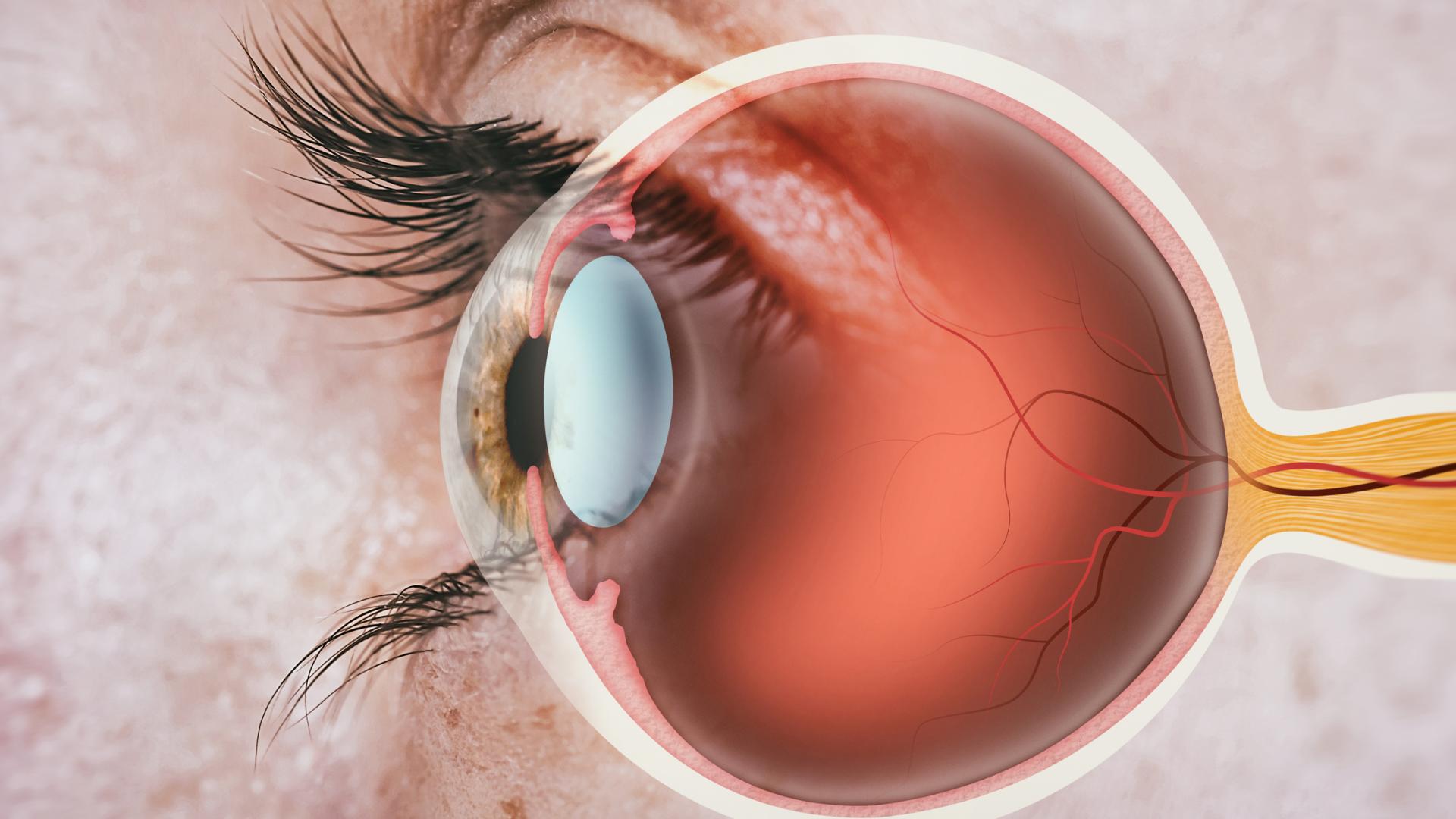
One avenue scientists are exploring is using stem cells to repair the eye’s drainage system in people with open-angle glaucoma. In this type of glaucoma, this ‘plumbing’ doesn’t work as well as it should, so fluid can build up inside the eye, increasing eye pressure. As you may know, higher-than-normal eye pressure is a major risk factor for glaucoma.
We already have many therapies, such as eye drops and laser, that decrease eye pressure by either slowing down production of the fluid or improving the outflow of fluid.
While these treatments are very effective, they’re a bit like using drain cleaner or a wire to clear a blockage in a rusty metal pipe. But what if we could essentially rebuild a key part of the drain?
Researchers are working on methods of doing this by turning pluripotent stem cells into the cells that drain fluid out of the eye: trabecular meshwork (TM) cells. This approach has shown promise in animal studies, and research using human eye cells.
Retinal Ganglion Cells: A Challenging Problem
Renewing the eye’s drainage system would not help people with glaucoma who have already lost vision. This vision loss is due to the death of cells called the retinal ganglion cells that make up the optic nerve.
Retinal ganglion cells (RGCs) carry visual information from the retina to the brain. Healthy RGCs are crucial for vision. But as glaucoma progresses, these RGCs die. We don’t currently have treatments that can restore lost vision by replacing or reviving dead RGCs.
But researchers are working on ways of doing just that. One approach is to take adult stem cells, turn them into RGCs, and then transplant these into the eye.
However, several problems must be solved before this method could possibly restore vision. For example, the transplanted cells need to connect to their appropriate partners both in the retina and in the brain to form a complete circuit.
Scientists worldwide are at work tackling this challenge. A group led by National Glaucoma Research grantee Jason Meyer, PhD is just one example. Dr. Meyer’s team is turning adult stem cells into iPSCs. They plan to set up the iPSCs in models of the optic nerve, then test methods for reconnecting them to the retinal and brain regions of those models.
Cell-Based Therapies
While replacing retinal ganglion cells may be the holy grail in glaucoma, another strategy is to promote survival of these cells. Scientists have already identified some so-called neuroprotective molecules, meaning they possess the ability to protect nerve cells; in this case, RGCs. However, figuring out how to deliver these molecules in a long-lasting way can be a challenge.
One approach that has been studied in early clinical trials is known as a cell-based strategy. It uses cells that have been engineered to make a small protein called ciliary neurotrophic factor (CNTF). These cells are contained in a tiny shell, or capsule. When implanted into the eye, the capsule protects the cells, but allows the CNTF to travel out into the eye. The idea is that these cells continue to make CNTF for a long time, which could potentially help stressed retinal ganglion cells and preserve vision.
Results of a small Phase I study that tested such a device in people with primary open-angle glaucoma, published in 2023, found the implant didn’t cause serious side effects, and may provide some neuroprotective effects on the retina.3 A Phase 2 trial is ongoing, funded in part by National Glaucoma Research.
Another study, led by National Glaucoma Research grantee Colleen McDowell, PhD, could potentially lead to another cell-based therapy. Cells in the eye can carry out specific tasks that are known to promote improved function of the fluid-draining trabecular meshwork cells. Dr. McDowell’s team is looking into whether a molecule called calcitonin gene-related peptide (CGRP) spurs this protective process.
Certain products that cells produce also appear to hold promise for treating glaucoma.
Extracellular vesicles (EVs) are tiny ‘bubbles’ that act as messengers, carrying proteins, sugars, or genetic information to cells. One possible use of EVs for treating glaucoma is to deliver molecules that protect RGCs or promote nerve repair. This approach is showing promise in animal studies.
MicroRNAs (miRNAs) are small molecules that are made by a cell’s own DNA. They help control the activity of genes that make proteins. Yuan Lei, PhD, a National Glaucoma Research grantee, is studying the role that an miRNA may play in regulating eye pressure. This could potentially lead to an effective new way of treating elevated eye pressure in glaucoma.
Additionally, in animal models of glaucoma, both EVs and miRNAs have been shown to help to protect against optic nerve death.4
Finding Clinical Trials
If you are living with vision loss resulting from glaucoma, where might you turn to find stem cell treatments?
Talk with Your Ophthalmologist
First of all, talk to your ophthalmologist. Not only is your ophthalmologist the best source of information about how glaucoma has affected your eye health and vision, he or she is likely up to date in the field. That means your eye care provider may be aware of advances that aren’t mentioned here, since the field is constantly changing and advancing.
Buyer Beware
Why not just Google “stem cells and glaucoma”? If you find a website for a clinical trial, it doesn’t mean the U.S. government has reviewed or approved the study, or that it is based on solid science.
Sadly, there have been reported cases where unsuspecting people suffered severe vision damage after so-called treatment in unapproved, scam “clinical trials”.6 If you are thinking about pursuing a stem cell treatment for glaucoma, or for any eye disease, be on the lookout for the following warning signs:
In a clinical trial, participants are not asked to pay for the treatment. In fact, some clinical trials reimburse participants for costs such as parking. Be wary if you are asked to pay for a procedure, or for stem cells.
If a clinical trial or study is supposedly testing the same stem cell “treatment” in many different diseases of the eye, or uses many different ways of delivering the stem cells, beware. This suggests the people involved do not have a good understanding of how stem cell treatment works.
Most legitimate studies will test the treatment in only one eye. Be skeptical of those where both eyes are treated at the same time.
Ask whether the treatment is FDA approved, or whether it is being studied under an Investigational New Drug (IND) application with the FDA. Lack of either of these is a red flag.
Watch out for “stem cell clinics” with websites that prominently feature personal testimonials. They often use autologous stem cells harvested from a person’s own fat or bone marrow. Despite what the people who run these clinics may claim, the FDA does have the authority to regulate these types of stem cells.7
The U.S. government does not review or approve the safety and science of all studies listed on ClinicalTrials.gov. The study sponsor or investigator submits information about their study and is responsible for the safety, science, and accuracy of any study they list.
Stem cells are immature cells that can mature into several different types of specialized cells. Research suggests that treatments using these cells could potentially protect or even replace key eye cells damaged in glaucoma. While most of this work is still being done in animal and cell models, there have been some early-phase human clinical trials of cell-based therapies that show promise.
BrightFocus Foundation is a premier global nonprofit funder of research to defeat Alzheimer’s, macular degeneration, and glaucoma. Since its inception more than 50 years ago, BrightFocus and its flagship research programs—Alzheimer’s Disease Research, Macular Degeneration Research, and National Glaucoma Research—has awarded more than $300 million in research grants to scientists around the world, catalyzing thousands of scientific breakthroughs, life-enhancing treatments, and diagnostic tools. We also share the latest research findings, expert information, and resources to empower the millions impacted by these devastating diseases. Learn more at brightfocus.org.
Disclaimer: The information provided here is a public service of BrightFocus Foundation and is not intended to constitute medical advice. Please consult your physician for personalized medical, dietary, and/or exercise advice. Any medications or supplements should only be taken under medical supervision. BrightFocus Foundation does not endorse any medical products or therapies.
Treatments
Share this post
Resources
Related Articles and Information
Recursos en español
Recursos útiles para el cuidado del glaucoma
Encontrará recursos e información que ofrecen productos, servicios y otro tipo de apoyo para personas con glaucoma y sus familias.
Expert Information
Helpful Resources for Glaucoma Care
Resources and information that provide products, services, and other support for people with glaucoma and their families.
Glaucoma Chats
Can We Restore Vision Loss from Glaucoma? What the Research Says
Join us for a fascinating conversation with Dr. Lucy Q. Shen as we explore cutting-edge research into restoring vision loss from glaucoma.
Expert Information
Diet, Exercise, and Other Habits That May Help Reduce Glaucoma Risk
A healthy lifestyle can benefit more than just your heart — it may help protect your vision, too. Learn what the latest research says about diet, exercise, sleep, and stress management in glaucoma care.
Expert Information
3 Subtle Signs Your Glaucoma May Be Getting Worse
In between doctor visits, you are the best advocate for detecting changes to your glaucoma. Discover the key symptoms to watch for and how early action can help protect your vision.
Glaucoma Chats
Implants and Injectables for Glaucoma Treatment
Discover the latest innovations in glaucoma treatment, from surgical implants to sustained-release medications.
Your support helps fund critical research that could prevent vision loss, provide valuable information to the public, and cure this sight-stealing disease.