Transcript
Download PDF
Please note: This Chat has been edited for clarity and brevity.
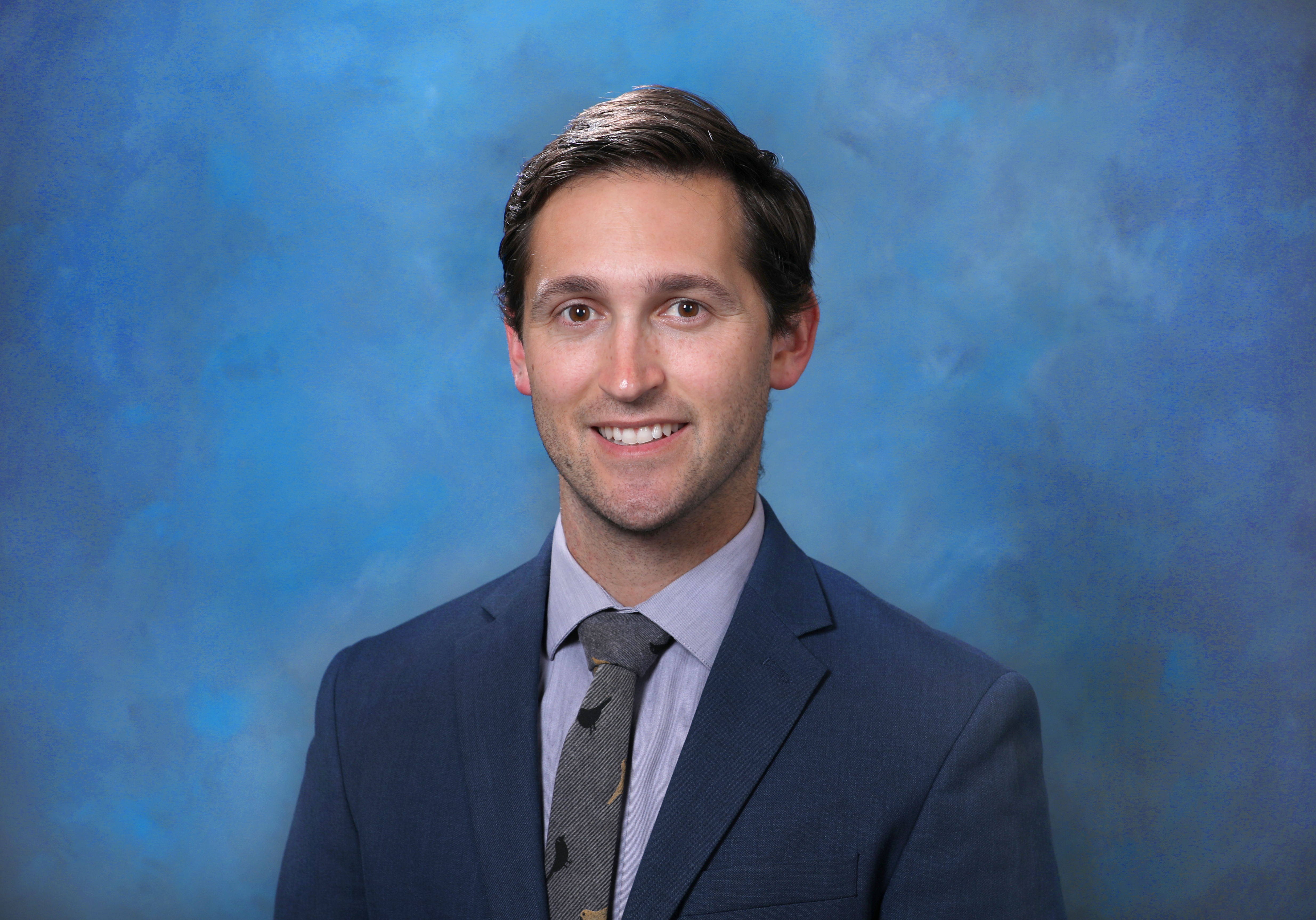
DR. JIMMY LIU: Hello, and welcome. My name is Dr. Jimmy Liu, and I’m the Director of Vision Science Programs at BrightFocus Foundation. I am pleased to be your host for today’s Glaucoma Chat, “Understanding Glaucoma’s Disproportionate Impact on Black and Hispanic Communities.” Glaucoma Chats are a monthly program presented in partnership with the American Glaucoma Society, and supported in part by sponsorship from Glaukos, designed to provide people living with glaucoma and the family and friends who support them with information straight from the experts.
The information provided in this program is for educational purposes only and should not be considered medical advice. Always consult a qualified health care professional regarding any medical concerns or conditions. Please note that BrightFocus does not endorse or promote any specific brand or product.
BrightFocus Foundation’s National Glaucoma Research Program is one of the world’s leading nonprofit funders of glaucoma research and has supported more than $52 million in scientific grants exploring the root causes, prevention strategies, and treatments to end this sight-stealing disease.
Now, I would like to introduce today’s guest speaker. Dr. Victoria Tseng is an assistant professor in the UCLA Department of Ophthalmology, where she specializes in the medical and surgical treatment of glaucoma and cataracts. Dr. Tseng’s research focuses on the intersection of epidemiology, disparities, and population health within ophthalmology. Dr. Tseng was a member of the American Academy of Ophthalmology Task Force for Disparities in Eye Care and has conducted extensive research examining health care disparities in the risk factors, diagnosis, and management of glaucoma and other chronic eye conditions. She is a recipient of multiple research grants and honors for her work. Dr. Tseng, thank you so much for joining us today.
DR. VICTORIA TSENG: Thank you. It’s a pleasure to be here.
DR. JIMMY LIU: All right. Let’s get started. With April being National Minority Health Month, it’s especially important to spotlight conditions like glaucoma. Research shows that Black and Hispanic individuals face a significantly higher risk of developing glaucoma. Can you share with us some of those statistics?
DR. VICTORIA TSENG: Certainly. We are fortunate in this country that there have been several population-based studies to see exactly how much glaucoma there is in different groups of the American population. What a population-based study is, is a door-to-door survey. So rather than checking people who come into the hospital or who come into a clinic, you have people working for studies that actually go through a neighborhood and knock on everybody’s door asking people about their medical history, their eye history, their family history, and doing some limited basic exams to check for different types of health issues. There have been several population-based studies looking specifically for glaucoma in segments of different parts of the country. It just so happens that when they look in these different segments, there tends to be some racial and ethnic clustering, as well.
If we go way back, two of the studies that looked at glaucoma in mainly White populations included the Framingham and Beaver Dam Eye Studies. These are named after the locations where they were performed. The Framingham Eye Study was done in Framingham, Massachusetts, which is a suburban neighborhood near Boston. It was an extension of the Framingham Heart Study, where they were looking at heart diseases. They took a subset of this population to look at eye diseases. And the Beaver Dam Eye Study was done in Beaver Dam, Wisconsin, so also a largely suburban area. In both of these areas, they found that the prevalence of glaucoma in a predominantly White population was about 2%.
Then, interestingly, we had a couple of studies done in Maryland, the Baltimore Eye Survey and the Salisbury Eye Evaluation Project. In both of these, they were looking at populations that had a much higher prevalence of individuals who identified as Black. In these studies, they found a much higher prevalence of glaucoma in the Black population compared to the White population, anywhere between 4% all the way up to 20%, which is quite high.
Finally, in the Hispanic population, there was the Los Angeles Latino Eye Survey, which was done in La Puente, California, as well as the Proyecto VER study, which was done in Arizona. Both of these found that the prevalence of glaucoma in the Hispanic population was somewhere between 2% and 4%. So, not quite as high as the Black population, but certainly still higher than what was identified in population-based studies of a White population.
DR. JIMMY LIU: Thanks, Dr. Tseng. That’s some really interesting information about the statistics of glaucoma and its prevalence within different ethnicities and populations. What factors contribute to this increased risk that you’ve seen?
DR. VICTORIA TSENG: That’s a really good and quite complicated question. It’s certainly multifactorial. When we look at this, I think we have to think about biologic and social factors. Importantly, race is a social construct, not a biologic construct. We’re artificially creating lines of what constitutes somebody who’s Black versus somebody who’s White here. But nonetheless, we do see some anatomic clustering in different racial and ethnic populations. Generally speaking, in the Black population, we do see more people with thinner central corneal thickness and people with kind of a saucerized appearance of optic nerves. These are very specific terms for things that we look for as glaucoma specialists that can indicate a higher risk for glaucoma progression.
So, there are some anatomic predispositions that tend to cluster in different racial and ethnic groups, but I think a huge part of this is the social determinants of health. This basically refers to the social, economic, and living factors that all contribute to somebody’s health outcome. There are lots of things at play here when we think about different social determinants of health that can affect increased risk of glaucoma in minoritized populations. It’s not uncommon that some of these populations have more instances of a delayed diagnosis of this disease because it is very much a silent disease until the late stages. If there’s any language barriers or barriers in terms of health literacy, then there can be issues in terms of compliance, both with taking eye drops—a lot of people with glaucoma are taking drops four or five times a day, different iterations of different bottles of medications every time. It can take a lot for somebody not only to understand what they’re supposed to take with the eye drops, but also to remember to take it and to do it at the same time every day.
In addition to the compliance with the eye drops, you have to comply with your health care appointments because you’re frequently getting followed up. There’s a commitment to doing that as well, both in terms of making the time in your schedule and also being able to access the transportation to get there. If somebody is visually impaired, they might need a family member or a friend to bring them, which could make that even more challenging. This all ties into access to care and how far do you live from the hospital? What kind of insurance do you have? What kind of access to specialists do you have? Finally, across all our different populations, there’s many different issues with trust in the medical system and being able to follow through with recommendations that are being provided for a disease where many people don’t often feel any symptoms until it might be too late.
DR. JIMMY LIU: Perfect. Thanks so much, Dr. Tseng, for that comprehensive explanation about the factors that contribute to increased risk in glaucoma. The next question that we have is: How early does glaucoma typically develop in these populations compared to others, and why does this matter for long-term eye health?
DR. VICTORIA TSENG: Most cases of glaucoma across the board start somewhere past middle age. I would say, on the early end, we see people starting to have early signs of it oftentimes in the 40s or 50s, and then by the time you get to the 60s or 70s, it’s much more obvious. This is true across all racial and ethnic groups, but in the studies we have, we can see that when they study the percentage of people who have glaucoma by age, this percentage is steadily higher in minoritized populations across all age groups.
So, in terms of why this matters for long-term eye health, as I’ve already alluded to, glaucoma is very much a silent disease in the early stages. That’s both good and bad. It’s good in that it’s not really affecting your functioning and your ability to see, but it’s bad because you don’t necessarily know that it’s there, and you don’t necessarily know that it’s worse, and if your eye pressure is going a few points higher, you might not know. So it’s really important in the early stages that we have somebody monitoring the glaucoma and treating it, because this is really the opportunity to intervene and to get it under control and to really keep it so the glaucoma’s under control across the lifespan without necessitating more invasive interventions in the future to preserve sight, such as surgery for glaucoma.
DR. JIMMY LIU: Perfect. Thanks so much. And at which age should Black and Hispanic individuals start getting screened, and how often should they follow up?
DR. VICTORIA TSENG: That’s also a really good question. I don’t think there’s a clear-cut answer for this. There’s not necessarily earlier screening ages recommended for Black and Hispanic individuals, but across the board, the American Academy of Ophthalmology recommends a baseline eye screening for pretty much all chronic eye conditions for adults starting at age 40. If you have no known history of any eye problems, no known family history of any eye problems, and you feel like you’re seeing and functioning okay, around 40 is a good time to go seek out an eye doctor and get a full comprehensive eye exam, including a dilated eye exam. Certainly, if you have a family history of glaucoma, it does tend to run in families, and this is true across all racial and ethnic groups. So if you do have a family history, it’s good to start in earlier adulthood. If your parents got diagnosed at age 40, you might want to start 5 to 10 years earlier than that. If they got diagnosed later on, then starting at 40 is probably still fine. And finally, with all eye conditions, if you ever have any symptoms, it’s always good to go get checked, regardless of how old you are. And specifically, this would include blurring of the vision, discomfort in the eyes, sensations that you’re blinking on something, flashes or floaters in the vision. If you ever have any symptoms, it’s never wrong to go get checked with an eye doctor.
DR. JIMMY LIU: You discussed previously about how access to health care and also waiting until visual symptoms are too late in glaucoma can be issues. What are some other common barriers—for example, cultural, socioeconomic or health care–related barriers—that prevent early glaucoma detection in these communities?
DR. VICTORIA TSENG: There are several different barriers here. I think the main one is one I’ve already mentioned, which is the fact that glaucoma is asymptomatic. So many people think, “Oh, if I don’t have any eye problems, or if I don’t have any problems seeing, if I’m doing okay with my glasses, then I don’t need to go to the eye doctor.” But beyond that, specifically, there are issues with access to care, as I brought up. I think there’s different things to think about in terms of access. There’s actually the physical access in terms of transportation and getting to a doctor. There’s also access to specialists. Eye doctors come in many flavors. You’ve got optometrists, ophthalmologists. And then within ophthalmologists, you have different subspecialists, including glaucoma specialists. So finding the early stages of glaucoma can pretty much be done by any eye doctor. But when it comes to really treating the nuances of the disease and knowing all the latest available medications and procedures, you’re oftentimes in much better hands with a glaucoma specialist. But they may not be readily available depending on where you live. So there’s another barrier in terms of access. And finally, health insurance plays a huge role here, both in terms of which doctors you’re able to see, whether an authorization is required, whether you can just call in and make an appointment or your primary doctor has to make a referral to a general ophthalmologist who then has to make a referral to a specialist. Those are a lot of things to think about in terms of access.
When you actually get to the office, you can look at somebody’s optic nerve and see if it looks like it’s suspicious for glaucoma. But to really get all the pieces of the puzzle to make a detailed and personalized diagnosis here, we use a lot of specialized equipment, including specific machines to test your peripheral vision. This is called a visual field machine. There are also machines that measure the thickness of your optic nerve, such as an OCT machine and then there are cameras specialized to take pictures of the optic nerve to help us monitor these over time. And so not every doctor’s office or even eye doctor’s office may have all of this equipment readily available. So, that is another common barrier, is finding the right place to get seen with all of this equipment.
And then finally, going back to some of the cultural issues, there’s this issue of both trusting the health care system and having the health care literacy to understand what’s going on. There are some very complicated concepts in glaucoma, such as angle closure or narrow angles, where even to this day, I have to think carefully about how I explain some of these concepts to patients because they’re not straightforward—even for a specialist—to understand.
DR. JIMMY LIU: Perfect. Thanks so much for that explanation, Dr. Tseng. And how has the public’s trust in our health care system or limited access to specialists impacted glaucoma diagnosis and treatment rates?
DR. VICTORIA TSENG: That’s a really great and really important question. And I’m glad that you bring that up, because we have seen kind of the downstream effects of the issues with trust in the health care system and access to specialists in terms of how we observe glaucoma in different populations. So there are studies going way back, decades, that match with studies now showing that glaucoma is underdiagnosed in the Black population and that people with glaucoma in the Black population are getting more surgery. So, what this is telling me is that Black people are probably presenting at later stages of their glaucoma the first time they see a specialist for this condition, and that’s the reason they’re getting more surgery for glaucoma and probably also meaning that they actually have higher rates of vision impairment, either in terms of extreme peripheral vision loss or complete blindness from the glaucoma. And that’s quite unfortunate because there probably were earlier opportunities to intervene in that setting. So, I do think it’s important for us to be in a continuous dialogue with the public and to communicate about what glaucoma is, how it’s monitored, kind of what it entails over time, and that it really is kind of a chronic lifetime disease to help people understand the steps they need to take if they might be at risk for this.
DR. JIMMY LIU: Thanks so much for that explanation, Dr. Tseng. And I think you talked about a little bit about this before, but are there misconceptions about glaucoma or eye health that you frequently encounter among patients?
DR. VICTORIA TSENG: Absolutely. I think there’s two common misconceptions that come up over and over. Some of these are just across all of ophthalmology, but I definitely see it over and over in my glaucoma clinic, as well. The first one is that people think that if they can’t see, that glasses will fix the problem. And certainly glasses can help you see better, but when it comes to glaucoma, glasses are not going to fix your glaucoma. So I might see somebody walking into my clinic being seen for the first time. They’ve never seen an eye doctor. Their glaucoma is already quite advanced, and they can’t see from their glaucoma. And they ask me for a pair of glasses to fix their problem. And it takes quite a while and a little bit of anguish for me to explain to these people that I can’t just prescribe them a pair of glasses and fix their eye problems and that they may be living with a new level of vision impairment that we’re just trying to maintain and to not let it get worse.
The second misconception about glaucoma, which comes up a lot, is about eye pressure. So the definition of glaucoma is damage to the optic nerve, which is the nerve in the back of your eye, in a very specific pattern that leads to slow and silent vision loss over time. Eye pressure is the only way we know how to treat glaucoma. So, somebody with glaucoma may have eye pressure of 12. They might have an eye pressure of 35. It can be across the board in terms of eye pressure. But the only way we know how to treat it is by lowering the eye pressure lower from where you started. A lot of people with glaucoma think that having high eye pressure actually means that they have a diagnosis of glaucoma, or that having low eye pressure means that they don’t have glaucoma. And that’s absolutely not the case. Whether you have glaucoma or not depends on whether your optic nerve is damaged or not. And the degree of the glaucoma you have in terms of how advanced it is depends on how much peripheral vision you have lost. And then after we diagnose you with glaucoma and we see where your pressure is at where you come in, we set kind of a target level of pressure, meaning: What’s the number where we need to get the pressure where we don’t think your disease is going to progress anymore? So it’s two separate but related concepts.
DR. JIMMY LIU: Great. Thanks so much for that. Given that glaucoma often presents no early symptoms, what makes routine screening so critical, especially for high-risk groups?
DR. VICTORIA TSENG: Yeah. I think I’ve alluded to some of this already, but basically the earlier we catch the disease, I think the higher the chance we can get it under control with more conservative measures, such as eye drop medications or laser procedures. And the longer you wait, the higher chance you’re going to end up needing some sort of surgery to get the glaucoma under control, which can be a lot more of an investment on your part and oftentimes a little traumatizing for people, and also the higher risk of getting blindness from the disease.
DR. JIMMY LIU: Great. And I know you talked a little bit earlier about the barriers for getting an eye exam for glaucoma. So for those individuals who struggle with those barriers like transportation, cost, or insurance, what practical options or resources exist to help them get an eye exam?
DR. VICTORIA TSENG: That’s a great question. And I think it’s something we need to work on forever. We haven’t solved this problem. We have resources out there, but it’s definitely an area that can continuously be improved. At present, the American Academy of Ophthalmology has an association called EyeCare America. You can look this up on the internet. This association can act as a liaison to help people with limited resources access eye exams, specifically if you’re uninsured or underinsured. The American Glaucoma Society has a program called AGS CARES, and this program provides surgical glaucoma care to uninsured or underinsured individuals with glaucoma who need surgery at no cost for individuals who qualify. And this is just two national organizations, two national programs, but across every community there are different resources available for people who struggle with different aspects of access to glaucoma care.
Oftentimes, you want to look into your safety net hospitals and free clinics. I would strongly encourage reaching out to your primary care doctor as a starting point if you just don’t know where to start. It just varies from place to place. Right now I’m working with our residents at one of the county hospitals in Los Angeles, and they actually offer Uber rides to people who need surgery who cannot get to surgery with reliable transportation. But this is not necessarily something that’s advertised. So, you are your own best advocate. You’ve got to advocate for yourself every step of the way. And no question is too silly to bring up to anybody at any point in time. So even if you got into the system, don’t feel like it’s your responsibility to find transportation if you don’t have it. Ask your doctor at the hospital, or if they don’t know, ask them if they can ask someone else. Because oftentimes, it’s just a chain of questions that will lead to a solution that nobody knew existed.
DR. JIMMY LIU: Awesome. Thanks so much for describing all of those resources that individuals can get to get an eye exam. So, another question that we have is: Are there simple steps patients can take at home or in daily life to better monitor their eye health between exams?
DR. VICTORIA TSENG: That’s a great question and a bit of a tricky one. As we’ve said several times, glaucoma is pretty silent, so it’s not really straightforward to just wait for a symptom at home. If you’re just waiting for a symptom at home, that might be too late. We are slowly coming up with more telemedicine initiatives for glaucoma, but there’s not that much streamlined for at-home monitoring at the moment. I think the best thing we have for home monitoring at the moment is there are some places that offer home pressure monitors where you can rent devices to check your eye pressure. A lot of these are kind of on a temporary basis and not necessarily just, like, you can buy the device and check your eye pressure all day long the way you could, you know, buy a blood pressure cuff at the drugstore. But if this is something that you’re interested in, it’s a good thing to ask your ophthalmologist about because they are aware of these programs where they could at least set you up with this on potentially a temporary basis and look into long-term options.
Importantly, you always, always need to call the doctor when you have any symptoms with your vision. And definitely if you recently had surgery, really, really important to call the doctor even for the tiniest little symptom. And finally, when you do get eye symptoms of any sort, many people often will just go to the nearest urgent care or the nearest emergency room. But I think an important thing to be aware of is that not every urgent care or emergency room has access to an eye care provider. And the people at these emergency rooms and urgent cares may have very limited means of checking for eye problems. So if you’re already established with an eye care provider, I would call the eye care provider’s office, or if they’re affiliated with the hospital, at least go to the emergency room from that hospital rather than just going to the one closest to your house because there’s a much better chance you’ll get the detailed screening that you need.
DR. JIMMY LIU: Perfect. Thanks so much for that. From a public health perspective, what kinds of community outreach or educational efforts can schools, churches, and community organizations do that are most effective in increasing screening and awareness for glaucoma?
DR. VICTORIA TSENG: That’s a really great question, and I think there’s so much room for growth here. Glaucoma screening, it can be done with a few simple machines just as a first step to see if somebody’s at risk. And then after that, people can get referred on to a higher level of care. So, I think it would be really great if universities, hospitals, and clinics could partner with local community organizations to do more glaucoma screenings because a lot of things are often picked up here more than you would think. When I was in medical school, we worked with the Rhode Island Free Clinic at Brown University and offered free glaucoma screenings just to people in the community, and we found things. And at UCLA, we have the UCLA Mobile Eye Clinic, which does vision screenings around the community, and it’s really quite effective and a great way for the community to get to know local hospitals and organizations, as well. So if any of you in the audience are working with any sort of community organizations and interested in getting some screening programs going, I would definitely recommend you reach out to universities or hospitals in your areas that have eye departments.
Additionally, I think it’s really important for the public to know about different chronic eye conditions, including glaucoma. A lot of these are asymptomatic when they start, and I think … you know, when you turn 40, you might think about getting a mammogram; when you turn 45, you might think about getting a colonoscopy; but I don’t know that getting an eye exam at 40 is on the top of everyone’s mind or even on the top of every primary care provider’s mind. So it would be good to increase awareness of the need for doing a baseline eye exam as we get older because many of these asymptomatic conditions do increase with age.
Additionally, glaucoma is very much something that runs in families, so it would be good for us all to increase awareness about the effect of family history on glaucoma risk and of the importance of early screenings in people with a family history because that will really provide an opportunity to catch things early. And finally, I think across different racial and ethnic groups, there can be some stigma surrounding the eyes and stigma around wearing glasses or seeing doctors. So any efforts we can work on as a community with our community organizations to minimize the stigma, to let everyone know that we’re all just trying to help people preserve their sight, that would definitely be beneficial.
DR. JIMMY LIU: Awesome. Thanks so much, Dr. Tseng, for that explanation. And how can health care systems and providers work to reduce disparities and improve equitable access to eye care?
DR. VICTORIA TSENG: So you’ve definitely asked the million-dollar question there. I don’t think we have an easy answer, but we’ve touched on a lot of different areas where we can start working at this. It’s certainly a marathon and not a race in terms of achieving health equity, but I think every little bit helps. Definitely any efforts we can put in toward collaborations to provide earlier detection and screening for glaucoma would be helpful. There are more and more mobile technologies being developed, so I think really encouraging research in this area and continuing to have energy and excitement from the public about this to encourage us as a field to really embrace these mobile technologies and make them mainstream. And with all of this partnering between the community and different referral systems will help to get people on the glaucoma screening train earlier in life before it really starts to affect their functioning.
DR. JIMMY LIU: Awesome. And how can patients advocate for themselves when navigating a complex or unfamiliar health care system?
DR. VICTORIA TSENG: This can definitely be very challenging. Basically what I said earlier: always ask questions. Ask them in multiple formats. Ask them during your visit. Call the doctor’s office afterward if you have more questions, and ask more questions. If you’re familiar with patient portal systems, ask questions there because oftentimes if you’re in a 5minute visit with your doctor, you may not think of everything, and then you go home and realize there’s more questions that come up that could really actually affect the next step. So always ask questions because you are your own best advocate.
I would take advantage of online resources related to your condition if you’re diagnosed with glaucoma or other conditions. There are lots of resources available. The American Academy of Ophthalmology has a website called EyeSmart, and there’s a lot of helpful and practical information on there both related to glaucoma and to other conditions and just relevant to your day-to-day life. For example, during the holidays, they had a page on how to pop a champagne cork without damaging your eye.
Additionally, health care systems are these giants now. It’s not quite as simple as just calling the neighborhood doctor the way you used to for a lot of places and a lot of doctors these days. So I would try to do your best to kind of familiarize yourself with how things work in these health care systems. Definitely electronic patient portals are a huge part of this. So when you see your doctor, ask them if they check the portal, and if they do, that’s oftentimes a faster way to get a hold of your doctor than trying to get through on the phone. And also ask your doctor just about the best way to communicate with them. Lots of health care systems have very effective clinic managers, and that may be a good point of contact if you have that person’s direct line. So you’ve really just got to know kind of the environment that you’re in so you can advocate for yourself more effectively. And getting to know the staff and everyone who works in the clinic can be a huge part of that.
DR. JIMMY LIU: Awesome. Thanks so much, Dr. Tseng. And one more question that we had was: Where can patients go to learn more, get screened, or find resources for managing glaucoma?
DR. VICTORIA TSENG: Yeah. So first, in terms of things we can all look up on the internet, BrightFocus definitely has some good resources on their website. Also the Glaucoma Research Foundation, they even often offer a patient care summit once a year where they have programming specifically for glaucoma patients. Also the American Glaucoma Society and the American Academy of Ophthalmology. I’ve already talked about some of their resources. Those are some good places to look online. But I think definitely the best resource is your glaucoma specialist or your eye doctor. They’re going to know everything specifically around you that’s going to help you the most in terms of where you live and what’s available in your community. When you’re sitting in the waiting room at the doctor’s office, talk to the other patients there because they’re also great resources as well. And many of these people have been dealing with this for decades, the same doctor for decades. So they’re going to have some idea of how to navigate this situation, especially if you’re new at it and need to learn how to plug in.
DR. JIMMY LIU: We have time for one listener question. And so this goes back to the first question that we talked about, about the different studies within different racial populations: Were there any studies related to Asian or Pacific Islanders at all in glaucoma prevalence?
DR. VICTORIA TSENG: There were no population-based studies of Asian populations in the United States that I am aware of. But some of these have been done overseas. So there was a Singapore Malay Eye Study and a couple of others out there. And there is a higher prevalence of glaucoma in Asian populations, and the big risk in Asian populations is angle-closure glaucoma. So we did look at this a little bit with my own research. It wasn’t really a population-based study in the sense that we looked at people enrolled in Medicare, but at least looking at the Medicare population, there was a higher prevalence of angle-closure glaucoma in people who were Asian, and this kind of matches what they found overseas.
DR. JIMMY LIU: Wow, that was really interesting, Dr. Tseng. Thank you. So that’s all the time we have for questions today. Thank you so much, Dr. Tseng, for all the information you shared with us. To our listeners, thank you so much for joining our glaucoma chat. I sincerely hope you found it helpful.
I would like to mention that both BrightFocus Foundation’s and the American Glaucoma Society’s websites have a wealth of information about glaucoma. So please visit www.BrightFocus.org and www.AmericanGlaucomaSociety.net to learn more. You can also reach us by calling our toll-free number, (855) 3456647.
Dr. Tseng, before we close, if you could share one message with Black and Hispanic communities about glaucoma risk, what would it be?
DR. VICTORIA TSENG: Make your eye health a priority. We have the tools and resources to catch and treat glaucoma early. So, build a partnership with your doctors and your community.
DR. JIMMY LIU: Perfect. Thank you so much for that takeaway advice. Our next Glaucoma Chat will be Wednesday, May 13, 2026. Thanks again for joining us, and this concludes today’s Glaucoma Chat.
Useful Resources and Key Terms
BrightFocus Foundation: (800) 437-2423 or visit us at www.BrightFocus.org. Available resources include—
Helpful treatment options or resources mentioned during the Chat include—
Resources
- American Academy of Ophthalmology
- EyeCare America: helps people with limited resources access eye exams
- EyeSmart: provides practical information regarding various eye conditions
- American Glaucoma Society
- AGS CARES: provides surgical glaucoma care to uninsured or underinsured individuals
- Community resources, such as safety net hospitals, free clinics, and recommendations from your primary care doctor
- Some organizations offer home pressure monitors you can rent
Studies
- Framingham Eye Study
- Beaver Dam Eye Study
- Baltimore Eye Survey
- Salisbury Eye Evaluation Project
- Los Angeles Latino Eye Survey
- Proyecto VER study
- Singapore Malay Eye Study
Possible barriers to consider when accessing care
- Physical: transportation, frequency of appointments, distance from care (hospital, specialists and subspecialists, etc.), medication compliance, availability of specialized equipment
- Social: language barriers, health literacy, trust in the medical system, stigma
- Economic: expense of care, type of insurance, how the plan’s selection of doctors may be limited, whether prior authorization or referral are required