


RPE Lipid Degradation and Secretion in Age-Related Macular Degeneration

About the Research Project
Program
Award Type
Standard
Award Amount
$450,000
Active Dates
July 01, 2026 - June 30, 2029
Grant ID
M2026011N
Acknowledgement
Goals
Our goal is to determine whether coaxing the RPE to burn versus secrete fats alters pathology in dry AMD.
Summary
Age-related macular degeneration (AMD), the leading cause of irreversible vision loss in the developed world, involves the build-up of toxic fatty deposits outside a cell layer called the retinal pigment epithelium (RPE). While the RPE handles significant amounts of fat as part of its normal function, we hypothesize that if we can force the RPE to degrade the fat it consumes, it will secrete less of the fat, which will lead to less toxic fatty deposits accumulating outside the cell. In this proposal, we examine what happens to deposits when we promote RPE lipid degradation versus secretion.
Unique and Innovative
Existing literature suggests that promoting RPE lipid secretion is beneficial. This may be true in normal eyes, but in AMD, mitochondrial dysfunction is prevalent, impairing lipid degradation. Is RPE lipid secretion still beneficial under such circumstances? This proposal will evaluate under what circumstances lipid secretion vs. lipid degradation is beneficial to RPE stressed from AMD. Once we understand the ideal balance between degradation and secretion, therapies can be designed to push the RPE towards achieving that balance. No current therapeutic strategy addresses this balance between lipid degradation vs. secretion.
Foreseeable Benefits
There are no current drugs in clinical trials that target RPE lipid handling. Our study provides lays the groundwork for pursuing a strategy of altering the balance of lipid degradation versus lipid secretion as a therapeutic pathway in dry AMD.
Related Grants
Macular Degeneration Research
Restoration of Crucial Retinal Lipids to Prevent Vision Loss in Age-Related Macular Degeneration
Active Dates
July 01, 2026 - June 30, 2028

Principal Investigator
Lily Wenjing Wu, PhD
Current Organization
University of Oklahoma
Restoration of Crucial Retinal Lipids to Prevent Vision Loss in Age-Related Macular Degeneration
Active Dates
July 01, 2026 - June 30, 2028
Principal Investigator
Lily Wenjing Wu, PhD
Current Organization
University of Oklahoma
Macular Degeneration Research
How Metabolic Stress Can Drive Macular Degeneration
Active Dates
July 01, 2025 - June 30, 2027

Principal Investigator
Valencia Fernandes, PhD
Current Organization
University of California, San Francisco
How Metabolic Stress Can Drive Macular Degeneration
Active Dates
July 01, 2025 - June 30, 2027
Principal Investigator
Valencia Fernandes, PhD
Current Organization
University of California, San Francisco
Macular Degeneration Research
Storing Fat in the Eye: A Pathway for Tackling AMD
Active Dates
July 01, 2024 - December 31, 2026
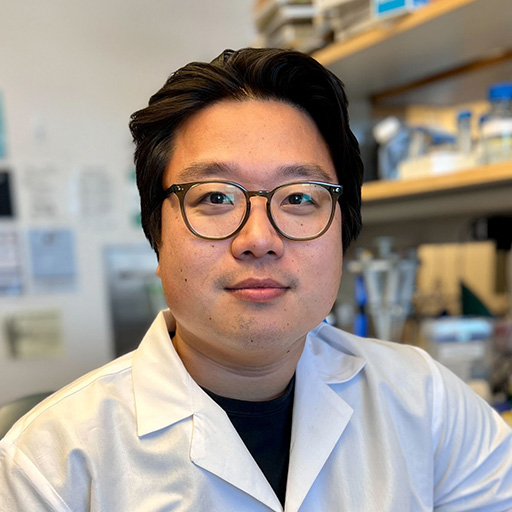
Principal Investigator
John Han, PhD
Current Organization
University of Michigan Medical Center
Storing Fat in the Eye: A Pathway for Tackling AMD
Active Dates
July 01, 2024 - December 31, 2026
Principal Investigator
John Han, PhD
Current Organization
University of Michigan Medical Center