


Heparan Sulfate Regulation of HTRA1-Mediated Proteostasis in Bruch's Membrane in Age-Related Macular Degeneration

Principal Investigator
Jaesoo Jung, PhD
University of California, San Diego
La Jolla, CA, United States
About the Research Project
Program
Award Type
Other
Award Amount
$182,000
Active Dates
July 01, 2025 - June 30, 2027
Grant ID
M2025013F
Mentor(s)
Toomey Christopher, Shiley Eye Institute, UC San Diego
Goals
Our goals are to determine how HTRA1 regulates Bruch’s membrane proteostasis and to understand how altered heparan sulfate expression affects HTRA1 activity in age-related macular degeneration.
Summary
Age-related macular degeneration (AMD), a leading cause of central vision loss, affects 200 million people worldwide. AMD is marked by changes in Bruch’s membrane (BrM), where drusen deposits disrupt macular function and lead to vision loss, particularly in the untreatable dry form. HTRA1, a key protein linked to AMD, interacts with heparan sulfate (HS), a molecule elevated in AMD-affected BrM. This study explores how HS impact HTRA1 function, contributing to AMD progression. Findings could guide new therapies targeting HS or enhancing HTRA1 to protect vision in AMD patients.
Unique and Innovative
This proposal is innovative because it integrates isotope-labeled degradomics with glycan biology to uncover the full repertoire of HTRA1 substrates in Bruch’s membrane. By combining this with advanced biochemical assays, we uniquely explore how heparan sulfate modulates HTRA1 activity, providing mechanistic insight into drusen formation. This approach bridges genetics, proteomics, and glycobiology to reveal novel therapeutic targets for early intervention in AMD.
Foreseeable Benefits
Completion of this study will broaden the understanding of how HTRA1 and heparan sulfate drive early AMD pathology, providing a foundation for new therapeutic targets beyond current approaches. By revealing how modulating heparan sulfate (HS) in Bruch’s membrane can influence HTRA1 activity, this work could guide the development of HS-based therapies to prevent or slow drusen formation. These insights have the potential to transform AMD management and advance the broader field of protease–glycan biology.
Related Grants
Macular Degeneration Research
Shaping of Neuronal Connections by Resident Immune Cells
Active Dates
July 01, 2025 - June 30, 2027

Principal Investigator
Ashley Farre, PhD
Current Organization
University of Idaho
Shaping of Neuronal Connections by Resident Immune Cells
Active Dates
July 01, 2025 - June 30, 2027
Principal Investigator
Ashley Farre, PhD
Current Organization
University of Idaho
Macular Degeneration Research
A Blood Test to Measure Genes Associated with Macular Degeneration
Active Dates
July 01, 2025 - June 30, 2028

Principal Investigator
Jerzy Szablowski, PhD
Current Organization
William Marsh Rice University
A Blood Test to Measure Genes Associated with Macular Degeneration
Active Dates
July 01, 2025 - June 30, 2028
Principal Investigator
Jerzy Szablowski, PhD
Current Organization
William Marsh Rice University
Macular Degeneration Research
The Role of Aging, Diet, and Inflammation in RPE Degenerative Processes
Active Dates
July 01, 2025 - June 30, 2028
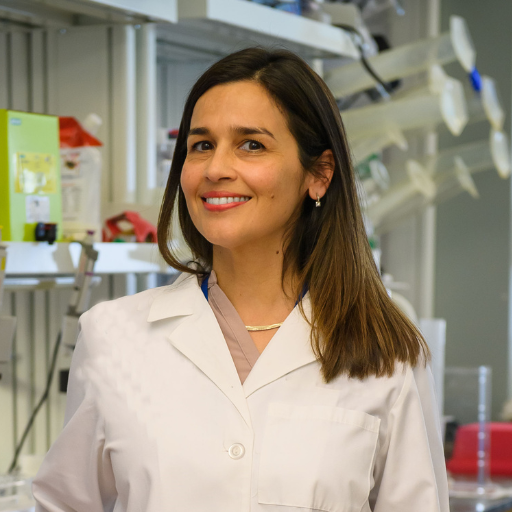
Principal Investigator
Ana Chucair-Elliott, PhD
Current Organization
University of Oklahoma Health Sciences Center
The Role of Aging, Diet, and Inflammation in RPE Degenerative Processes
Active Dates
July 01, 2025 - June 30, 2028
Principal Investigator
Ana Chucair-Elliott, PhD
Current Organization
University of Oklahoma Health Sciences Center