

I’m Doug Sanford, I’m a commercial photographer, and I’m 61 years old.
I was a Navy combat photographer. Provided intelligence work to the president and to the Pentagon. And then I transitioned out of that and got a degree in commercial photographic illustration.
I love to take pictures of everything. I get hired more for the way I take photographs than what I take photographs for and that’s, that’s really rewarding. It’s really rewarding to have your vision be the reason that you get a job.
I first learned about macular degeneration from my father. My father had it. I remember being in high school when he was diagnosed, and it was a big deal at the house. It caused a lot of fear and scared feelings and that sort of thing. And then about four or five years ago, I was diagnosed. And again, the fear came. I mean, my eyes are my living and so if my eyes don’t work, it’s going to be a real challenge.
Recently I’ve had to rely on my girlfriend or my children to read a menu. I also started carrying a flashlight in my bag. So, I’m the guy in the restaurant who will turn on a flashlight to look at the menu, and I’ll tell you, if it weren’t for the advent and the continual improvement of autofocus cameras, I would be in a real state.
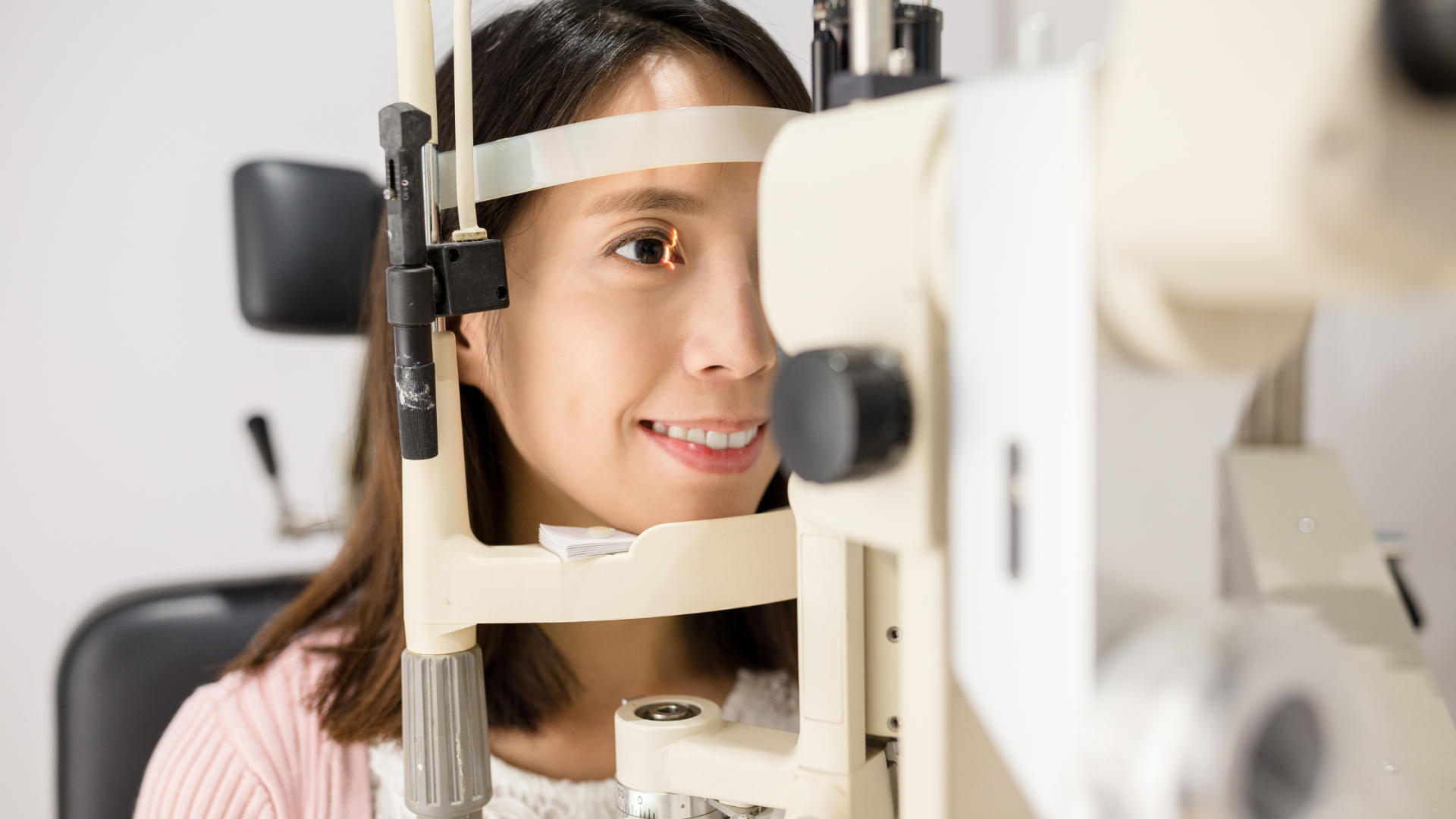
I would tell somebody who has been recently diagnosed with macular degeneration that, that it’s not the end of the world. That I know it’s frightening and scary, but as long as they follow their doctor’s instructions, that you can mitigate some of these changes. So, the first step to protecting your vision, I think, is a regular eye exam. Go regularly, and you’ll be able to track those changes over time.
There are people who are doing research, there are organizations like the BrightFocus Foundation that are, that are working on this kind of thing. And if you do the work that the research already has shown to protect your vision, then it’s not the end of the world. You are responsible for your own sight, so you have to take care of that.