


Macular Degeneration Research Request for Proposals
Macular Degeneration Research, a BrightFocus Foundation program, provides research funds for U.S. domestic and international researchers pursuing pioneering research leading to greater understanding, prevention, and treatment of age-related macular degeneration.
We are committed to supporting scientists from diverse backgrounds to foster creativity and innovation in addressing complex scientific challenges. We strongly encourage applications from individuals who are from groups underrepresented in the field of age-related macular degeneration research.
FY27 Dates & Deadlines
Full Proposal (by Invitation Only):
Deadline: Thursday, December 10, 2026, 5PM EST

About the Awards
Macular Degeneration Research offers three types of awards:
Postdoctoral Fellowship Program
The Postdoctoral fellowship is intended to support postdoctoral training of basic or clinician-scientists who are within no more than 4 years of their terminal degree, or within two years after completion of their final clinical training, at the time of application. The application for this fellowship must be written by the intended fellow in conjunction with the mentor/laboratory head where the fellowship will be conducted. The application should be submitted through the business office of the institution where the fellowship will take place. Should the fellowship support be funded, the awardee, mentor, and institution should agree that this award is for support of the fellow and their pursuit of an independent research career and not for the mentor directing the research.
- Award Amount: $100,000 per year (maximum total value $200,000)
- Duration: Up to 2 years
New Investigator Grant Program
The Macular Degeneration New Investigator Grant Program is intended to support investigators during their early years as an independent investigator involved in studies that have an impact on the causes and/or treatment of macular degeneration. This mechanism is restricted to new and early investigators who have received their MD, PhD or equivalent degree within the past 10 years at the time of application. Exceptions to the above ten-year eligibility period will be considered under unusual circumstances. Candidates must submit a written exception request to BrightFocus and obtain approval before applying. No more than one grant in this category will be awarded to an individual, and consecutive awards will not be considered.
- Award Amount: $150,000 per year (maximum total value $450,000)
- Duration: Up to 3 years
Standard Award Program
The Standard Award in Macular Degeneration Research is open to tenure- and non-tenure track investigators greater than 10 years post-terminal degree who are appropriately trained to lead an independent research study (basic, translational and/or clinical in nature) that has an impact on the causes, prevention, and/or treatment of macular degeneration. Investigators must be permitted by their organizations to manage grants and supervise key personnel. The Standard Award is intended for Investigators who are either 1) new to the macular degeneration field, 2) have been in the field of vision research, but not macular degeneration, or 3) have worked in the macular degeneration field but are proposing a new idea that is significantly different to prior work. This award mechanism is not intended to fund research projects that are continuations of prior work.
- Award Amount: $150,000 per year (maximum total value $300,000)
- Duration: Up to 2 years
Catch Up On BrightFocus AMD Fast Track
BrightFocus organizes and sponsors the AMD Fast Track workshop, an immersive learning opportunity specifically created for scientists who are starting or contemplating a career in macular degeneration research. Visit the links below to watch recordings of the presentations from 2025, 2023, and 2021.
Related News

A New Macular Degeneration Suspect: The Eye’s Light-Sensing Cells
After discovering that photoreceptors actively drive the debris formation seen in age-related macular degeneration, BrightFocus Macular Degeneration Research grantee Claudio Punzo, PhD, helped develop a single-injection gene-silencing therapy designed to reverse this process, opening a new avenue for treatment.

Lessons from Zebrafish: Restoring “Ground Zero” in Macular Degeneration
BrightFocus Macular Degeneration Research grant recipient Lyndsay Leach, PhD, is investigating what makes another species capable of regrowing the part of the eye where age-related macular degeneration starts.
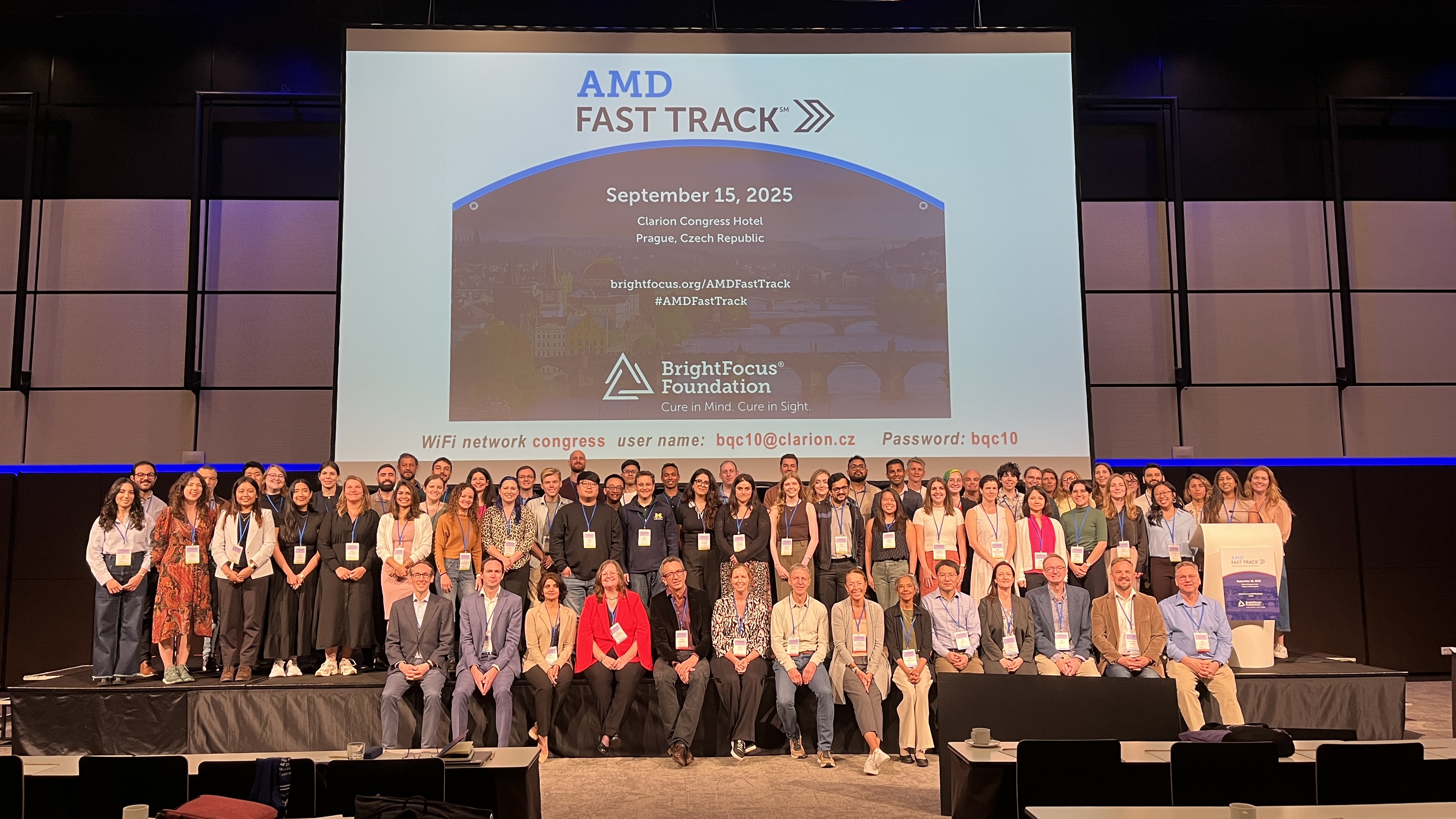
Shaping the Future of Macular Degeneration Research: Key Takeaways from the 2025 AMD Fast Track Workshop
BrightFocus Foundation’s 2025 Age-Related Macular Degeneration (AMD) Fast Track brought together early-career and established scientists to accelerate research toward a cure for AMD.

How Understanding Lipid Processing in the Eye Could Spark Innovative AMD Treatment Approaches
With the help of funding from Macular Degeneration Research, Dr. Neetu Kushwah is studying the link between abnormal lipid regulation in the eye, inflammation, and age-related macular degeneration. Her findings could inspire new methods for treating the disease.
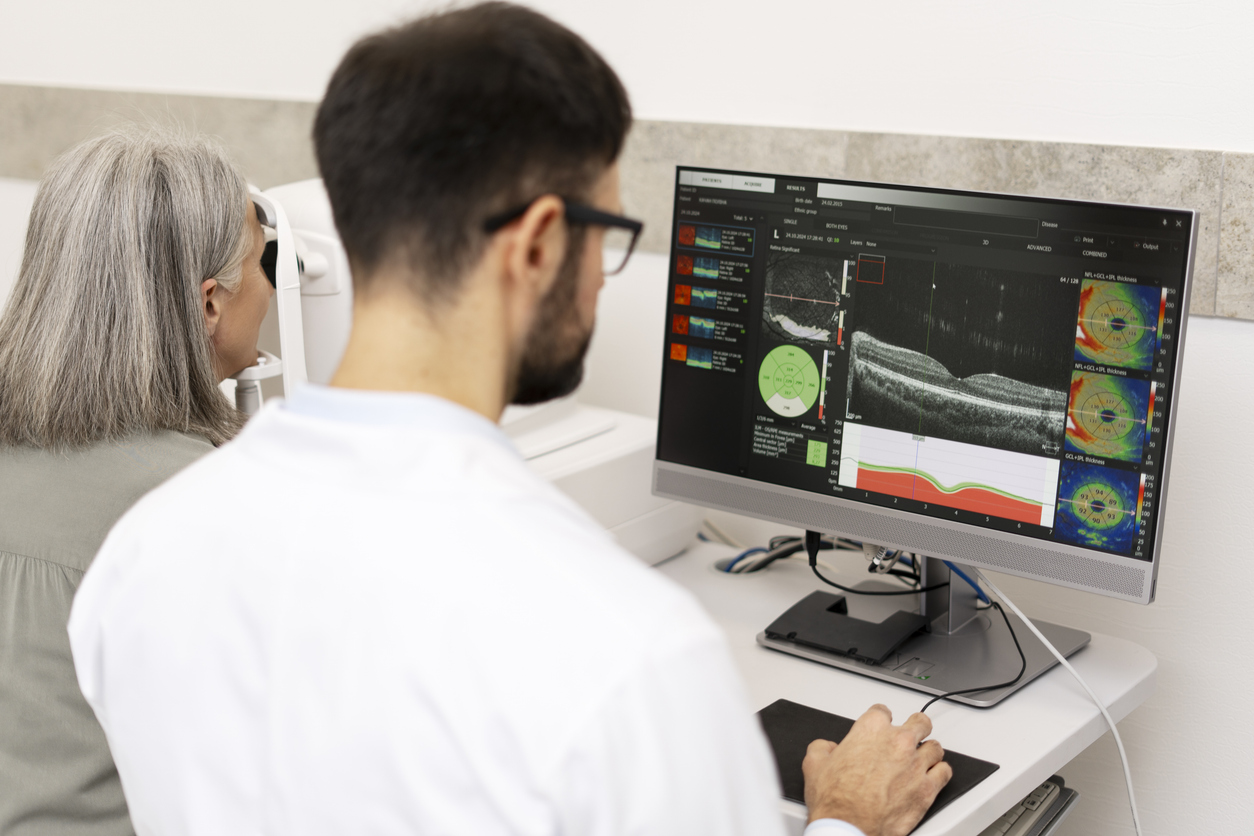
Early Research Funding Is Essential to Saving Sight From Macular Degeneration
Medicine’s biggest breakthroughs often start out as the smallest of ideas. BrightFocus Foundation’s Macular Degeneration Research supports bold, early-stage science across a wide range of approaches.

New Supplement to Prevent Macular Degeneration Inspires Deeper Search for Cures
A Macular Degeneration Research-funded scientist launched a supplement based on a link he discovered between the eye disease and Parkinson’s disease. Now he’s continuing research in the hopes of finding novel cures.
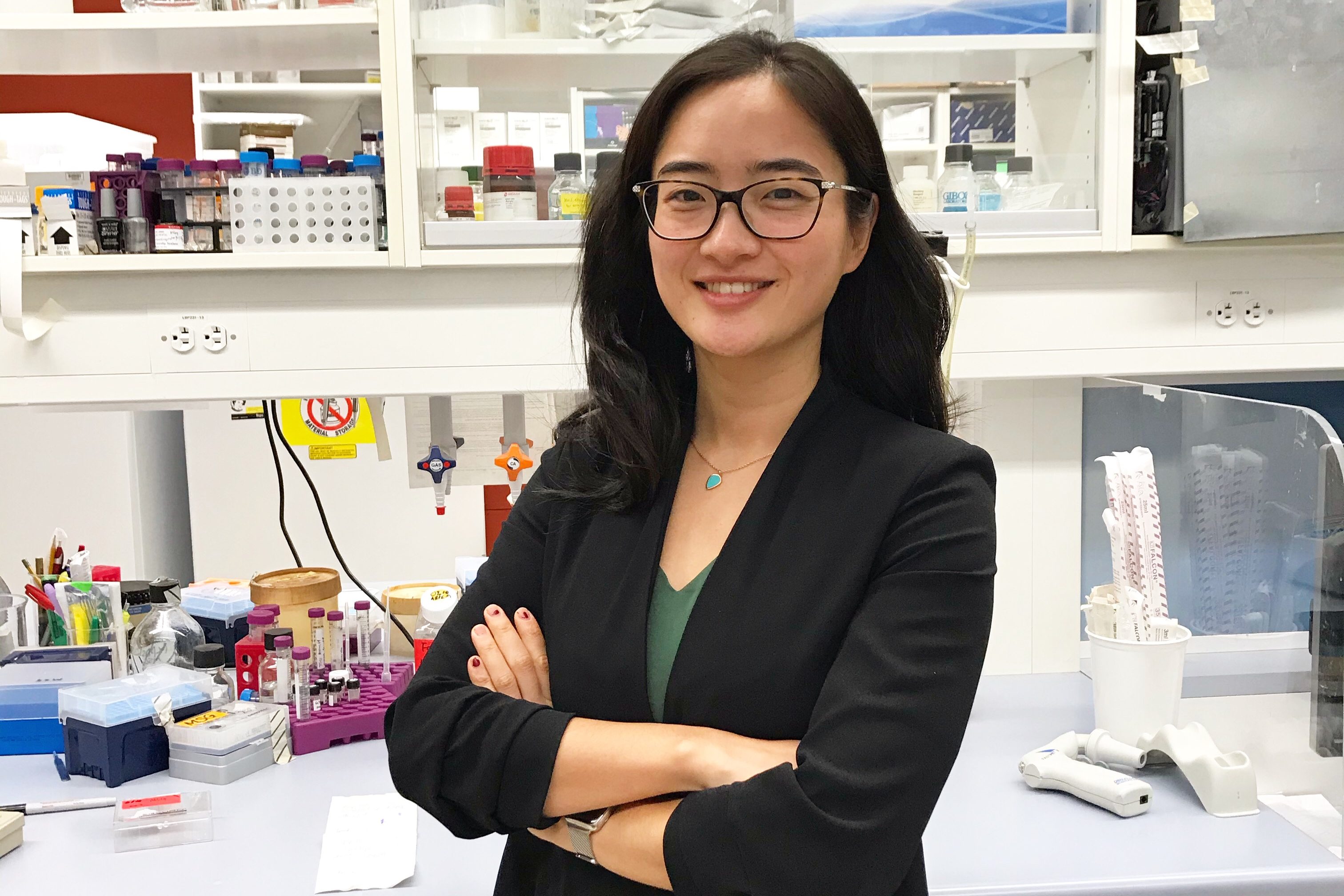
Transforming Macular Degeneration Care With Long-Acting Treatment
With funding from Macular Degeneration Research, Dr. Daisy Shu is exploring advanced drug delivery systems that release medicine slowly over time. This innovative approach could reduce the number of injections needed for macular degeneration while maintaining vision-saving results.
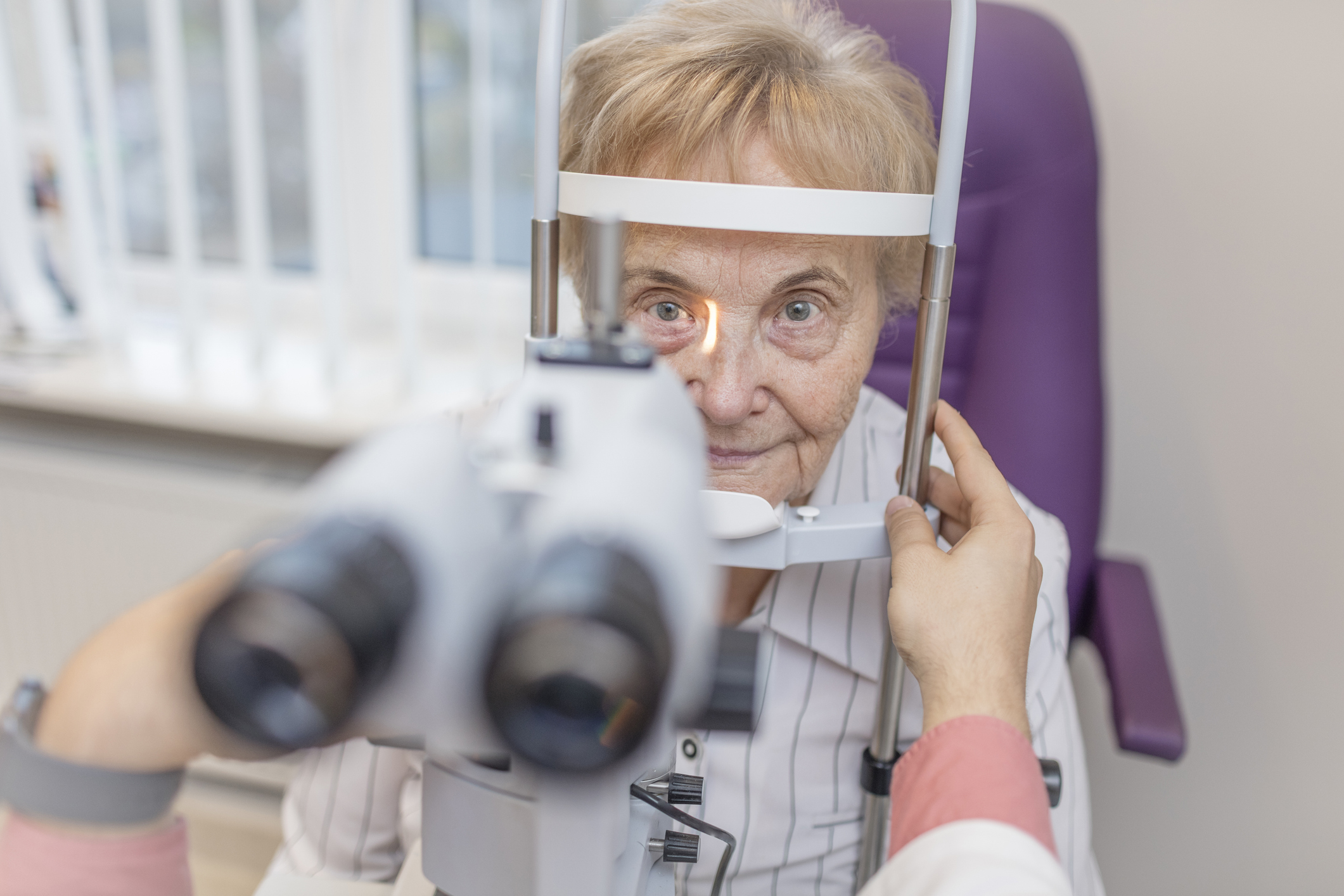
How Targeting a Molecular ‘Switch’ Could Inspire New Macular Degeneration Treatments
A researcher funded by BrightFocus’ Macular Degeneration Research is zeroing in on a protein that damages eye cells in the early stages of dry age-related macular degeneration, offering insights that could lead to new treatments.

How Better Models of Macular Degeneration Could Help Prevent Vision Loss
Most experimental models that researchers use to study macular degeneration fall short. BrightFocus Macular Degeneration Research grant recipient Dr. Brittany Carr aims to change that.